
Artist
J.J. Cale
Oklahoma City, United States · 1938 – 2013
J.J. Cale is a musician from Oklahoma City, United States, active 1938–2013. Their discography on Gatefold includes 24 records.

29
Albums tracked
163
In collections
1938
Since
Biography
He tracked half of his debut with a primitive Ace Tone rhythm box because human drummers played too loud and charged too much. Audie Ashworth hauled him into Moss Rose Studio in Nashville, gave him an eight-track tape machine, and let him whisper. Most guys in 1971 were blowing out Marshall stacks. Cale pulled everything inward until you had to lean toward the speakers to hear him breathe. He spent forty years dodging the spotlight like a court summons. Eric Clapton made millions turning Cale's laid-back porch shuffles into arena-rock anthems, while Cale used the royalty checks to buy trailers, modify cheap acoustic guitars with back-porch hardware, and disappear into the California desert. No tour support, minimal interviews, zero corporate polish. Just a deadpan drawl, an ungodly pocket, and the cleanest thumb-and-index fingerpicking you will ever hear.
Bio from The Clerk
The Arc of J.J. Cale
The pivots — what forced J.J. Cale to reinvent.
The Shelter Records Shuffles
After living broke in Tulsa and L.A., Cale got dragged back to the studio when Clapton's cover of 'After Midnight' blew up on radio. Working with producer Audie Ashworth across Nashville and Tulsa studios, he cut a run of records like 'Naturally' and 'Okie' that perfected the muted, claustrophobic groove. He used drum machines, unvarnished acoustic rhythm tracks, and uncredited local players to build a sound so understated it sounded like eavesdropping. Every rock superstar in the world immediately started ripping off his tempo.
The Drum Machine Isolation and Disappearance
By the late seventies and early eighties, Cale pushed deeper into sparse home tracking, dialing up drum boxes and synthesizer textures on records like '5' and '#8'. Frustrated by MCA's label pressure and entirely uninterested in playing the industry game, he walked away from the business entirely in 1983. He bought a mobile home in California, didn't release a note of music for six years, and spent his time mowing the lawn and tinkering with reel-to-reel tape decks.
The Reluctant Elder Statesman
He resurfaced in 1989 on Silvertone with 'Travel-Log', returning to making solo-tracked porch blues on his own stubborn schedule. By the 2000s, the players who stole his sound came knocking to pay tribute, culminating in 'The Road to Escondido' with Clapton tracking Cale's tunes in a room full of high-dollar session aces. Cale barely altered his style—he just sat on his stool, muttered into the microphone, and made everyone else in the room sound like they were trying too hard.
Influences
- Clarence 'Gatemouth' Brown — Cale openly cited Gatemouth's Texas swing and fingerstyle attack as the blueprint for his own early electric guitar work. You hear it on tracks like 'Clyde' and 'No Time', where the lead lines bite without using a flatpick. He stole Gatemouth's economy of notes and never gave it back.
- Chet Atkins — Growing up on Atkins' radio broadcasts, Cale studied his alternating bass-thumb pattern until it became his natural rhythm engine. It is the rhythmic foundation of 'After Midnight' and 'Crazy Mama', where the thumb holds down the entire low-end groove while the top strings skitter. Atkins showed him how to make a single guitar sound like a rhythm section.
- Les Paul — Cale spent his early twenties obsessing over Les Paul's home-recorded multitrack experiments and tape delays. That influence drove Cale to build his own home rigs and run his voice through tape slaps to disguise his singing. The double-tracked, whispery vocals that define his catalog trace straight back to Les Paul's engineering tricks.
- Hank Williams — Williams defined the minimalist, three-chord skeleton that Cale used for practically every song he ever penned. You hear the hard-bitten, deadpan storytelling of Hank all over 'Okie' and 'Call Me the Breeze'. Cale stripped away the hillbilly theatrics and kept the cold, bone-dry realism.
- Chuck Berry — Cale played in rockabilly and sock-hop bands across Oklahoma throughout the late fifties, cutting his teeth on Berry's double-stops. On early cuts like 'Mama Don't' and 'Rock and Roll Records', the Berry boogie is right there under the hood, just dragged down twenty beats per minute into a lazy Tulsa roll.
Discography
Their records — most-collected first.
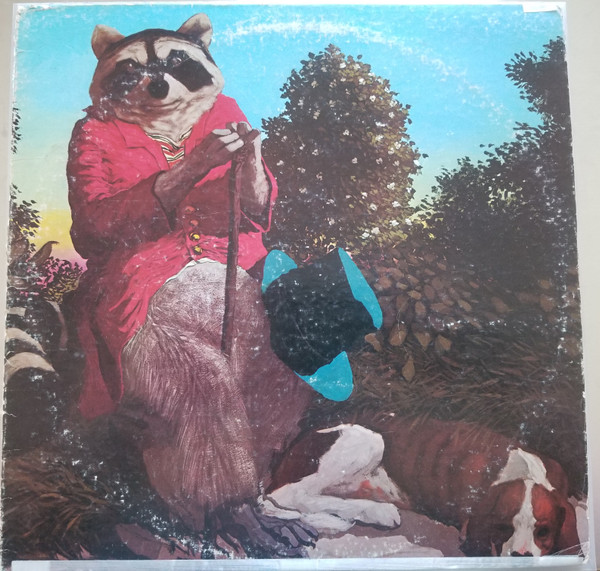
Naturally
1971
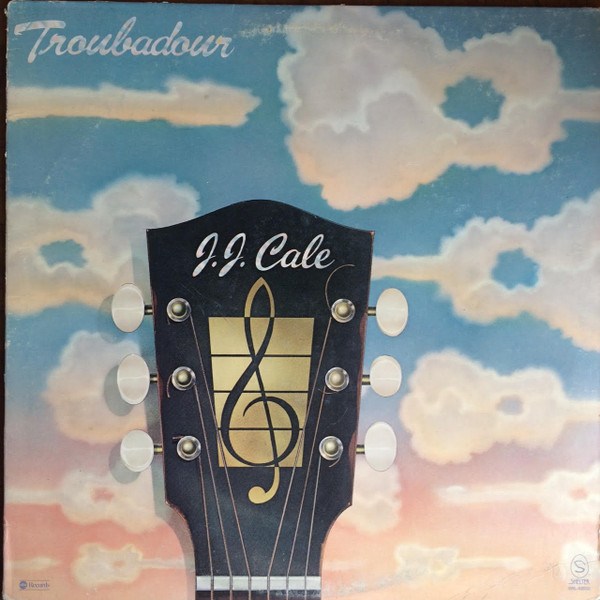
Troubadour
1976
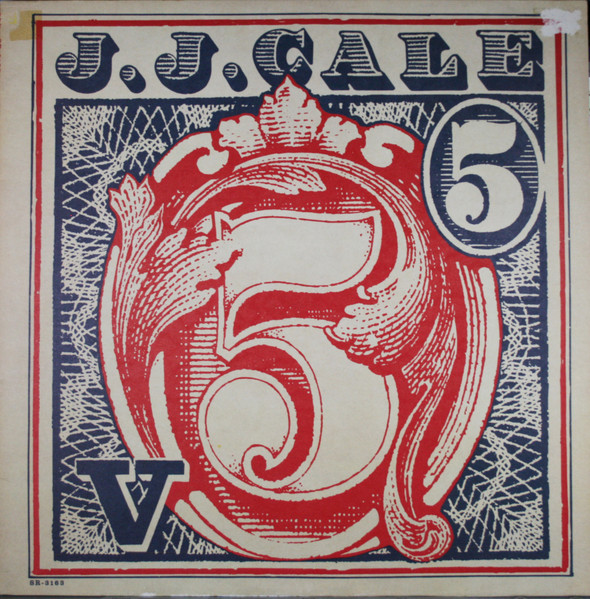
5
1979
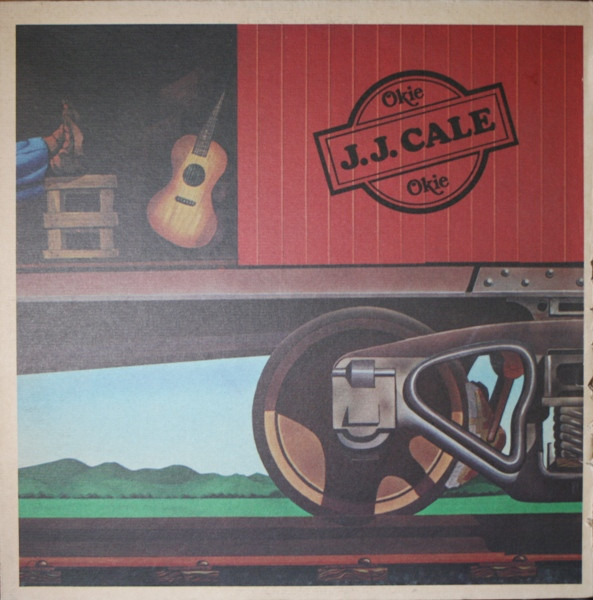
Okie
1974

Really
1972
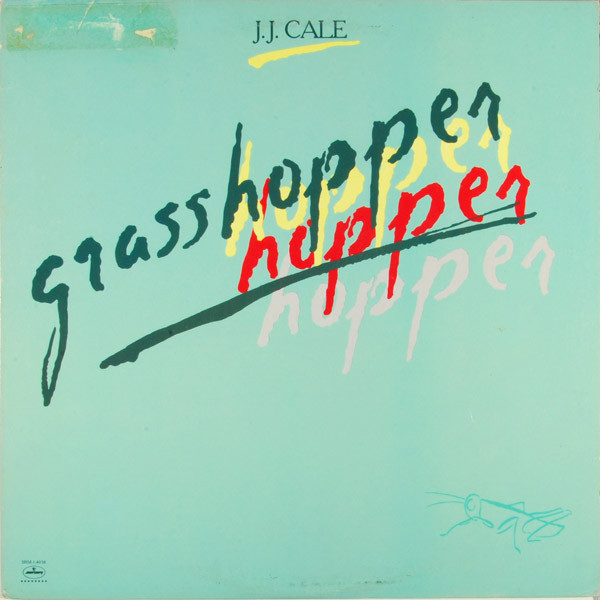
Grasshopper
1982

The Road To Escondido
2006

Shades
1981

Collected
2006
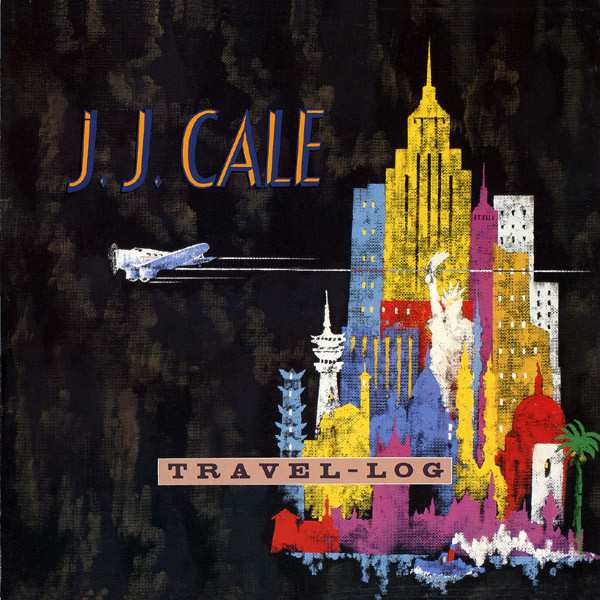
Travel-Log
1989

#8
1983

Special Edition
1984

Stay Around
2019

Troubadour + Okie
2010
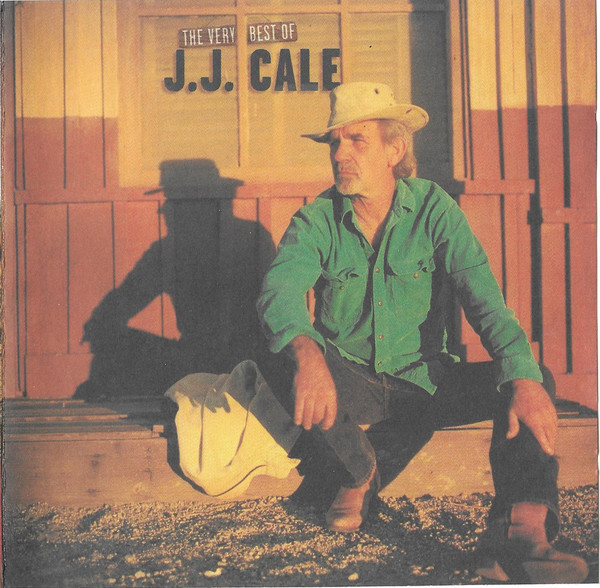
The Very Best Of J.J. Cale
1997
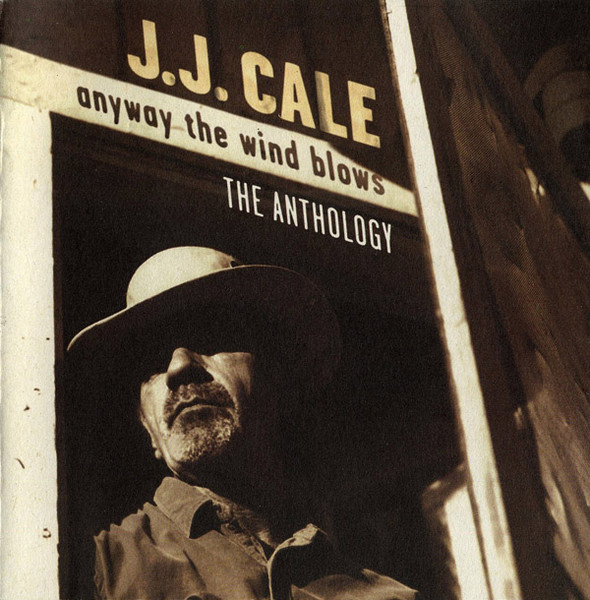
Anyway The Wind Blows - The Anthology
1997

5 Original Albums
2013

The Silvertone Years
2011
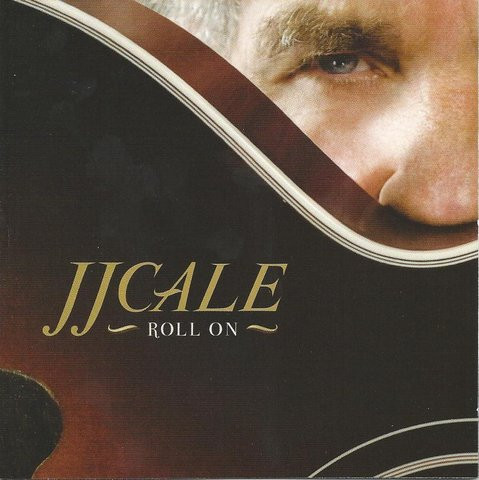
Roll On
2009

Rewind (Unreleased Recordings)
2007

Gold
2007
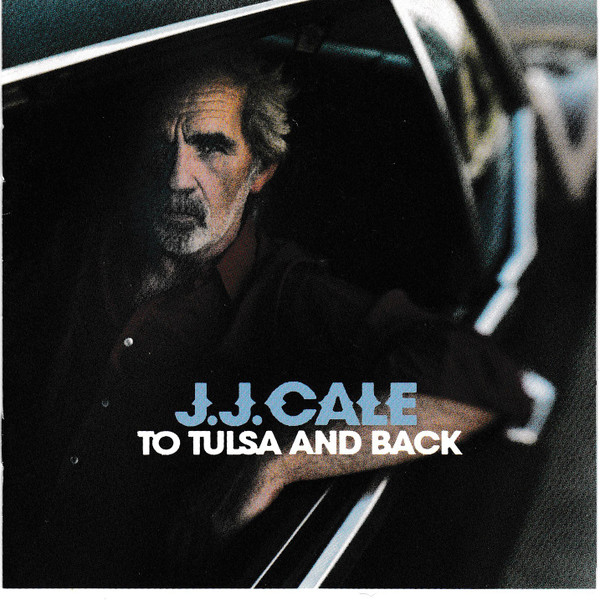
To Tulsa And Back
2004

Live
2001

Classic JJ Cale
1999
Related artists
Around the web
Follow every record they touch.
Start your shelf and Gatefold tracks J.J. Cale's new pressings, tour dates, and the whole discography — automatically.
Start your shelf →Free forever. Works with 10 records or 10,000.