
Artist
Santana
San Francisco, United States · Formed 1966
Santana is a music group from San Francisco, United States, active since 1966. Their discography on Gatefold includes 24 records.

72
Albums tracked
811
In collections
1966
Since
Biography
Carlos Santana spent his early days in Tijuana playing strip clubs, soaking up the hyper-accelerated R&B coming across the border while keeping his ear tuned to the local Afro-Cuban percussion. By the time Bill Graham shoved the band onto the stage at Woodstock before their debut record was even out, they were a dangerous machine built on the chemistry between Carlos and a teenage Michael Shrieve. They weren't just playing rock; they were weaponizing the Clave rhythm for a ballroom audience that was mostly high on brown acid and didn't know what hit them. Abraxas is where the wheels usually fall off for most bands, but they nailed it by letting the percussion section dictate the dynamics. Then Carlos went deep into the weeds with jazz fusion and spiritual devotion, which led to a decade of records that mostly gathered dust in the dollar bins of shops like this one. He eventually traded the long-form jams for the corporate sheen of Supernatural, which bought him a lot of houses but lost the grit of that original 1969 lineup. It’s a weird career—one half spent trying to find God through a Gibson SG, and the other half trying to find a Top 40 hook.
Bio from The Clerk
The Arc of Santana
The pivots — what forced Santana to reinvent.
The Mission District Blueprint
Before the fame, it was just the Santana Blues Band grinding in San Francisco with Gregg Rolie’s B3 organ providing a heavy, grit-caked counterweight to the Latin percussion. This era peaked with the first three albums where the band functioned as a true collective, leaning into the raw power of 'Soul Sacrifice' at Woodstock. You can hear the hunger in those early takes—it's the sound of a band that hadn't yet been polished by Clive Davis or the spiritual demands of a guru.
The Devadip Transition
The pivot happened when Carlos met John McLaughlin and traded the street-level grit for white robes and a meditation practice under Sri Chinmoy. He took the name 'Devadip' and started chasing the high-velocity jazz-fusion of Miles Davis and Coltrane, resulting in the Love Devotion Surrender sessions. The music became dense, fast, and intensely technical, effectively alienating the fans who just wanted to dance to 'Black Magic Woman' while the band explored the limits of 17/8 time signatures.
The Arista Resurrection
After years of diminishing returns and wandering through the fusion wilderness, Clive Davis staged the most calculated comeback in music history with 1999's Supernatural. The strategy was simple: pair the iconic guitar tone with every hit-maker on the Arista roster, from Rob Thomas to Lauryn Hill. It worked better than anyone expected, turning a legacy act into a chart-topping juggernaut, even if it meant the actual band was replaced by a rotating door of session pros and radio-ready production.
Influences
- Tito Puente — Santana famously covered 'Oye Como Va,' which became his signature hit and primary bridge between Latin jazz and rock. You hear the direct influence in the way the organ and guitar mimic the traditional horn stabs of a mambo orchestra. It’s the entire foundation of the Santana rhythmic feel.
- B.B. King — Carlos has repeatedly cited King’s economy of notes and vibrato as his primary guitar gospel. On tracks like 'The Calling,' the influence is undeniable in the phrasing—it's that 'one note that breaks your heart' philosophy. He took King's blues box and dropped it into a conga line.
- Gábor Szabó — The haunting melody of 'Black Magic Woman' leads directly into 'Gypsy Queen,' a composition written by Szabó. Santana pinched the Hungarian guitarist’s unique blend of folk and jazz, particularly that stinging, feedback-heavy sustain. It’s where the 'mystical' side of his tone actually comes from.
- Miles Davis — The 'In a Silent Way' era of Miles changed everything for Carlos, leading him to recruit Shrieve and move toward long-form improvisation. The influence shows up in the modal jamming on 'Caravanserai,' where the melody isn't a hook but a texture. It shifted his focus from the radio to the cosmos.
- John Lee Hooker — They eventually collaborated on 'The Healer,' but the influence started much earlier with the raw, hypnotic boogie of Hooker's Detroit years. You can hear that stomping, singular rhythmic focus in the band's heavier blues-rock tracks. It’s the earthy grit that keeps the spiritual stuff from floating away.
Discography
Their records — most-collected first.

Abraxas
1970
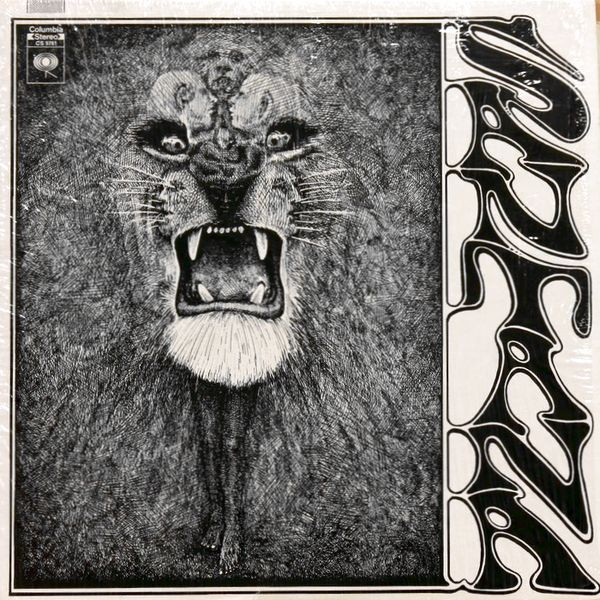
Santana
1969
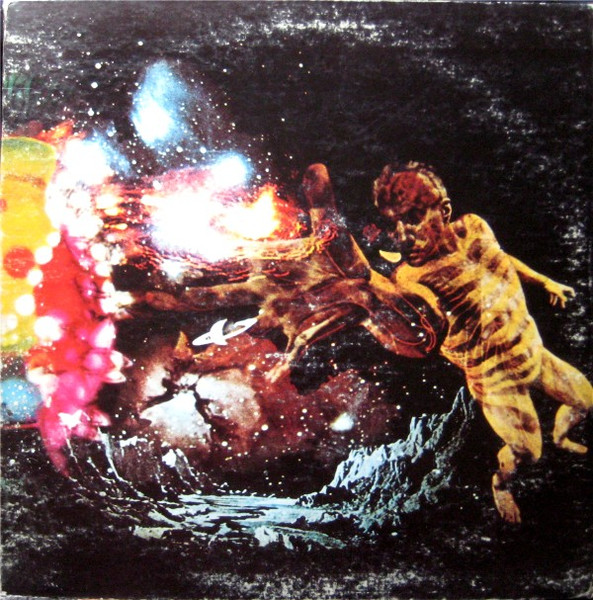
Santana
1971
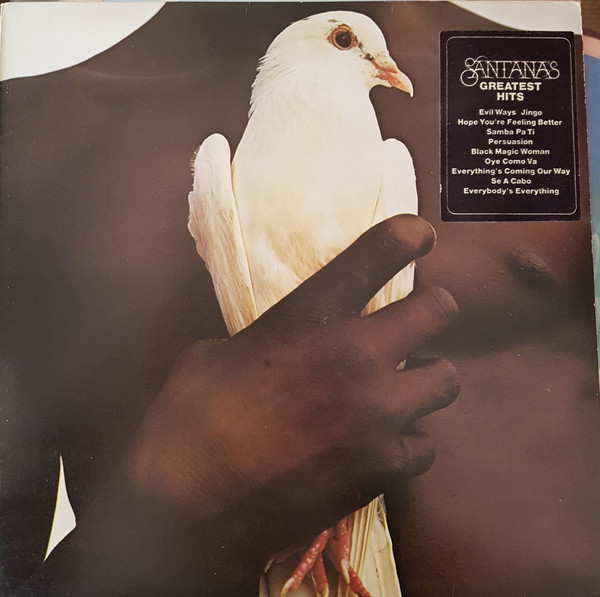
Santana's Greatest Hits
1974
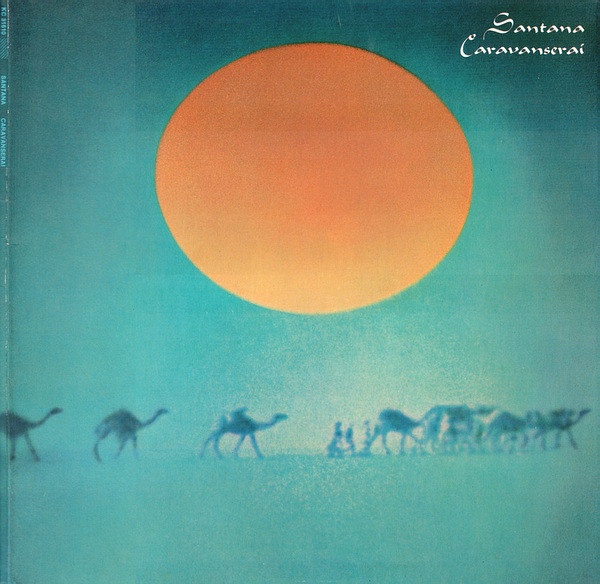
Caravanserai
1972
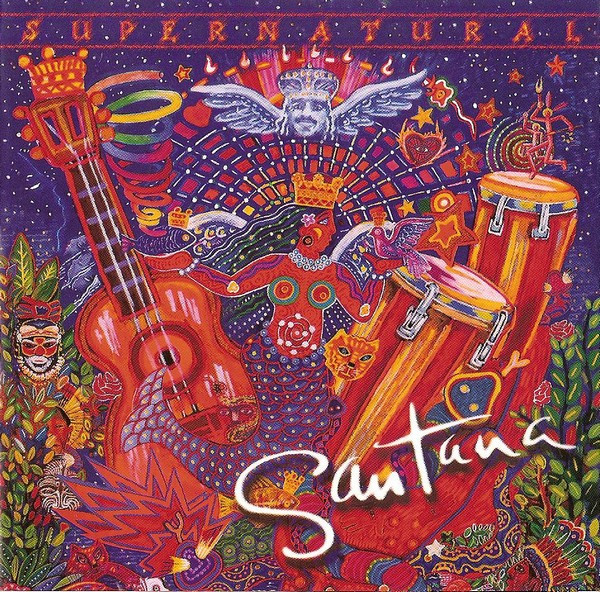
Supernatural
1999
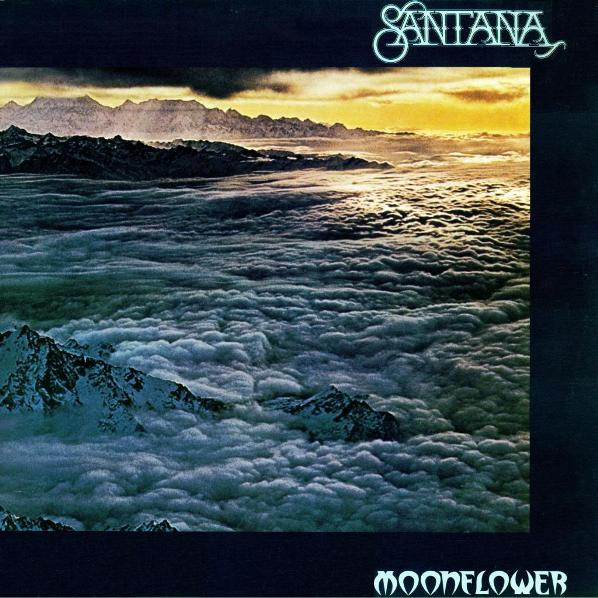
Moonflower
1977
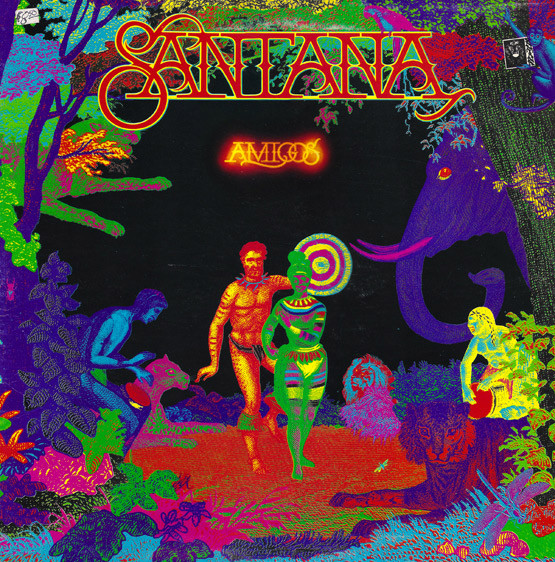
Amigos
1976
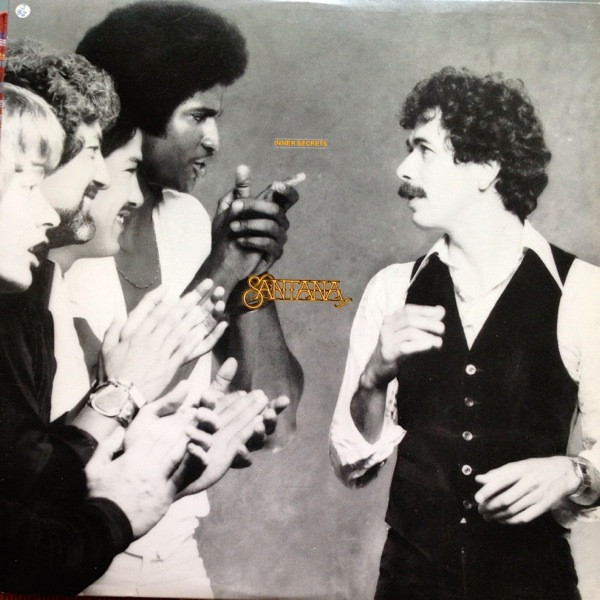
Inner Secrets
1978
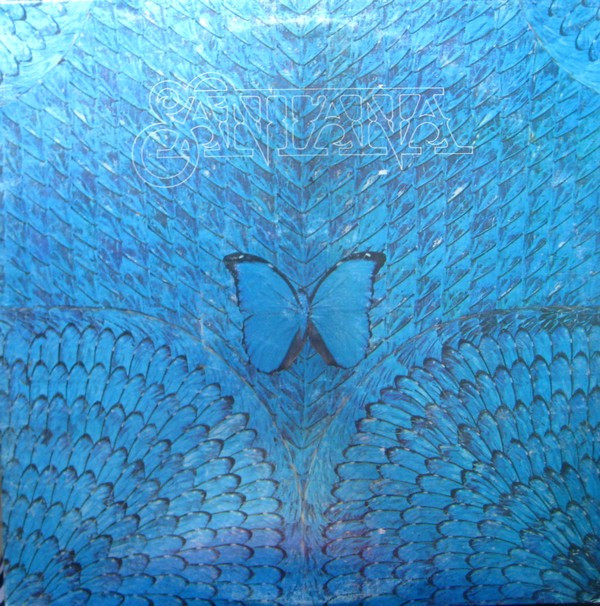
Borboletta
1974
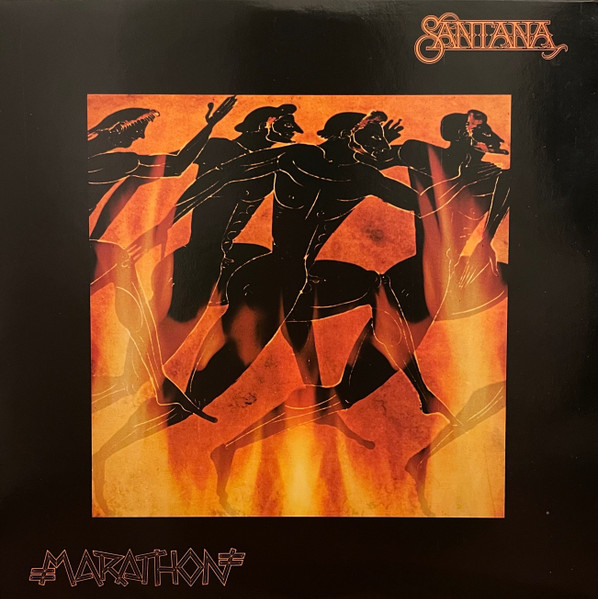
Marathon
1979

Festivál
1977

Welcome
1973
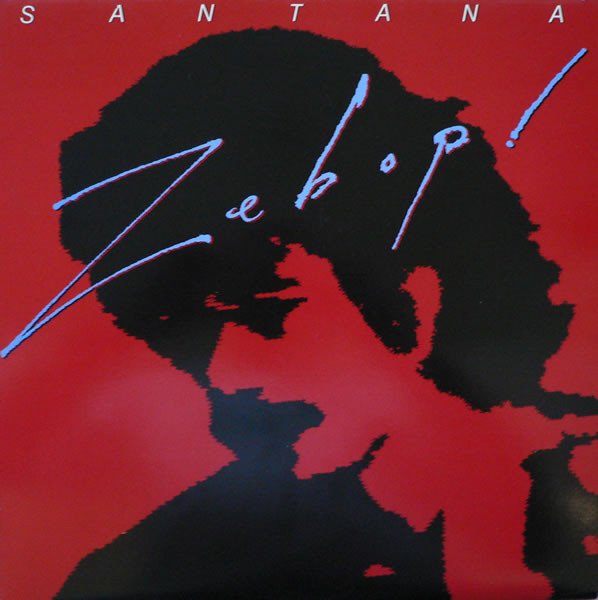
Zebop!
1981
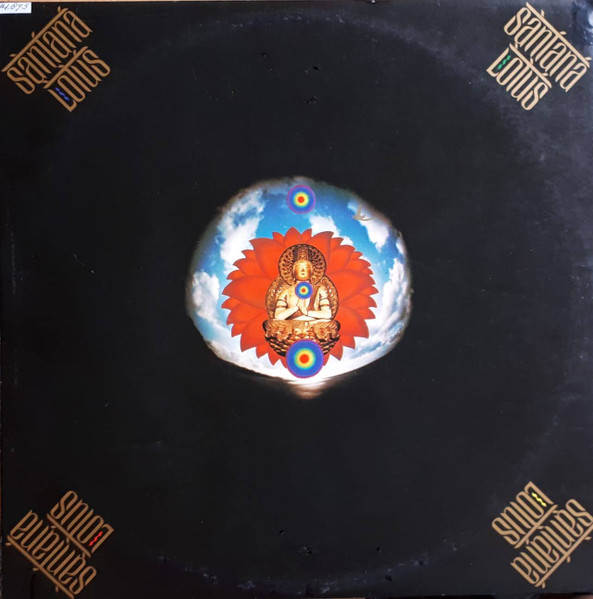
Lotus
1974
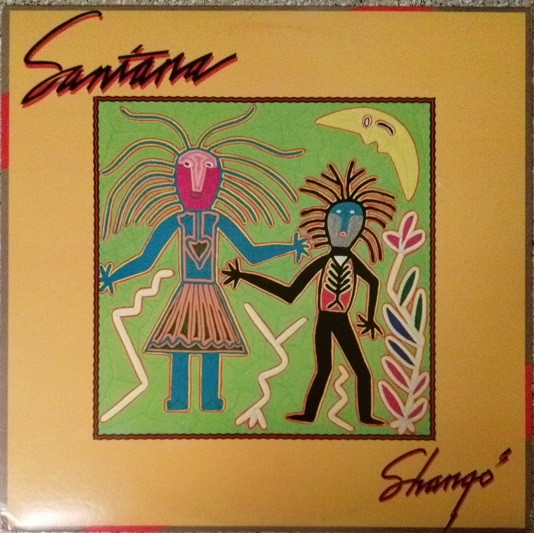
Shangó
1982
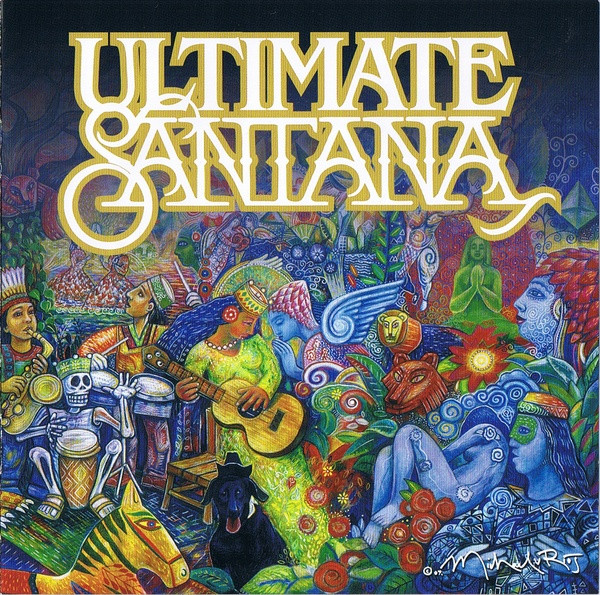
Ultimate Santana
2007
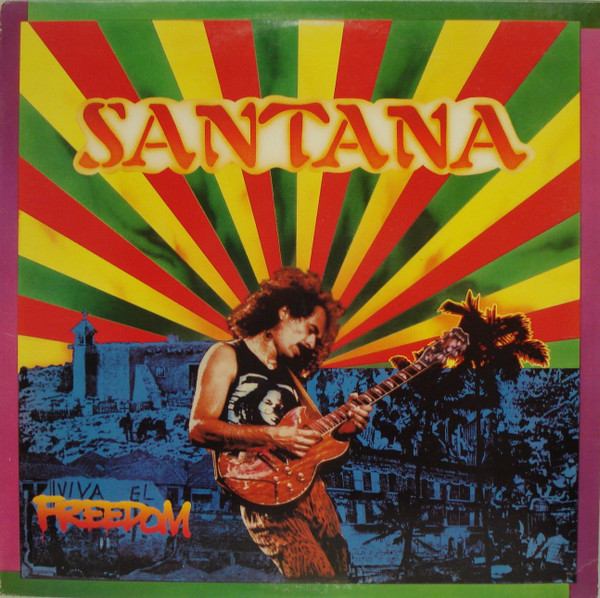
Freedom
1987
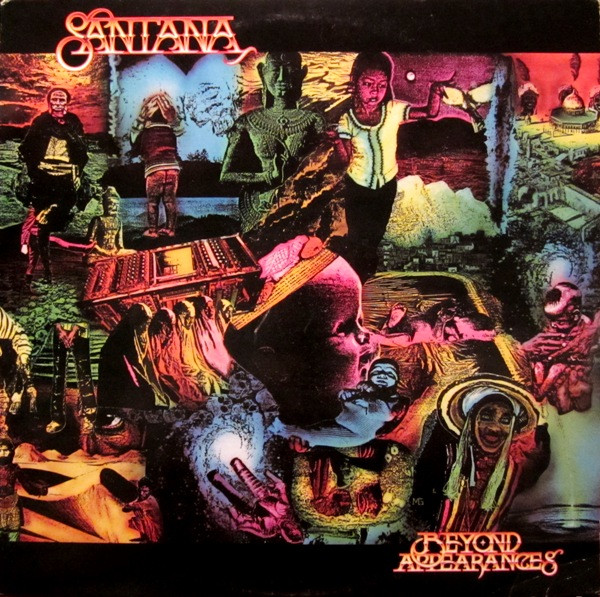
Beyond Appearances
1985

Splendiferous
2021
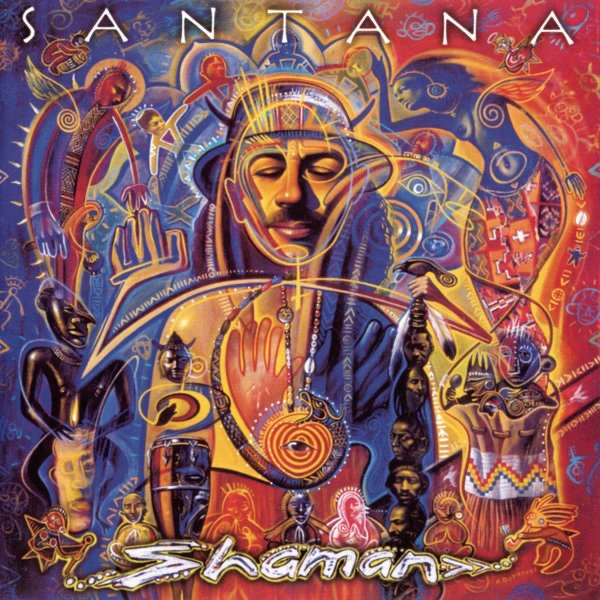
Shaman
2002
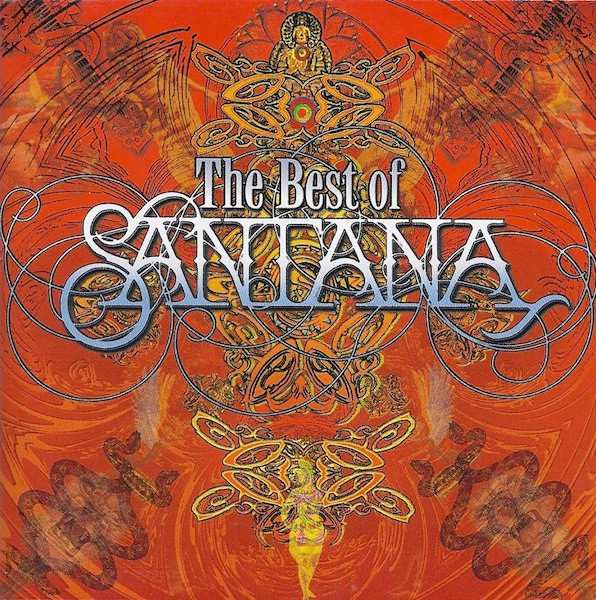
The Best Of Santana
1998

Blessings And Miracles
2021
All That I Am
2005
Related artists
Members
Frequent collaborators
Around the web
Follow every record they touch.
Start your shelf and Gatefold tracks Santana's new pressings, tour dates, and the whole discography — automatically.
Start your shelf →Free forever. Works with 10 records or 10,000.