
Artist
Isaac Hayes
Covington, United States · 1942 – 2008
Isaac Hayes is a musician from Covington, United States, active 1942–2008. Their discography on Gatefold includes 24 records. They also recorded with Delaney & Bonnie, Isaac Hayes Movement, The Mar‐Keys and South Park.

60
Albums tracked
372
In collections
1942
Since
Biography
Isaac Hayes started out behind a three-track board at Stax Records, sweating over a Hammond M-3 organ while writing hits for Sam & Dave with David Porter. He was a behind-the-scenes savior who rescued the label's bank account after Atlantic snatched up their entire back catalog in a disastrous contract loophole. When Al Bell gave him absolute freedom to cut his own record just to fill a shipping quota, Hayes didn't write three-minute radio singles. He took standard pop tunes and stretched them into twelve-minute cinematic epics with heavy fuzz guitar and orchestral sweeps. He became the ultimate conceptualist by turning the studio into a laboratory for slow-burn tension. Working with the Bar-Kays as his rhythm section, he created a blueprint for hip-hop sampling decades before the technology even existed. The vocals were delivered as late-night pillow talk over some of the heaviest, most hypnotic drum breaks ever committed to tape. But the momentum stalled when Stax collapsed into bankruptcy in the mid-seventies, forcing Hayes into film scoring and disco-adjacent projects that never quite captured the raw, analog gravity of his early solo run.
Bio from The Clerk
The Arc of Isaac Hayes
The pivots — what forced Isaac Hayes to reinvent.
The Stax Shadow Writer
Before the gold records and the Cadillac, Hayes was a house songwriter and session player at Stax, forging a partnership with David Porter that defined the Memphis soul sound. Working in a converted movie theater with a leaky roof, they penned classics like 'Hold On, I'm Comin'' for Sam & Dave, building tracks around tight horn stabs and punchy rhythm sections. Hayes played uncredited keyboards on dozens of Otis Redding and Booker T. sessions, learning exactly how to construct a groove from the bottom up. This was his boot camp, where he mastered the art of studio economy before he ever stepped up to a lead microphone.
The Hot Buttered Revolution
After his jazz-leaning debut bombed, Hayes demanded total creative control and walked into Ardent Studios to record Hot Buttered Soul in 1969. Backed by the local rhythm section that would become the new Bar-Kays, he blew up the standard pop format by recording a twelve-minute cover of Walk On By. He laid down long-winded spoken monologues, drenched the tracks in lush strings arranged by Johnny Allen, and let the rhythm section lock into relentless, hypnotic loops. It was a massive financial gamble for a struggling Stax, but the record established a new format for album-oriented soul.
The Cinematic Score Era
Director Gordon Parks approached Hayes to score the blaxploitation film Shaft in 1971, pushing him from album artist to full-blown cultural architect. Hayes agreed on the condition that he get to audition for the lead role, and though he didn't get the part, he took over the soundtrack using the Bar-Kays and guitarist Charles Pitts. Pitts played a relentless, wah-wah pedal guitar figure over a driving high-hat pattern that redefined action movie music overnight. The soundtrack won an Oscar, established Hayes as a self-contained symphonic force, and proved that instrumental soul could dominate the pop charts.
Influences
- Sam Cooke — Hayes regularly cited Cooke as his primary vocal blueprint, attempting to match his clean phrasing and gospel-derived warmth. You hear this influence directly on his early Stax compositions and his conversational vocal delivery on 'I Stand Accused.' He took Cooke's smooth gospel-pop crossover style and slowed it down to a late-night crawl.
- Ray Charles — Charles pioneered the fusion of gospel, blues, and country that Hayes used as a foundation for his own genre-spanning arrangements. Hayes covered Charles's 'I'm Going to Ruin You' during his early studio years and modeled his electric piano playing on Ray's signature rhythmic bounce. It is the literal link between church-derived soul and secular pop ambition.
- Nat King Cole — Cole's smooth, baritone delivery and orchestral backing tracks shaped the way Hayes approached his spoken-word 'raps.' The lush, string-heavy arrangements on Hot Buttered Soul were a direct attempt to bring Cole's sophisticated mid-century pop aesthetic into the gritty world of Memphis soul. He wanted that same velvet authority, just fried in Memphis grease.
- Booker T. & the M.G.'s — As the house band for Stax, this group taught Hayes how to lock in a groove and stay out of the way of the vocalists. Hayes played session keys alongside Booker T. Jones on several mid-sixties tracks, absorbing their tight, telepathic rhythm section dynamics. The sparse, heavy basslines on 'Hyperbolicsyllabicsesquedalymistic' are a direct extension of the M.G.'s minimalist philosophy.
- Burt Bacharach — Hayes was obsessed with Bacharach's sophisticated chord progressions and suburban melodrama, which he systematically dismantled and rebuilt. His legendary covers of 'Walk On By' and 'Close to You' took Bacharach's pristine pop structures and injected them with heavy, psychedelic soul tension. He saw the brilliant architecture in Bacharach's writing and realized it could support much heavier weight.
Isaac Hayes — solo
Their records — most-collected first.
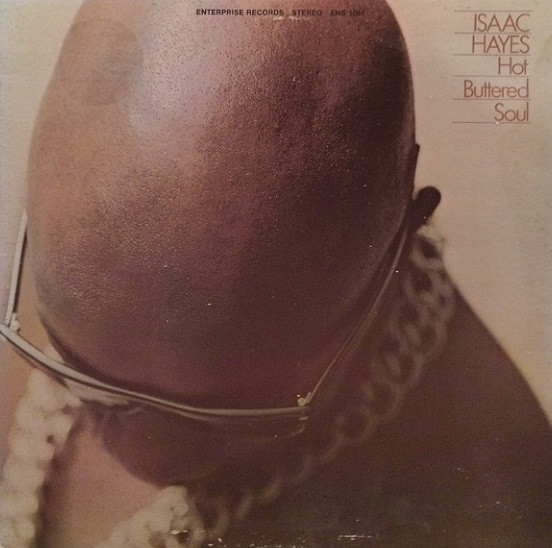
Hot Buttered Soul
1969
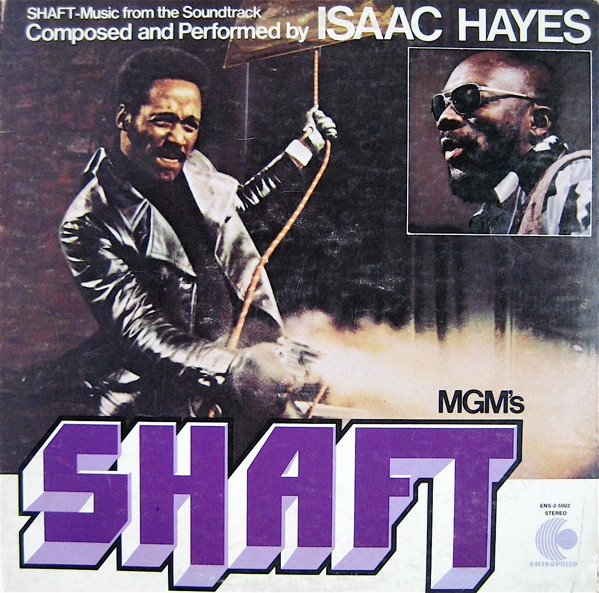
Shaft
1971
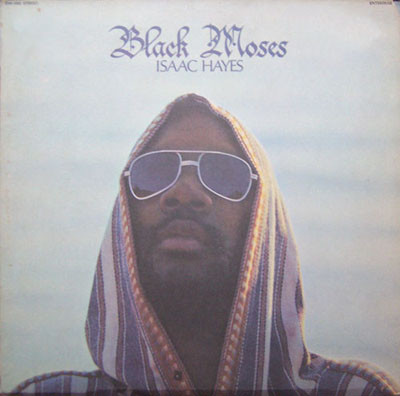
Black Moses
1971
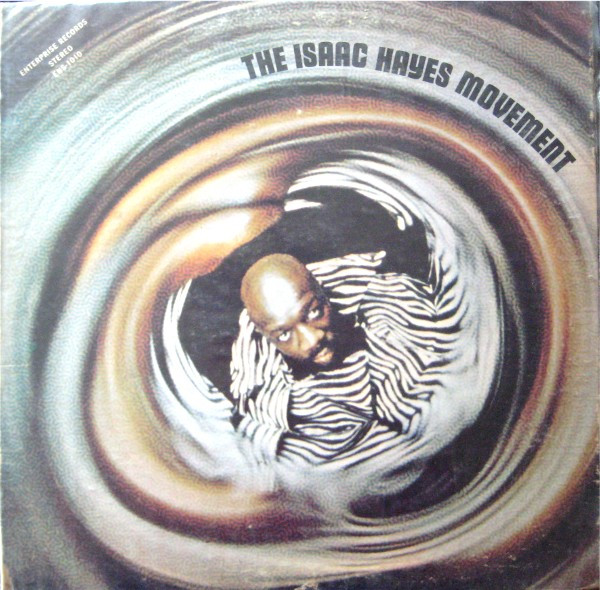
The Isaac Hayes Movement
1970

Chocolate Chip
1975
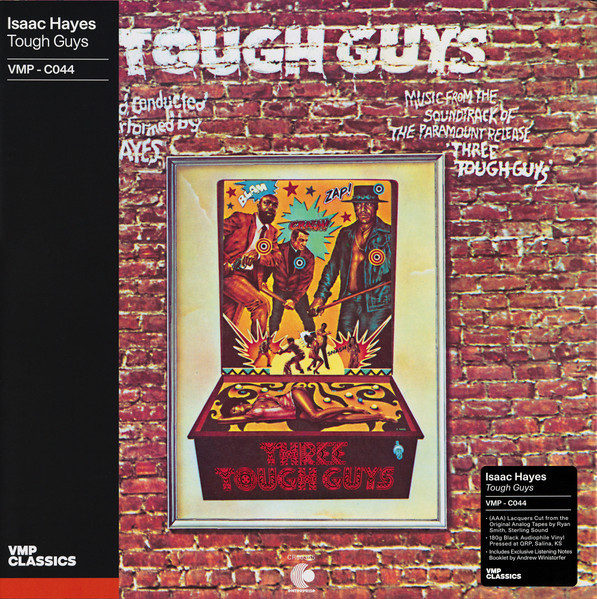
Tough Guys (Music From The Soundtrack Of The Paramount Release 'Three Tough Guys')
1974
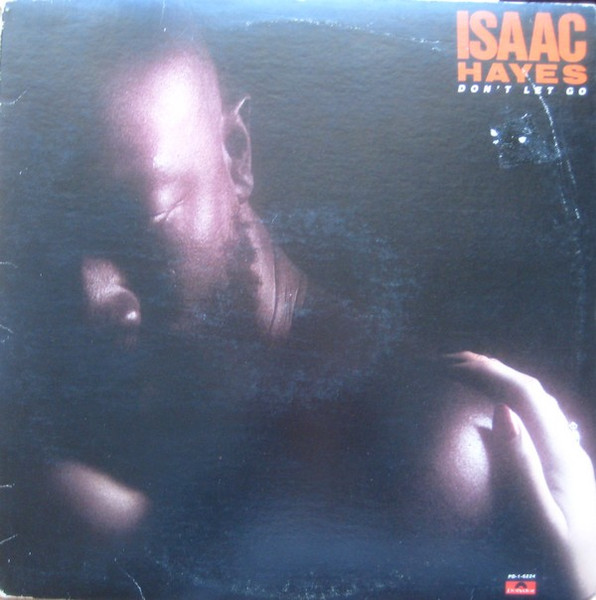
Don't Let Go
1979

Theme From Shaft
1971
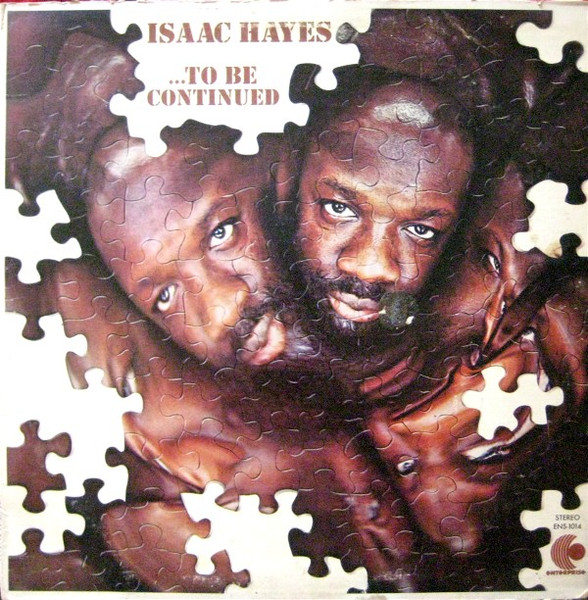
...To Be Continued
1970

Joy
1973

A Man And A Woman
1977

Presenting Isaac Hayes
1968
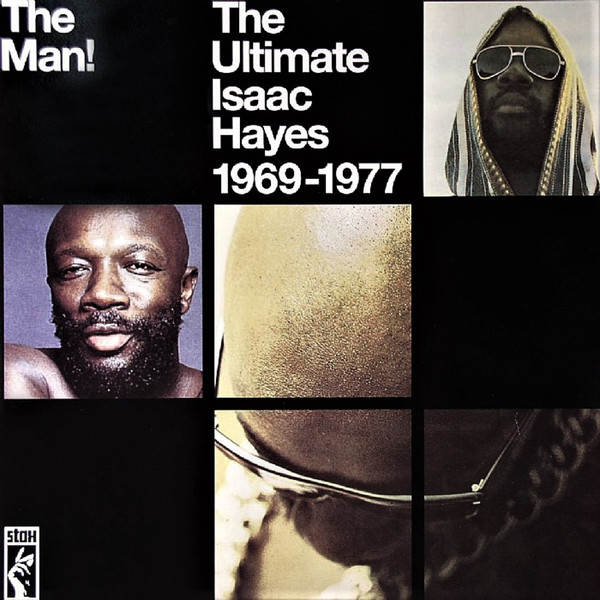
The Man!
2001

The Best Of Isaac Hayes
1974
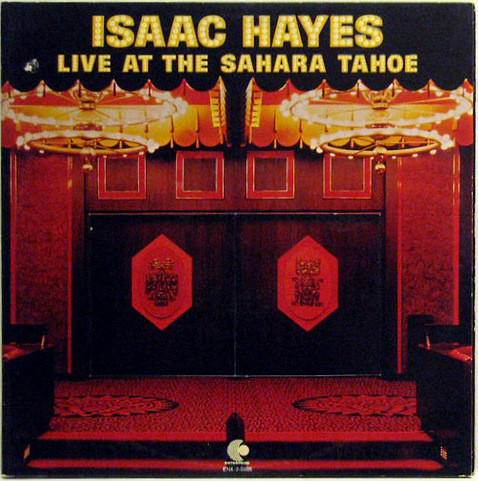
Live At The Sahara Tahoe
1973

Greatest Hit Singles
1982
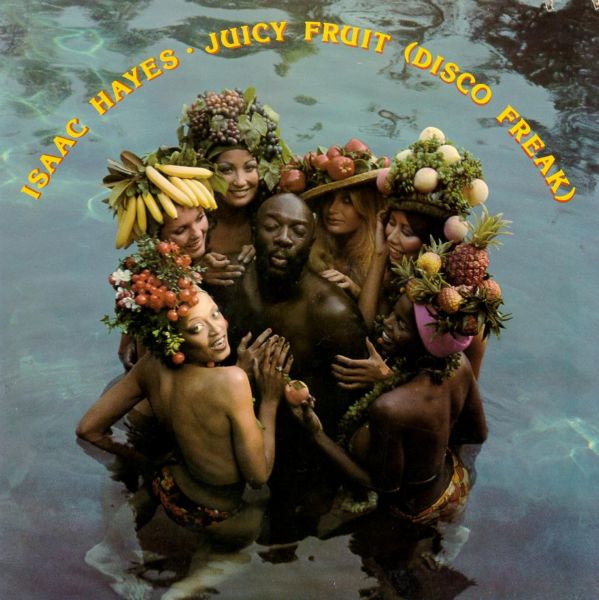
Juicy Fruit (Disco Freak)
1976

The Best Of Isaac Hayes
2025

Groove-A-Thon
1976
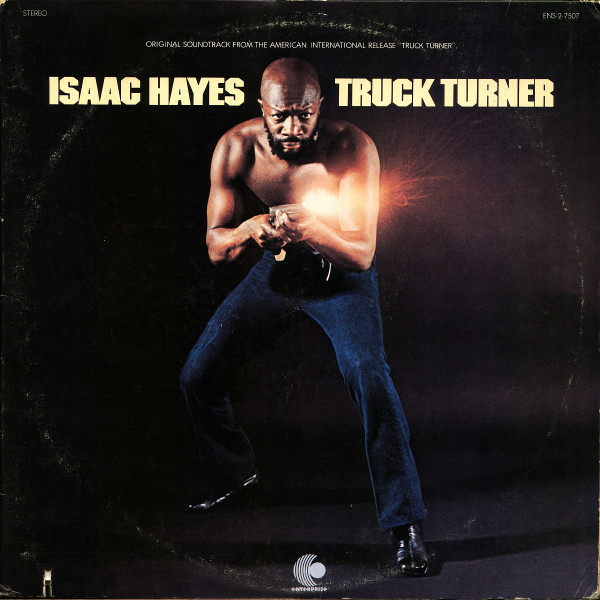
Truck Turner (Original Soundtrack)
1974
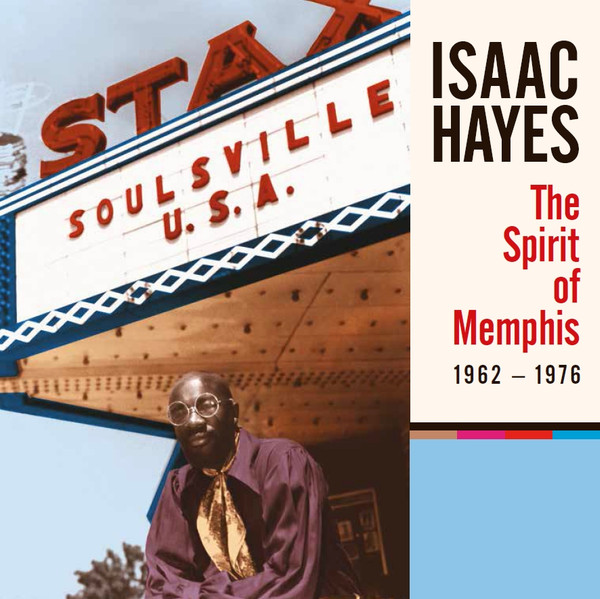
The Spirit Of Memphis (1962-1976)
2017

For The Sake Of Love
1978
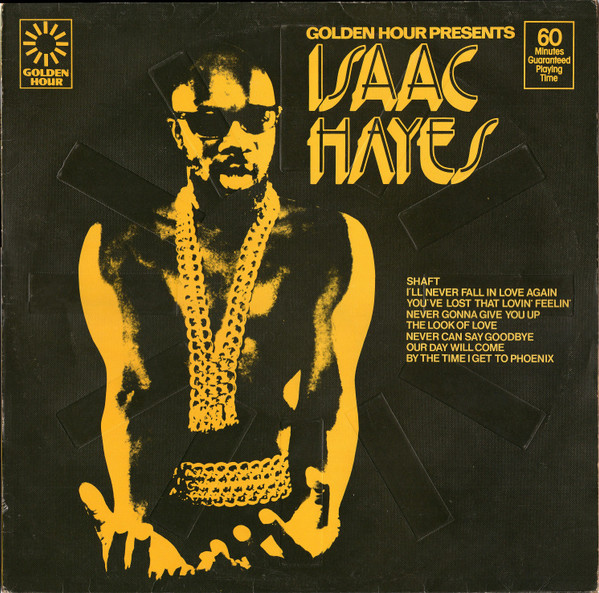
Golden Hour Presents Isaac Hayes
1976
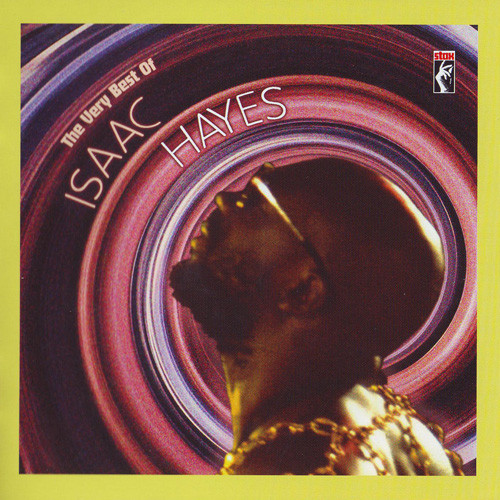
The Very Best Of Isaac Hayes
2007
Delaney & Bonnie
A project Isaac Hayes was part of.

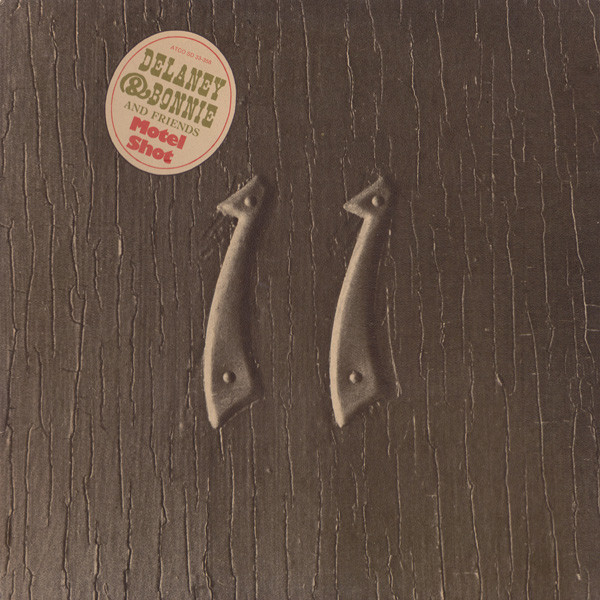

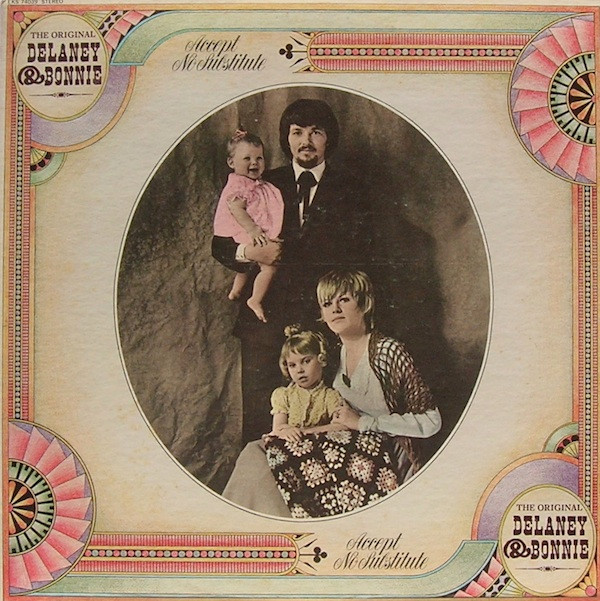
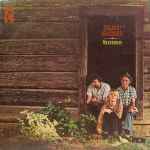
Isaac Hayes Movement
A project Isaac Hayes was part of.

The Mar‐Keys
A project Isaac Hayes was part of.
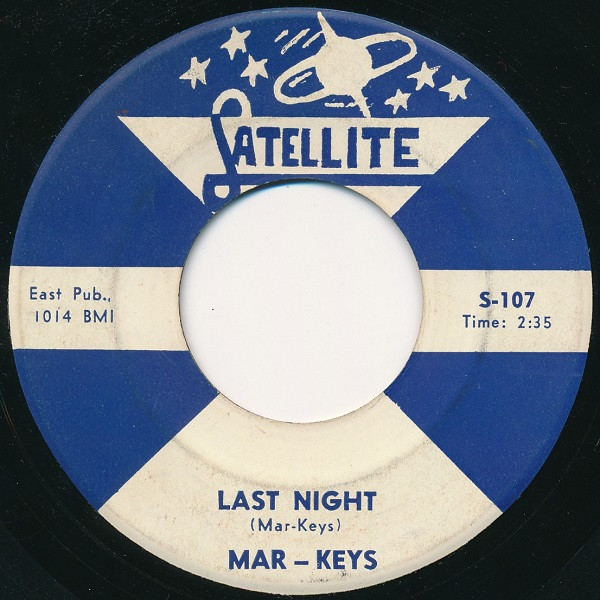

South Park
A project Isaac Hayes was part of. Former member.

Related artists
Around the web
Follow every record they touch.
Start your shelf and Gatefold tracks Isaac Hayes's new pressings, tour dates, and the whole discography — automatically.
Start your shelf →Free forever. Works with 10 records or 10,000.