
Artist
Johnnie Taylor
Crawfordsville, United States · 1934 – 2000
Johnnie Taylor is a musician from Crawfordsville, United States, active 1934–2000. Their discography on Gatefold includes 24 records.

38
Albums tracked
33
In collections
1934
Since
Biography
Replacing Sam Cooke in the Soul Stirrers in 1957 was practically career suicide for anyone else. Taylor stepped up to the microphone, swallowed Cooke's precise melisma whole, and then spent the next forty years proving he had more grit in his throat than Cooke ever wanted to show. When he landed at Stax in '66, Al Bell and the Memphis Horns didn't treat him like a pop crossover project. They ran him straight over Booker T. & the M.G.'s rhythm tracks, weaponizing that high, church-honed rasp on cheating anthems that dragged soul out of polite ballrooms and into gritty southern roadhouses. He was the ultimate southern soul pragmatist. When Stax collapsed under financial ruin, Taylor didn't weep; he signed with Columbia, teamed up with Don Davis in Detroit, and cut the first platinum single in RIAA history with "Disco Lady." Purists hated the polish, but Taylor didn't care about hipster purity. He rode every commercial wave from gospel quartet circuits to disco floorfillers, finally settling into Malaco Records to invent modern Southern Soul blues for crowds who didn't give a damn about trends.
Bio from The Clerk
The Arc of Johnnie Taylor
The pivots — what forced Johnnie Taylor to reinvent.
The Stax Heavyweight
After cutting his teeth on Cooke's SAR imprint, Taylor signed to Stax in 1966 just as the label needed a raw, grown-man voice to cut through the mix. Backed by Booker T. & the M.G.'s and the Memphis Horns, he hit paydirt when Al Bell and Don Davis produced 1968's 'Who's Making Love' using a tight, urgent groove to rescue the label from near-ruin. The music across records like Taylored in Silk was razor-sharp southern blues wrapped in horn charts and bitter infidelity. He sang like a man who knew the backdoor was unlocked, setting the benchmark for deep Memphis soul.
The Platinum Funk Pivot
With Stax sliding into bankruptcy, producer Don Davis took Taylor to Detroit and Los Angeles, cutting ties with the Memphis grit for the lavish gloss of Columbia Records. In 1976 they dropped Eargasm, driven by bass player Michael Henderson's hypnotic, low-slung groove on 'Disco Lady.' The track was a monster, moving two million copies and proving Taylor could out-groove the emerging club scene without losing his gospel edge. The late-70s run smoothed out the edges with slick strings and synth pads, prioritizing dancefloor cash over southern sweat.
The Malaco Blues Renaissance
When major-label disco money dried up in the early eighties, Taylor walked straight into Malaco Records in Jackson, Mississippi, joining forces with Tommy Couch and Wolf Stephenson. Starting with 1984's This Is Your Night and peaking with 1996's Good Love, he ditched metropolitan trends to become the undisputed king of the Southern Soul circuit. The production leaned on clean keyboards, punchy brass stabs, and unashamedly blunt storytelling about working-class romance and backstreet love affairs. It was raw, unpretentious music built strictly for southern juke joints, keeping him on the road until his death in 2000.
Influences
- Sam Cooke — Cooke handpicked Taylor to replace him in the Soul Stirrers in 1957 and later signed him to his own SAR Records. Taylor lifted Cooke's yodel, phrasing, and smooth dynamic control, turning them inside out on SAR cuts like 'Rome (Wasn't Built in a Day)'. He took Cooke's velvet template and soaked it in gravel.
- The Soul Stirrers — Taylor toured the gospel circuit throughout the late fifties as their front-line lead singer. The group's hard-gospel call-and-response dynamics and ad-libbed church fervor formed the core engine of his vocal delivery. You hear that pulpit projection cracking the top notes on 'Wanted: One Soul Singer'.
- B.B. King — Taylor repeatedly credited King's early Memphis modern blues recordings with shaping his vocal phrasing and timing against horns. That slow-burn blues cadence and conversational lead vocal anchor his entire 1969 Raw Blues LP. He treats his voice exactly like King treated a single-string guitar bend.
- Bobby "Blue" Bland — Bland established the template of pairing hard Texas-Tennessee blues shouts with sophisticated horn arrangements on Duke Records throughout the late 1950s. Taylor pulled Bland's famous guttural snort and dramatic dynamics directly into his own Stax-era deliveries. Listen to 'Cheaper to Keep Her' to hear Bland's blueprint at work.
- The Highway Q.C.’s — Taylor cut his first significant gospel lead vocals with this Chicago quartet in the early 1950s before moving up to the Soul Stirrers. The group's aggressive, street-level quartet harmonies taught him how to push past backing vocals without losing control. That training gave him the volume to out-sing Booker T.'s blasting brass sections a decade later.
Discography
Their records — most-collected first.
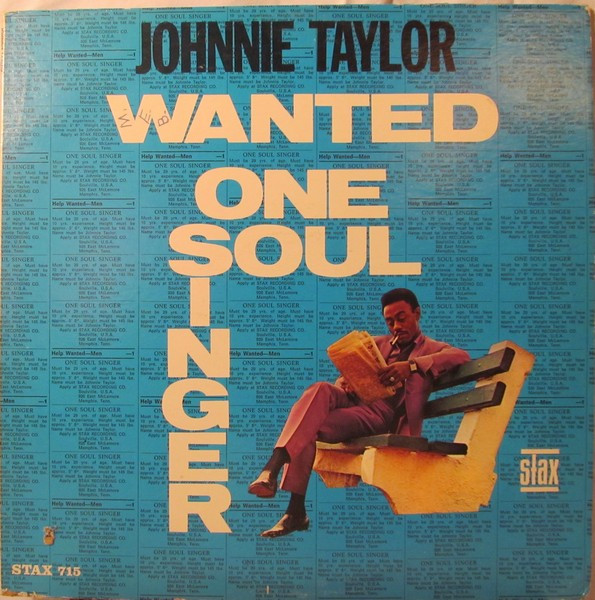
Wanted One Soul Singer
1967

Who's Making Love
1968
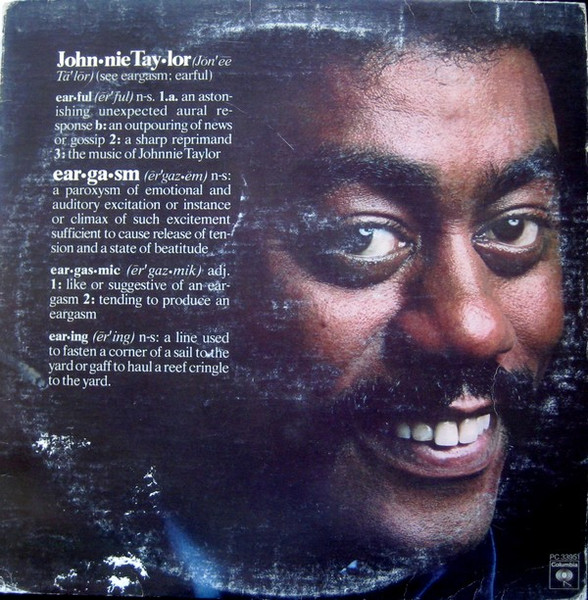
Eargasm
1976
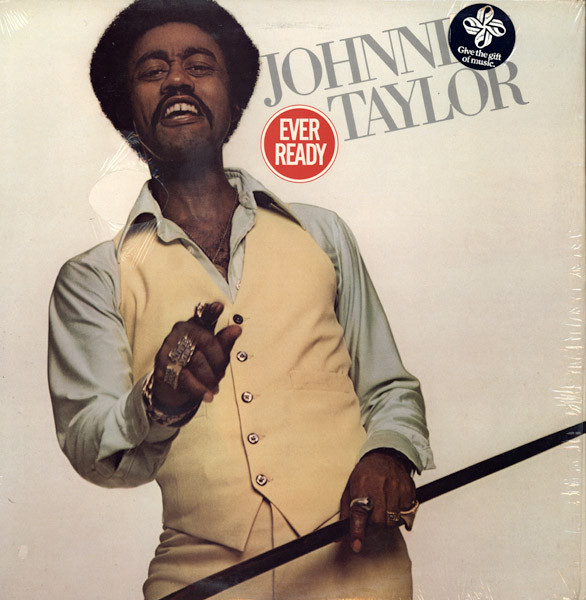
Ever Ready
1978
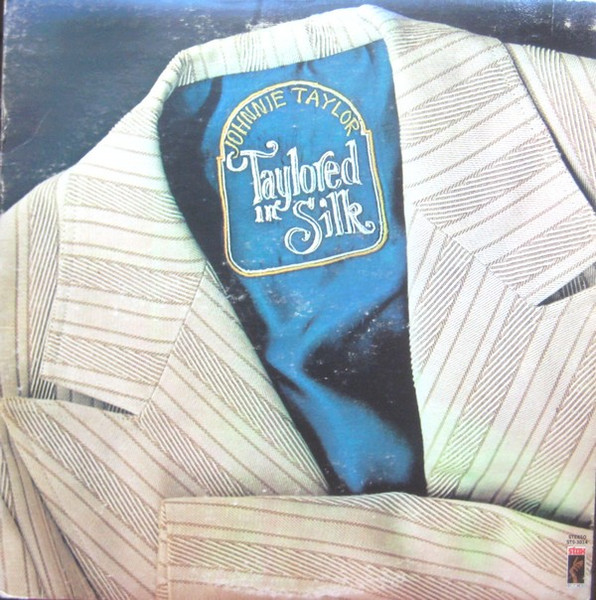
Taylored In Silk
1973
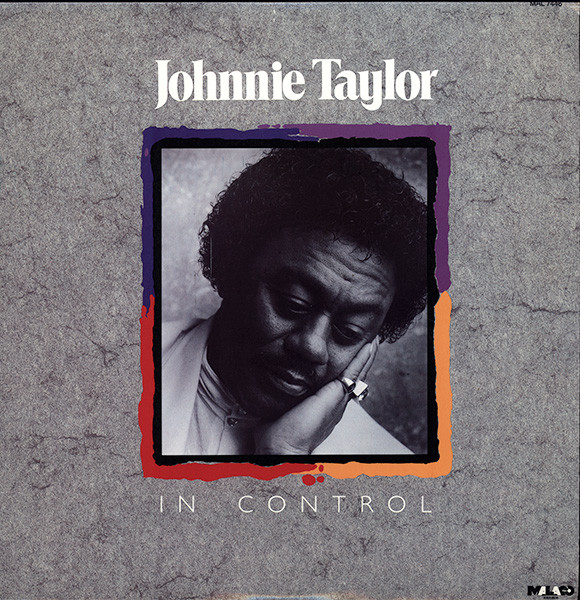
In Control
1988
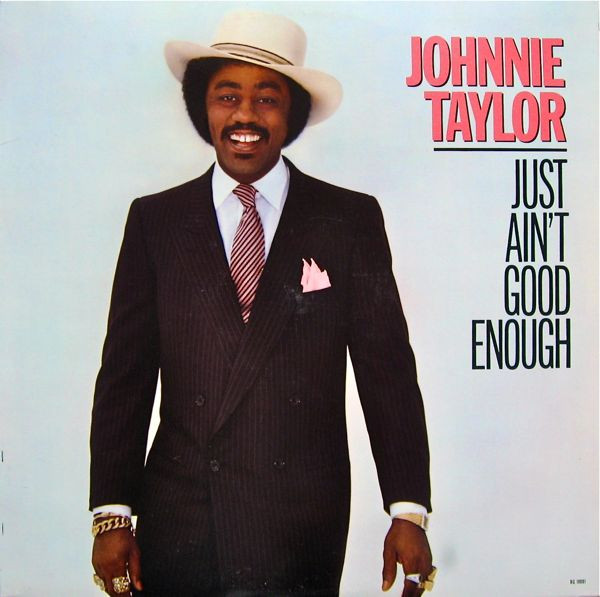
Just Ain't Good Enough
1982
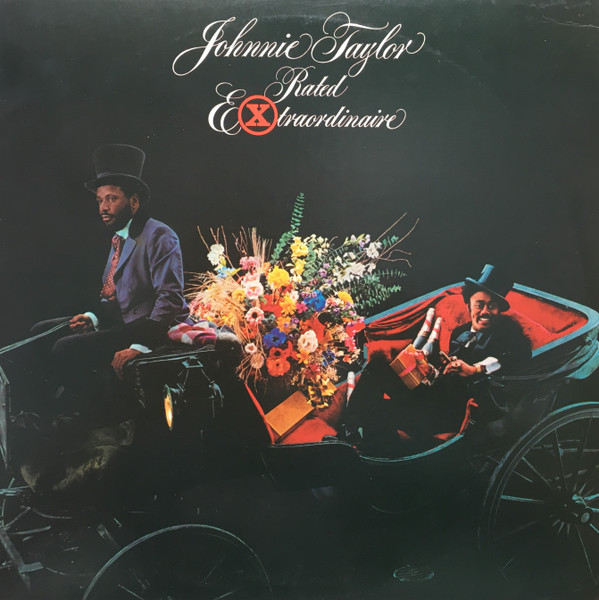
Rated Extraordinaire
1977

Disco 9000 (Original Soundtrack From The Motion Picture)
1977
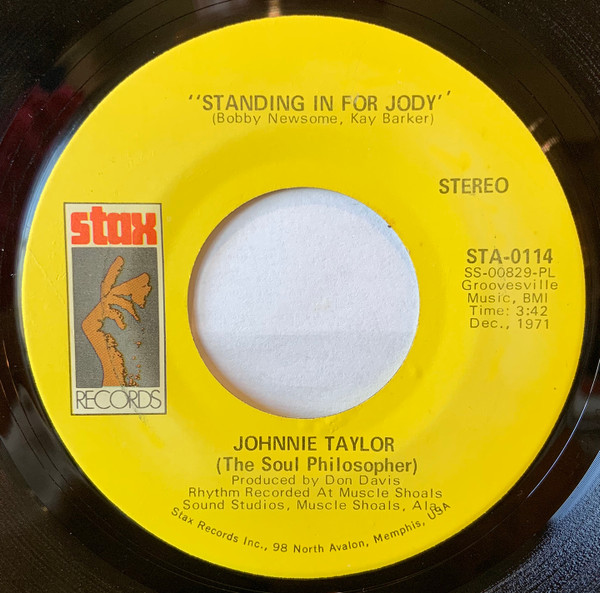
Standing In For Jody / Shackin' Up
1972

One Step Beyond
1970

Jody Got Your Girl And Gone / A Fool Like Me
1970

Raw Blues
1969
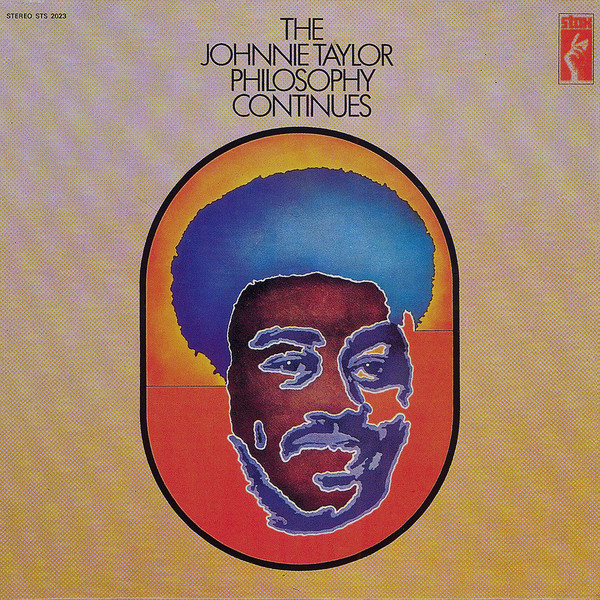
The Johnnie Taylor Philosophy Continues
1969

One Step From The Blues
2024
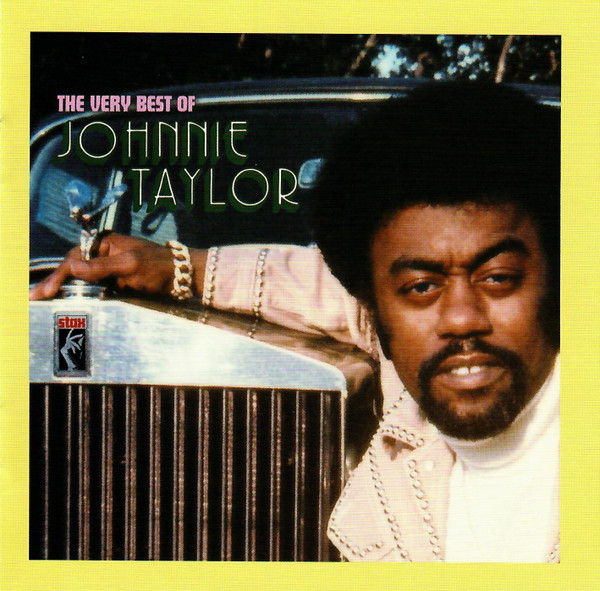
The Very Best Of Johnnie Taylor
2007

Live At The Summit Club
2007

Gotta Get The Groove Back
1999
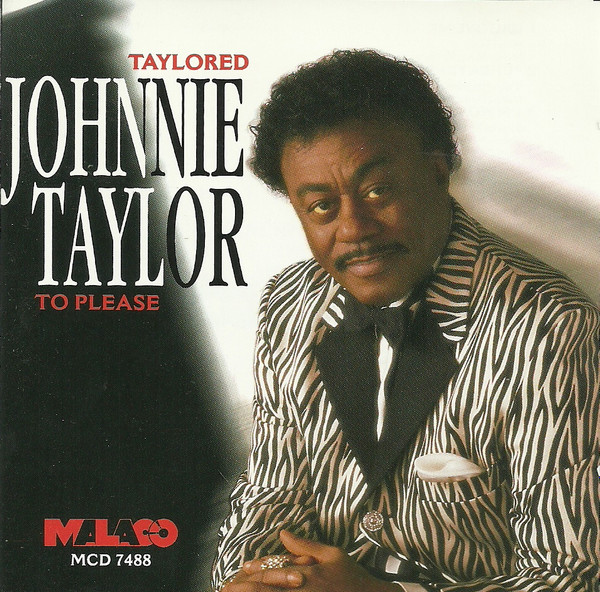
Taylored To Please
1998

Cheaper To Keep Her
1997
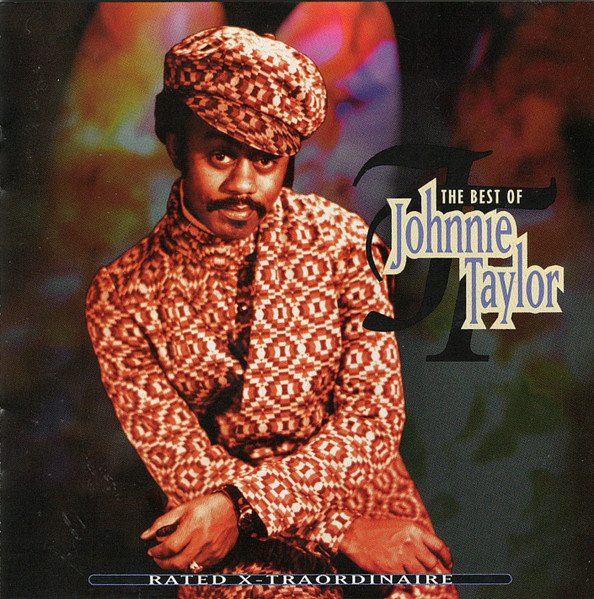
Rated X-Traordinaire: The Best Of Johnnie Taylor
1996
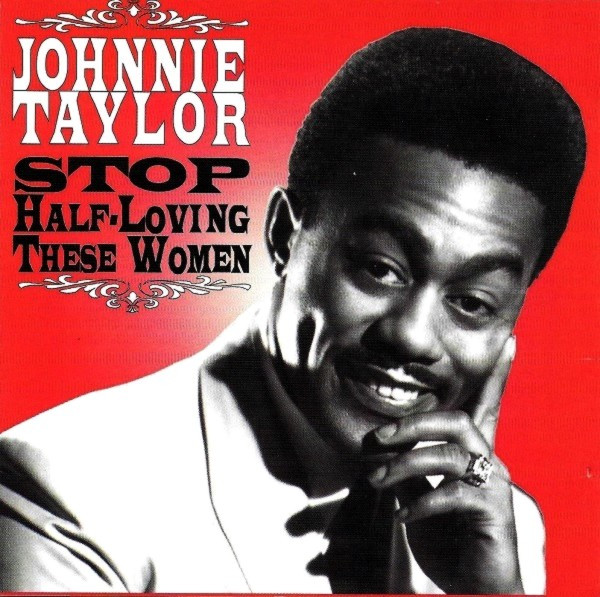
Stop Half Loving These Women
1996
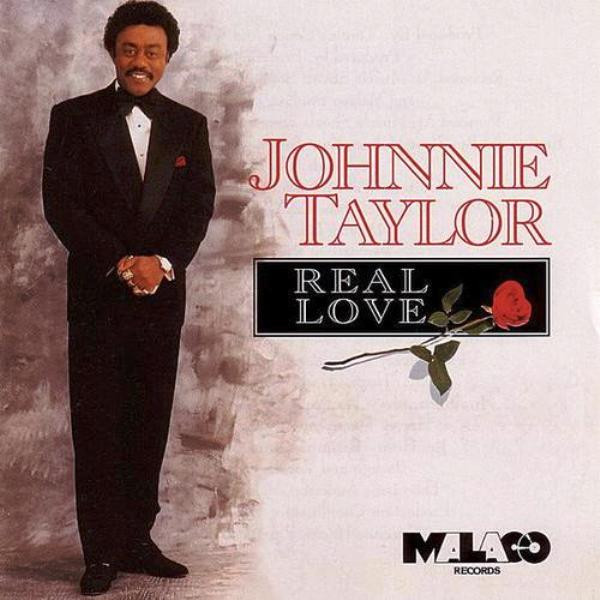
Real Love
1993
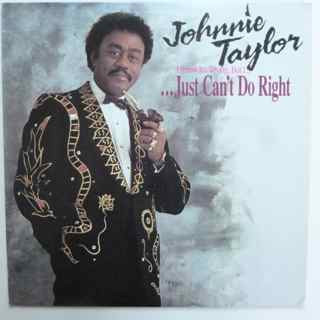
I Know It's Wrong But I ... Just Can't Do Right
1991
Related artists
Frequent collaborators
Around the web
Follow every record they touch.
Start your shelf and Gatefold tracks Johnnie Taylor's new pressings, tour dates, and the whole discography — automatically.
Start your shelf →Free forever. Works with 10 records or 10,000.