
Artist
ZZ Top
Houston, United States · Formed 1969
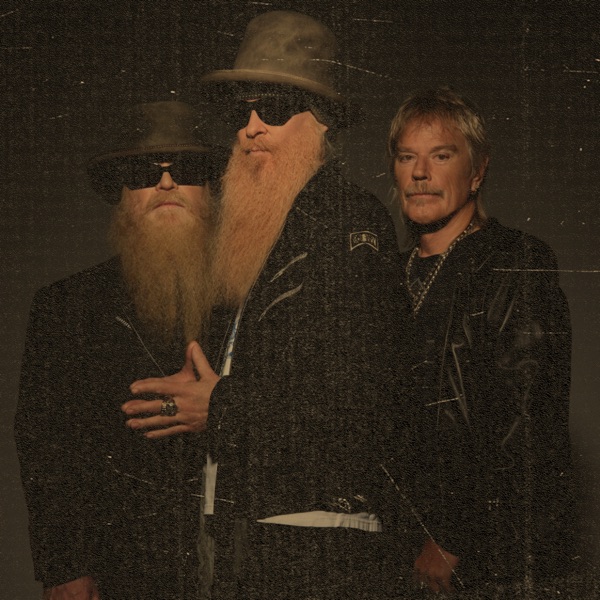
ZZ Top is a music group from Houston, United States, active since 1969. Their discography on Gatefold includes 24 records.
59
Albums tracked
661
In collections
1969
Since
Biography
Bill Ham grabbed three guys from Texas in 1969, stuck them in Robin Hood Brians' studio in Tyler with a single microphone on Billy Gibbons' cabinet, and told them to play the blues until they bled. That is the entire foundation. They did not need a bunch of gear because Gibbons had that heavy, greasy thumb-style pinch harmonic down before most guitarists knew what the hell it was. Dusty Hill and Frank Beard locked in like a single machine, laying down a groove so deep you could park a truck in it. Then the eighties happened, and they traded the organic sweat of Robin Hood Brians' studio for the cold, synthetic pulse of the Linden Hudson-engineered sequencers on Eliminator. Suddenly, the guys who wrote "La Grange" were driving a hot rod on MTV with a bunch of models and matching fuzzy spinning guitars. It made them richer than god, but it turned them into a cartoon that they spent the next two decades trying to claw their way out of. When they finally stripped away the MIDI garbage on La Futura with Rick Rubin in 2012, they sounded like three old bastards who had just crawled out of a Texas swamp again. It was the only time they ever truly recaptured the dirt.
Bio from The Clerk
The Arc of ZZ Top
The pivots — what forced ZZ Top to reinvent.
The Robin Hood Brians Era
Between 1970 and 1976, the band lived inside Robin Hood Studios in Tyler, Texas, running a 1959 Les Paul Standard directly into late-sixties Marshall Super Lead heads. Producer Bill Ham kept the arrangements raw and dirty, capturing three guys playing live in a room with almost no overdubs. This is where the band earned their keep on Tres Hombres and Fandango!, locking down a signature heavy-shuffle boogie that relied on Dusty Hill's driving bass and Gibbons' thick, overdriven tone. You can hear the wooden floorboards vibrating on "La Grange" and "Beer Drinkers & Hell Raisers" before the band went on a three-year hiatus to escape the touring grind.
The Sequencer Shift
By 1981's El Loco, stage manager and synthesist Linden Hudson showed up with a custom-built synth rig and convinced the band to experiment with electronic tempos. Dusty Hill and Frank Beard practically vanished from the tracking room during the Eliminator sessions in Houston, replaced by programmed Oberheim DMX drum machines and Moog basslines. The result was a massive commercial juggernaut that redefined early-eighties MTV culture but stripped the band of their live, greasy feel. The synthetic sheen peaked with Afterburner, an album that sounded more like a software launch than a Texas roadhouse.
The Raw Return
After the synthetic bloat of Recycler and Antenna, the band walked into Ardent Studios in Memphis in 1996 to record Rhythmeen with the absolute bare minimum of gear. Billy Gibbons banned the synthesizers, cranked up a heavily distorted, low-tuned guitar, and let Hill and Beard play live in the room again. The album is an ugly, heavy, detuned sludge-blues record that shocked the casual fans who only knew them from "Legs." It did not sell millions of copies, but it proved the three of them could still play with some real teeth.
Influences
- Freddie King — Billy Gibbons took his aggressive, stinging lead style directly from King's early Federal Records instrumentals. ZZ Top covered King's "Going Down" for years in their live sets, using his signature aggressive thumb-and-finger picking technique. You can hear that exact sharp, bite-heavy attack all over "Tush."
- Lightnin' Hopkins — Gibbons met Hopkins as a teenager and spent hours watching the bluesman's idiosyncratic, loose-time guitar playing in Houston. ZZ Top explicitly paid tribute to him on "Apologies to Pearly" from Rio Grande Mud. The heavy, solo acoustic slide work on that track is a direct lift of Hopkins' signature Texas dirt.
- John Lee Hooker — The entire groove of "La Grange" is an uncredited, direct adaptation of Hooker's classic boogie-driven 1948 track "Boogie Chillen." ZZ Top took Hooker's signature one-chord rhythmic drone, amplified it through a stack of Marshalls, and built their career on it. It is the most famous guitar riff in Southern rock, and it belongs entirely to Hooker.
- Howlin' Wolf — Dusty Hill's gruff, throat-shredding vocal delivery on tracks like "Beer Drinkers & Hell Raisers" is a direct imitation of Chester Burnett's ferocious roar. The band regularly covered "Dust My Broom" and "Spoonful" in their early club days before signing to London Records. The sheer volume and menace of Wolf's Chess Records rhythm sections paved the way for the band's massive, heavy-boogie trio sound.
- Jimi Hendrix — Before forming ZZ Top, Gibbons played in The Moving Sidewalks and opened for Hendrix on his 1968 tour, where Hendrix famously gifted him a pink Stratocaster. Hendrix even went on The Tonight Show and named Gibbons one of America's best young guitarists. Gibbons took Hendrix's heavy use of controlled feedback and wah-wah pedal expression and injected it straight into the Texas blues framework of "Certified Blues."
Discography
Their records — most-collected first.
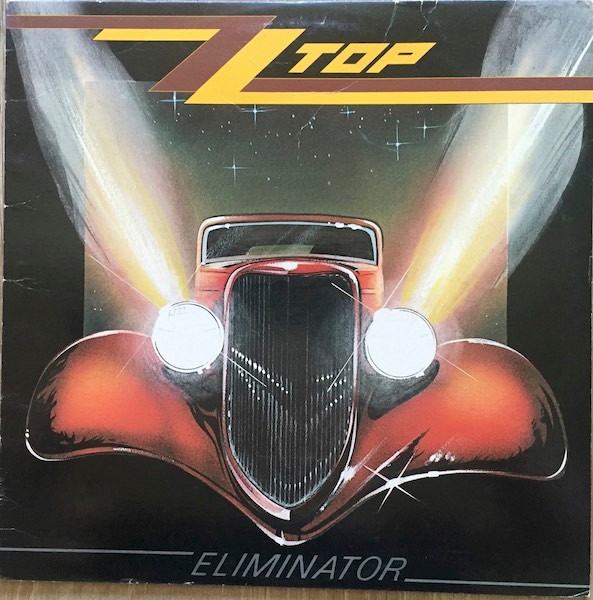
Eliminator
1983
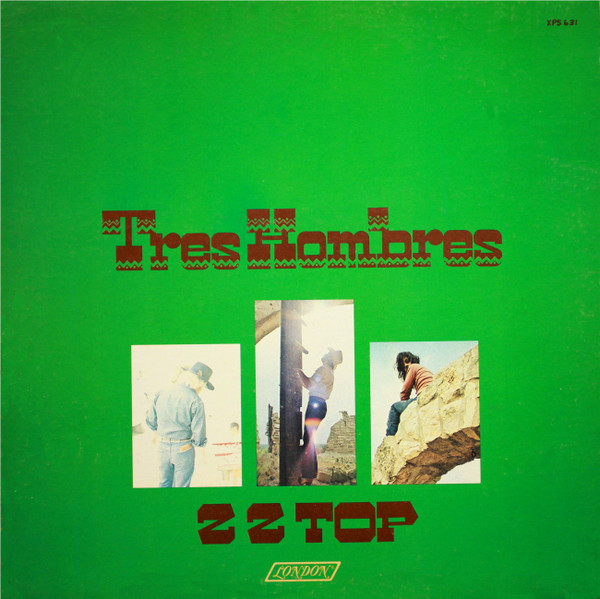
Tres Hombres
1973

Afterburner
1985
Degüello
1979
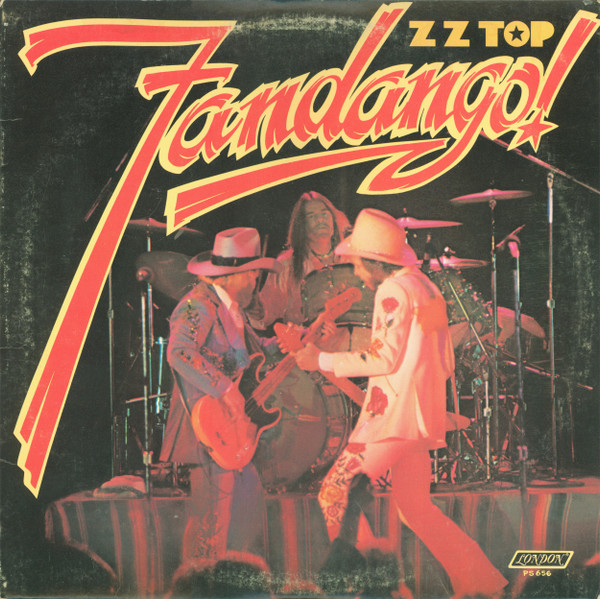
Fandango!
1975
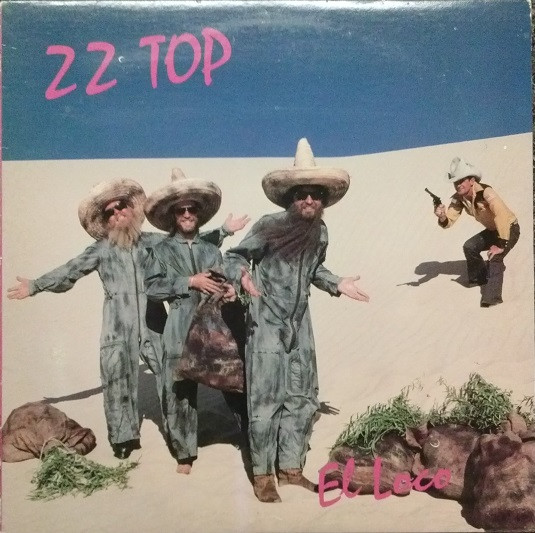
El Loco
1981
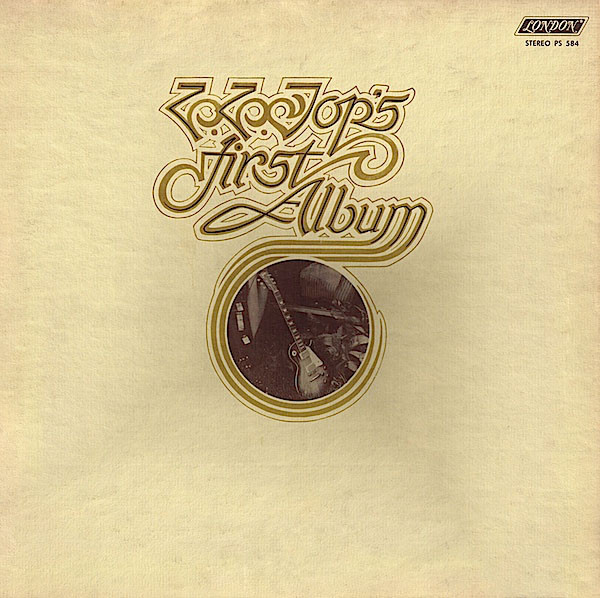
ZZ Top's First Album
1971

The Best Of ZZ Top
1977
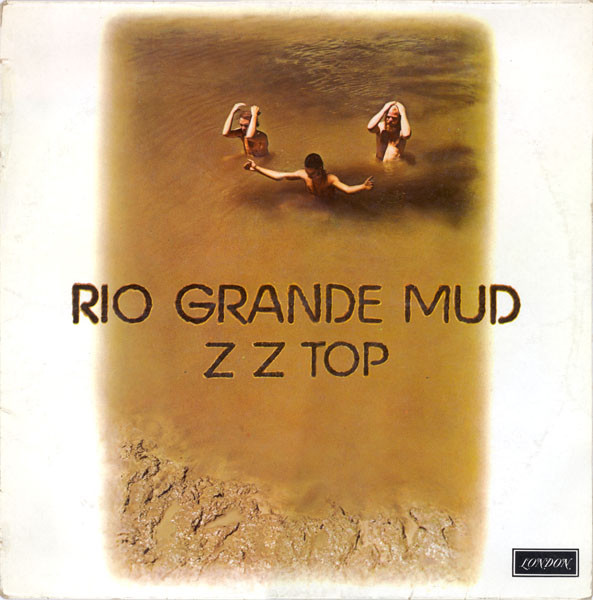
Rio Grande Mud
1972
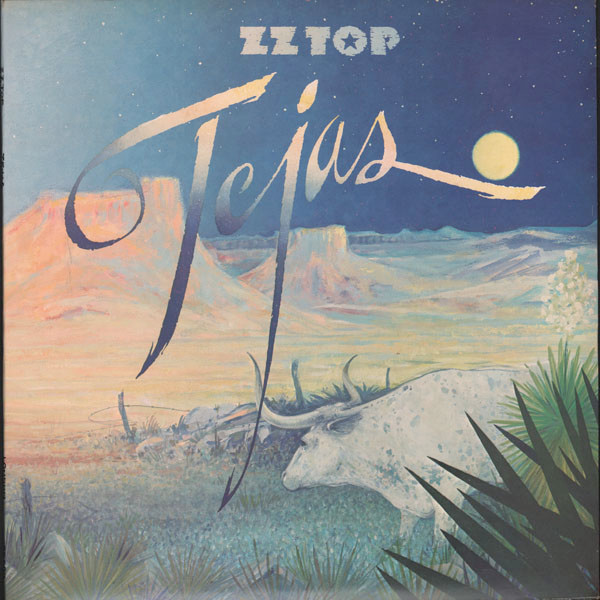
Tejas
1977
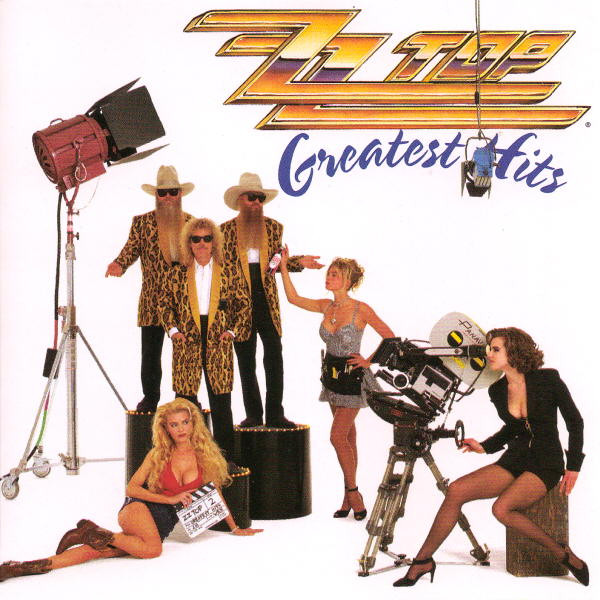
Greatest Hits
1992

Recycler
1990
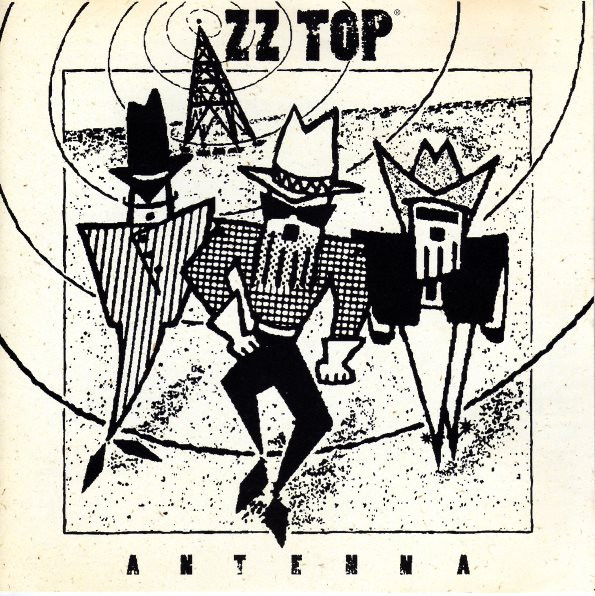
Antenna
1994
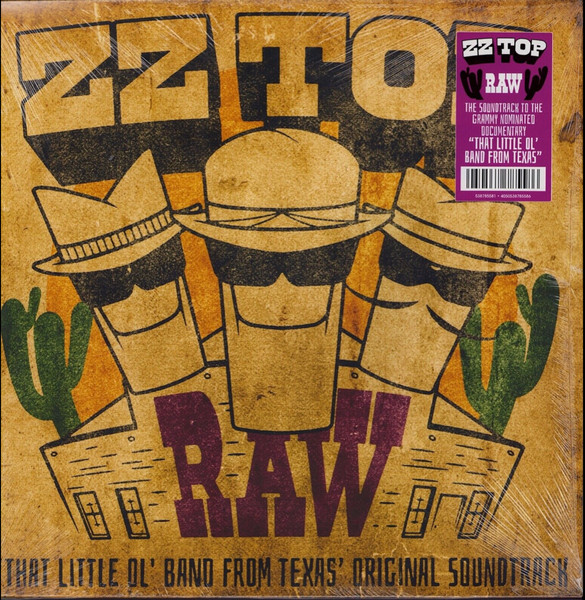
Raw ('That Little Ol' Band From Texas' Original Soundtrack)
2022
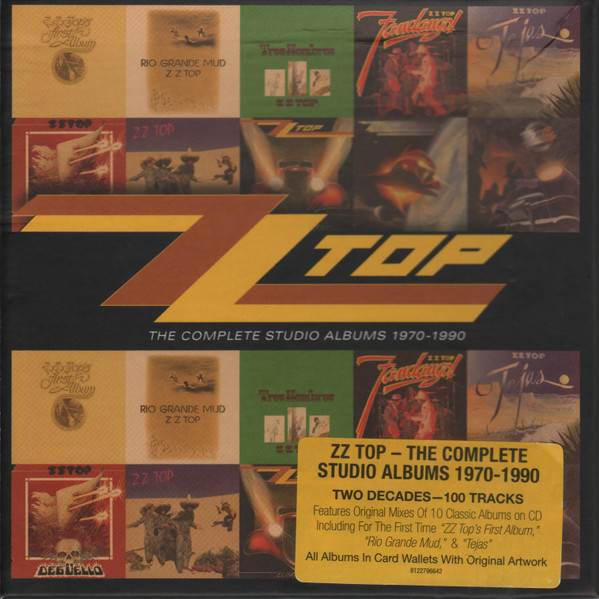
The Complete Studio Albums 1970-1990
2013
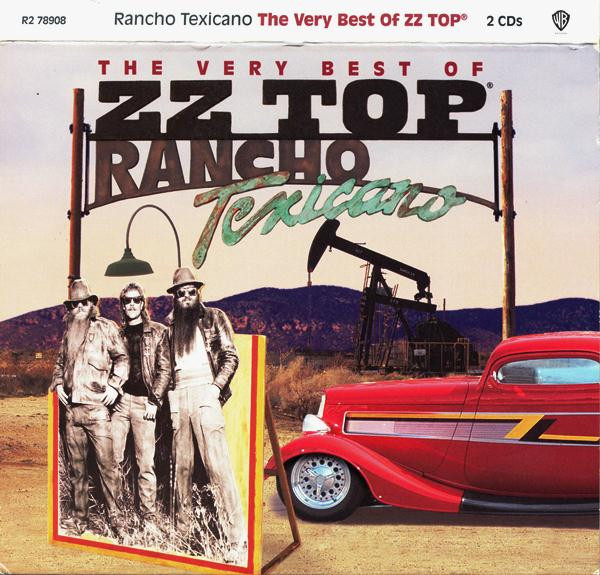
Rancho Texicano: The Very Best Of ZZ Top
2004

La Futura
2012
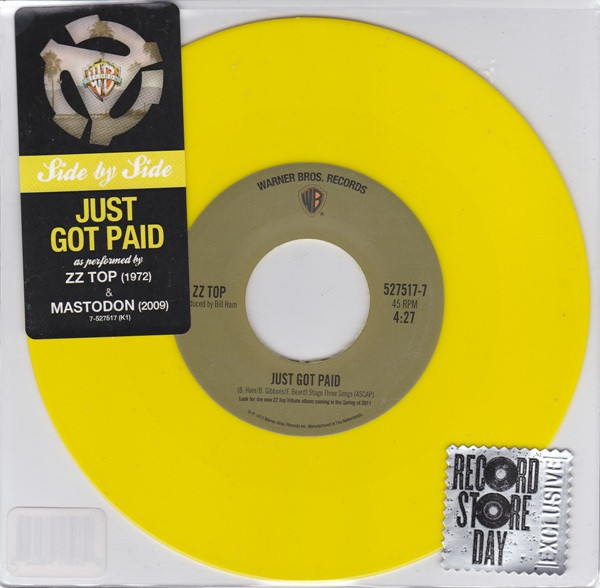
Just Got Paid
2011

Goin' 50
2019

Cinco (The First Five LPs)
2017
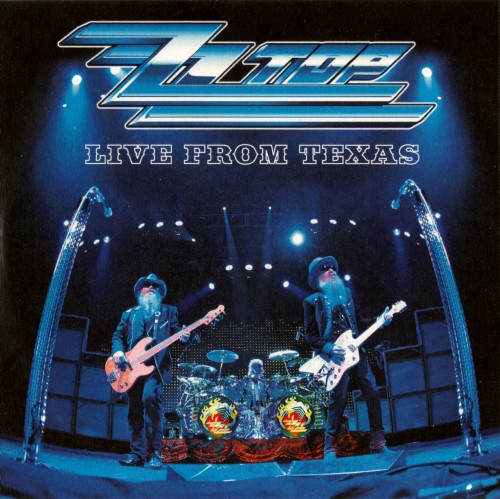
Live From Texas
2008
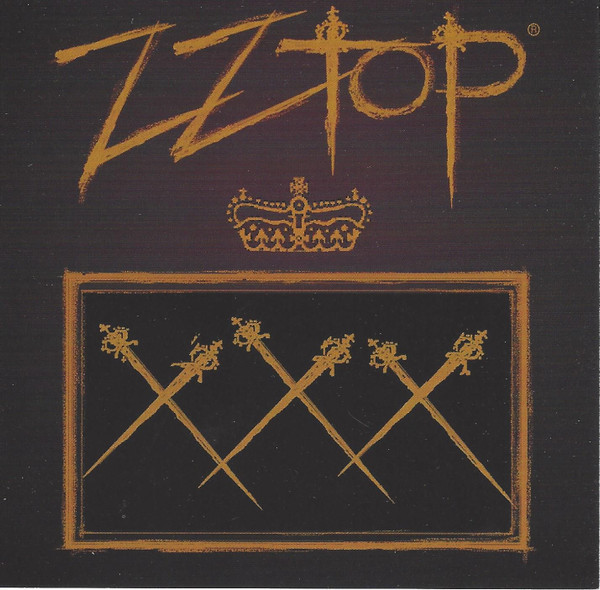
XXX
1999

Rhythmeen
1996
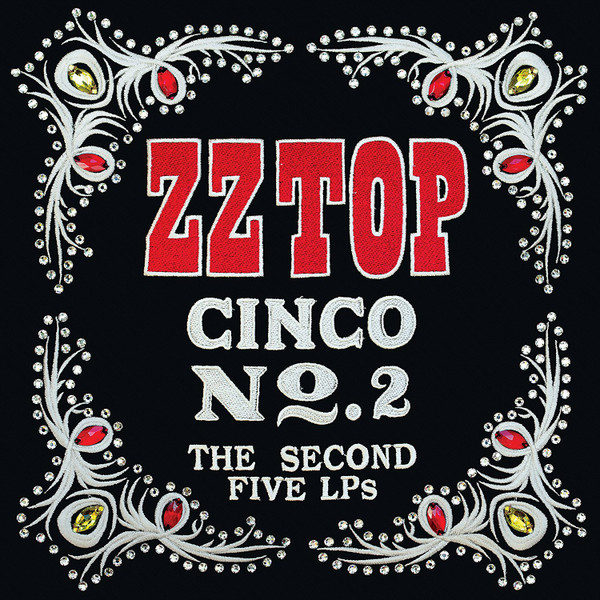
Cinco No. 2 (The Second Five LPs)
2018
Related artists
Around the web
Follow every record they touch.
Start your shelf and Gatefold tracks ZZ Top's new pressings, tour dates, and the whole discography — automatically.
Start your shelf →Free forever. Works with 10 records or 10,000.