
Artist
Earl Klugh
Detroit, United States · b. 1953
Earl Klugh is a musician from Detroit, United States, active since 1953. Their discography on Gatefold includes 24 records.
34
Albums tracked
58
In collections
1953
Since
Biography
Yusef Lateef stuck a fifteen-year-old kid on nylon string guitar into a Detroit session in 1970, and jazz snobs spent the next four decades whining about it. Earl Klugh refused to play a standard electric archtop with a heavy pick. He clung to classical acoustic guitars with bare fingers, leaning into clean, round attack while fusion was busy melting faces with distortion pedals. Blue Note handed him a contract in 1976, paired him with Larry Rosen and Dave Grusin, and watched him crank out breezy, precise chart-toppers that terrified straight-ahead purists. He got written off as dentist-office wallpaper when smooth jazz radio corporatized in the late eighties, but that take ignores the monstrous right-hand technique. The guy had steel-trap time and complex harmonic vocabulary hidden under those bright melodies. When he stripped away the gloss for solo dates or went toe-to-toe with monsters like George Benson and Bob James, you could hear the blood on the fretboard.
Bio from The Clerk
The Arc of Earl Klugh
The pivots — what forced Earl Klugh to reinvent.
The Blue Note Fingerstyle Takeover
After cutting his teeth touring with Return to Forever and George Benson, Klugh signed to Blue Note in 1976 and broke the mold for contemporary jazz guitar. Producer Dave Grusin framed Klugh's nylon strings with tight, syncopated rhythm sections on records like Living Inside Your Love and Finger Paintings. It was melodic pop-jazz executed with jaw-dropping classical precision rather than loud post-bop aggression. The purists hated the accessibility, but the records sold hundreds of thousands of copies on pure touch.
The High-Gloss Duets
By 1979, Klugh partnered with keyboardist Bob James for One on One, pivoting toward high-production crossover arrangements that swept the Grammys. He leaned heavily into orchestral overdubs and polished studio sheen on albums like Late Night Guitar and the 1987 George Benson summit Collaboration. The grit of his live playing was frequently buried under slick studio compression and strings. Still, his nylon-string solos remained ruthlessly articulate, keeping the music anchored against total commercial syrup.
The Unvarnished Wood
Sick of keyboard-heavy adult contemporary production, Klugh pivoted back to naked, acoustic-driven fundamentals starting with 1989's Solo Guitar. He stepped away from synth patches and drum machines, releasing records like Naked Guitar and HandPicked that put a single microphone on his fingers. Stripping away the smooth-jazz lacquer revealed just how ridiculously clean his chord-melody playing remained. It was a complete repudiation of the easy-listening label critics slapped on him for thirty years.
Influences
- Chet Atkins — Klugh saw Atkins on television at age thirteen and immediately dropped his plectrum to master thumb-and-finger picking. You hear that rapid country-fingerpicking thumb bounce underpinning every single rhythm track on Finger Paintings. Atkins showed him you could play nylon string without playing strictly classical music.
- Laurindo Almeida — Almeida's fusion of Brazilian classical guitar and West Coast jazz gave Klugh the technical vocabulary for solo nylon performance. You hear it across Solo Guitar, where Klugh adopts Almeida's exact balance of classical polyphony and jazz voicings. It is the direct source of his tone.
- Wes Montgomery — Montgomery proved that a guitar player could dominate pop charts using melodic hooks and warm, pick-less right-hand attack. Klugh ripped Wes's octave-playing style on tracks like 'Living Inside Your Love,' substituting flesh on nylon for Wes's thumb-on-archtop sound. The phrasing DNA is identical.
- Bill Evans — Klugh studied Evans's piano sheet music obsessively to figure out how to voice close-interval rootless chords on six strings. You hear Evans's impressionistic chord movement all over the ballads on Late Night Guitar. He played guitar like a jazz pianist working with ten fingers.
- Yusef Lateef — Lateef discovered Klugh playing in a Detroit music shop and invited the sixteen-year-old to play on his 1970 album Suite 16. That session forced Klugh into hard professional jazz environments before he even graduated high school. It was the stamp of legitimacy that opened every door that followed.
Discography
Their records — most-collected first.
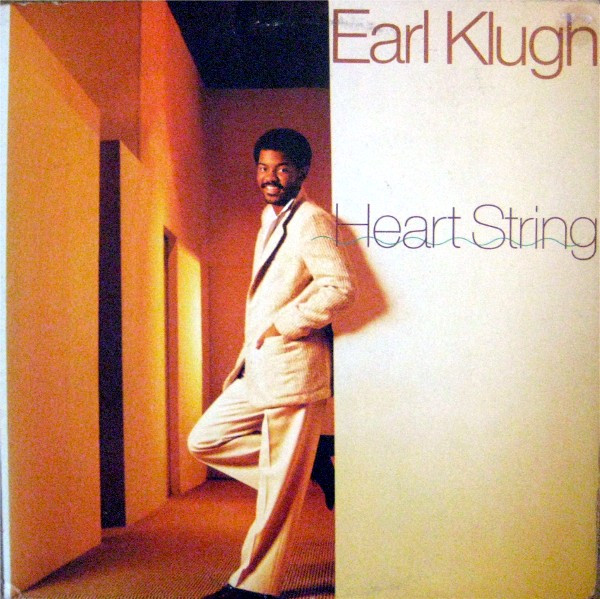
Heart String
1979
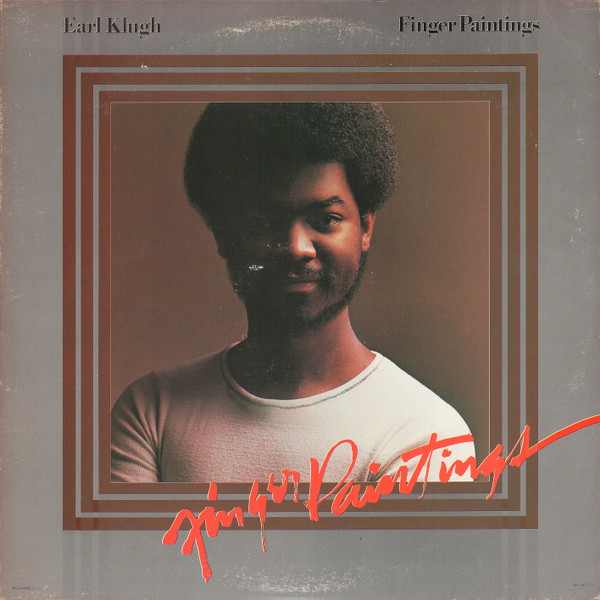
Finger Paintings
1977
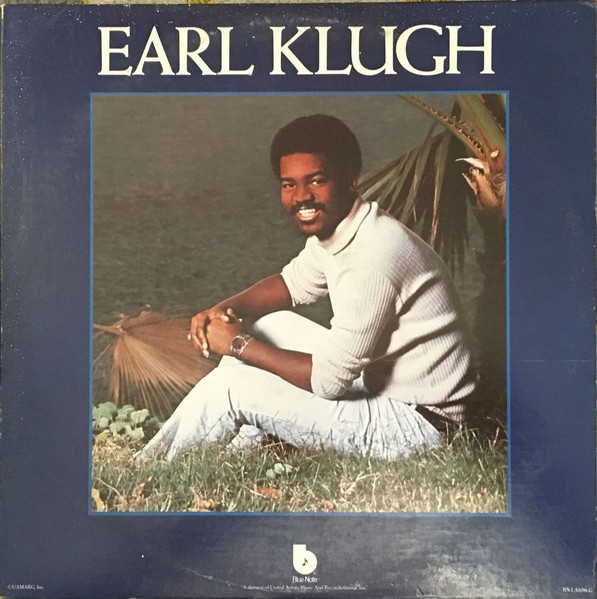
Earl Klugh
1976

Late Night Guitar
1980

Two Of A Kind
1982
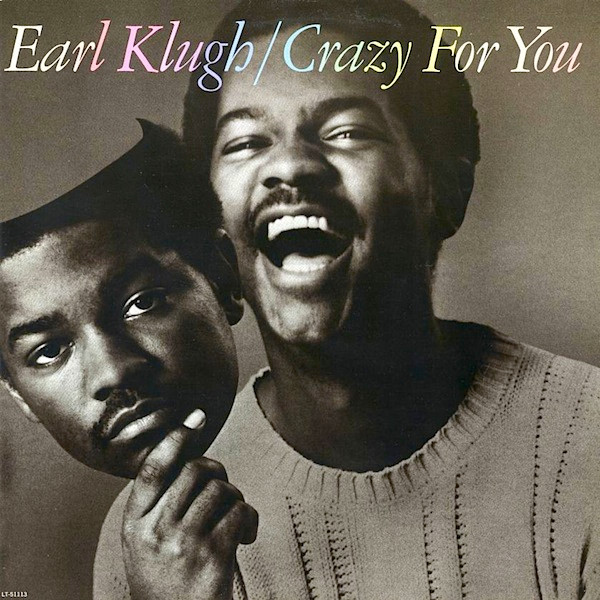
Crazy For You
1981
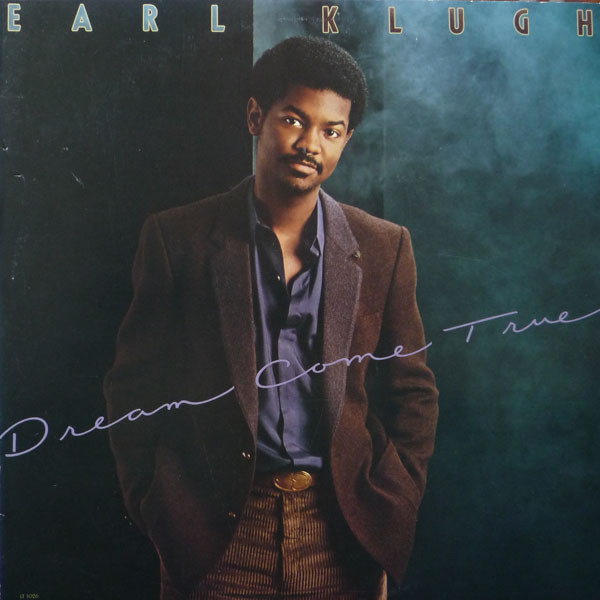
Dream Come True
1980
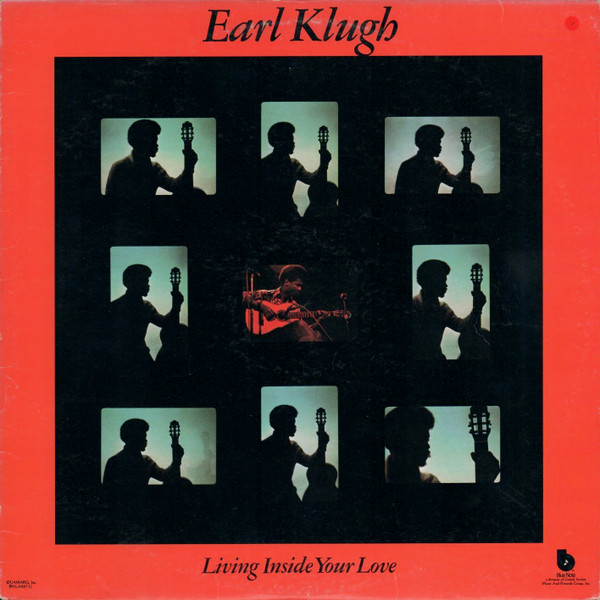
Living Inside Your Love
1976
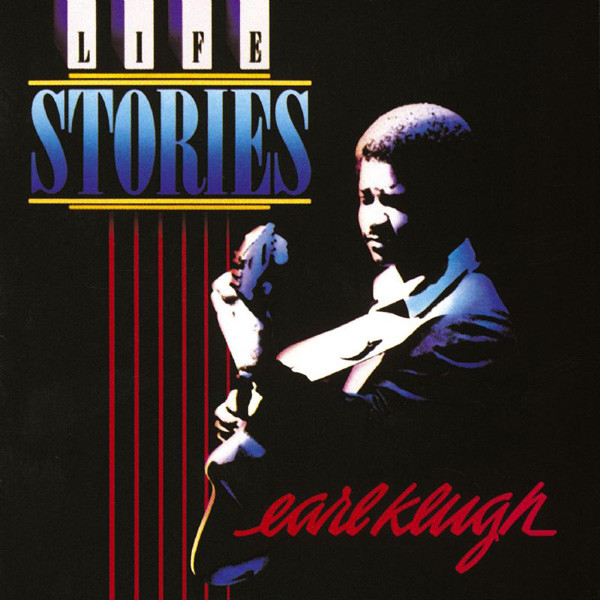
Life Stories
1986
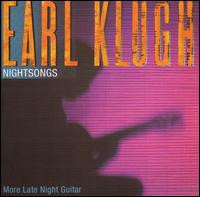
Nightsongs
1984
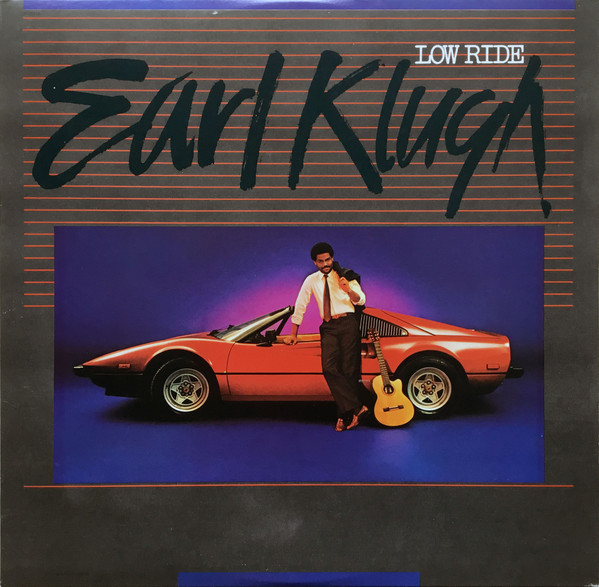
Low Ride
1983
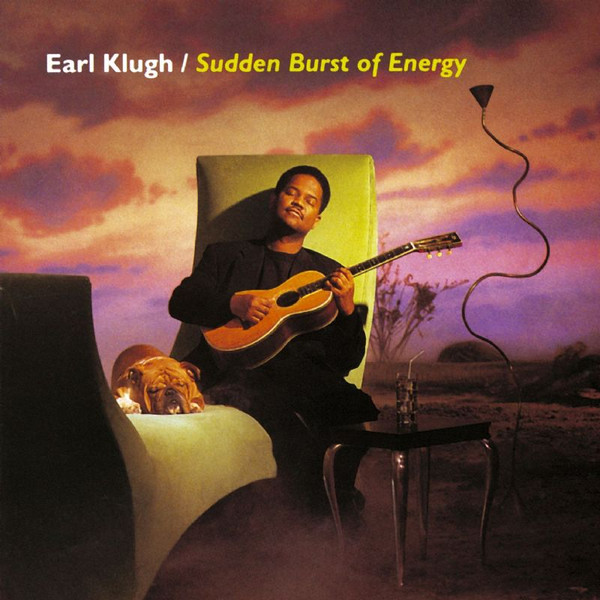
Sudden Burst Of Energy
1996

Solo Guitar
1989
Whispers And Promises
1989

Just Between Friends - Original Motion Picture Soundtrack
1986

Key Notes
1985
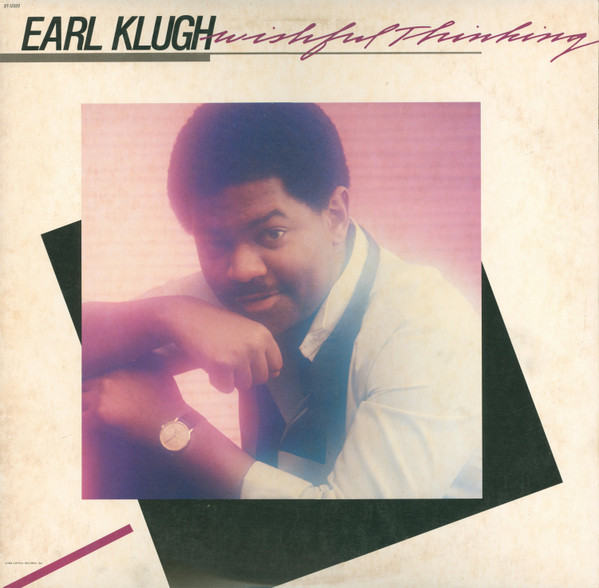
Wishful Thinking
1984
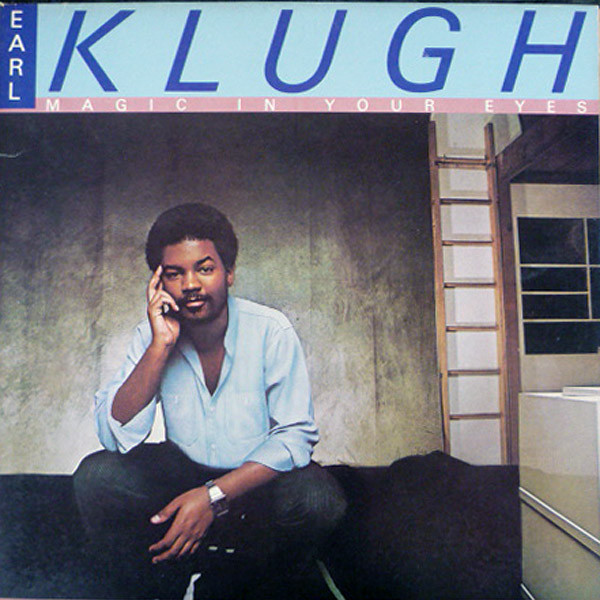
Magic In Your Eyes
1978

HandPicked
2013

Dream Come True / Crazy For You / Low Ride
2011

The Spice Of Life
2008

Music For Lovers
2006
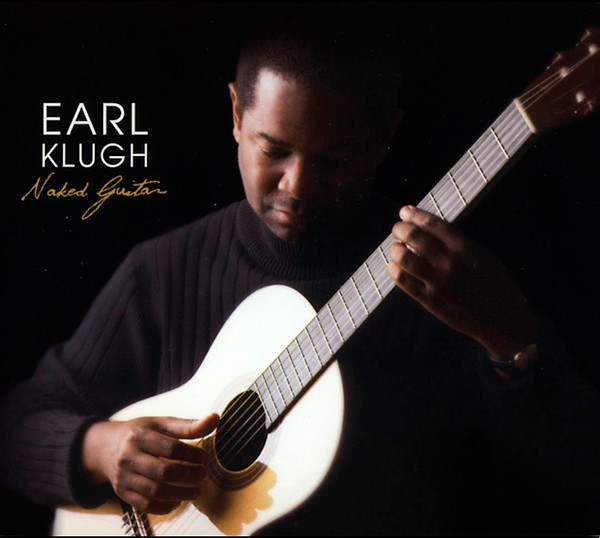
Naked Guitar
2005

Peculiar Situation
1999
Related artists
Bands & projects
Frequent collaborators
Around the web
Follow every record they touch.
Start your shelf and Gatefold tracks Earl Klugh's new pressings, tour dates, and the whole discography — automatically.
Start your shelf →Free forever. Works with 10 records or 10,000.