
Artist
Delaney & Bonnie
Los Angeles, United States · 1967 – 1972
Delaney & Bonnie is a music group from Los Angeles, United States, active 1967–1972. Their discography on Gatefold includes 6 records.

6
Albums tracked
12
In collections
1967
Since
Biography
Stax records didn't know what to do with a white couple from Mississippi and Illinois, so they sent them to Memphis to cut 'Home' with the M.G.'s and Isaac Hayes. Delaney was a Shindig! regular with a chip on his shoulder and Bonnie was the first white Ikette to ever back Ike and Tina Turner. They didn't have a polish or a gimmick, just a soul-shaking vocal blend that made every superstar in 1969 feel like a fraud. You can hear it on those early sessions—they weren't trying to sound like the South, they were the South, and they dragged the British blues elite into the mud with them. Everything changed when Eric Clapton heard 'Accept No Substitute' and realized he'd rather be a sideman in their band than the frontman of Blind Faith. Suddenly, the Bramletts were the center of a gravity well that sucked in George Harrison, Dave Mason, and the core of what would become Derek and the Dominos. It was a traveling circus of ego and talent fueled by heavy drinking and genuine spiritual fervor. When the dust settled, they’d changed the DNA of 70s rock, turning it from clinical blues-rock into that loose, gospel-drenched boogie that defined the decade.
Bio from The Clerk
The Arc of Delaney & Bonnie
The pivots — what forced Delaney & Bonnie to reinvent.
The Memphis Stax Experiment
Signed as the first white act on Stax, Delaney & Bonnie went to work with the house band of all house bands—Booker T. & the M.G.'s. 'Home' is the sound of blue-eyed soul stripped of any irony, recorded in the same room where Otis Redding tracked his hits. You hear the restraint of Donald 'Duck' Dunn’s bass lines holding down the Bramletts' raw, unbridled shouting. It wasn't a commercial smash, but it established the grit that caught the ears of the British invasion royalty.
The Clapton/Harrison Hijack
The 1969 tour for 'On Tour with Eric Clapton' turned a domestic duo into a sprawling, star-studded revue that almost moved too fast to capture on tape. George Harrison joined the fold to escape the death throes of The Beatles, learning slide guitar from Delaney while hidden in the back of the stage. The music became a massive, brass-heavy wall of sound that prioritized the groove over the individual soloist. This era effectively birthed the 'Friends' lineup, a revolving door of session legends like Jim Keltner and Bobby Keys who provided the template for Joe Cocker’s Mad Dogs & Englishmen.
The Leon Russell Fracture
By the time 'To Bonnie from Delaney' rolled around in 1970, the band's internal architecture was crumbling under the weight of the very people they helped make famous. Leon Russell poached the entire backing band for Joe Cocker’s tour, leaving the Bramletts to scramble with a shifting cast at Criteria Studios. The records became more eclectic and acoustic-focused, trading the big-band bombast for a frayed, intimate country-soul sound. You can hear the tension in the tracks—Delaney’s perfectionism clashing with the chaotic reality of a scene that was moving on without them.
Influences
- Ike & Tina Turner — Bonnie was a literal member of the Ikettes, the first white woman to hold the gig. You hear that relentless, high-octane R&B choreography in her vocal phrasing and the way she attacks a chorus. It’s the difference between singing soul and living in it.
- The Staple Singers — Pops Staples and his daughters provided the blueprint for the call-and-response gospel harmonies the Bramletts used to anchor their rock arrangements. Their influence is all over the spiritual heavy-lifting on 'Ghetto' and the devotional tone of their later work. They treated the stage like a pulpit.
- Ray Charles — Delaney frequently cited Brother Ray as the North Star for his approach to mixing country grit with sophisticated soul arrangements. The 'Friends' horn sections were a direct attempt to capture the swing and punch of the Raelettes-era big bands. You hear it in the brass stabs on 'Coming Home.'
- Little Richard — Delaney played guitar for the architect of rock and roll during the early 60s. That apprenticeship instilled a sense of frantic, holy-rolling energy that never left their live performances. It’s where that 'no-brakes' tempo on their uptempo tracks comes from.
- Sam & Dave — Their tenure at Stax put them in the direct orbit of the label's greatest soul duo, sharing producers like Isaac Hayes. The chemistry between Delaney and Bonnie was modeled on that high-stakes, sweat-soaked Memphis interplay. They weren't just singing together; they were competing for the mic.
Discography
Their records — most-collected first.

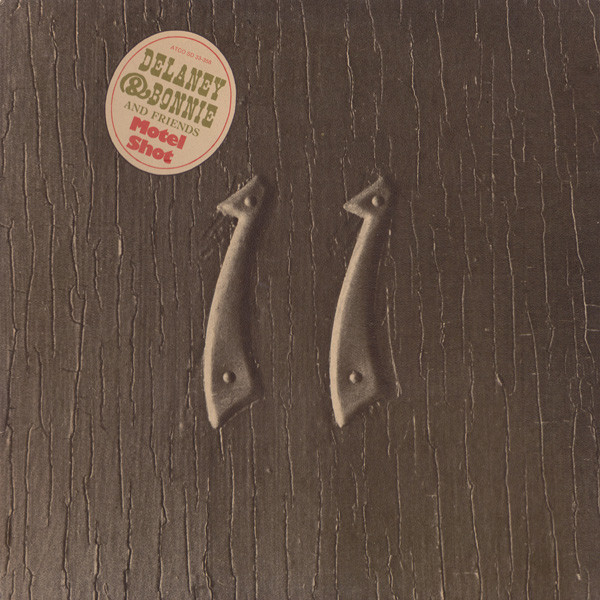
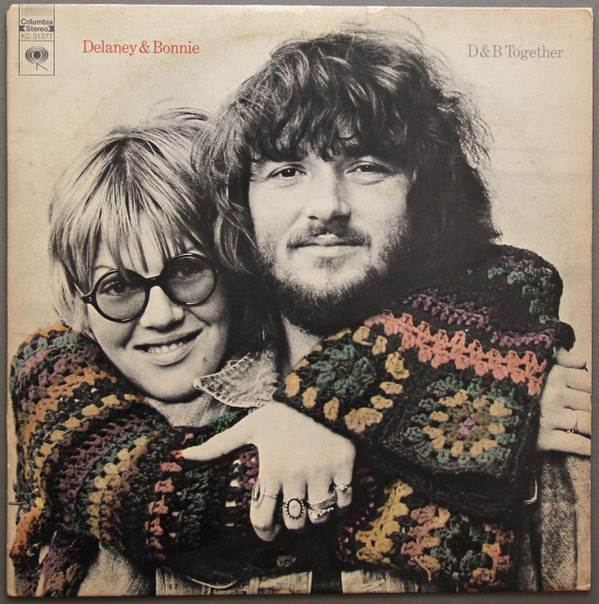

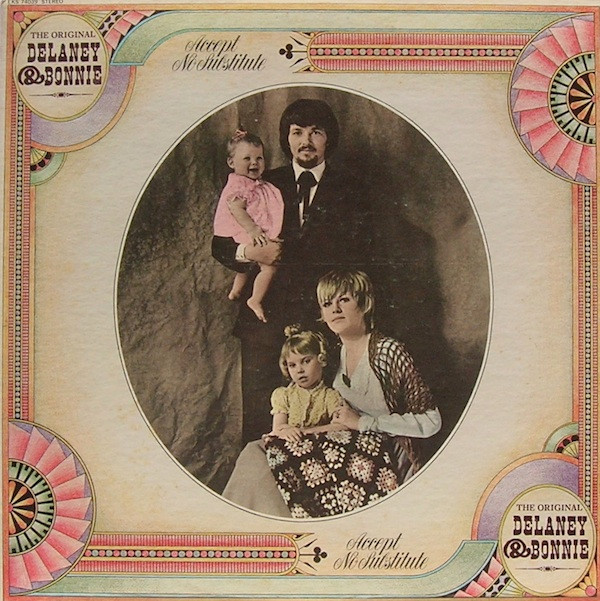
Related artists
Members
Frequent collaborators
Around the web
Follow every record they touch.
Start your shelf and Gatefold tracks Delaney & Bonnie's new pressings, tour dates, and the whole discography — automatically.
Start your shelf →Free forever. Works with 10 records or 10,000.