
Artist
Deep Purple
United Kingdom · Formed 1968
Deep Purple is a music group from United Kingdom, active since 1968. Their discography on Gatefold includes 24 records.

95
Albums tracked
754
In collections
1968
Since
Biography
Ritchie Blackmore was obsessed with Vanilla Fudge. He wanted that heavy, slowed-down organ grind and a drummer who could swing like a hammer. They spent the first few years as a psych-pop outfit covering Joe South and Neil Diamond because they hadn't found their own teeth yet. It took a while to realize they were holding a winning hand with Jon Lord’s Hammond C3 plugged directly into a Marshall stack, creating a distorted roar that terrified every other keyboardist in London. By the time they hit the early seventies, the band was a goddamn machine fueled by ego and volume. They weren't just playing loud; they were playing with a level of technical precision that made the rest of the hard rock scene look like amateurs. Blackmore and Lord would trade solos like they were trying to kill each other, while Ian Paice stayed behind the kit playing jazz fusion fills at a thunderous volume. It was brilliant until the internal friction turned into a revolving door of singers and guitarists that eventually bled the energy dry by the mid-seventies.
Bio from The Clerk
The Arc of Deep Purple
The pivots — what forced Deep Purple to reinvent.
The MK I Psych-Pop Experiment
Before the heavy riffs, the band was essentially a baroque pop project trying to find a lane in the post-Sgt. Pepper landscape. Rod Evans brought a crooner's sensibility that worked for Top 40 hits like Hush but couldn't keep up with the volume Blackmore was starting to crave. You hear a band caught between the mod scene and the future of metal, leaning heavy on orchestral flourishes and polished vocal harmonies that would be completely gutted within two years.
The In Rock Volley
Everything changed when Ian Gillan and Roger Glover walked into the room from the band Episode Six. They ditched the covers and the velvet suits to record In Rock, a record defined by Gillan’s banshee screams and a production style that felt like a punch to the throat. This was the birth of the MK II lineup, where the interplay between Lord’s distorted organ and Blackmore’s Stratocaster became the template for every heavy band that followed in the seventies.
The Burn of Funk and Soul
When Gillan and Glover quit, the band pivoted toward the bluesy, soulful grit of David Coverdale and Glenn Hughes. The additions brought a dual-vocal attack and a funk-inflected bass groove that felt miles away from the cold precision of Machine Head. Tracks like Burn and Sail Away show a band loosening up, trading the rigid structure of heavy rock for a swinging, R&B-influenced heaviness that Blackmore eventually grew to hate.
Influences
- Vanilla Fudge — Blackmore stated in multiple interviews that he wanted to be the 'British Vanilla Fudge' during the band's inception. You hear it in the heavy, slowed-down Hammond organ textures and the dramatic, elongated covers on the first three albums. They took the Fudge's blueprint and added a much sharper, more aggressive edge.
- The Jimi Hendrix Experience — Blackmore was a regular at the Bag O'Nails and watched Hendrix redefine what a Stratocaster could do in 1967. The feedback control and the aggressive whammy bar abuse in Deep Purple's live sets are a direct result of Blackmore absorbing Hendrix's stagecraft. It moved the band away from the session-player tidiness of their early days.
- The Nice — Keith Emerson’s work in The Nice showed Jon Lord how to integrate classical structures into a rock band framework. The massive, organ-driven 'Concerto for Group and Orchestra' doesn't happen without the precedent Emerson set for keyboardists as front-line soloists. It gave them the permission to be pretentious as hell while still being loud.
- The Shadows — Hank Marvin's clean, rhythmic guitar work was Blackmore's original obsession before he went dark. That precision and the heavy use of the tremolo arm can be traced back to Marvin's influence on every British kid in the early sixties. It's the reason Blackmore’s fast alternate picking was always so much cleaner than his peers.
- Little Richard — Ian Gillan basically built his entire vocal identity on the high-octane screams found on records like 'Tutti Frutti.' You can draw a direct line from Richard's frantic energy to the glass-shattering opening of 'Child in Time.' He took the 1950s rock and roll shriek and pushed it into the red until it became a heavy metal staple.
Discography
Their records — most-collected first.

Machine Head
1972
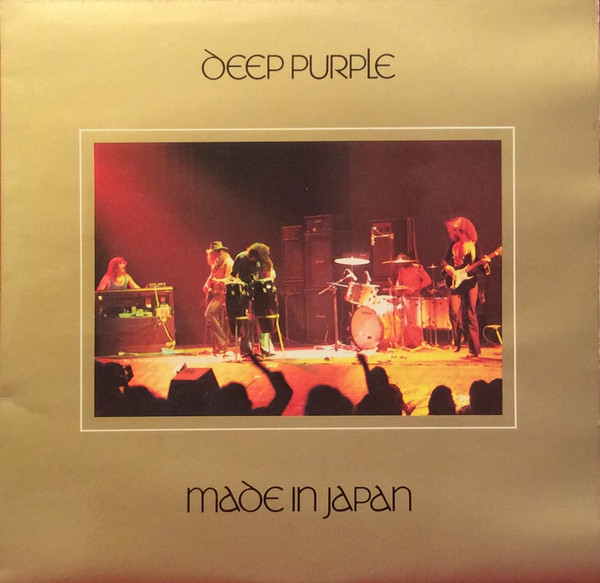
Made In Japan
1972
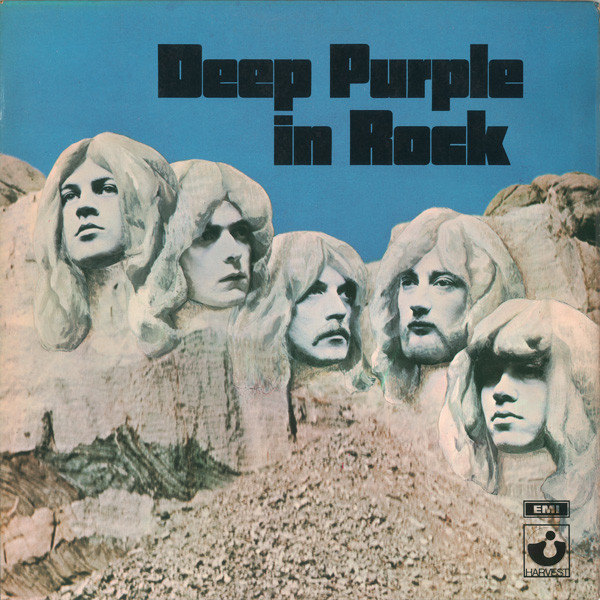
Deep Purple In Rock
1970
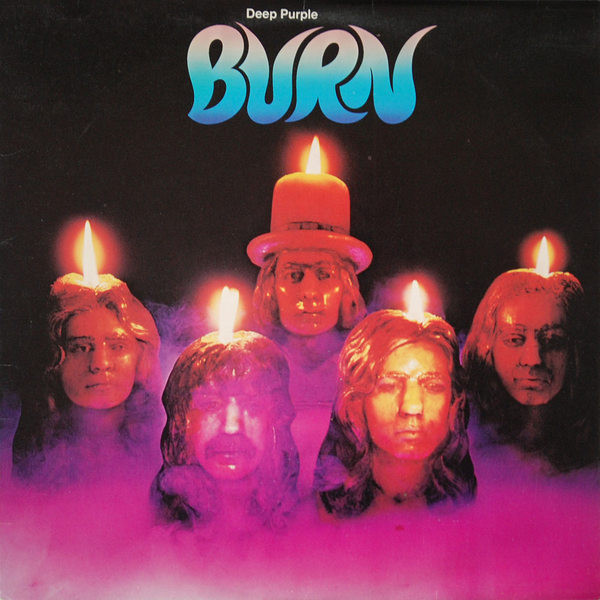
Burn
1974
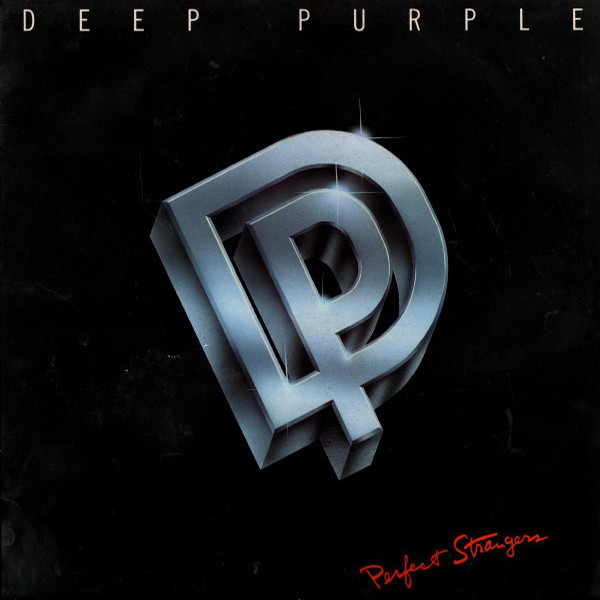
Perfect Strangers
1984
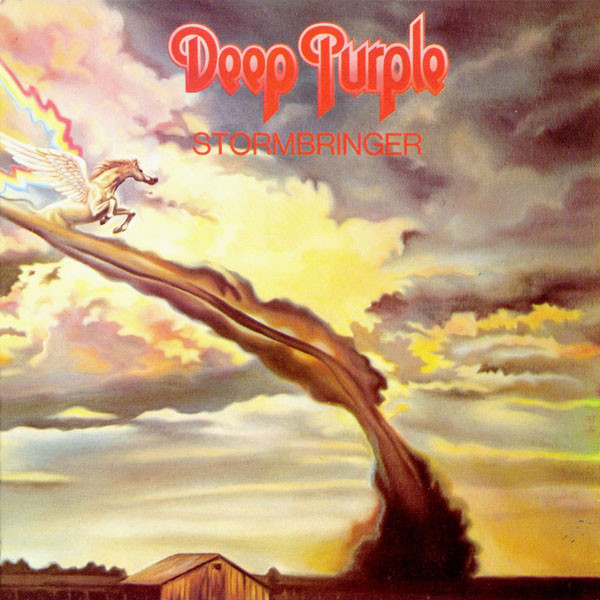
Stormbringer
1974
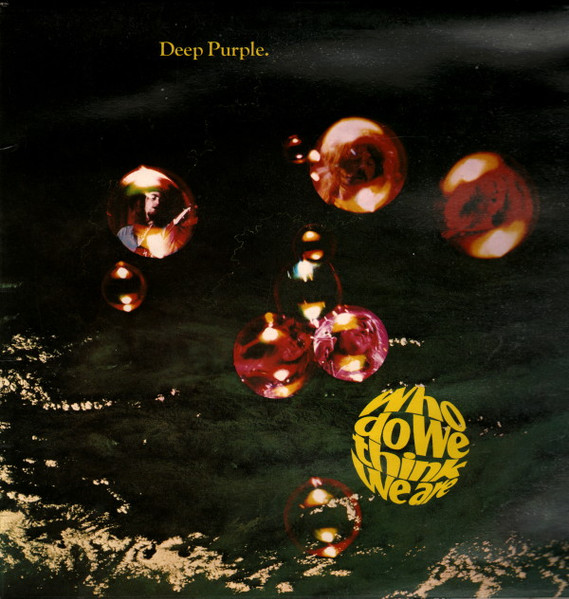
Who Do We Think We Are
1973
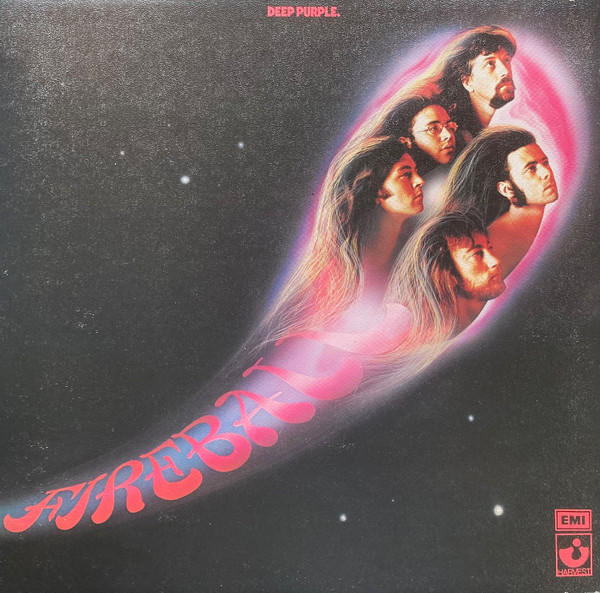
Fireball
1971
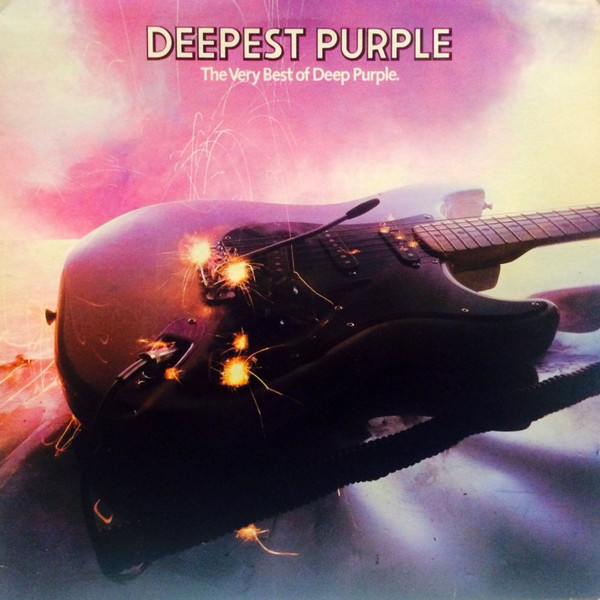
Deepest Purple (The Very Best Of Deep Purple)
1980

Shades Of Deep Purple
1968
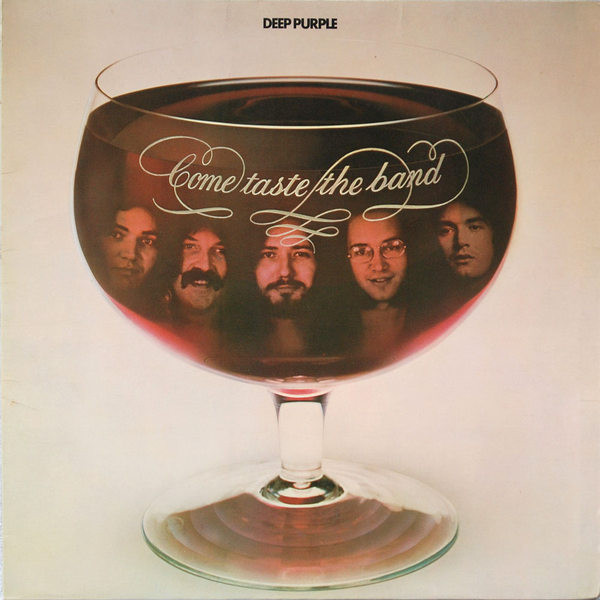
Come Taste The Band
1975
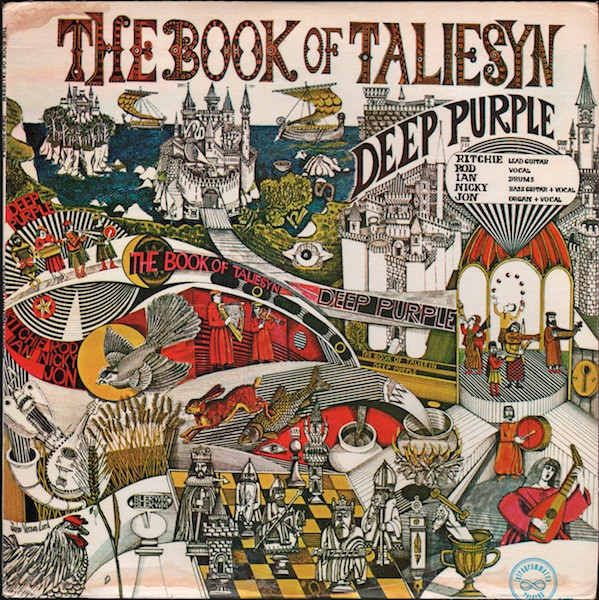
The Book Of Taliesyn
1968
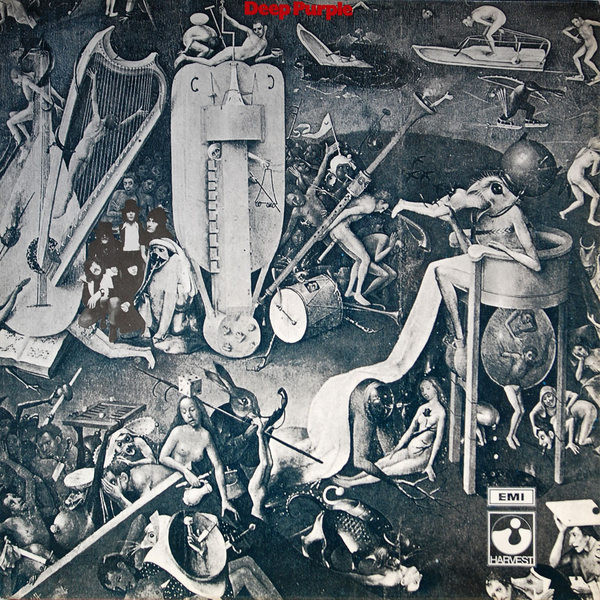
Deep Purple
1969
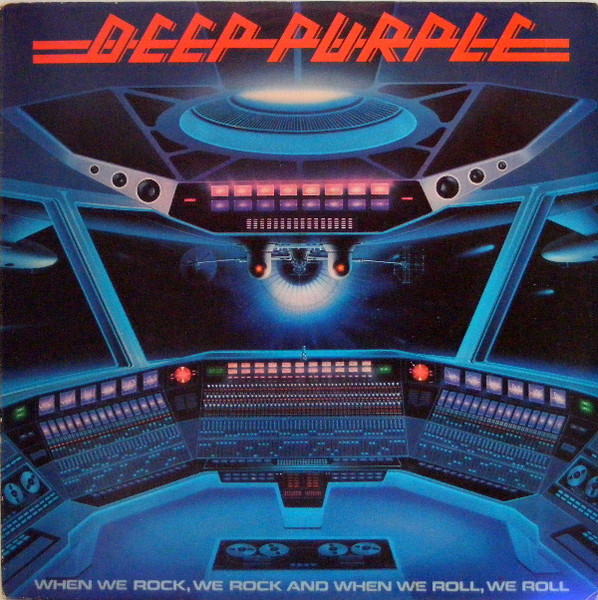
When We Rock, We Rock And When We Roll, We Roll
1978
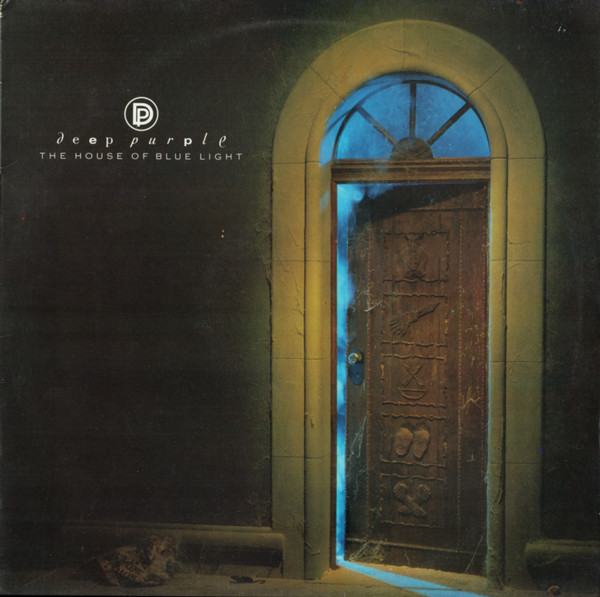
The House Of Blue Light
1987

Concerto For Group And Orchestra
1969
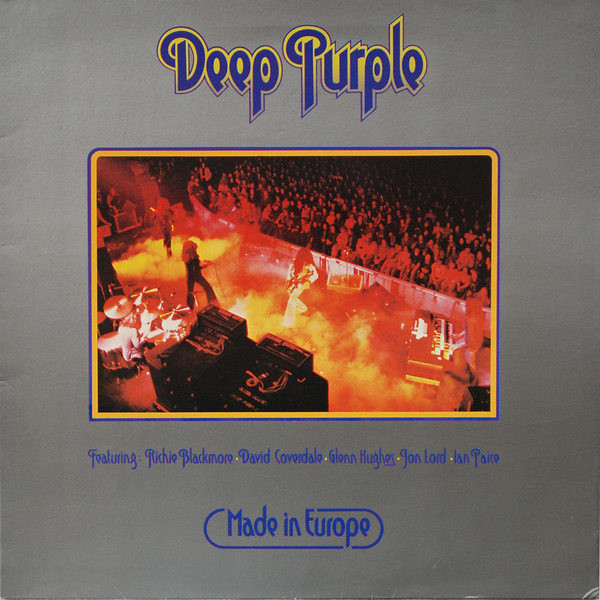
Made In Europe
1976
24 Carat Purple
1975

= 1
2024

Infinite
2017

Slaves And Masters
1990

In Concert
1980

Whoosh!
2020
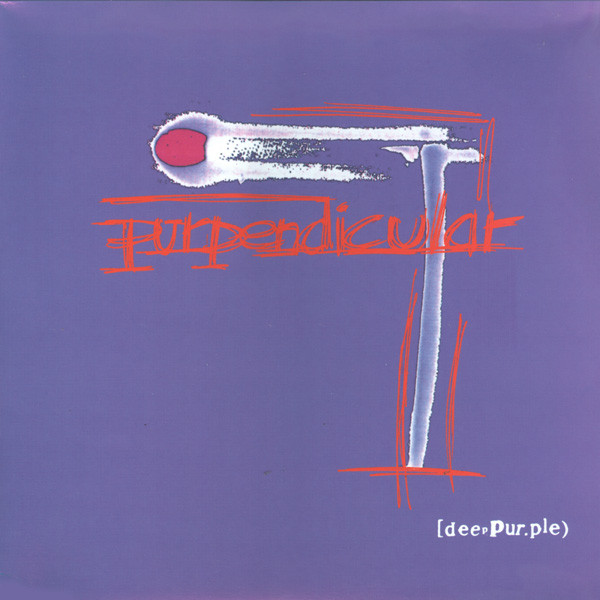
Purpendicular
1996
Related artists
Members
Frequent collaborators
Around the web
Follow every record they touch.
Start your shelf and Gatefold tracks Deep Purple's new pressings, tour dates, and the whole discography — automatically.
Start your shelf →Free forever. Works with 10 records or 10,000.