
Artist
David Byrne
Talking Heads
Dumbarton, United Kingdom · b. 1952
David Byrne is a musician from Dumbarton, United Kingdom, active since 1952. Their discography on Gatefold includes 23 records. They also recorded with Talking Heads.

43
Albums tracked
1,287
In collections
1952
Since
Biography
David Byrne dragged a portable cassette recorder through the streets and onto talk radio broadcasts, spliced the magnetic tape by hand, and handed Brian Eno the fragments to build My Life in the Bush of Ghosts. He was terrified of standard rock frontman swagger, so he turned clinical detachment, nervous ticks, and oversized tailoring into an entire aesthetic. When Talking Heads started fracturing under the weight of his control, he did not fight to keep the band together—he walked away and turned himself into a global field researcher with a budget. His solo output was messy for a long time. The nineties saw him ping-ponging between Latin big-band experiments on Rei Momo, sterile alt-rock confessionals, and trip-hop flirtations on Feelings that did not age well. But Byrne's superpower is stubborn curiosity. He outlasted his own awkward lulls by ditching the conventional backing band entirely, hiring brass ensembles, collaborating with Annie Clark, and stripping the live stage down to bare wireless rigs. He proved that being deeply uncool and relentlessly cerebral is the only sustainable long game in pop music.
Bio from The Clerk
The Arc of David Byrne
The pivots — what forced David Byrne to reinvent.
The Tape Splicer & World Fusionist
Between 1980 and 1989, Byrne broke out of the downtown art-punk cage to obsess over polyrhythms and found audio. Teaming up with Brian Eno on My Life in the Bush of Ghosts, he pioneered sample-based collage years before hip-hop made it an industry standard. That rhythmic fixation carried straight into his soundtrack work for Twyla Tharp and his Oscar-winning score for The Last Emperor alongside Ryuichi Sakamoto. By the time he dropped Rei Momo in 1989, he had fully immersed himself in Afro-Cuban and Brazilian horn arrangements, refusing to ever sound like a standard rock quartet again.
The Luaka Bop Wandering Years
After Talking Heads officially collapsed in 1991, Byrne spent the nineties chasing disparate genres while running his boutique imprint, Luaka Bop. Records like Uh-Oh and his 1994 self-titled LP swung wildly between stripped-back acoustic neuroses, strings, and off-kilter funk. He chased late-nineties electronics on Feelings, leaning on drum-and-bass loops and guest production from Morcheeba. It was a turbulent, fragmented decade where his ambition frequently outpaced the final mixes, but it kept him from ever relying on nostalgia.
The High-Art Minimalist
Starting with 2004's Grown Backwards, Byrne traded jagged indie experiments for operatic arias, orchestral pop, and high-concept collaborations. He reunited with Eno for 2008's Everything That Happens Will Happen Today and built a full brass-and-drum machine record with St. Vincent on Love This Giant. The culmination arrived with American Utopia in 2018, where he completely eradicated monitors, drum risers, and cables from the stage in favor of a mobile, marching-band percussion unit. He turned avant-garde theater into broadway-scale arena pop on his own uncompromising terms.
Influences
- Fela Kuti — Byrne obsessively studied Fela Kuti's Africa 70 vinyl releases throughout the late seventies, directly lifting the interlocking polyrhythmic structures for Remain in Light and his solo work. You hear it in the interlocking basslines, persistent percussion beds, and cyclic vocal cadences on The Catherine Wheel. It broke him out of standard Western pop verse-chorus formulas permanently.
- Al Green — Byrne famously cut a deadpan, frantic cover of 'Take Me to the River' after studying Willie Mitchell's Hi Records production techniques. The influence shows up in how Byrne structures his rhythm sections, anchoring nervous, clean guitar riffs over deep Southern soul pocket grooves. It taught an anxious art-school kid how to leave pocket space for a rhythm section to breathe.
- The Velvet Underground — Byrne cited Lou Reed's deadpan, street-level spoken-word cadence and minimal chord structures as the blueprint for his early vocal delivery. You can hear that monotone, matter-of-fact reportage all over his early tracks, turning mundane observations into tension wire. It proved to him that you did not need a traditional rock voice to command a room.
- James Brown — Byrne explicitly dissected James Brown's 'The One' rhythm discipline to understand how funk treats every instrument as a percussion piece. That staccato, scratch-guitar attack became Byrne's entire signature playing style across his solo and collaborative work. It turned a rhythmically stiff guitarist into a human metronome.
- Steve Reich — Reich's tape-loop experiments and phase-shifting minimalism directly inspired Byrne's approach to tape-based sampling and loop layering. You hear this heavy in the dense, repetitive vocal and rhythm layers on My Life in the Bush of Ghosts. It gave Byrne the theoretical framework to treat repetitive loops as structural art rather than simple backing tracks.
David Byrne — solo
Their records — most-collected first.
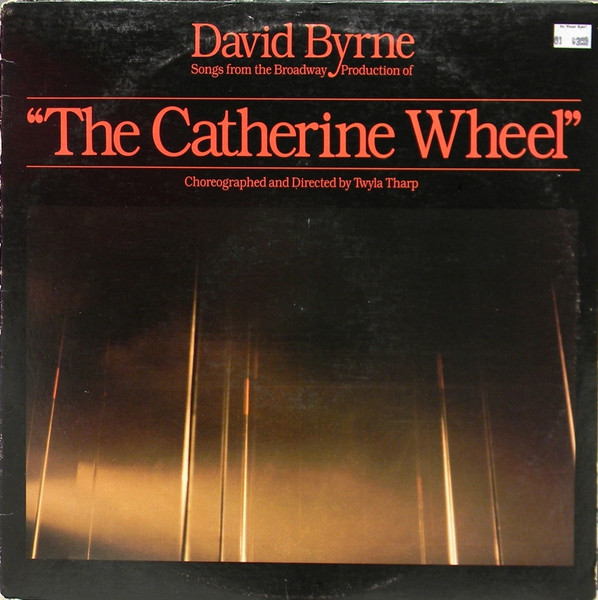
Songs From The Broadway Production Of "The Catherine Wheel"
1981

Who Is The Sky?
2025
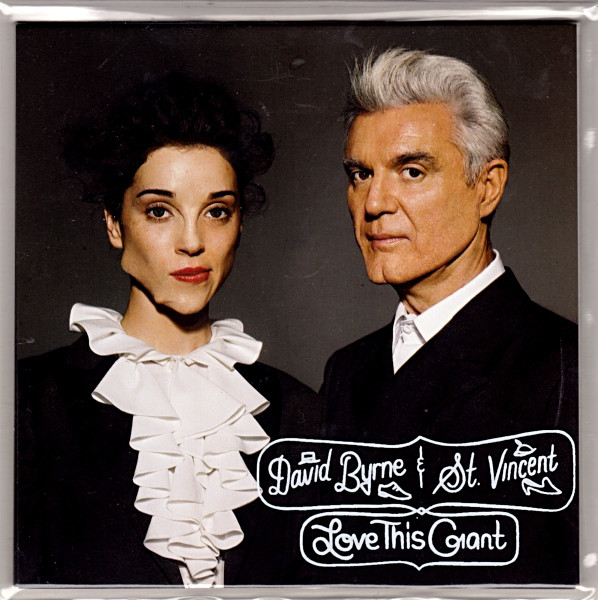
Love This Giant
2012

Rei Momo
1989

American Utopia
2018
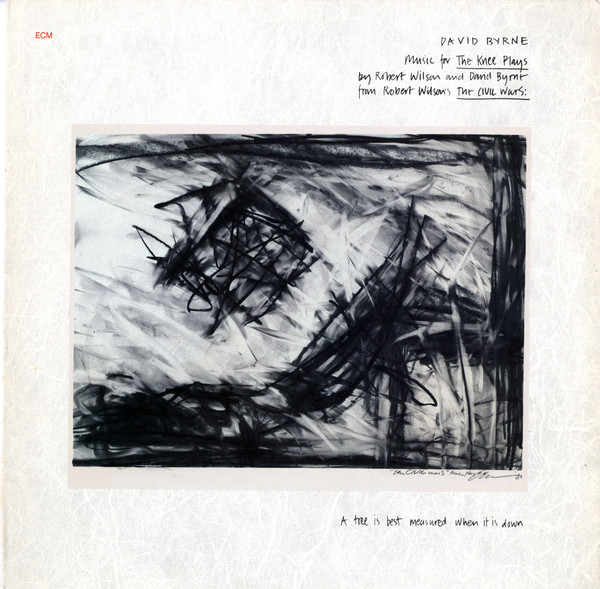
Music For The Knee Plays
1985
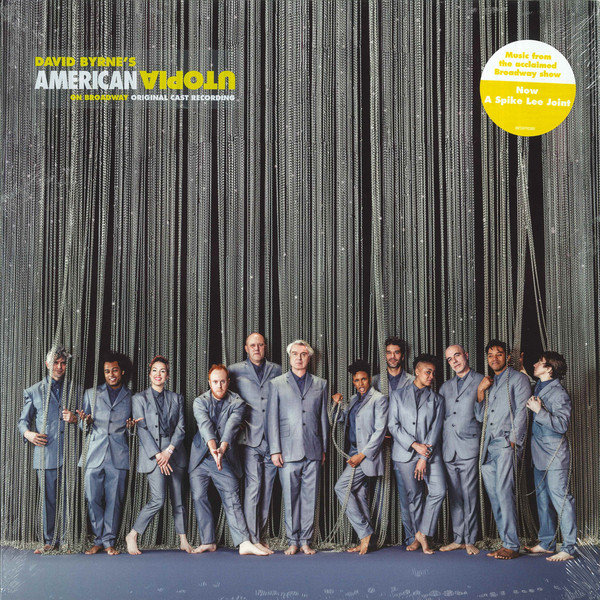
David Byrne's American Utopia On Broadway (Original Cast Recording)
2019
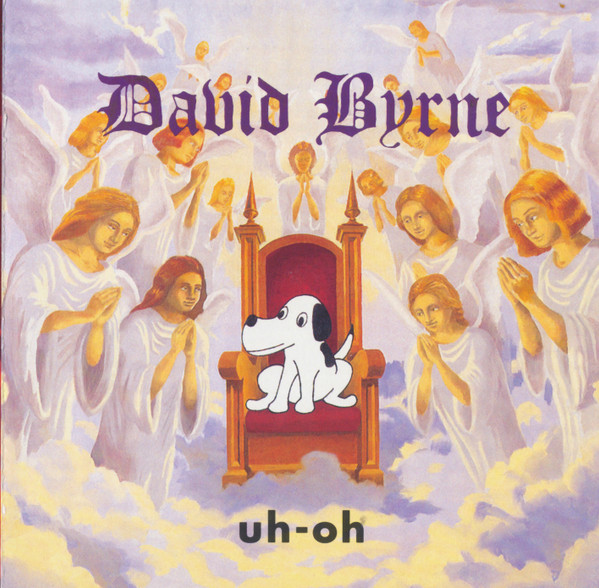
Uh-Oh
1992

Drivers License
2026

Grown Backwards
2004

Look Into The Eyeball
2001
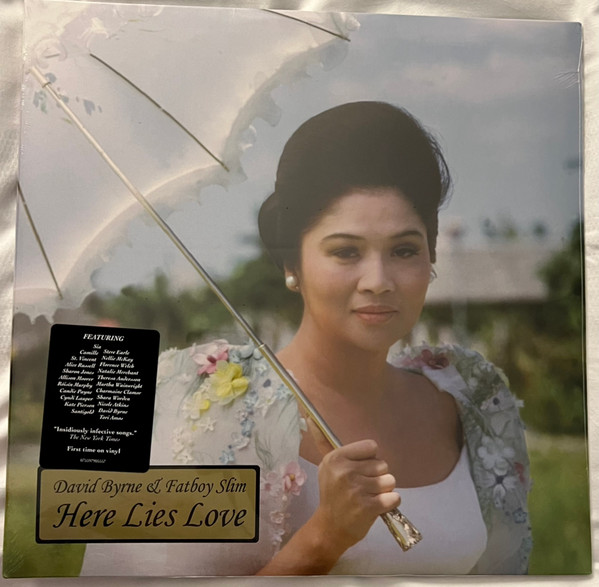
Here Lies Love
2010
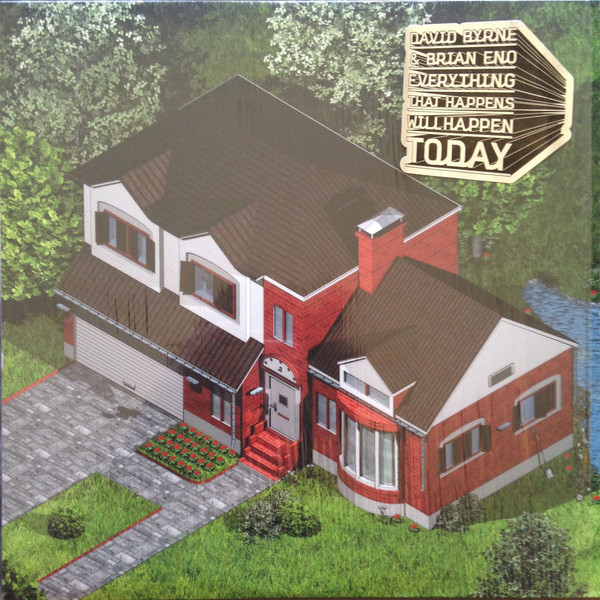
Everything That Happens Will Happen Today
2008

3 Big Songs
1981

The Complete Score From The Broadway Production Of "The Catherine Wheel"
1981

Feelings
1997

David Byrne
1994
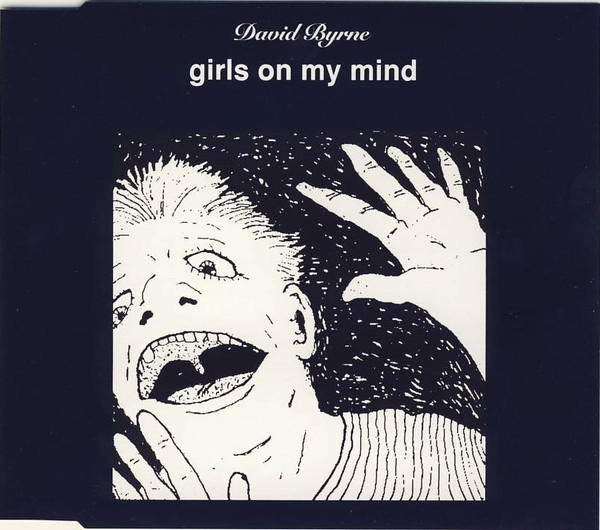
Girls On My Mind
1992

The Forest
1991

Make Believe Mambo
1989
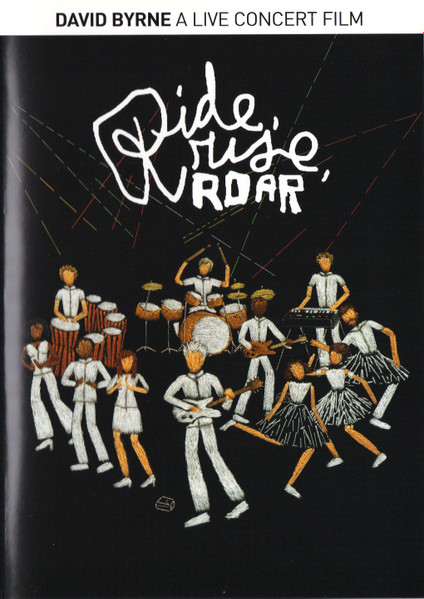
Ride, Rise, Roar
2010
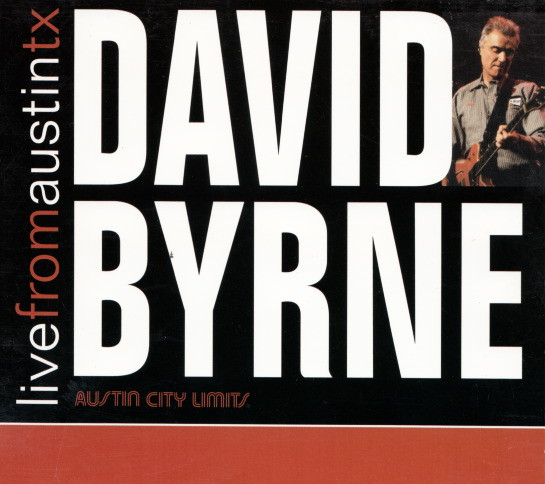
Live From Austin TX
2007
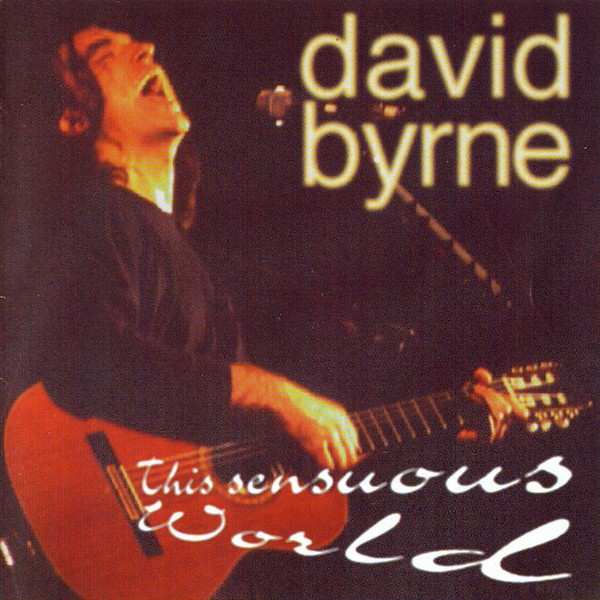
This Sensuous World
1995
Talking Heads
A project David Byrne was part of. Former member.
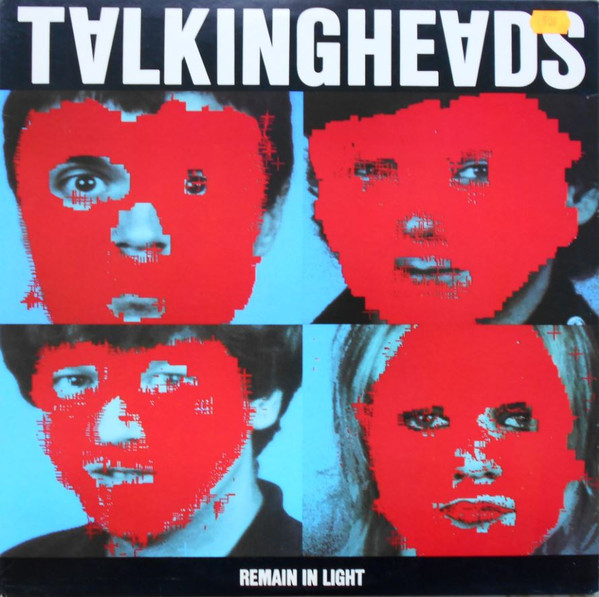
Remain In Light
1980
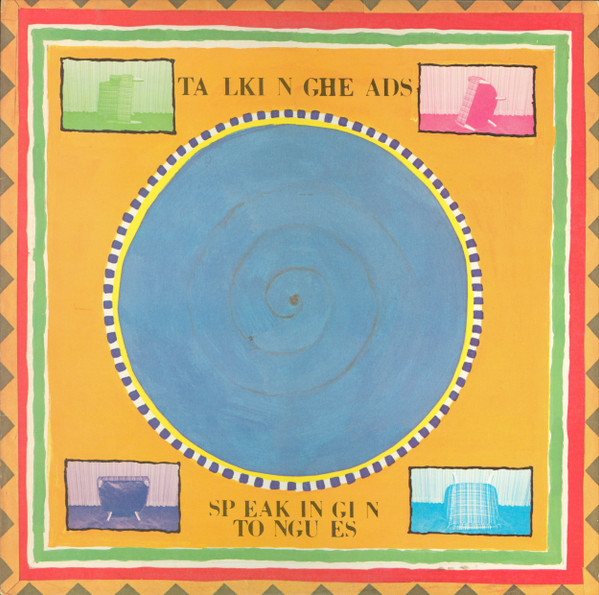
Speaking In Tongues
1983
Fear Of Music
1979

77
1977

Little Creatures
1985
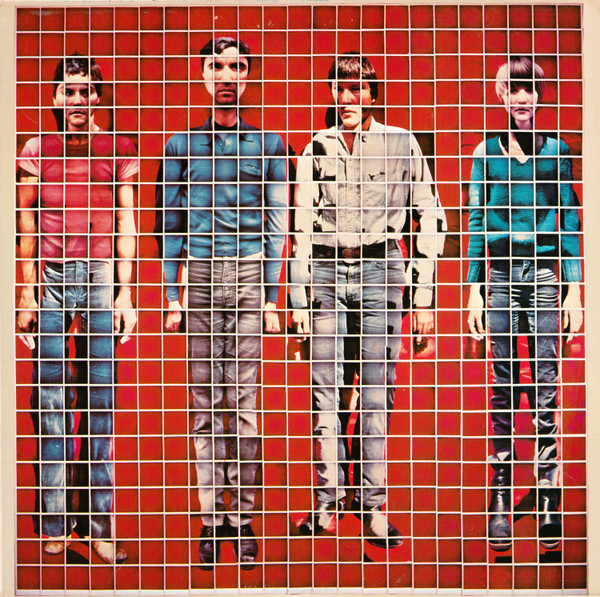
More Songs About Buildings And Food
1978
True Stories
1986
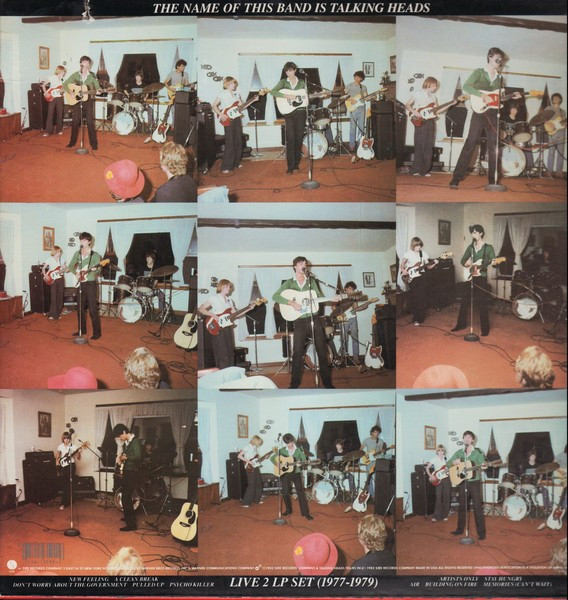
The Name Of This Band Is Talking Heads
1982
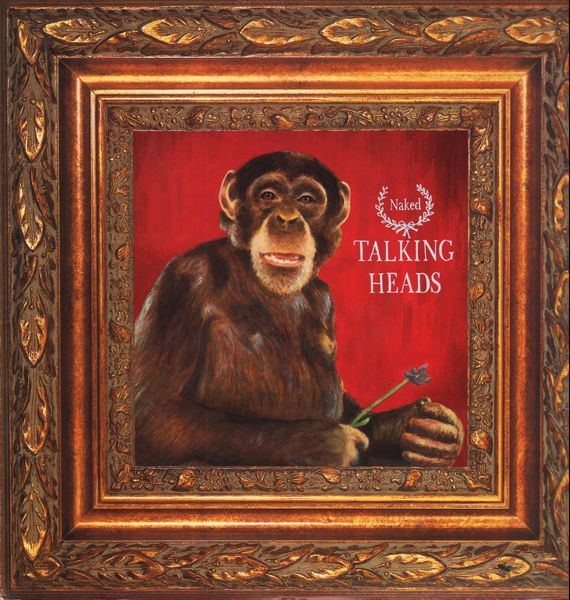
Naked
1988

Tentative Decisions: Demos & Live
2025

Live At WCOZ 77
2024
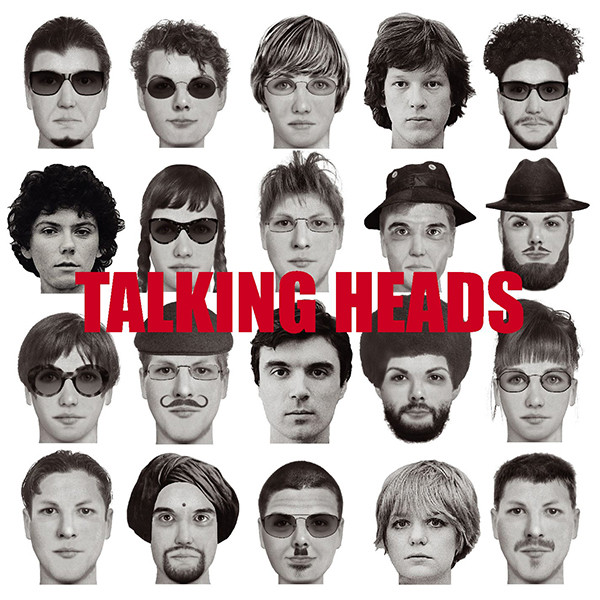
The Best Of Talking Heads
2004

Live On Tour
1979
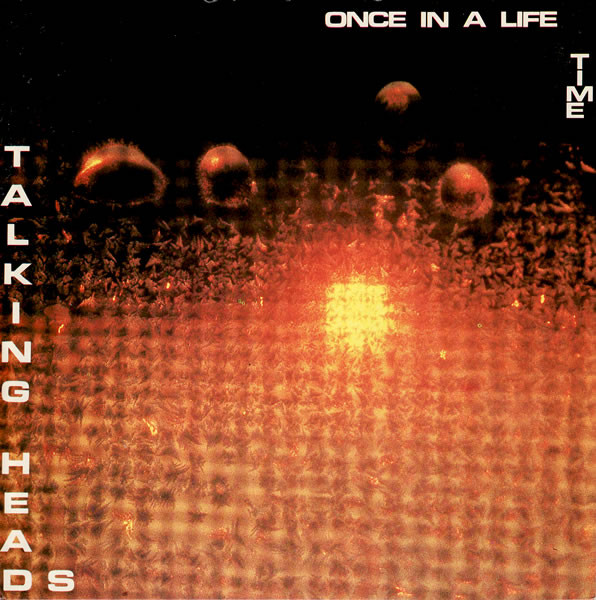
Once In A Lifetime
1981

Once In A Lifetime - The Best Of
1992
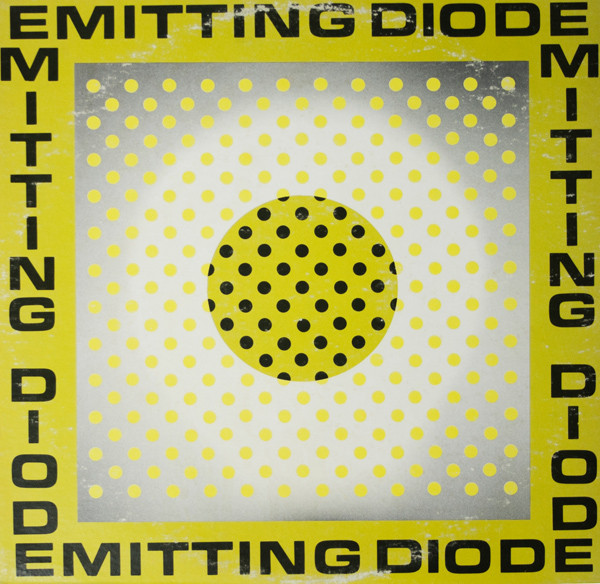
Emitting Diode
1980
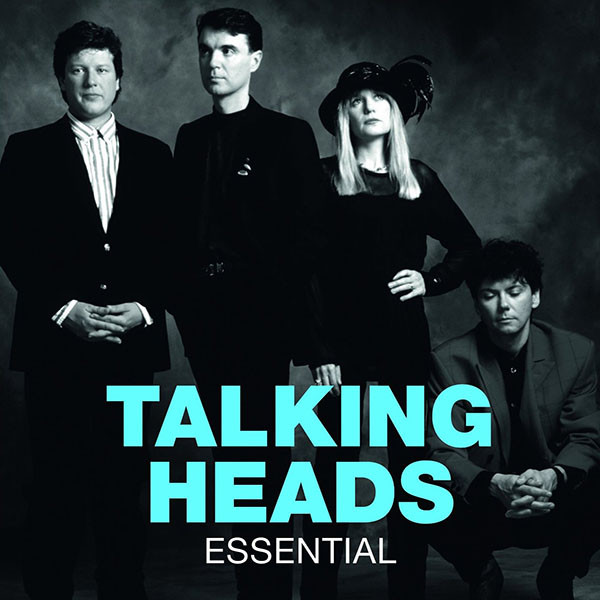
Essential
2011
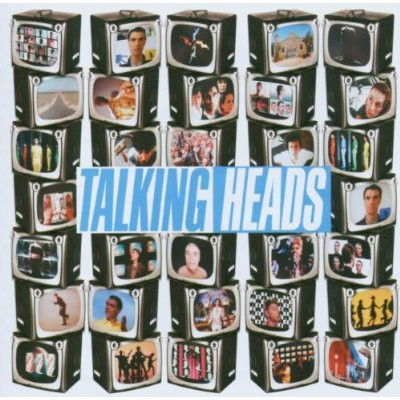
The Collection
2007
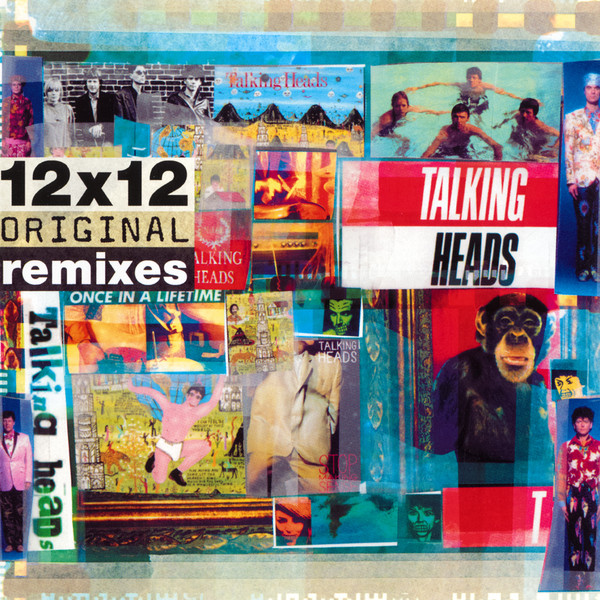
12x12 Original Remixes
1999
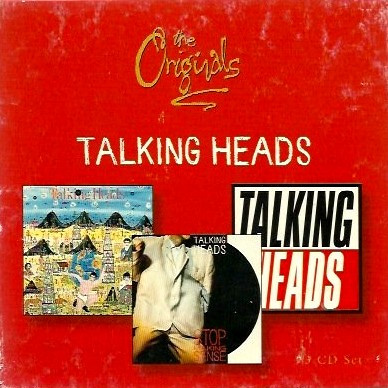
The Originals
1997
Related artists
Around the web
Follow every record they touch.
Start your shelf and Gatefold tracks David Byrne's new pressings, tour dates, and the whole discography — automatically.
Start your shelf →Free forever. Works with 10 records or 10,000.