
Artist
Living Colour
New York City, United States · Formed 1983
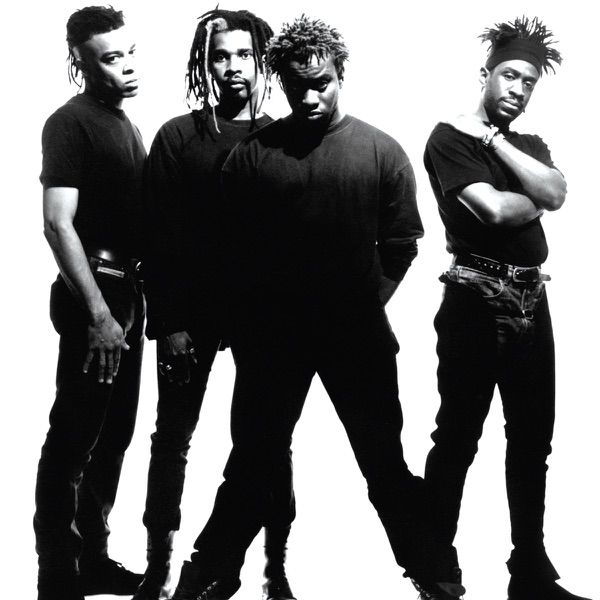
Living Colour is a music group from New York City, United States, active since 1983. Their discography on Gatefold includes 21 records.
21
Albums tracked
136
In collections
1983
Since
Biography
Mick Jagger saw them at CBGB and put up the money for a demo. That’s the only reason Vivid got made. Before that, every label in New York passed because they didn't know what to do with four Black guys playing heavy metal with funk syncopation and avant-garde jazz solos. Vernon Reid was already a downtown legend from the Decoding Society, but the industry was terrified of anything that didn't fit into the hair-metal or R&B radio boxes of 1988. Ed Stasium's production on the early records gave them that sharp, clinical punch that made 'Cult of Personality' a radio hit, but the real power was always under the hood. They were the house band for the Black Rock Coalition, fighting a war against a segregated industry. By the time they hit the Stain era, the polish was gone, replaced by an industrial-strength gloom that finally matched the technical brutality of Reid’s guitar work. It was too smart for the radio and too loud for the critics, which is exactly why it matters.
Bio from The Clerk
The Arc of Living Colour
The pivots — what forced Living Colour to reinvent.
The Vivid Explosion
After Mick Jagger funded the demos and pulled strings at Epic, the band went into the studio with Ed Stasium to track a debut that sounded like nothing else in 1988. The session was built on Vernon Reid’s custom ESP guitars and a rack of digital processors that gave his solos that signature chirping, chaotic bite. It resulted in a multi-platinum pivot that forced MTV to acknowledge that rock wasn't just for white guys in spandex. You hear it in the hyper-compressed snare and the clean, funky pop-metal sheen that masks some of the most political lyrics to ever hit the Top 40.
The Avant-Metal Shift
By 1993, Muzz Skillings was out and legendary Sugar Hill Records bassist Doug Wimbish was in, bringing a pedigree of dub and session precision that darkened the band's core. They scrapped the bright funk-metal of the debut for Stain, a record defined by heavy distortion and sampled textures that reflected the rising industrial and grunge scenes. Ron St. Germain produced it with a suffocating, dense low end that pushed Corey Glover to scream more than sing. It remains their most polarizing shift, ditching the commercial hooks for a dissonant, claustrophobic sound that effectively ended their mainstream run.
The Global Blues Revival
After a long hiatus and some solo diversions, the band reconvened for 2017's Shade, a project that took years to finish because they were obsessing over the lineage of the blues. The recording sessions were scattered and methodical, focusing on how to translate Robert Johnson through a modern, distorted Brooklyn lens. It wasn't a retreat to tradition; it was an attempt to reclaim the genre using Wimbish’s effects-heavy bass and Reid’s frantic, glitchy phrasing. The result is a late-career pivot that sounds like an old soul trapped in a high-voltage machine.
Influences
- Bad Brains — Vernon Reid has repeatedly cited them as the blueprint for Black virtuosity in a punk and metal space. You hear it in the whiplash transitions between hardcore tempos and heavy dub reggae. They proved you could be faster and smarter than everyone else in the room simultaneously.
- Jimi Hendrix — Reid’s entire approach to the 'Eventide' pitch-shifter and feedback manipulation is a direct extension of Hendrix’s work at Electric Lady. The band famously covered 'Crosstown Traffic' as a tribute to that specific lineage of technicolor guitar exploration. It’s the foundational DNA of their entire sonic identity.
- James Blood Ulmer — Reid played in Ulmer's band before Living Colour, absorbing his 'harmolodic' approach to jazz and blues. This influence is the reason Living Colour’s solos often sound like they’re falling down a flight of stairs while still hitting every mark. It’s jazz-theory chaos applied to a Marshall stack.
- Led Zeppelin — The band’s heavy, syncopated groove is a direct descendant of the Bonham/Jones rhythm section, which Will Calhoun has studied extensively. Their cover of 'Ocean' isn't just a tribute; it’s a demonstration of how they internalize that specific brand of heavy swing. They took the Zeppelin riff-blueprint and updated it with 80s NYC grit.
- The Isley Brothers — Living Colour’s ability to bridge hard rock and soul comes directly from the Ernie Isley school of fuzzed-out R&B. You hear this influence in Corey Glover’s vocal phrasing and the way the band keeps a melodic pocket even during the heaviest breakdowns. It’s the secret sauce that kept them on the radio while playing avant-garde solos.
Discography
Their records — most-collected first.

Vivid
1988
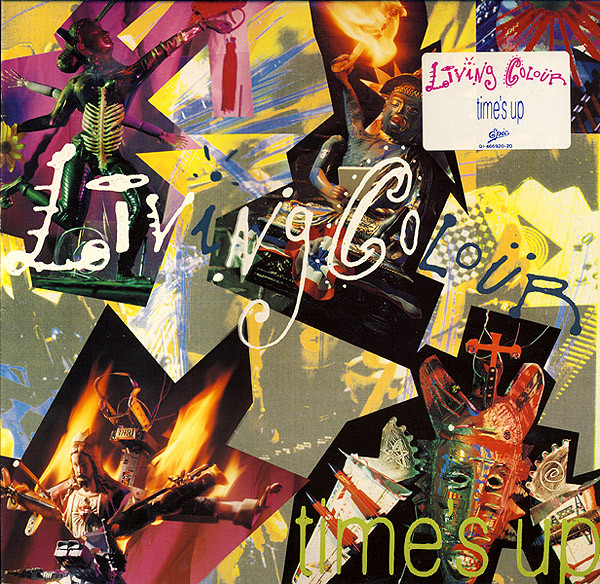
Time's Up
1990
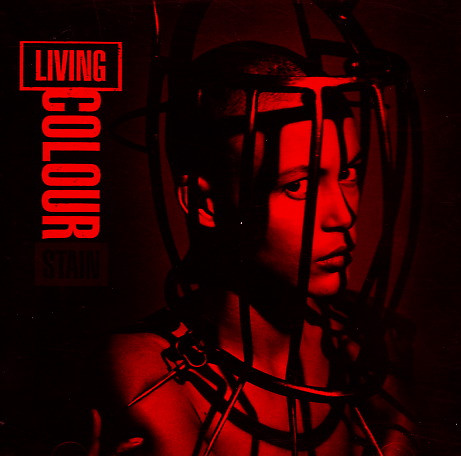
Stain
1993

Biscuits EP
1991

Love Rears Its Ugly Head
1990

Cult Of Personality
1988

Shade
2017

Live August 19, 2005 - CBGB OMFUG Masters: The Bowery Collection
2008
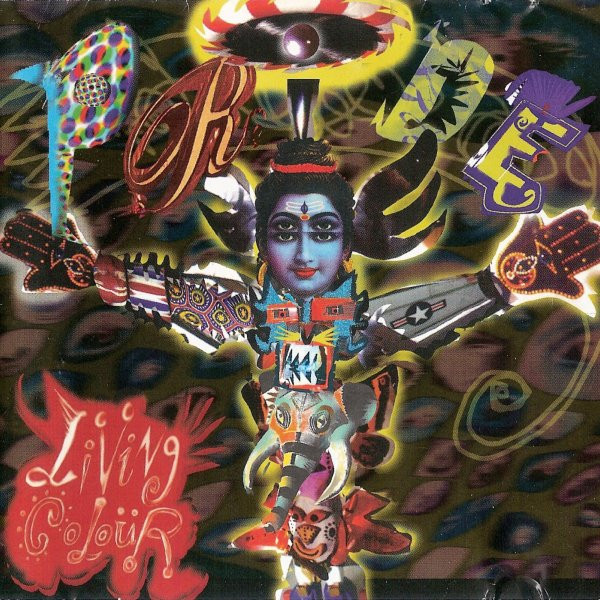
Pride
1995

Leave It Alone
1993
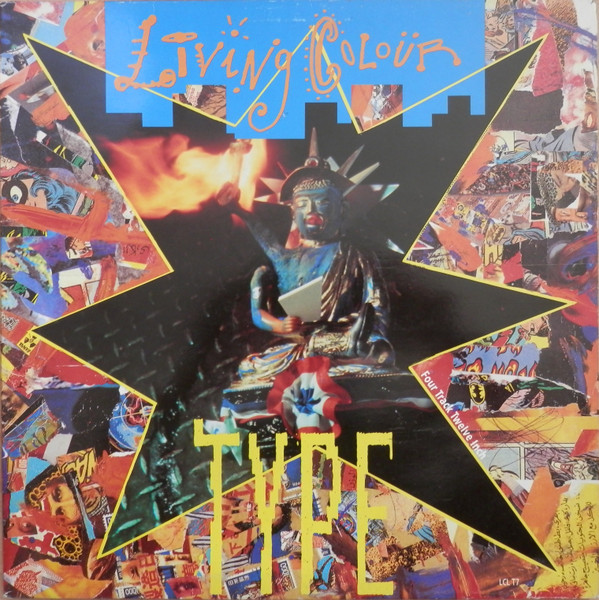
Type
1990

Who Shot Ya
2016

The Chair In The Doorway
2009
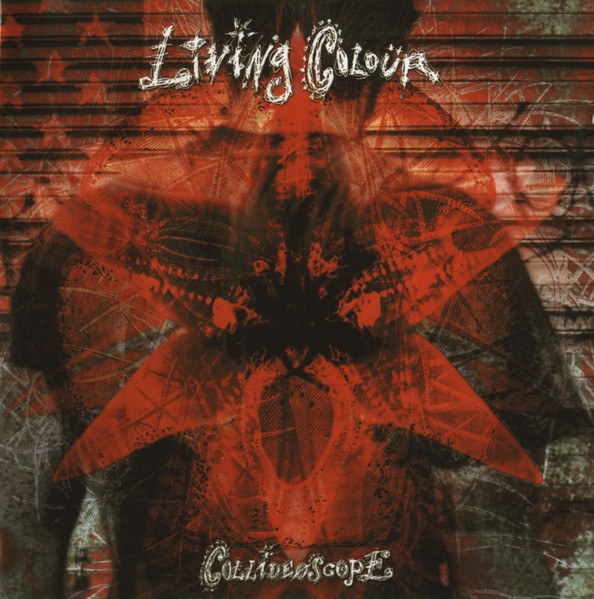
Collideøscope
2003

Ausländer
1993

Glamour Boys
1988

The Paris Concert
2008

Live From CBGB's
2004

Dread
1993

Time Is Now
1991

Live From Electric Ladyland
1991
Related artists
Around the web
Follow every record they touch.
Start your shelf and Gatefold tracks Living Colour's new pressings, tour dates, and the whole discography — automatically.
Start your shelf →Free forever. Works with 10 records or 10,000.