
Artist
Daft Punk
French electronic duo
Paris, France · 1993 – 2021
Daft Punk is a music group from Paris, France, active 1993–2021. Their discography on Gatefold includes 24 records.

36
Albums tracked
946
In collections
1993
Since
Biography
Thomas Bangalter and Guy-Manuel de Homem-Christo started as a failed rock band called Darlin', getting trashed by Melody Maker as 'daft punky thrash.' Instead of sulking, they bought a Roland TR-909 and an Alesis 3630 compressor, dragging the gritty, distorted sound of Chicago acid house into a Parisian bedroom. They didn't have a massive budget or a pristine studio; they had cheap hardware pushed into the red until it started to growl. By the time they signed to Virgin, they weren't just playing tracks—they were filtering the entire history of disco through a punk rock lens. They spent years hiding behind robot masks to dodge the cult of personality, but the irony is they ended up becoming the biggest personalities in the room. Discovery traded the grit for glitter, leaning into high-concept anime and vintage Yamaha CS-80 synths to recreate the feeling of being six years old in front of a TV. They hit a wall with Human After All—recorded in just six weeks because they were bored with perfection—and the fans hated it at first. It felt thin and rushed. Then they took those same songs to Coachella in 2006 inside a giant neon pyramid and reminded everyone that context is everything in dance music.
Bio from The Clerk
The Arc of Daft Punk
The pivots — what forced Daft Punk to reinvent.
The Bedroom Distortion Years
Homework was tracked in Bangalter’s bedroom using a stack of affordable rack gear and a 12-channel Mackie mixer. They took the raw, repetitive pulse of Underground Resistance and flavored it with French pop sensibilities, creating a sound that was purposefully unpolished and heavy on the low-end. You can hear the hardware straining on 'Rollin' & Scratchin',' where they treated the synthesizer like a feedback-looping electric guitar. It forced the world to stop looking at electronic music as 'ambient' and start treating it as a visceral, physical threat.
The Discovery Pivot
The duo moved away from the warehouse aesthetic to embrace a maximalist obsession with late-70s AM radio and soft rock. They brought in Romanthony and Todd Edwards to provide soulful, garage-house vocals that grounded the heavy vocoder work and LinnDrum patterns. This was the era where they mastered the art of the 'micro-sample,' taking tiny slivers of George Duke or Edwin Birdsong and looping them into entirely new hooks. It turned them from underground heroes into a pop juggernaut that could headline stadiums without showing their faces.
The Analog Purist Reset
After years of being the face of digital dance music, the band spent millions of their own money to record Random Access Memories entirely on analog tape at Electric Lady Studios. They ditched the samples and hired the actual session legends who played on the records they used to loop, like Nile Rodgers and Omar Hakim. The goal was to eliminate the 'grid' of modern production in favor of human timing and expensive Neumann microphones. It was a massive gamble on high-fidelity nostalgia that resulted in 'Get Lucky' becoming inescapable for an entire summer.
Influences
- Nile Rodgers / Chic — The duo explicitly modeled their rhythm section philosophy on the locked-in interplay between Rodgers' 'chucking' guitar style and Bernard Edwards' basslines. You hear this DNA directly on the 'Around the World' bass hook and culminated in Rodgers playing on 'Give Life Back to Music.' They wanted that specific Studio 54 tightness.
- Kraftwerk — Daft Punk cited the German quartet as the blueprint for their robotic personas and the idea of the 'man-machine' stage presence. The clinical, repetitive synth melodies of 'Trans-Europe Express' are the direct ancestors of the sequenced loops found all over 'Homework.' They took the German precision and added a French sense of swing.
- George Duke — The track 'Digital Love' is built entirely around a sample of Duke's 'I Love You More.' They didn't just use his notes; they obsessed over his Rhodes piano tone and the way he blended jazz fusion with pop accessibility. Duke represents the sophisticated musicality they tried to inject into their second album.
- The Chemical Brothers — In the early 90s, the duo toured with the Chemical Brothers, which convinced them that electronic music belonged in a live, loud, communal setting rather than just a DJ booth. You hear that big-beat aggression in their early remixes and the distorted stomp of 'Da Funk.' It was the bridge between rave culture and rock energy.
- Todd Edwards — Known as 'The Messenger,' Edwards’ unique style of cut-up vocal sampling in the UK Garage scene was the primary inspiration for the production on 'Face to Face.' They were such fans they flew him to Paris to collaborate, making him one of the few humans allowed inside the creative circle. His influence is the reason their mid-career tracks have that stuttering, rhythmic vocal texture.
Discography
Their records — most-collected first.

Random Access Memories
2013
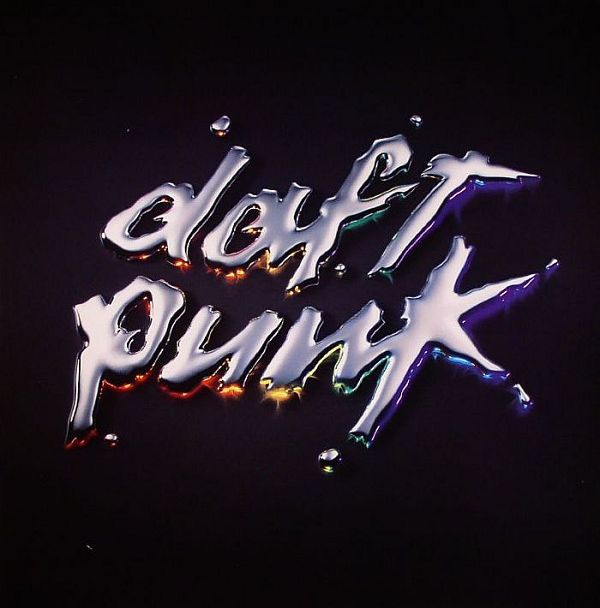
Discovery
2001
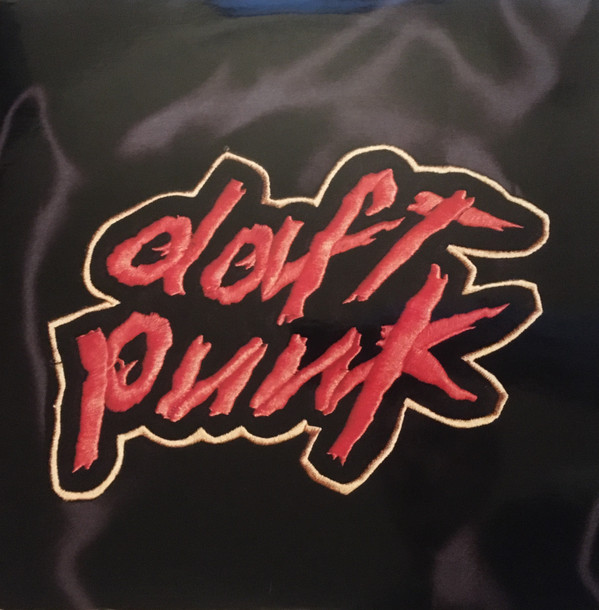
Homework
1997
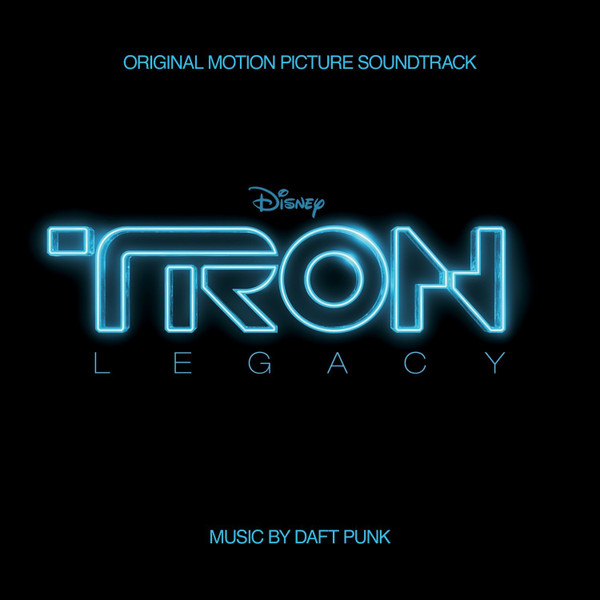
TRON: Legacy (Original Motion Picture Soundtrack)
2010
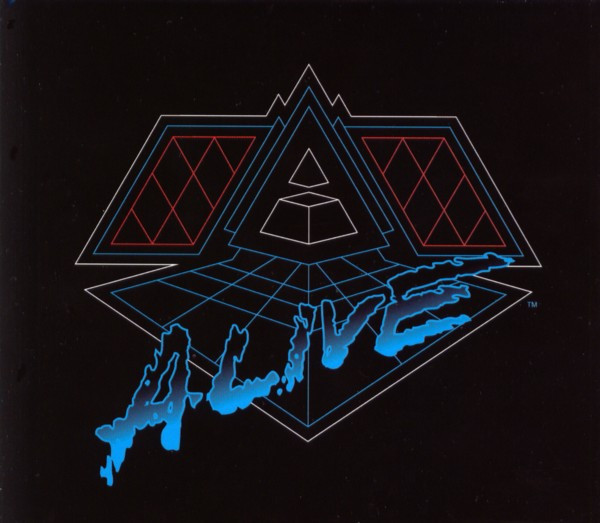
Alive 2007
2007
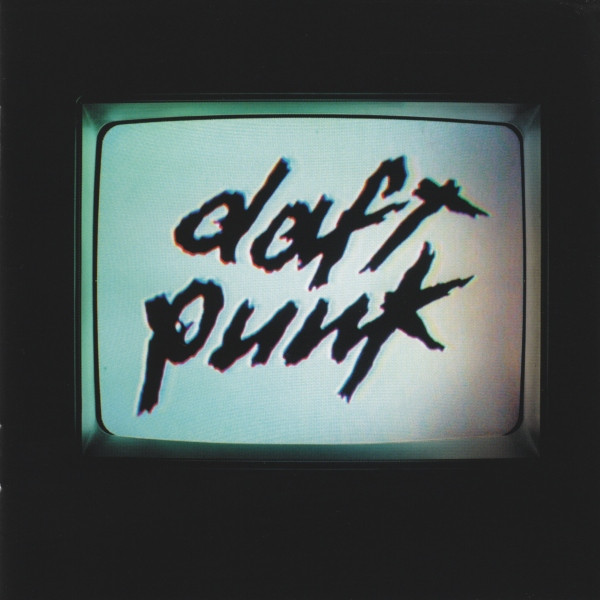
Human After All
2005
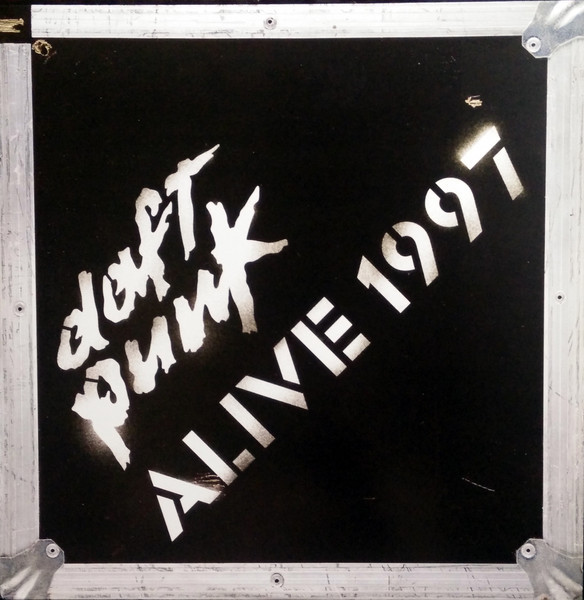
Alive 1997
2001
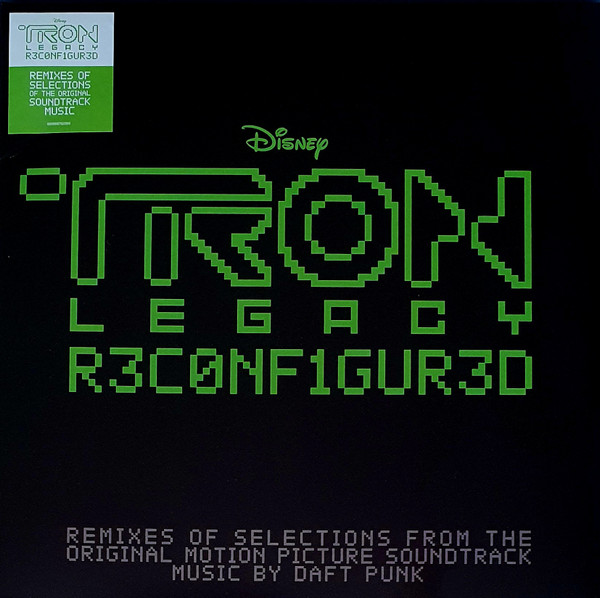
TRON: Legacy Reconfigured
2011
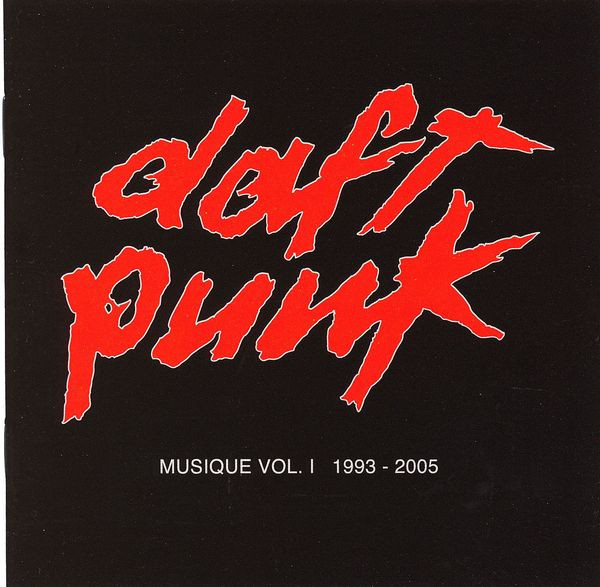
Musique Vol. I 1993 - 2005
2006

Something About Us (Love Theme From Interstella 5555)
2003
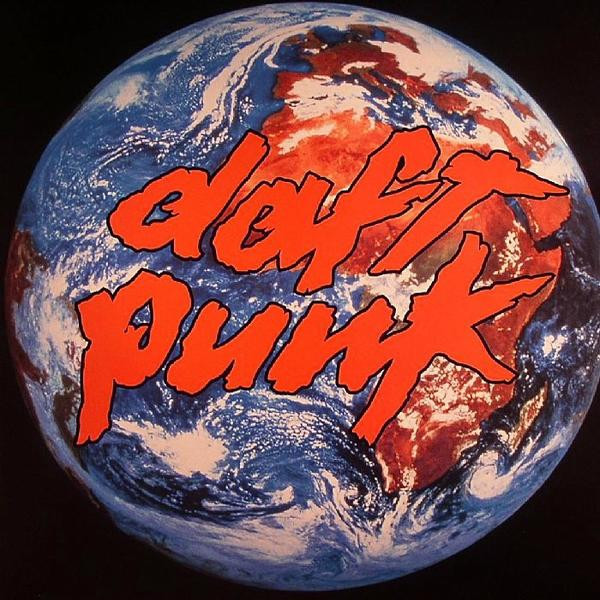
Around The World
1997

Human After All ~原点回帰 -Remixes-
2006
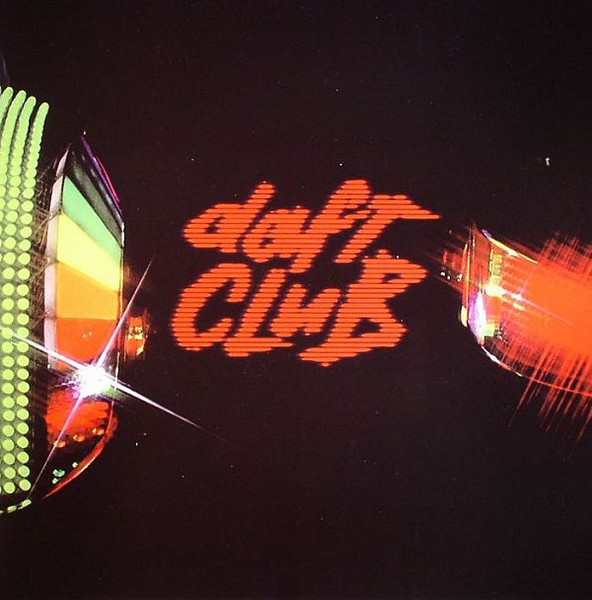
Daft Club
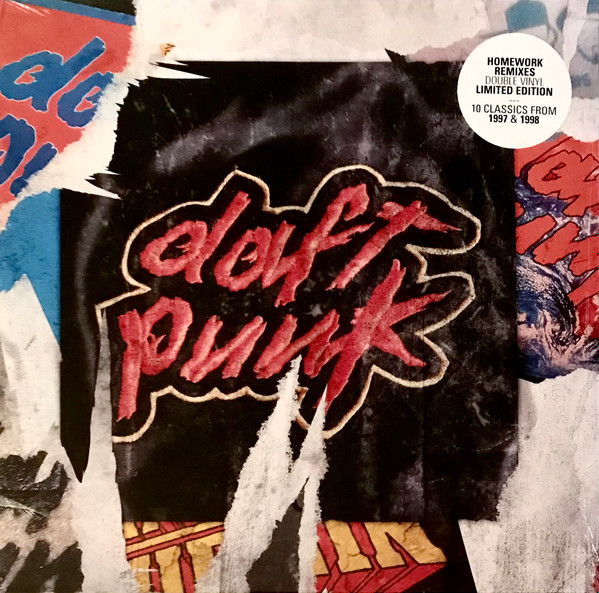
Homework (Remixes)
2022
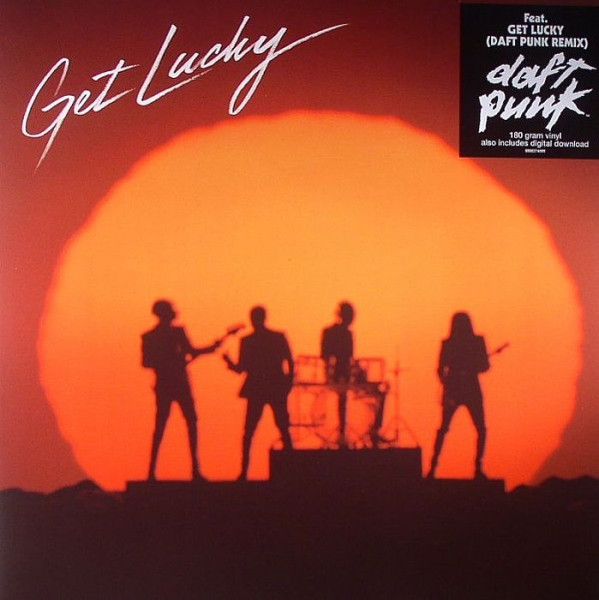
Get Lucky
2013

One More Time
2000
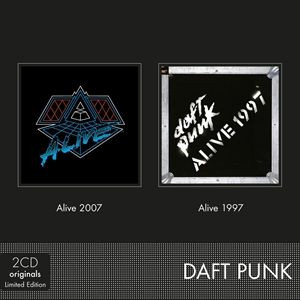
Alive 2007 / Alive 1997
2009
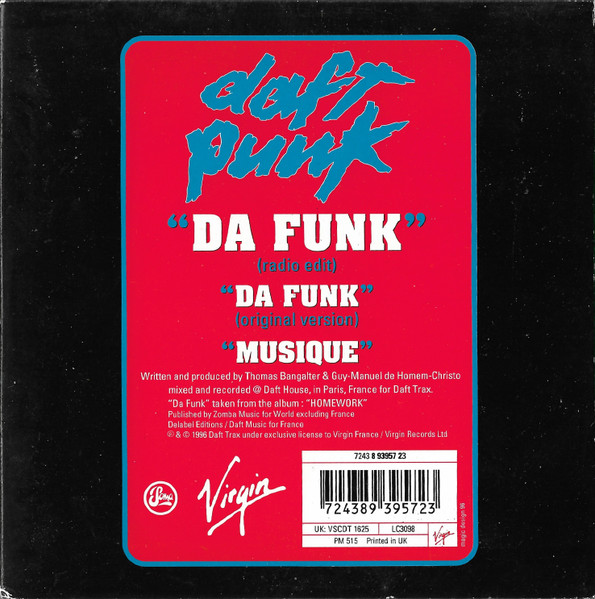
Da Funk
1996

Translucence
2011

Harder Better Faster Stronger
2001
Digital Love
2001

Robot Rock
2005

Aerodynamic
2001
Revolution 909
1998
Related artists
Around the web
Follow every record they touch.
Start your shelf and Gatefold tracks Daft Punk's new pressings, tour dates, and the whole discography — automatically.
Start your shelf →Free forever. Works with 10 records or 10,000.