
Artist
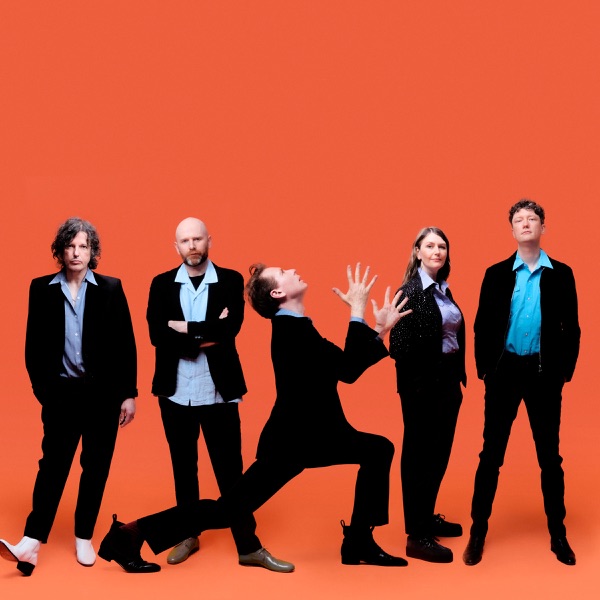
Franz Ferdinand
Scottish rock band
Glasgow, United Kingdom · Formed 2001
Franz Ferdinand is a music group from Glasgow, United Kingdom, active since 2001. Their discography on Gatefold includes 24 records.
26
Albums tracked
253
In collections
2001
Since
Biography
They practiced in a derelict Glasgow warehouse they called the Château until the cops shut it down for being an unlicensed art space. Alex Kapranos and the boys weren't looking to reinvent the wheel; they just wanted to make records that girls could dance to, using sharp angles and even sharper suits. When Domino signed them, the UK press was desperate for a savior, but Franz Ferdinand didn't want the crown. They wanted the rhythmic rigidity of post-punk mixed with the strut of a disco floor, and for one self-titled record in 2004, they nailed it perfectly. Then the pressure of being the 'next big thing' started to rot the wood. You can hear them overthinking it on the follow-up, trying to maintain that jagged edge while the budgets got bigger and the tours got longer. They spent years oscillating between wanting to be a weird art-rock collective and a massive pop machine. By the time Nick McCarthy bailed in 2016 to focus on his family and his own projects, the original chemistry was cooked. They've since pivoted to a five-piece lineup that leans harder into the synth-heavy dance-rock they teased back in the late 2000s, proving they’re better at being a party band than a revolution.
Bio from The Clerk
The Arc of Franz Ferdinand
The pivots — what forced Franz Ferdinand to reinvent.
The Post-Punk Revival Peak
Torey Torelli and the Govan scene gave them the grit, but producer Tore Johansson helped them sharpen the debut into a lean, syncopated monster. The record was built on the interplay between Paul Thomson’s disco-influenced drumming and Bob Hardy’s melodic, driving basslines. It was a reaction against the bloated indie-rock of the early 2000s, stripping everything back to its skeletal frame. You hear it in the dry, room-focused production and those sudden, violent tempo shifts that became their early calling card.
The Dan Carey Experiment
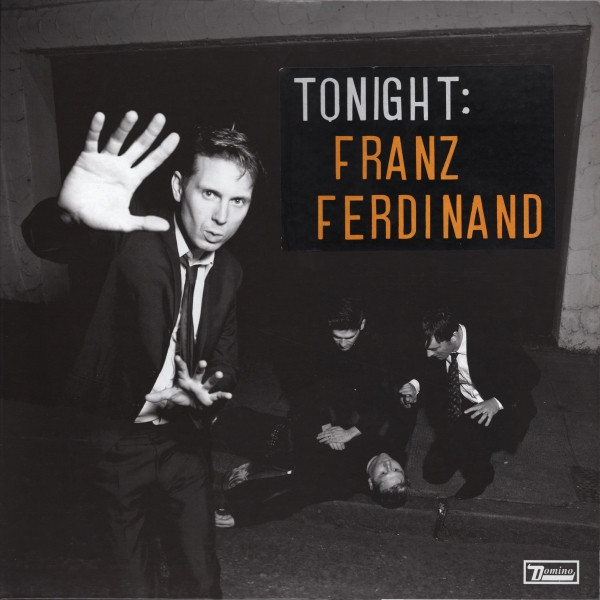
For Tonight: Franz Ferdinand in 2009, they brought in Dan Carey and ditched the guitar-driven urgency for something sweatier and more electronic. They hauled a massive array of vintage synths and an old Soviet echo machine into the studio, aiming for a late-night, paranoid club vibe. This pivot divided the fans who just wanted another radio hit, but it allowed them to explore the dub-inflected textures that always sat beneath their surface. The result was a record that felt less like a garage and more like a basement rave in Berlin.
The FFS Hybrid
After years of talking about it, the band finally merged with Sparks in 2015 to form the supergroup FFS, a move that shook off their creative stagnation. Working with the Mael brothers forced Kapranos to lean into his more theatrical, vaudevillian instincts rather than trying to satisfy the 'indie' crowd. The production was theatrical and dense, stripping away the Glasgow grit for something purely art-pop. It served as a hard reset for the band's identity right before McCarthy's departure changed their internal DNA forever.
Influences
- Fire Engines — The band directly collaborated with them and Alex Kapranos has cited their 1981 single 'Candyskin' as a blueprint for the Glasgow art-punk sound. You hear it in the frantic, scratchy guitar interplay and the refusal to lean on traditional blues-rock solos. They took the Fire Engines' nervous energy and smoothed it out for the charts.
- Gang of Four — The band practically worshipped Andy Gill’s brittle, jagged guitar tone and Dave Allen’s funk-informed basslines. The 'four-on-the-floor' beat paired with socialist-leaning art-school lyrics is a direct lift from the Entertainment! era. It's the reason their early records sound like a machine gun wrapped in velvet.
- Orange Juice — Edwyn Collins' work with Orange Juice provided the template for a Scottish band being both literate and unashamedly pop. Kapranos frequently references their ability to mix soul and disco influences with a DIY indie aesthetic. That 'Postcard Records' DNA is all over the band’s melodic sensibilities.
- The Fall — Mark E. Smith’s influence shows up in the band's early repetitive structures and Kapranos’ occasionally detached, rhythmic delivery. They’ve covered 'Sperber' and openly discussed Smith’s 'anti-music' approach as a way to avoid becoming a generic rock act. It keeps them from getting too polished when things get fancy.
- Josef K — Another Glasgow essential that gave them the idea to blend high-concept art-punk with danceable rhythms. The staccato guitar work on 'Take Me Out' owes a massive debt to the frantic, angular style Paul Haig pioneered in the early 80s. They took that cold, European aesthetic and made it hot enough for a festival stage.
Discography
Their records — most-collected first.
Franz Ferdinand
2004

You Could Have It So Much Better
2005
Right Thoughts, Right Words, Right Action
2013
Tonight
2009

Hits To The Head
2022

The Human Fear
2025
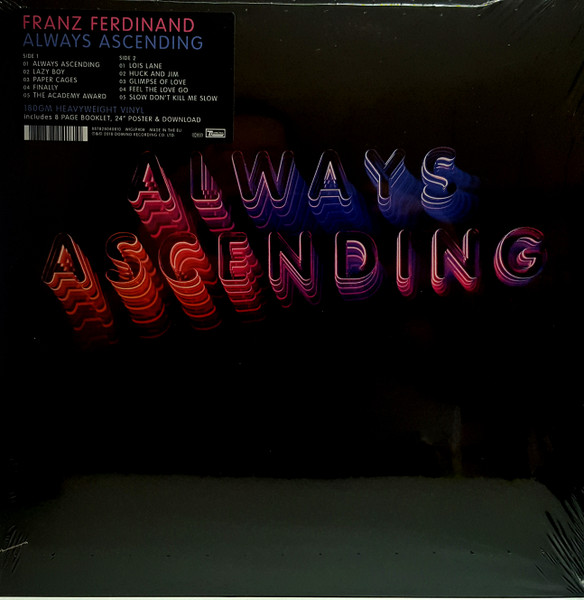
Always Ascending
2018
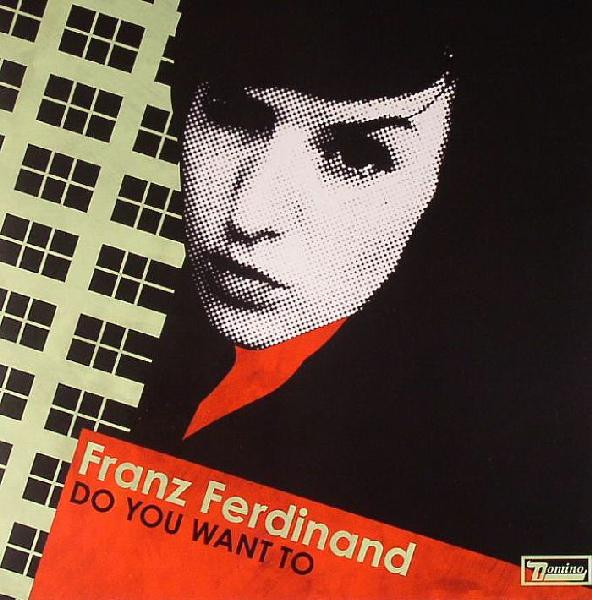
Do You Want To
2005

Blood
2009
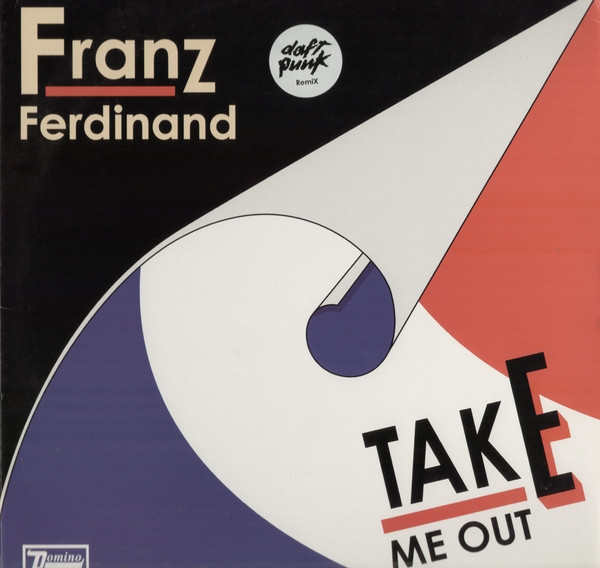
Take Me Out
2004
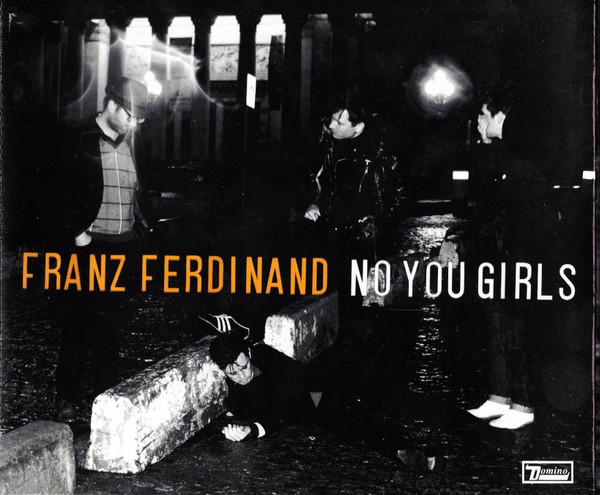
No You Girls
2009

Michael
2004

Ulysses
2009

Walk Away
2005
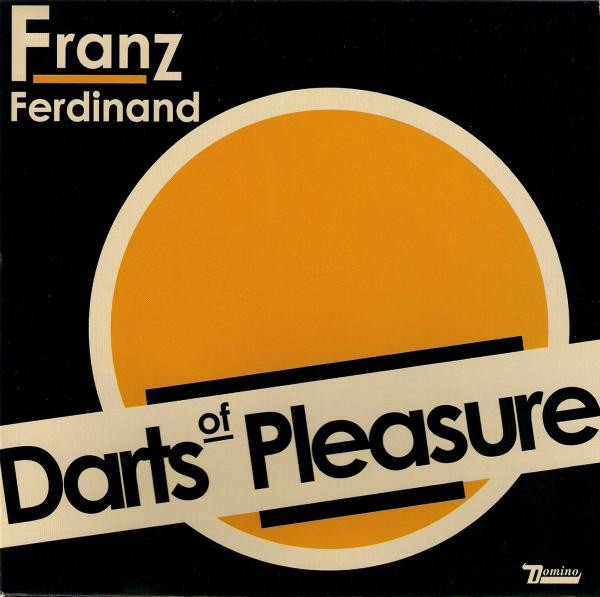
Darts Of Pleasure
2003

Eleanor Put Your Boots On
2006

The Fallen / L. Wells
2006
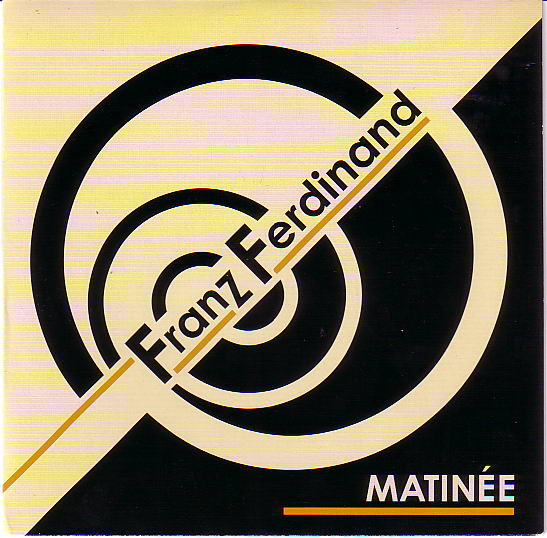
Matinée
2004

Always Ascending
2017

Right Action
2013
Franz Ferdinand Covers E.P.
2011
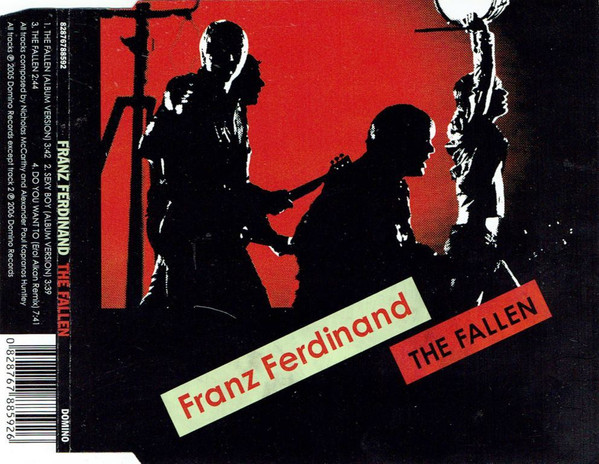
The Fallen
2006

Outsiders
2006

Your Diary
2005
Related artists
Around the web
Follow every record they touch.
Start your shelf and Gatefold tracks Franz Ferdinand's new pressings, tour dates, and the whole discography — automatically.
Start your shelf →Free forever. Works with 10 records or 10,000.