
Artist
Chris Cornell
Soundgarden lead singer
Seattle, United States · 1964 – 2017
Chris Cornell is a musician from Seattle, United States, active 1964–2017. Their discography on Gatefold includes 13 records. They also recorded with Soundgarden, Audioslave and Temple of the Dog.

43
Albums tracked
1,027
In collections
1964
Since
Biography
Soundgarden were tracking Ultramega OK in 1988 and the producer, Drew Canulette, didn't have a clue how to handle the low-end sludge coming off Kim Thayil's guitar or the four-octave range screaming out of the booth. Cornell hated that session because the mix was thin and missed the point of their Sabbath-meets-Zeppelin-on-bad-acid reality. He wasn't some flannel-wearing poster boy; he was a drummer first who just happened to have a voice that could peel paint off the walls of the Central Tavern. He spent his career trying to outrun the 'Grunge' tag by leaning into weird time signatures and session-heavy polished rock, occasionally falling flat on his face when he tried to get too sleek. For every masterpiece like Superunknown, there’s a confusing stumble like Scream where Timbaland tried to turn him into a pop star, which went over about as well as a lead balloon in a used record bin. But the guy never played it safe. He went from screaming over odd-meter riffs to stripped-back acoustic shows because he knew his voice was the only instrument in the room that actually mattered.
Bio from The Clerk
The Arc of Chris Cornell
The pivots — what forced Chris Cornell to reinvent.
The SST Sludge Years
Before the majors came knocking, Soundgarden were the first Seattle kids to sign with SST Records, the home of Black Flag and Husker Du. They were playing weird, lurching psych-metal that was too heavy for the punks and too smart for the hair metal crowds. You can hear it on Louder Than Love where the band is still trying to bridge the gap between heavy riffage and the arty, discordant textures of the local scene. It was a messy, loud era that proved Chris could carry a band on pure lung power alone.
The Terry Date Polish
Bringing in producer Terry Date for Badmotorfinger changed the physics of the band by tightening the low end and letting the vocals sit right on top of the mix. This was the moment they stopped sounding like a basement jam and started sounding like a stadium threat. The songs got tighter, the screams got more controlled, and the band started experimenting with open tunings that made the guitars sound like they were tuned to the center of the earth. It was the blueprint for everything that hit the radio in '91.
The Post-Grunge Supergroup
When Soundgarden imploded in '97, Cornell eventually ended up in a room with the instrumental core of Rage Against the Machine, which looked like a corporate fever dream on paper. Rick Rubin convinced them to ditch the political rap-rock and just write big, melodic anthems under the name Audioslave. The result was a weirdly successful pivot into straight-ahead rock that stripped away the 7/4 time signatures for something more muscular and direct. It lacked the mystery of his early work but proved he could dominate the FM dial without a single gimmick.
Influences
- The Beatles — Cornell famously cited the 1962–1966 and 1967–1970 compilations as his entire musical education while he was a shut-in teenager. You hear it in the sophisticated vocal harmonies and minor-key bridges he buried under the distortion of Soundgarden. He even covered 'Strawberry Fields Forever' live to show exactly where those weird intervals came from.
- Black Sabbath — The band basically formed to see if they could recreate the dread of Master of Reality. You hear the Iommi-worship in the slow, tuned-down riffs of songs like 'Mailman' or '4th of July.' Chris was the only singer in Seattle who could match that level of heavy with a voice that didn't sound like a cartoon.
- Led Zeppelin — The Robert Plant comparison is obvious, but it’s the blues-on-steroids delivery that Chris took to heart. He directly referenced Jimmy Page’s production style as the goal for the wall-of-sound guitars on Superunknown. The DNA of 'Dazed and Confused' is all over the sprawling structure of 'Slaves & Bulldozers.'
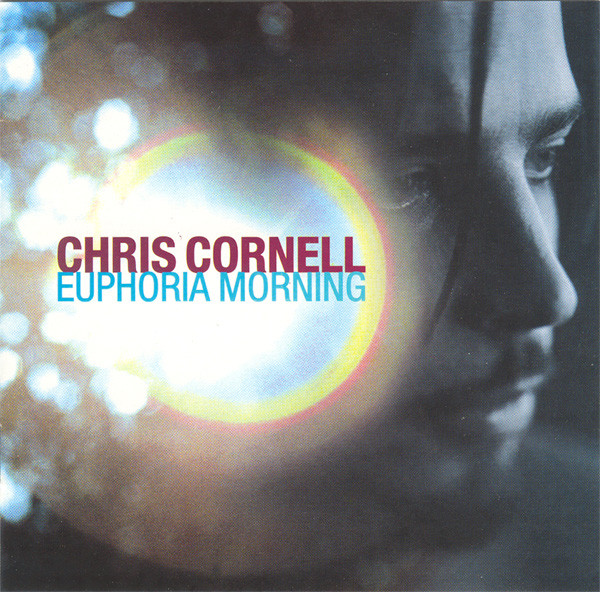
- Pink Floyd — He constantly praised Syd Barrett’s era of the band for its fearless approach to dark, psychedelic songwriting. The atmospheric, lonely dread on his solo debut Euphoria Morning is a direct line back to Meddle-era Floyd. He even used a Leslie speaker on his vocals to get that swirling, disorienting David Gilmour vibe.
- Little Richard — In multiple interviews, Cornell credited Little Richard as the guy who taught him that a scream could be a melodic choice rather than just noise. You can hear that frantic, high-register grit in the early Soundgarden EPs. It’s the sound of a guy pushing his vocal cords until they nearly snap, just to see what happens.
Chris Cornell — solo
Their records — most-collected first.

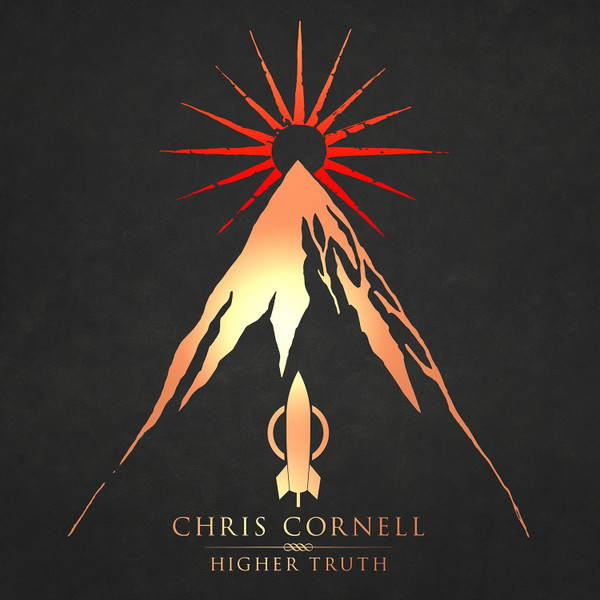

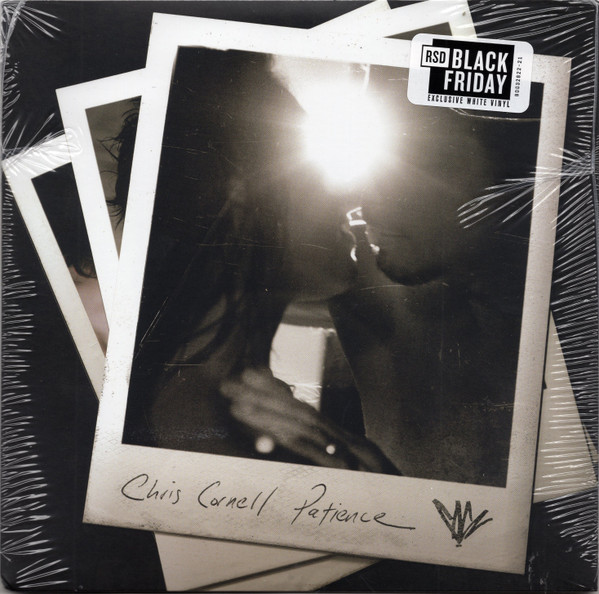
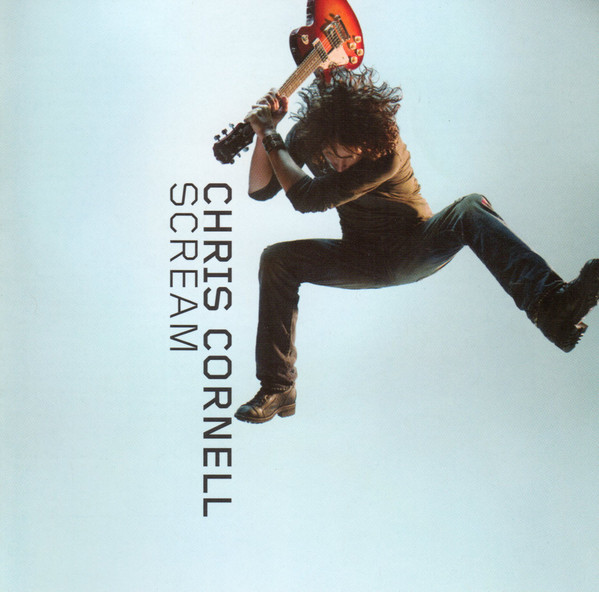
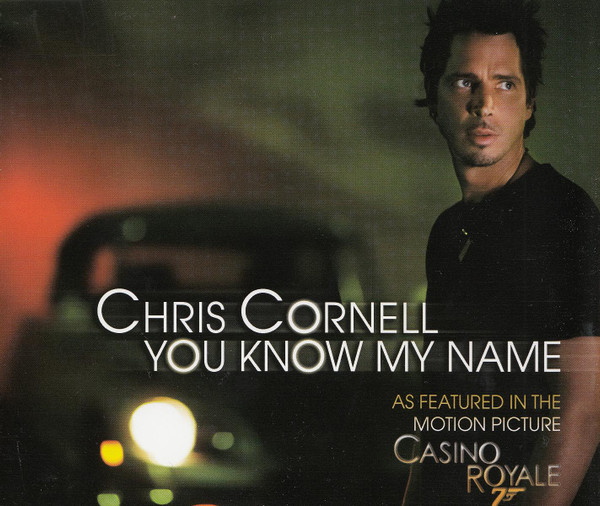
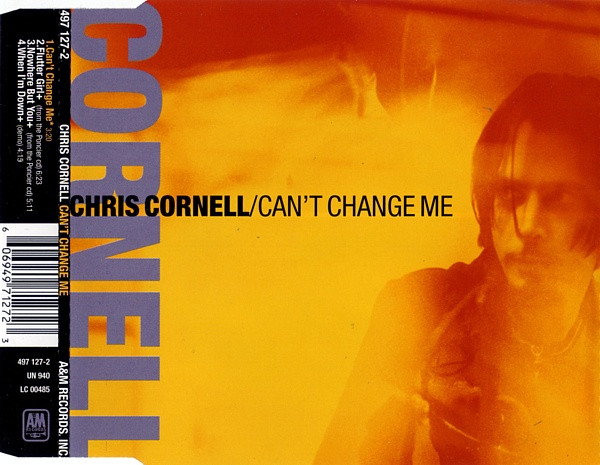


Soundgarden
A project Chris Cornell was part of. Former member.
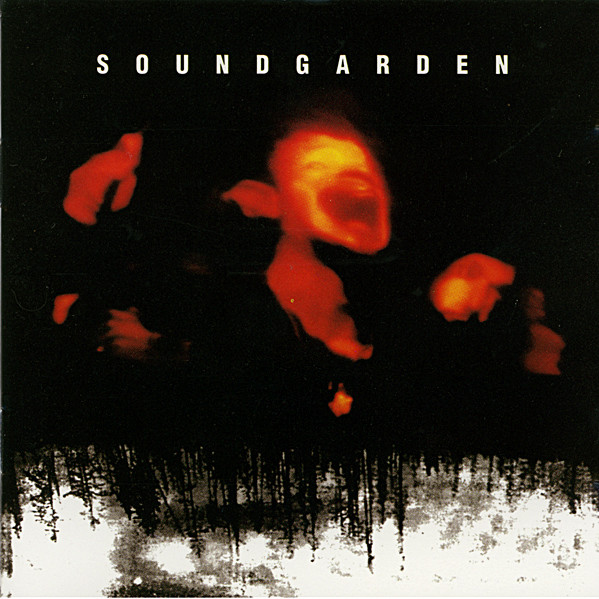
Superunknown
1994
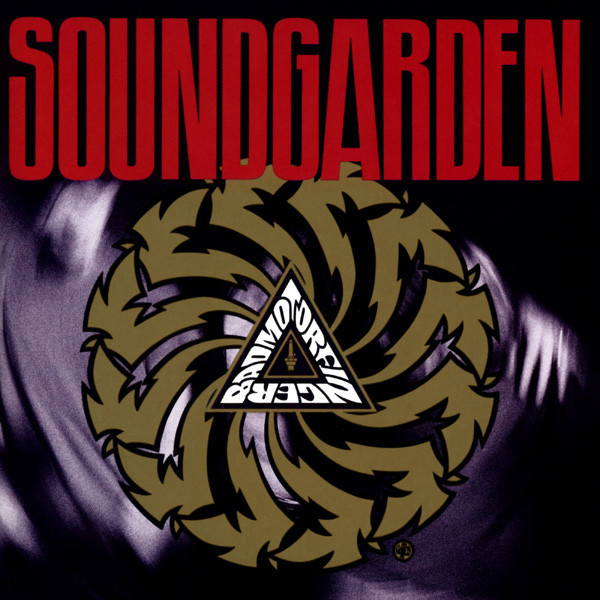
Badmotorfinger
1991
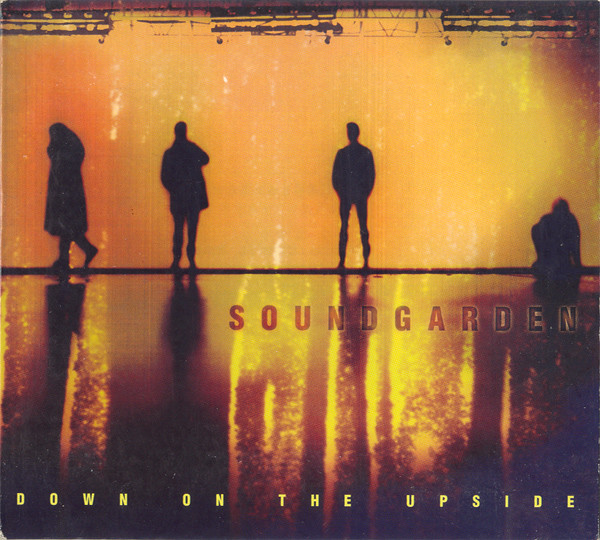
Down On The Upside
1996
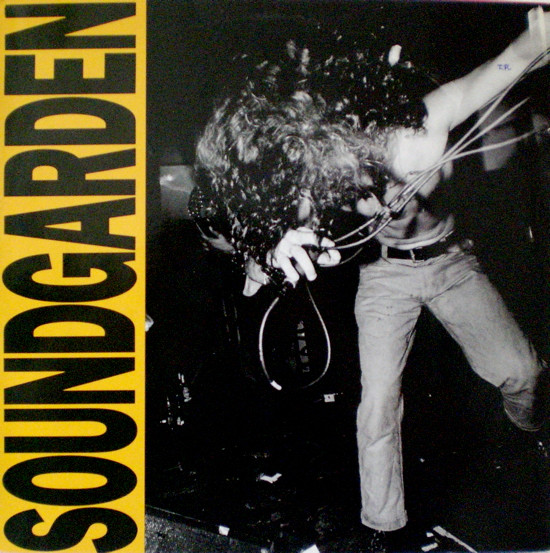
Louder Than Love
1989

King Animal
2012
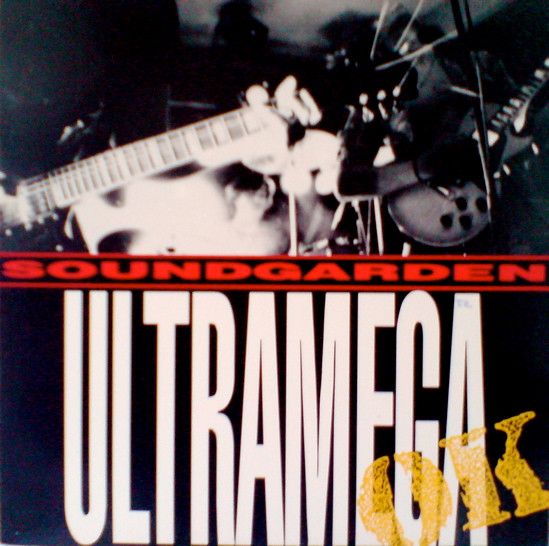
Ultramega OK
1988

A-Sides
1997
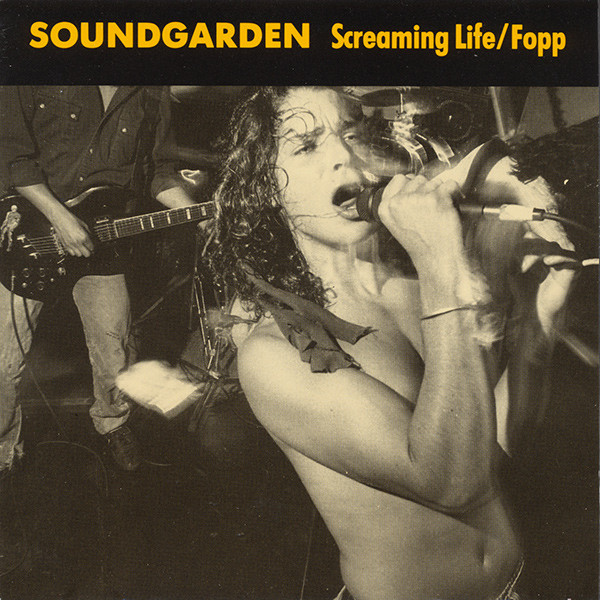
Screaming Life / Fopp
1990
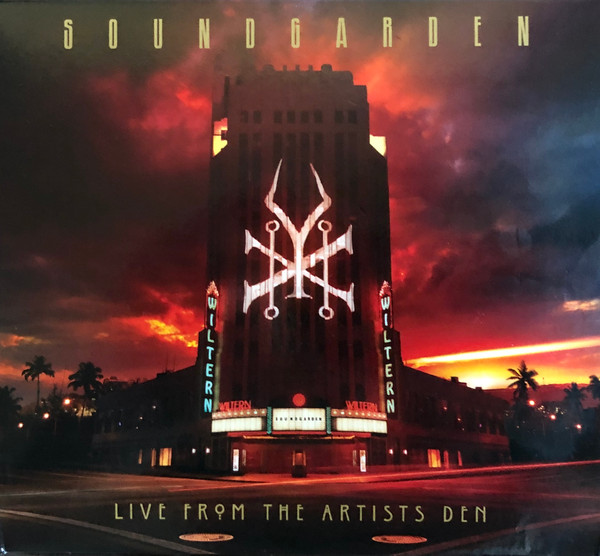
Live From The Artists Den
2019

Telephantasm
2010

Live On I-5
2011
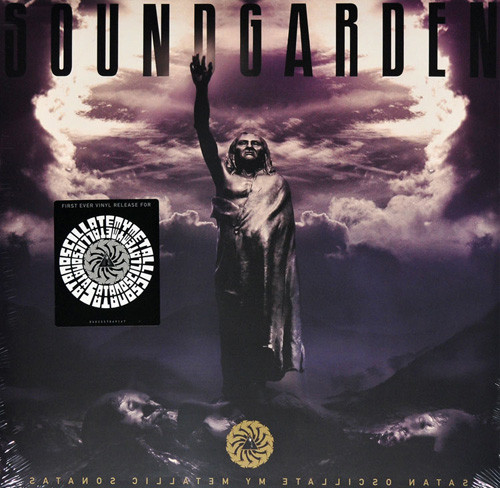
Satanoscillatemymetallicsonatas
2016

Echo Of Miles: Scattered Tracks Across The Path
2014

Echo Of Miles The Originals
2014
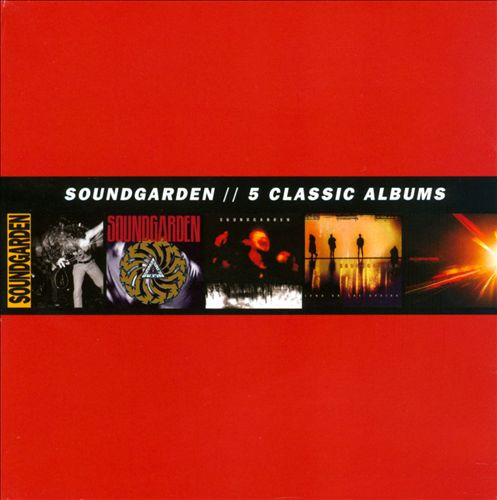
The Classic Album Selection
2012

Songs From The Superunknown
1995

Louder Than Love & BadMotorFinger
1993
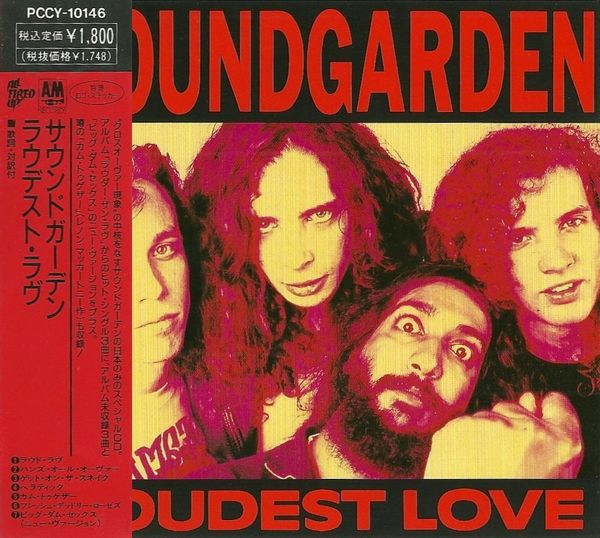
Loudest Love
1990

Supermotorfinger
1995

Fopp
1988
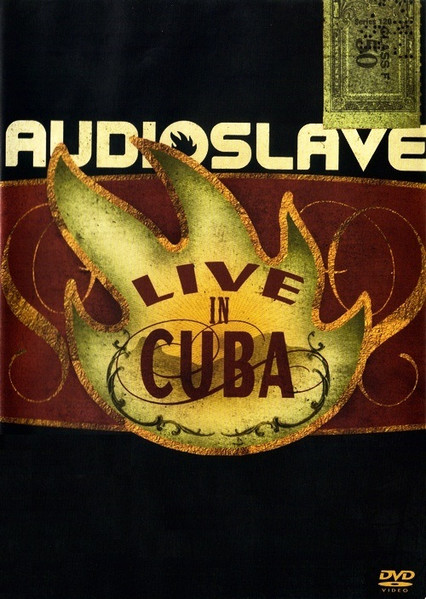
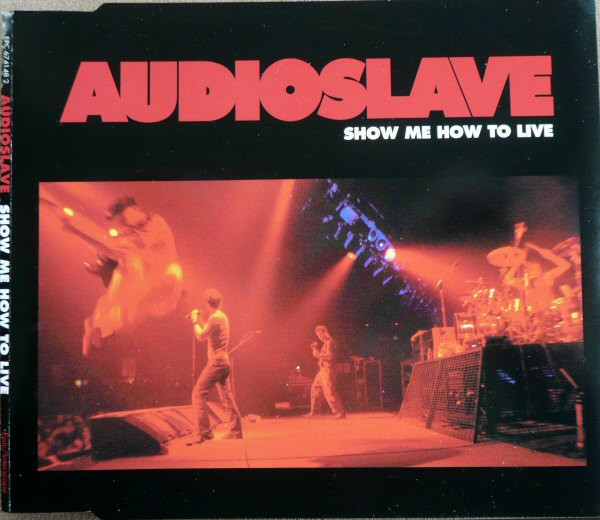
Audioslave
A project Chris Cornell was part of. Former member.
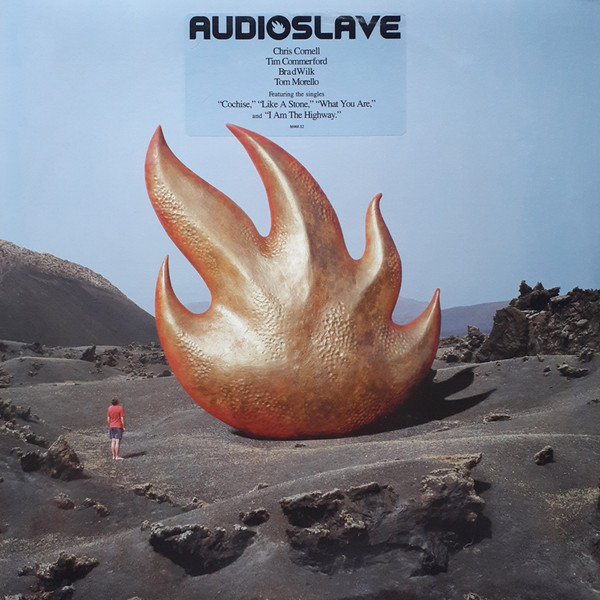




Temple of the Dog
A project Chris Cornell was part of.

Related artists
Frequent collaborators
Around the web
Follow every record they touch.
Start your shelf and Gatefold tracks Chris Cornell's new pressings, tour dates, and the whole discography — automatically.
Start your shelf →Free forever. Works with 10 records or 10,000.