
Artist
Return to Forever
New York City, United States · 1971 – 2021
Return to Forever is a music group from New York City, United States, active 1971–2021. Their discography on Gatefold includes 14 records.
14
Albums tracked
121
In collections
1971
Since
Biography
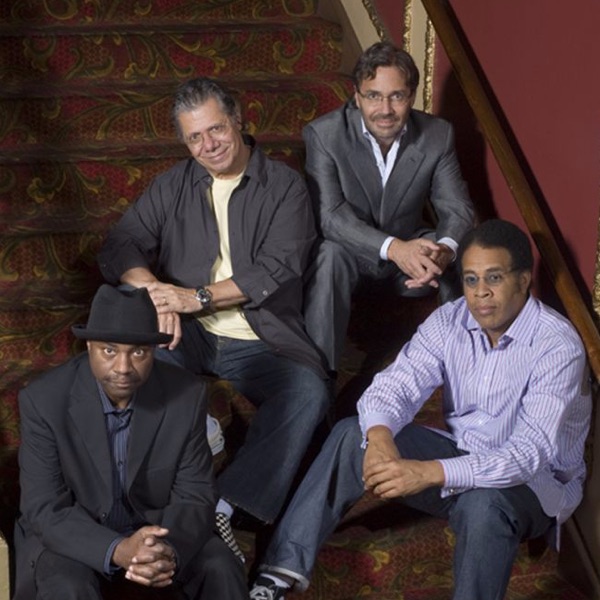
Chick Corea ditched the Fender Rhodes and the electric fuzz of Miles Davis's Bitches Brew sessions to go back to the acoustic piano and a stack of Scientology literature. He pulled Flora Purim and Airto Moreira into a room with Stanley Clarke and Joe Farrell, aiming for something light, breezy, and rhythmic that didn't sound like a heroin nightmare in a NYC basement. The early stuff is all air and Brazilian pulse, but it didn't last once Chick saw what John McLaughlin was doing with a Marshall stack. By the mid-70s, the band was a goddamn high-speed chase. They traded the flutes for Al Di Meola’s shredding and Lenny White’s heavy hitting, turning jazz into a technical arms race that scared the hell out of the purists. It was arrogant, insanely difficult music played by guys who knew they were better than everyone else on the festival circuit. Sometimes it’s too much—just a wall of notes and ego—but when Clarke hits those percussive pops on the bass, you realize nobody else had the stones to play this aggressively without a singer.
Bio from The Clerk
The Arc of Return to Forever
The pivots — what forced Return to Forever to reinvent.
The Brazilian Air Era
After leaving Miles Davis, Chick Corea wanted to pivot away from the dark, chaotic dissonance of the 'Lost Quintet' and toward something with a clearer melody. He brought in Flora Purim and Airto Moreira to infuse the 1972 self-titled debut with a bossa nova lilt and wide-open spaces. You hear it in the Rhodes patches and the flute lines—it’s music that breathes before the fusion hammer eventually came down.
The High-Voltage Shred
Everything changed when Bill Connors left and a nineteen-year-old Al Di Meola joined the ranks for Where Have I Known You Before. The band swapped the breezy Latin vibes for high-gain Gibson Les Pauls and Minimoog synths that sounded like interstellar warfare. This was the peak of the 'power quartet' lineup where the interplay between Clarke and Lenny White became the blueprint for every prog-metal drummer who’s ever walked into this shop.
The Big Band Pivot
By 1977, Chick blew the whole thing up again, ditching the shred-heavy quartet for a thirteen-piece ensemble that included a full horn section and his wife, Gayle Moran, on vocals. Musicmagic was a hard pivot toward a theatrical, almost symphonic sound that lacked the grit of the Di Meola era. It’s the record that divides the room every time—half the people love the orchestration, while the other half just wants the volume back.
Influences
- Miles Davis — Corea and Farrell both cut their teeth on Bitches Brew and Live-Evil. The DNA of those marathon sessions provided the foundation for the improvisational telepathy Chick demanded from every RTF lineup. It's the reason the band could pivot from structured themes to total chaos in a heartbeat.
- Béla Bartók — Chick was obsessed with the 20th-century composer's use of folk melodies and complex structures. You can hear those jagged, rhythmic intervals in the unison lines Chick and Stanley Clarke played on Hymn of the Seventh Galaxy. It's classical discipline disguised as a rock riot.
- John McLaughlin — The Mahavishnu Orchestra’s sheer volume and speed were the direct catalyst for Chick firing the original lineup and going electric. Chick saw McLaughlin's success and realized the acoustic piano couldn't compete with that level of decibel-heavy intensity. He bought a mountain of synths the next week.
- Joaquín Rodrigo — The band famously covered 'Spain' and the 'Concierto de Aranjuez' throughout their career. You hear this Spanish influence in the phrygian scales and the staccato phrasing of the melodies. It kept the fusion from feeling like just another aimless blues jam.
- Stan Getz — Chick played in Getz’s band in the late 60s, which is where he learned the intricacies of Latin phrasing and commercial song structure. That mentorship is why even the most complex RTF tracks still have a hook buried under the soloing. Getz taught him how to lead a band that people actually wanted to listen to.
Discography
Their records — most-collected first.

Romantic Warrior
1976
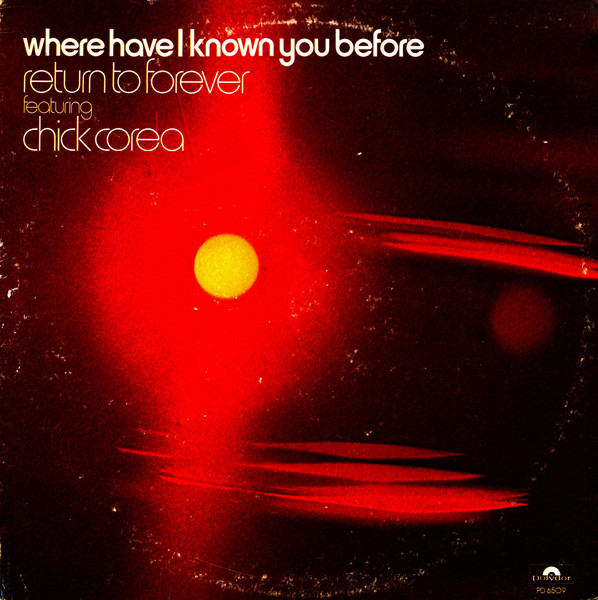
Where Have I Known You Before
1974
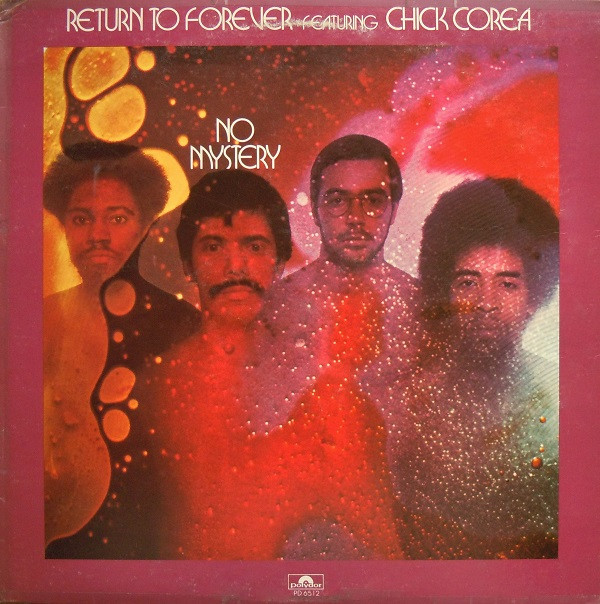
No Mystery
1975
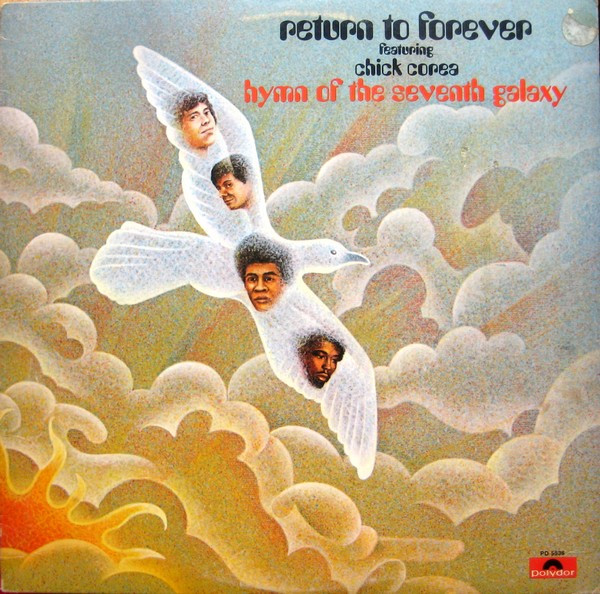
Hymn Of The Seventh Galaxy
1973
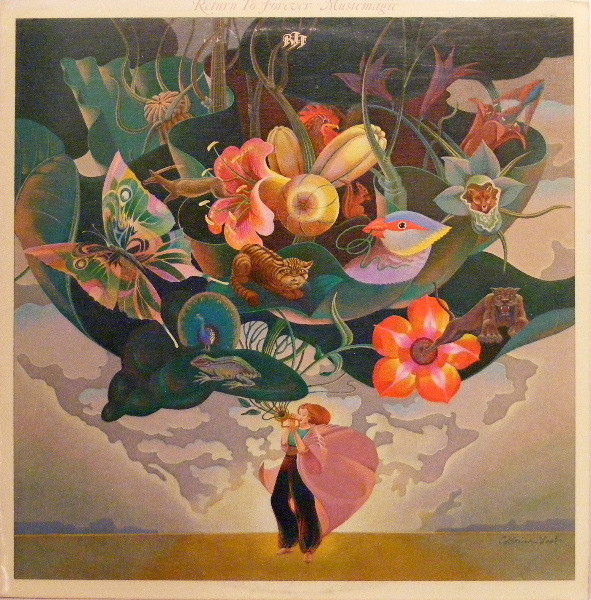
Musicmagic
1977
Live—The Complete Concert
1978
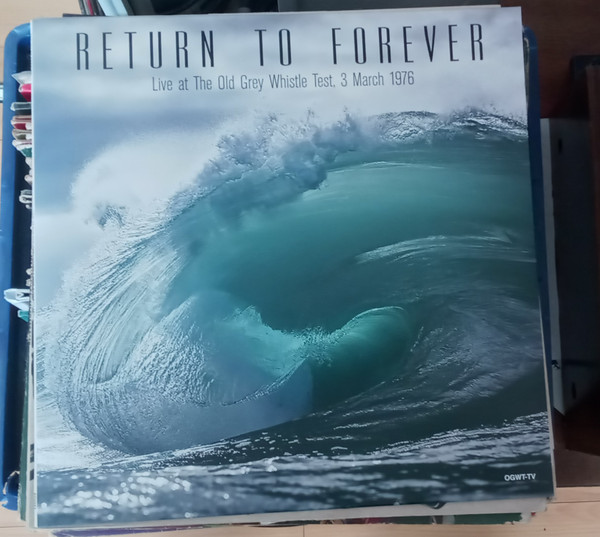
Live At The Old Grey Whistle Test, 3 March 1976
2020

Electric Lady Studio, NYC, June 1975
2015

The Mothership Returns
2012
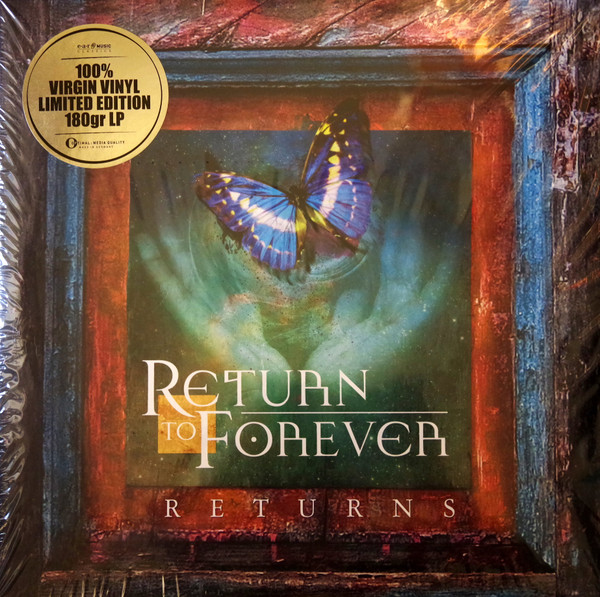
Returns
2009
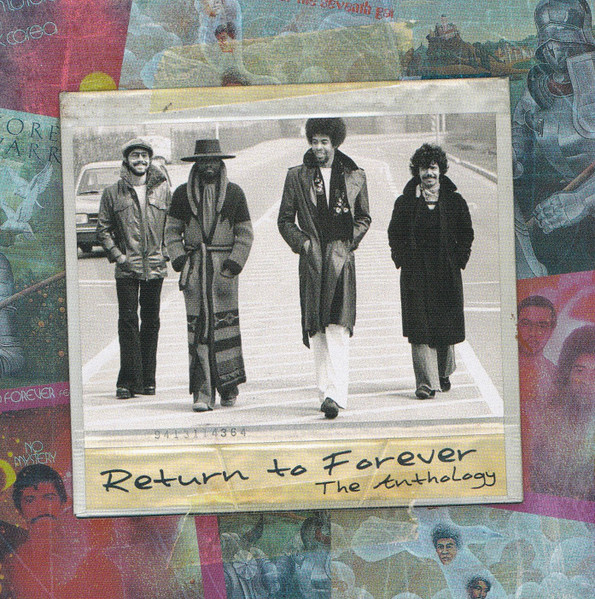
The Anthology
2008
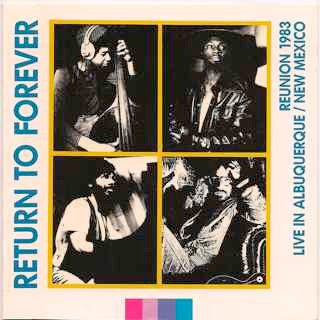
Reunion 1983
1992
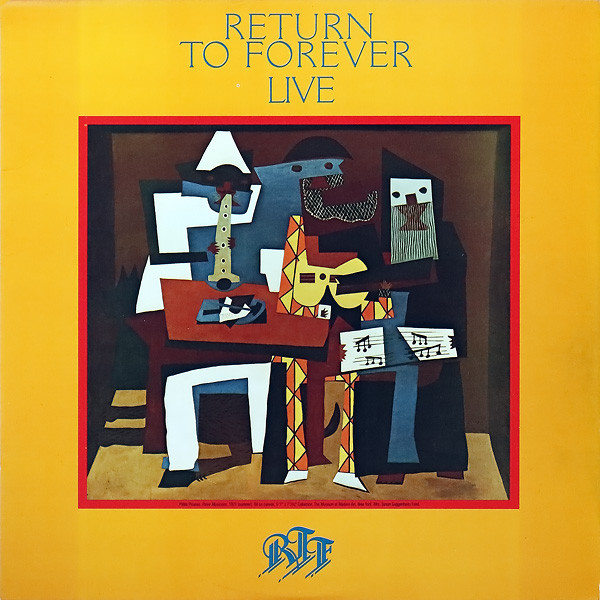
Live
1978

Returns Live At Montreux 2008
2009
Related artists
Around the web
Follow every record they touch.
Start your shelf and Gatefold tracks Return to Forever's new pressings, tour dates, and the whole discography — automatically.
Start your shelf →Free forever. Works with 10 records or 10,000.