
Artist
Bon Iver
US indie folk band
Eau Claire, United States · Formed 2006
Bon Iver is a music group from Eau Claire, United States, active since 2006. Their discography on Gatefold includes 11 records.

11
Albums tracked
490
In collections
2006
Since
Biography
Justin Vernon went to a hunting cabin in Dunn County with a 1930s National Duolian guitar, an SM57, and a broken heart. He wasn't trying to start a movement—he was trying to survive a bout of mononucleosis and a messy breakup with his band, DeYarmond Edison. For Emma, Forever Ago is just a dude tracked in a basement on an old PowerBook G4, layering his own voice because he didn't have anyone else to harmonize with. It’s the ultimate shut-in record, and it only became a hit because it felt like listening to a secret someone accidentally left on a voicemail. Then things got weird when the fame hit. He pivoted from the 'bearded guy with a guitar' trope into a mad scientist, locking himself in a former veterinary clinic turned studio called April Base. He stopped writing traditional folk songs and started messing with the Messina—a software-hardware rig engineered by Chris Messina that creates those hyper-digital, multi-voice harmonies. By the time he was collaborating with Ye on My Beautiful Dark Twisted Fantasy, the cabin guy was dead. He replaced him with a gear-obsessed architect who treats vocals like a synthesizer and punctuation like a puzzle.
Bio from The Clerk
The Arc of Bon Iver
The pivots — what forced Bon Iver to reinvent.
The Cabin Isolation
After the collapse of his previous projects and his personal life, Vernon retreated to his father's cabin to track For Emma, Forever Ago. The record is defined by its limitations: the creak of floorboards, the hum of a cheap interface, and the use of falsetto to reach notes his speaking voice couldn't handle. It is a document of accidental lo-fi brilliance that relies entirely on raw performance over production polish. When it finally got picked up by Jagjaguwar, it transformed from a private demo into the blueprint for a decade of indie folk.
The April Base Expansion
For the self-titled 2011 follow-up, Vernon moved into a massive renovated studio space and brought in session heavyweights like Colin Stetson and Greg Leisz. He traded the solo acoustic guitar for pedal steel, horns, and 1980s adult-contemporary textures that sounded like Bruce Hornsby on a bender. This era moved the project from a bedroom hobby to a maximalist orchestral force, winning Grammys and proving he could lead a large-scale ensemble. The sound is lush, reverb-soaked, and far more concerned with the texture of a place than the lyrics of a song.
The Messina Glitch
The 22, A Million sessions marked a total rejection of the 'folk' label, driven by the creation of the Messina and the OP-1 sampler. Vernon started chopping his vocals into digital fragments and replacing song titles with numerology and symbols. The acoustic instruments are still there, but they’re buried under layers of distortion and granular synthesis that make the records sound like they’re being transmitted from a dying satellite. It was a polarizing shift that successfully shed the casual listeners who just wanted more songs about heartbreak in the woods.
Influences
- Bruce Hornsby — Vernon has cited Hornsby’s piano style and 'The Way It Is' as core DNA, eventually bringing him in to play on 'i,i.' You hear it in the bright, mid-tempo piano clusters and the soft-rock palette of the self-titled record. It’s the sound of the 80s Midwest filtered through an indie lens.
- Bonnie Raitt — The track 'I Can't Make You Love Me' is a staple of Vernon's live sets and a direct influence on his vocal delivery. Her influence is all over his soulful, yearning phrasing and the way he uses silence between notes. It’s the bridge between his folk roots and his R&B sensibilities.
- Mahalia Jackson — Vernon frequently references Jackson as a primary influence on his approach to choral arrangements and vocal power. The layered 'choir of one' effect on his early work is a direct attempt to replicate the spiritual weight of her gospel recordings. You hear that devotional intensity in every stacked harmony on 22, A Million.
- Peter Gabriel — The two collaborated on the 'Scratch My Back' project, but Gabriel's influence dates back to his experimental use of Fairlight samplers and world-music textures. The shift from pop songwriting to textural soundscapes in Bon Iver's middle era mirrors Gabriel's own departure from Genesis. It’s that shared obsession with the studio as an instrument.
- The Staple Singers — Vernon has pointed to the group's early folk-gospel records as the reason he started exploring the lower registers of his voice alongside the falsetto. The raw, tremolo-heavy guitar work on 'For Emma' owes a massive debt to Pops Staples’ minimalist style. It grounds his more experimental tendencies in something much older and dustier.
Discography
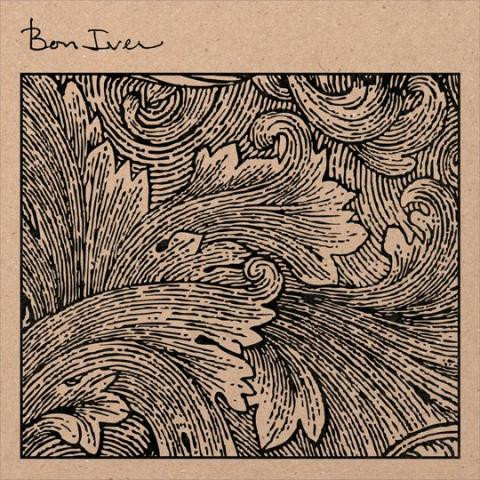
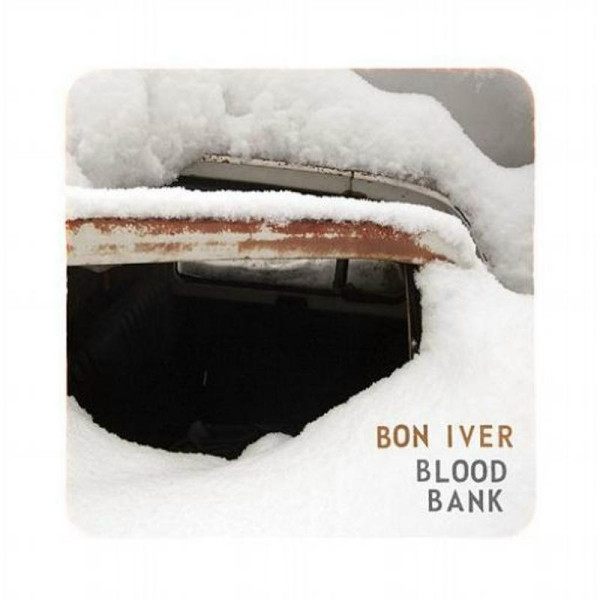
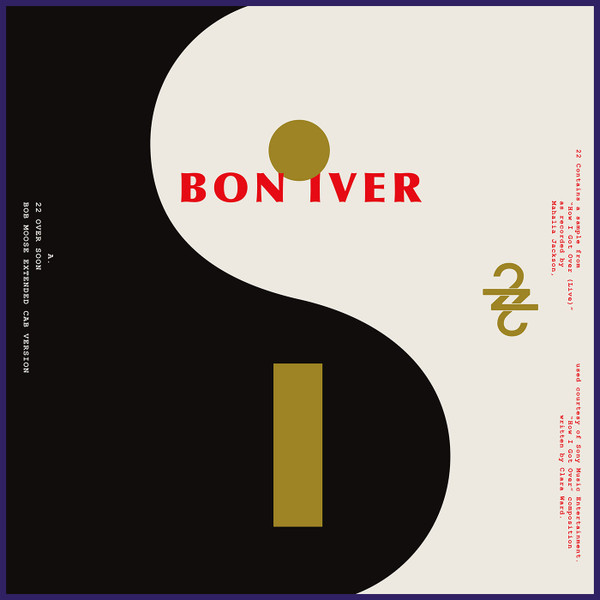
Their records — most-collected first.





Related artists
Frequent collaborators
Around the web
Follow every record they touch.
Start your shelf and Gatefold tracks Bon Iver's new pressings, tour dates, and the whole discography — automatically.
Start your shelf →Free forever. Works with 10 records or 10,000.