
Artist
James Blake
English singer and producer
London, United Kingdom · b. 1988
James Blake is a musician from London, United Kingdom, active since 1988. Their discography on Gatefold includes 16 records.

16
Albums tracked
137
In collections
1988
Since
Biography
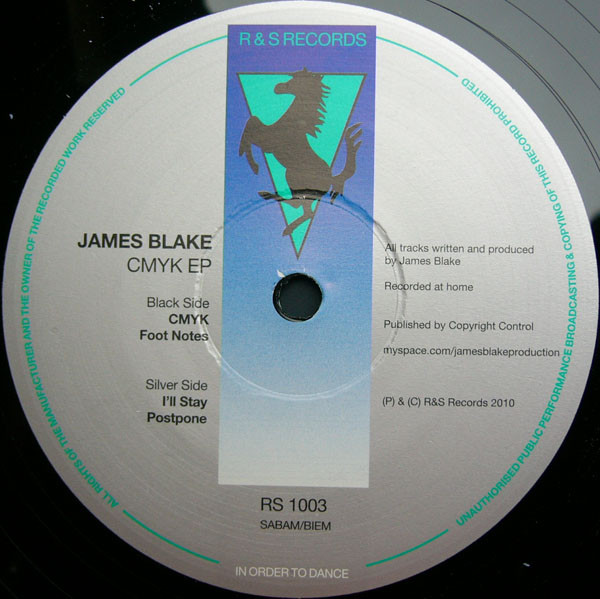
James Blake built his opening salvo around a laptop, chopped R&B acapellas, and the crushing low-end pressure of FWD>> at Plastic People. He wasn't some bedroom romantic dreaming of Laurel Canyon. He was cutting white labels like the CMYK EP that weaponized negative space, slicing Kelis vocal snippets into fractured percussion while subterranean bass rattled your teeth loose. Then he sat down at a piano, put his actual singing voice on tape for the 2011 self-titled debut, and split the entire electronic community right down the middle. Purists cried betrayal while festivals handed him main-stage slots. What saved him from becoming just another polite falsetto act was that bastard sound-system instinct he refused to unlearn. Even when he drifted into high-gloss American hip-hop circles and took calls from stadium heavyweights, the architecture of his tracks stayed weirdly skeletal. When the pop polish started wearing thin and the balladry threatened to turn him into high-end wallpaper, he pivoted straight back to modular synths and raw dancefloor mechanics. He's one of the few guys who walked straight into major-label boardrooms, got his checks, and still managed to bail back out to the underground without losing his edge.
Bio from The Clerk
The Arc of James Blake
The pivots — what forced James Blake to reinvent.
The Bedroom Dubstep Exorcisms
Before anyone cared about his singing voice, Blake was rattling club walls alongside Mount Kimbie with surgical dance 12-inches. Breakthrough releases like The Bells Sketch and the CMYK EP took UK bass music, stripped out the aggressive swagger, and rebuilt it out of silence, chopped soul samples, and shuddering sub-frequencies. It was dance music engineered for headphone paranoids and cavernous basement sound systems alike. You hear the blueprint being drawn right there: maximum physical weight generated from the absolute minimum amount of sound.
The Singer-Songwriter Turn
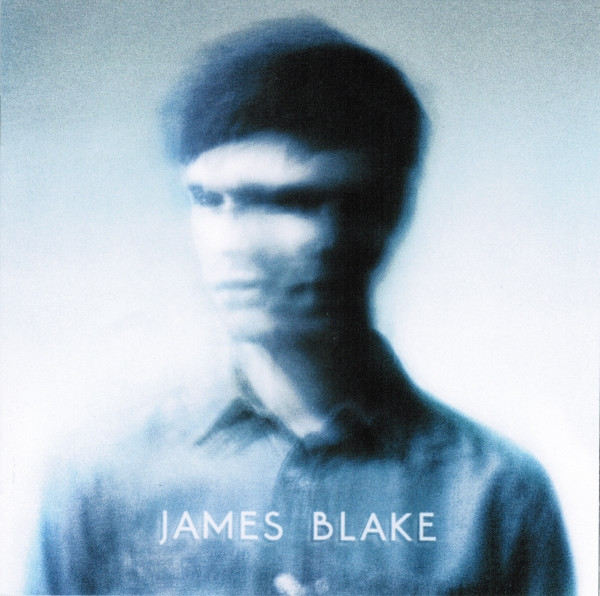
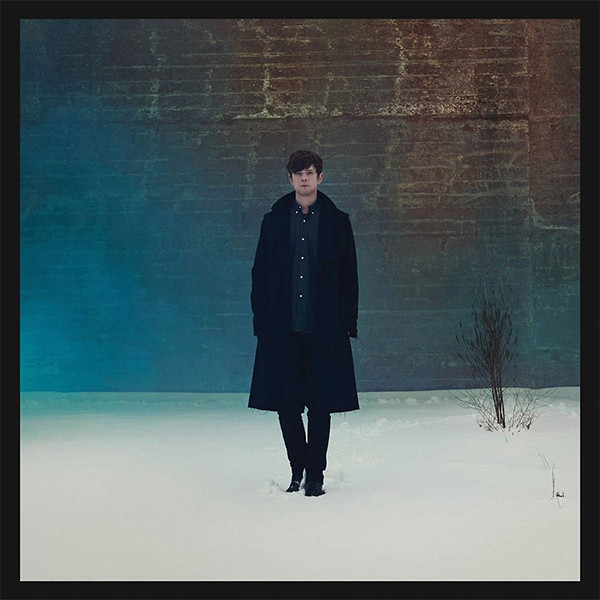
Dropping the self-titled James Blake LP in 2011 was a calculated grenade thrown at club culture. Co-produced with Rob McAndrews, the record pushed his quavering, untreated falsetto right to the front of the mix while drowning Feist covers in claustrophobic sub-bass. The electronic purists howled about betrayal, but the transition paid off when Overgrown brought in Brian Eno, snagged a RZA guest verse, and walked off with the 2013 Mercury Prize. The sound was suddenly wider, trading garage swing for brooding, melancholy pop mechanics.
The Laurel Canyon Hip-Hop Rolodex
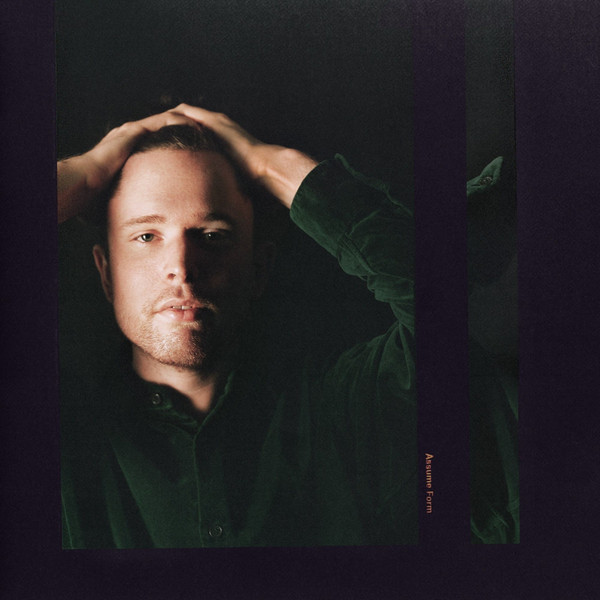
By the mid-2010s, American hip-hop royalty figured out that Blake's moody chord progressions were gold dust. Moving tracking sessions to the States and working out of Shangri-La with Rick Rubin for The Colour in Anything put him in the orbit of everyone from Frank Ocean to Travis Scott. The peak of this era arrived on Assume Form in 2019, where he handed over the drum programming to Metro Boomin and shared mic space with André 3000. The stark solitude of his early days evaporated into lush, radiant love songs built for streaming playlists.
Polished R&B Balladry
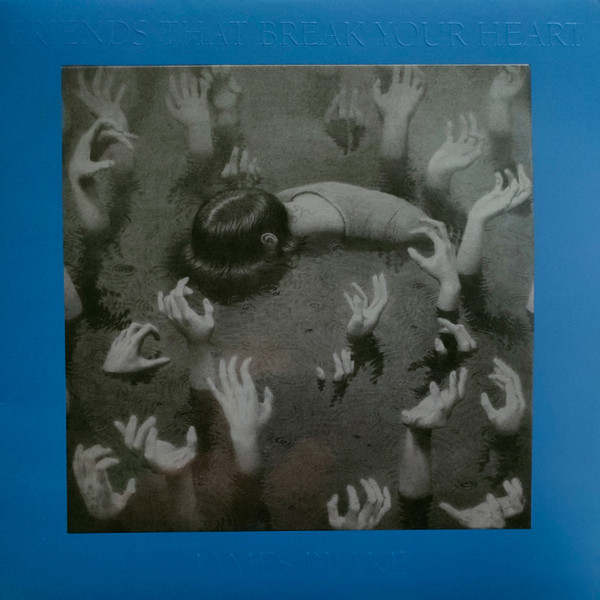
The momentum toward pristine, mainstream songwriting culminated with Friends That Break Your Heart in 2021. Backed by features from SZA and JID, Blake shaved off nearly all his abrasive edges in favor of tightly constructed, vulnerable radio R&B. The production was immaculate, but the raw experimental grit that made his early records terrifying had been sanded down into handsome melancholy. It was a masterclass in modern pop craftsmanship that inadvertently proved he had pushed the polished singer routine as far as it could fucking go.
The Modular Reclamation
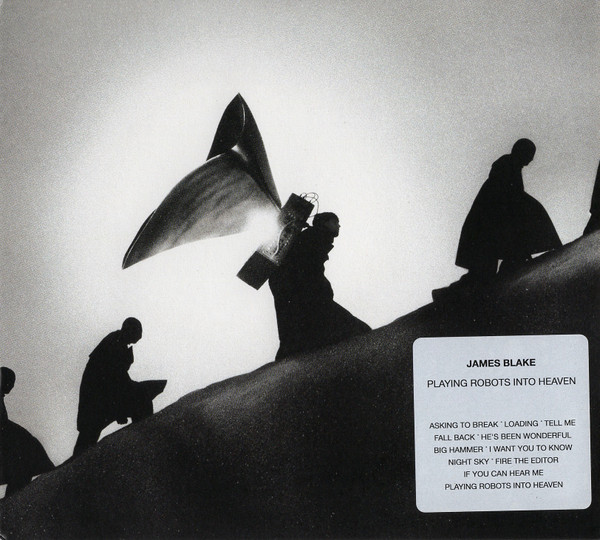
Realizing he was dangerously close to being permanently trapped in adult-contemporary purgatory, Blake blew up his own formula. He dropped Playing Robots Into Heaven in 2023, dumping the guest vocalists and pop hooks to lock himself in a room with modular gear and brutal dance beats. Then he walked away from Polydor entirely, going independent to cut Bad Cameo with Lil Yachty in 2024 before delivering Trying Times on his own terms. It was the sound of a producer taking his autonomy back and reminding everyone he was a basement noise head first.
Influences
- Burial — Burial defined the haunted, pitch-shifted vocal manipulation and vinyl crackle over UK garage rhythms that gave birth to Blake's earliest tracks. You hear that exact subterranean dread and spectral soul sampling all over Blake's 2010 breakthrough CMYK EP.
- Stevie Wonder — Blake has routinely cited Wonder's classic seventies run as his foundational vocal text and melodic north star. Listen to the chord voicings and chromatic vocal runs on Overgrown—it is pure Innervisions filtered through cold British rain.
- Arthur Russell — Russell proved a cello, an echo unit, and an idiosyncratic, fragile male vocal could command a room without any pop compromise. Blake's early, skeletal live setup directly mirrored that vulnerable, dub-drenched chamber-music approach.
- D'Angelo — The dragging, behind-the-beat swing of Voodoo fundamentally altered how Blake mapped out his drum machines and keyboard timing. The loose, drunken rhythm pocket driving tracks across his 2011 self-titled debut owes everything to the Soulquarians' sense of push and pull.
- Joni Mitchell — Blake famously covered 'A Case of You' on the Enough Thunder EP, laying bare his debt to Mitchell's unconventional phrasing and fearless lyrical intimacy. Her open-tuned harmonic unpredictability is the secret spine running through all of his piano-led ballads.
Discography
Their records — most-collected first.






Related artists
Frequent collaborators
Around the web
Follow every record they touch.
Start your shelf and Gatefold tracks James Blake's new pressings, tour dates, and the whole discography — automatically.
Start your shelf →Free forever. Works with 10 records or 10,000.