
Artist
Bob Seger
Detroit, United States · b. 1945
Bob Seger is a musician from Detroit, United States, active since 1945. Their discography on Gatefold includes 14 records. They also recorded with Bob Seger & the Silver Bullet Band, The Bob Seger System and Bob Seger & The Last Heard.

30
Albums tracked
476
In collections
1945
Since
Biography
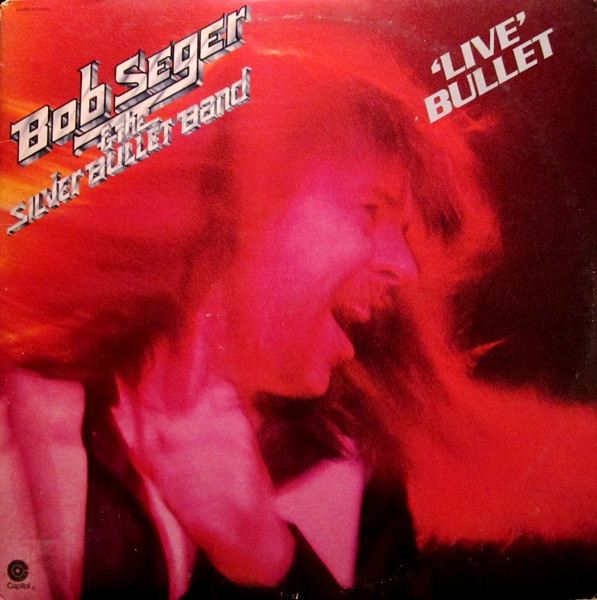
Punch Andrews recorded 'Ramblin' Gamblin' Man' in a tiny Detroit facility on four-track tape with Glenn Frey playing acoustic guitar and singing backup before the Eagles were even a concept. That track hit like a punch in the mouth, but the record company had no clue what to do with a guy who sounded like Little Richard trapped in an assembly line worker's body. For nearly a decade, Seger lived in a van, grinding through the Midwest circuit, blowing the roof off high school gyms while bleeding money and watching lesser bands get the private jets. The industry treated him like a regional footnote who couldn't sell a ticket outside of Michigan. Then he split his studio tracking right down the middle: the Silver Bullet Band for the hard-charging road grit, and the Muscle Shoals Rhythm Section down in Alabama for the velvet-glove ballads. That Alabama rhythm section—David Hood, Roger Hawkins, Barry Beckett, Jimmy Johnson—gave his blue-collar exhaustion a foundation of pure Southern soul. Once 'Live' Bullet dropped in 1976, capturing the madness at Cobo Hall, the rest of the country finally figured out what Detroit knew all along. He spent the next decade churning out multiplatinum records that ran on sweat, straight-eight rhythms, and zero pretension.
Bio from The Clerk
The Arc of Bob Seger
The pivots — what forced Bob Seger to reinvent.
The Garage & System Years
Before the soft-focus ballads, Seger was cutting raw, proto-punk garage screamers for Cameo-Parkway and Capitol. Bands like The Last Heard and The Bob Seger System ran on fuzz pedals, heavy organs, and pure teenage spite. You hear the scorched-earth energy on tracks like 'Heavy Music' and '2+2=?', a blistering anti-war track that hit harder than almost anything coming out of the late-sixties underground. It was loud, desperate, and entirely local.
The Swampers & The Silver Bullet Band
Tired of regional purgatory, Seger drove down to Sheffield, Alabama, to tap into the Muscle Shoals sound while assembling the Silver Bullet Band back home. Balancing the Shoals session kings with his own road-tested touring band gave him the dynamic range he had been chasing for ten years. 'Night Moves' and 'Stranger in Town' proved the gamble worked, locking down a sound that fused heartland rock with deep Southern groove. The grit never left, but the hooks suddenly had room to breathe.
The Platinum Machine
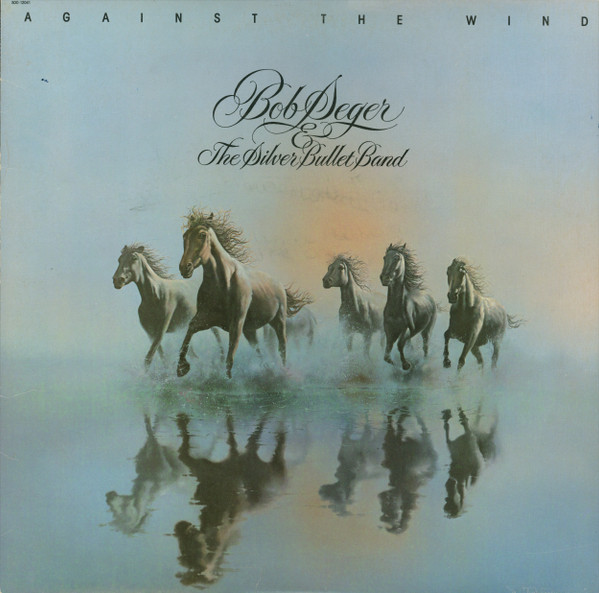
By the dawn of the eighties, the relentless touring paid off in massive arena dominance and runaway radio play. 'Against the Wind' swept the charts, polishing the production edges and leaning all the way into the reflective, weathered-vocalist persona. The arrangements got slicker, the tempos settled into comfortable mid-tempo strides, and the raw edges softened into radio gold. He traded the sweaty gym energy for stadium-scale nostalgia, but his raspy belt kept it honest.
Influences
- Little Richard — Seger has repeatedly cited Richard as the blueprint for his full-throat vocal delivery. You can trace that raspy, top-of-the-lungs screech directly from 'Tutti Frutti' straight into 'Ramblin' Gamblin' Man' and 'Get Out of Denver'. Nobody in Michigan was screaming like that without listening to Specialty 45s on repeat.
- Chuck Berry — Seger built his rhythm guitar style on Berry's double-stop riffs and covered 'Let It Rock' and 'Around and Around' constantly in his early sets. The breathless lyrical meter in 'Get Out of Denver' is basically Seger paying direct rent to 'Johnny B. Goode'. He didn't just borrow the groove; he lifted the entire storytelling engine.
- James Brown — Growing up on Motown and soul radio, Seger studied Brown's stage dynamic and hard-hitting rhythm stops. The bridge breaks and call-and-response shouts in 'Heavy Music' are pure Godfather of Soul played through overdriven garage-rock amps. It is the secret ingredient that kept his rock and roll from sounding like straight country.
- Van Morrison — Seger covered Morrison's 'I've Been Working' on his 1973 album Back in '72 and lifted the street-poet phrasing for his slower, mid-tempo tracks. You hear Van's Celtic-soul cadence all over the reflective verses of 'Night Moves' and 'Mainstreet'. It taught him how to drop the volume and let the storytelling carry the weight.
- Otis Redding — The Stax horn-heavy sound and Redding's gravelly emotional vulnerability were the foundation for Seger's Southern pivot. When Seger booked Muscle Shoals, he was chasing the raw soul ballads Otis cut with Booker T. and the M.G.'s. The ache in ballads like 'Turn the Page' is Otis Redding filtered through midwestern highway grime.
Bob Seger — solo
Their records — most-collected first.
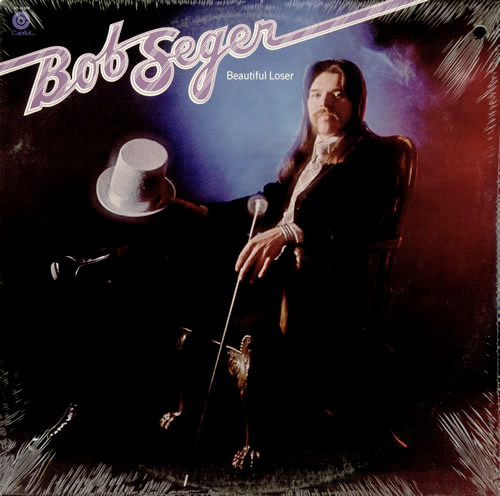
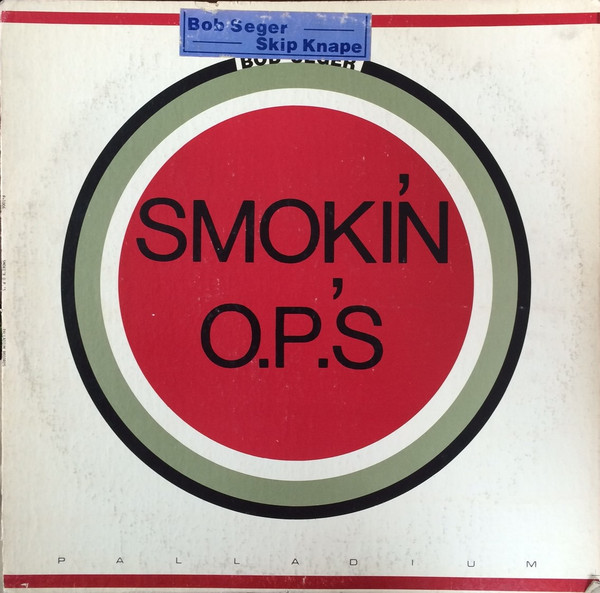


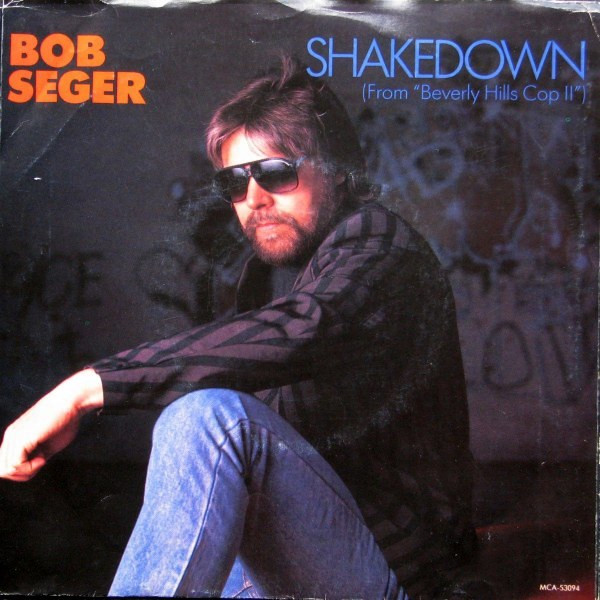


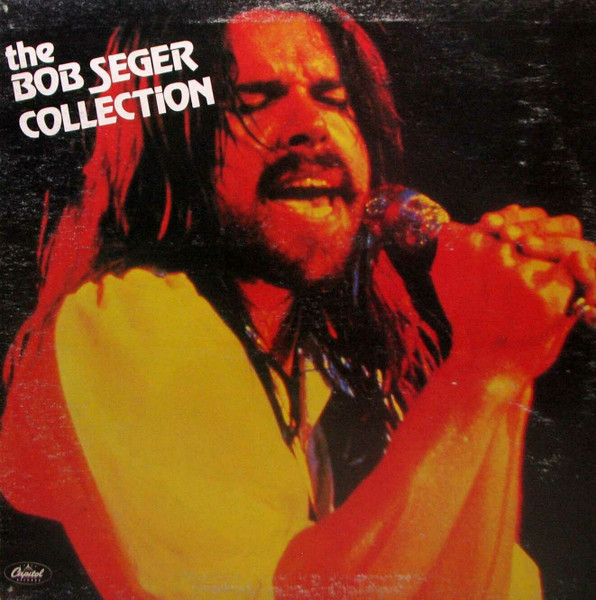


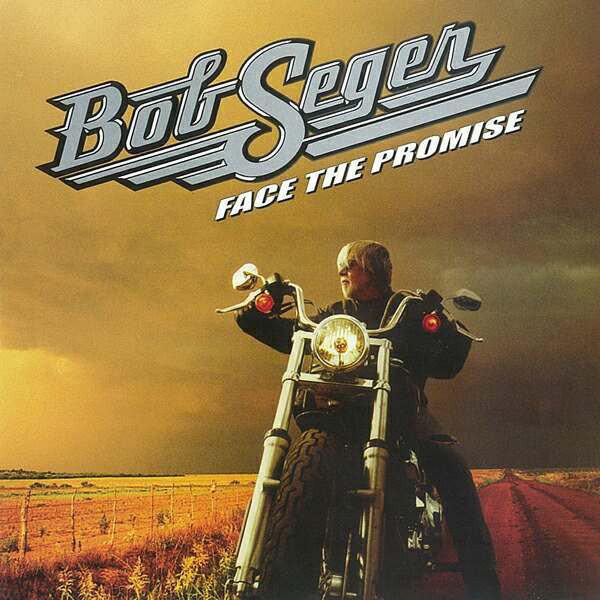
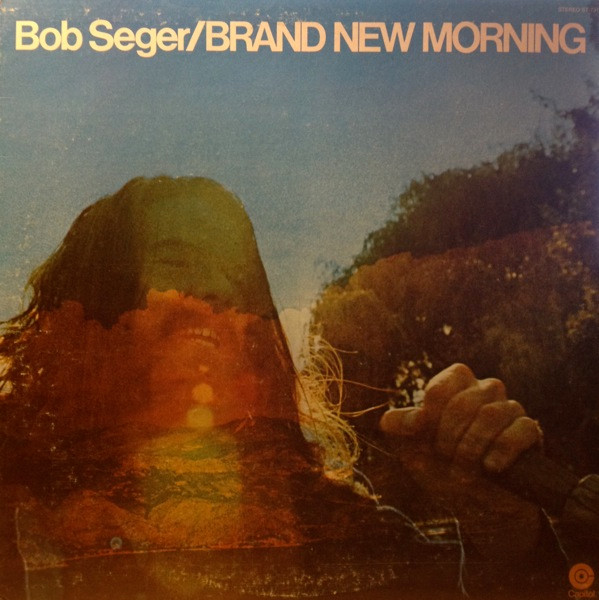

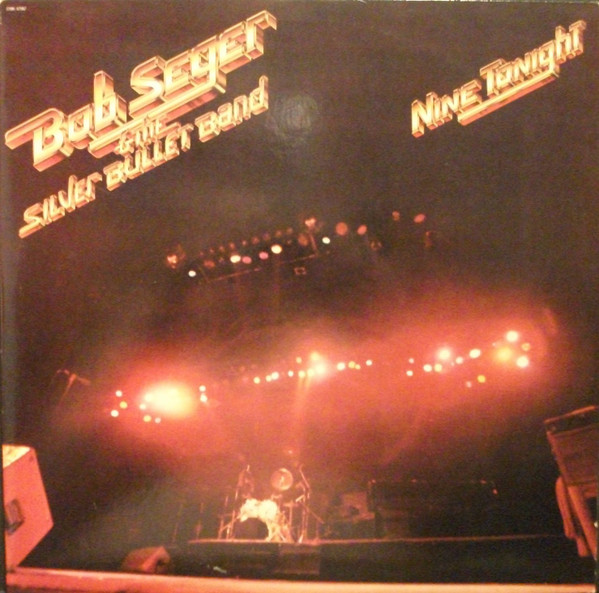
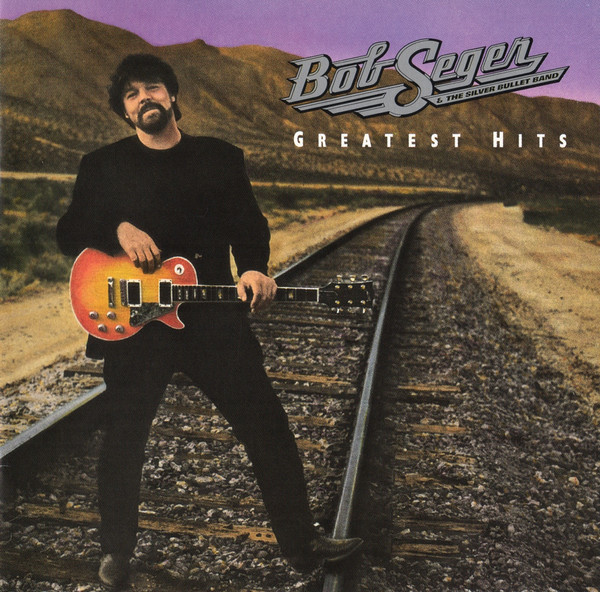
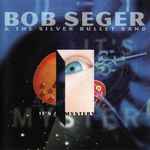
Bob Seger & the Silver Bullet Band
A project Bob Seger was part of.
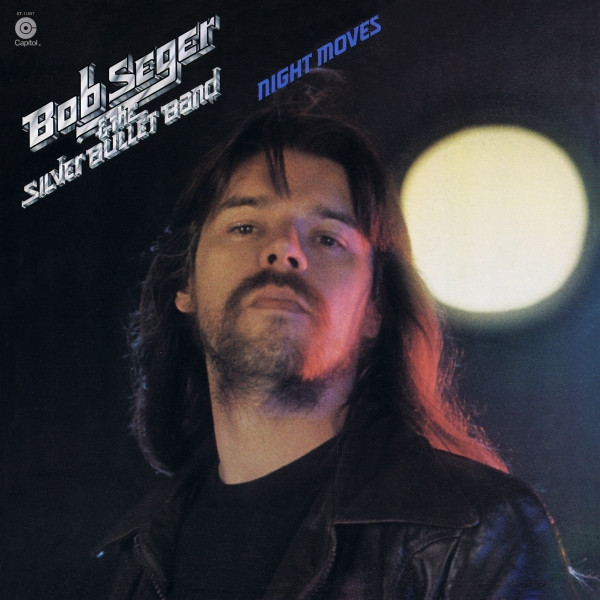
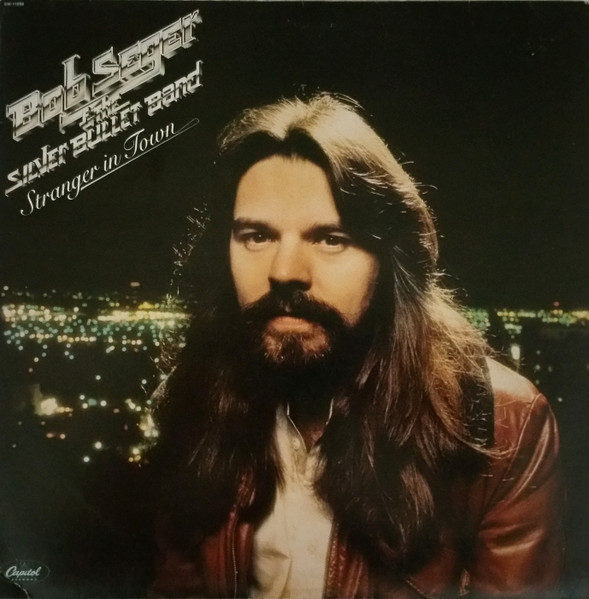
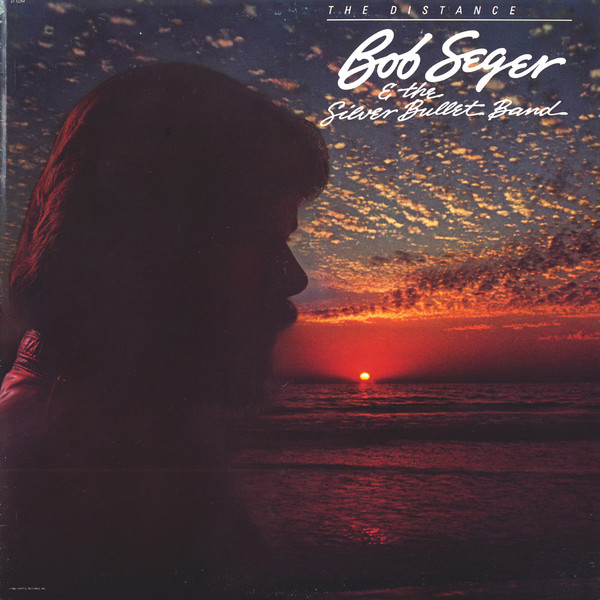
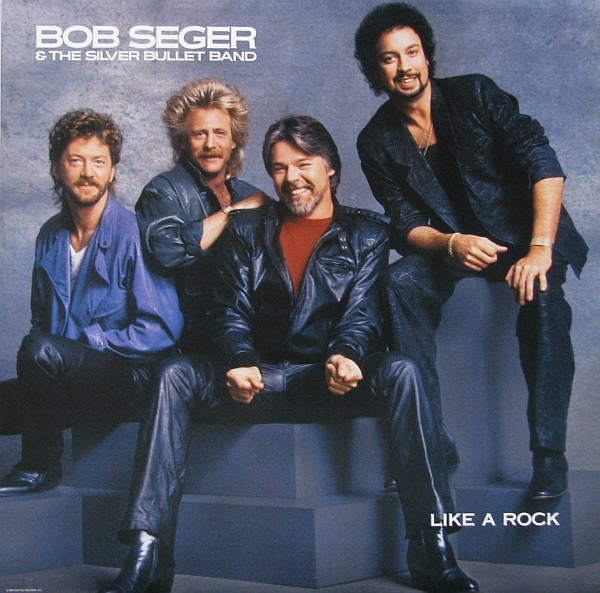
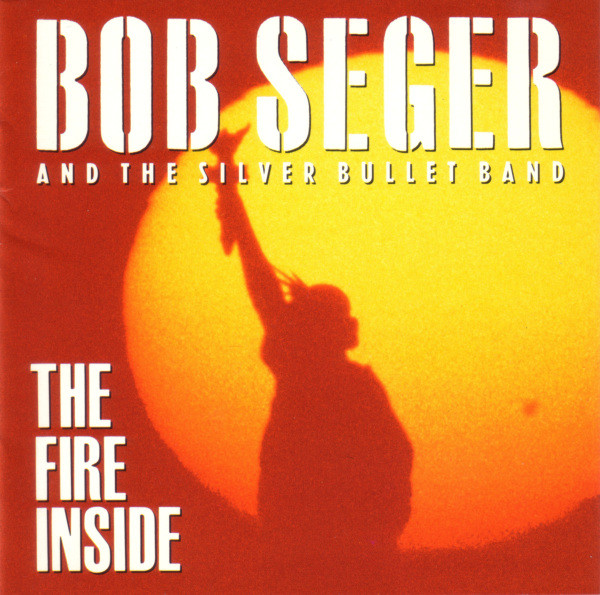
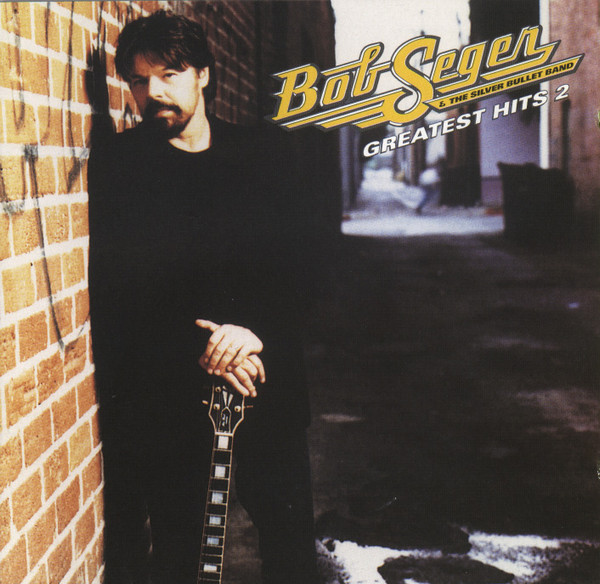

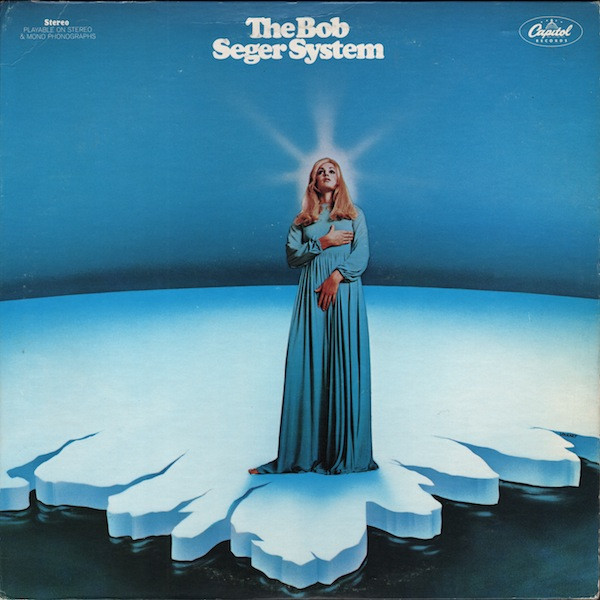
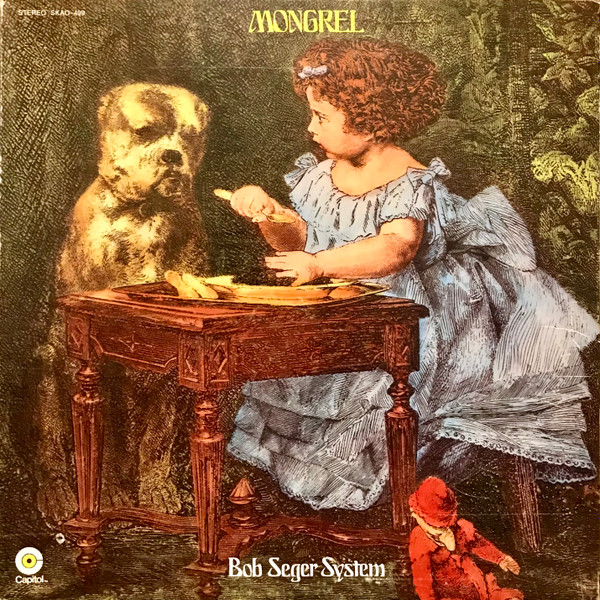
The Bob Seger System
A project Bob Seger was part of.

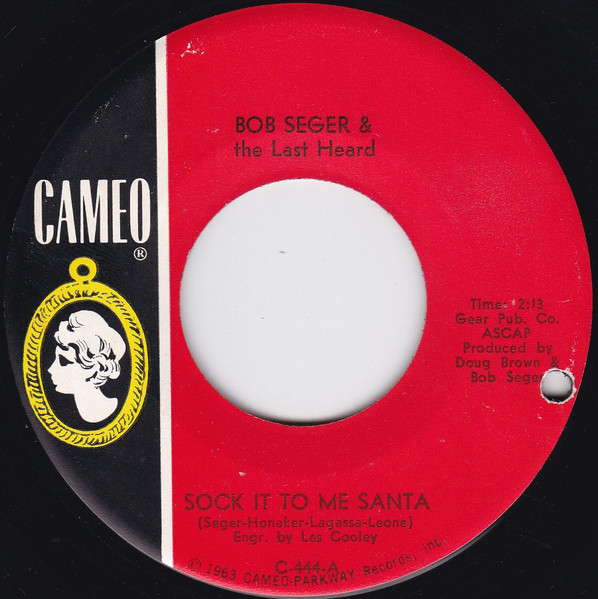
Bob Seger & The Last Heard
A project Bob Seger was part of. Former member.
Related artists
Frequent collaborators
Around the web
Follow every record they touch.
Start your shelf and Gatefold tracks Bob Seger's new pressings, tour dates, and the whole discography — automatically.
Start your shelf →Free forever. Works with 10 records or 10,000.