
Artist
Bob Seger & the Silver Bullet Band
Detroit, United States · Formed 1974
Bob Seger & the Silver Bullet Band is a music group from Detroit, United States, active since 1974. Their discography on Gatefold includes 19 records.

19
Albums tracked
422
In collections
1974
Since
Biography
The Muscle Shoals Rhythm Section basically saved Bob's life when they tracked 'Beautiful Loser' at Muscle Shoals Sound. He’d spent a decade as a regional kingpin in Detroit, grinding out singles on Cameo and Capitol that went nowhere past Lake Erie. He was a frustrated soul shouter trapped in a garage rocker’s body until he realized the Swampers could give him the greasy, Southern pocket his raspy delivery actually required. By the time 'Stranger in Town' hit the shelves, Seger was the biggest thing in the country, but he was also becoming a prisoner of the ballad. He had the Silver Bullet Band for the grit—Alto Reed’s sax was a damn weapon in those days—but the labels started smelling 'The Next Eagles' money and pushed the polish. He’s one of the few who survived the transition from 60s garage-soul to 70s arena-god without losing his Michigan dirt, even if the later 80s records got a little too shiny for their own good.
Bio from The Clerk
The Arc of Bob Seger & the Silver Bullet Band
The pivots — what forced Bob Seger & the Silver Bullet Band to reinvent.
The Detroit Garage Burner
Before the Silver Bullet Band was a thought, Seger was fronting The Last Heard and The Bob Seger System, making some of the rawest fuzz-rock to ever come out of the Midwest. Tracks like '2+2=?' were furious responses to the draft, featuring distorted bass lines and a vocal cord-shredding intensity that sounded nothing like the Heartland rock he’d later define. This was the era of the Hideout Records scene, where he was competing with the MC5 and The Stooges for the loudest stage in town. You hear it in the frantic pacing and the lack of acoustic pianos—it's all Hammond organ smoke and jagged telecaster leads.
The Muscle Shoals Metamorphosis
Frustrated by stalling sales, Seger headed to Sheffield, Alabama, to work with Jimmy Johnson and David Hood, the men who gave Aretha Franklin and Wilson Pickett their groove. This shift moved him away from the garage and toward a mid-tempo, soulful folk-rock that highlighted his songwriting over raw volume. The result was 'Beautiful Loser' and 'Night Moves,' where the Silver Bullet Band finally coalesced into a tight, professional unit that could handle both the acoustic vulnerability and the barroom stomp. This is the moment the 'Midwest Blue Collar' archetype was born, trading psychedelic noise for working-class storytelling.
The Arena Polish Peak
After the massive success of 'Live Bullet,' the production values skyrocketed and the band moved into the glossy territory of the late 70s. Jimmy Iovine came in to help mix 'Against the Wind,' leaning into a cleaner, more radio-friendly sheen that emphasized piano and backing vocals over the grit of the Detroit clubs. While the songs remained grounded in Seger’s lyrical nostalgia, the Silver Bullet Band started to sound like a precision-engineered machine designed for stadiums rather than smoky rooms. It was the commercial peak of the band, but you can hear the raw edges being sanded off in favor of a smoother, professional adult-contemporary bite.
Influences
- Little Richard — Seger openly cited him as the reason he started singing, even covering 'Heavy Music' in the early days with a similar frantic howl. You hear it in the upper-register screams on 'Ramblin' Gamblin' Man.' He took the blueprint of 50s R&B energy and transplanted it into a Michigan basement.
- Van Morrison — The Celtic soul influence is all over Seger's mid-70s writing, specifically the way he uses horns to punctuate blue-eyed soul narratives. 'Turn the Page' captures that same road-weary, observational tone found on 'Saint Dominic's Preview.' It's the sound of a man trying to find spiritual resonance in the middle of a tour schedule.
- Wilson Pickett — Seger covered Pickett's 'Midnight Hour' early on and eventually recorded at the same Muscle Shoals studios to capture that specific staccato soul punch. The Silver Bullet Band's horn arrangements are a direct descendant of the Memphis and Muscle Shoals brass sections that backed Pickett. It’s the backbone of his 'tough soul' persona.
- The Isley Brothers — Their early high-energy rock-and-soul hybrids provided the template for the Silver Bullet Band's live show dynamics. Seger’s obsession with a hard-driving backbeat comes straight from the Isleys' 'Shout' era of gospel-infused rock. He wanted that same call-and-response fervor in a rock arena setting.
- James Brown — The tight, rhythmic discipline of the Silver Bullet Band was modeled after the J.B.'s, with Seger acting as a bandleader who demanded absolute precision. You hear it in the locked-in bass and drum interplay on 'The Fire Down Below.' He wasn't just looking for a rock beat; he wanted the funk's mechanical reliability.
Discography
Their records — most-collected first.
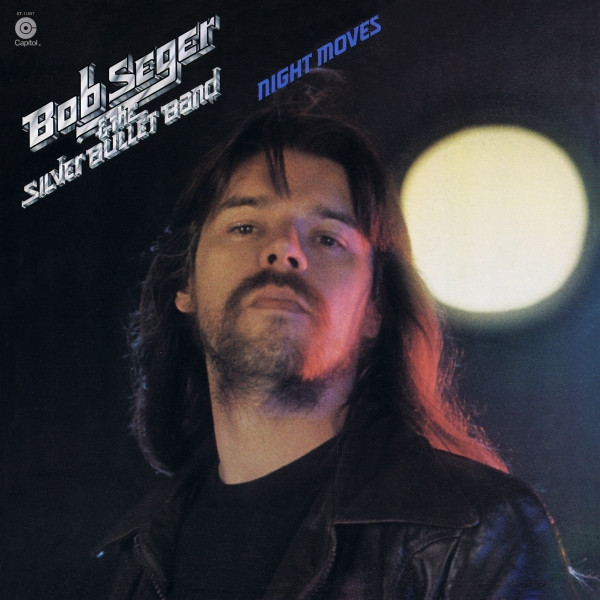
Night Moves
1976
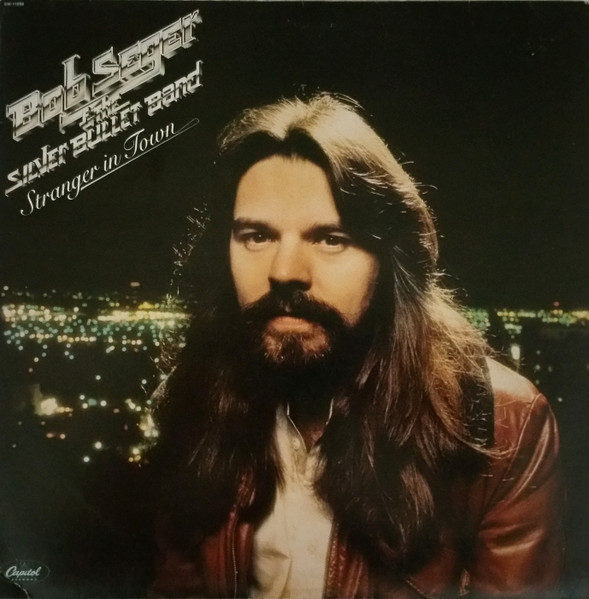
Stranger In Town
1978
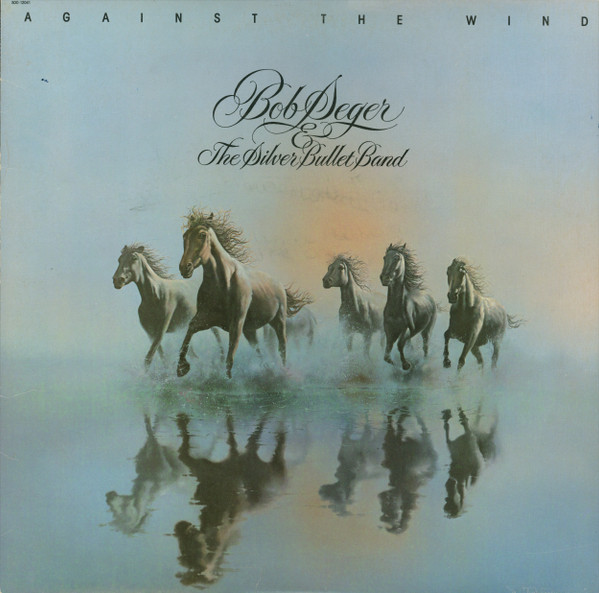
Against The Wind
1980
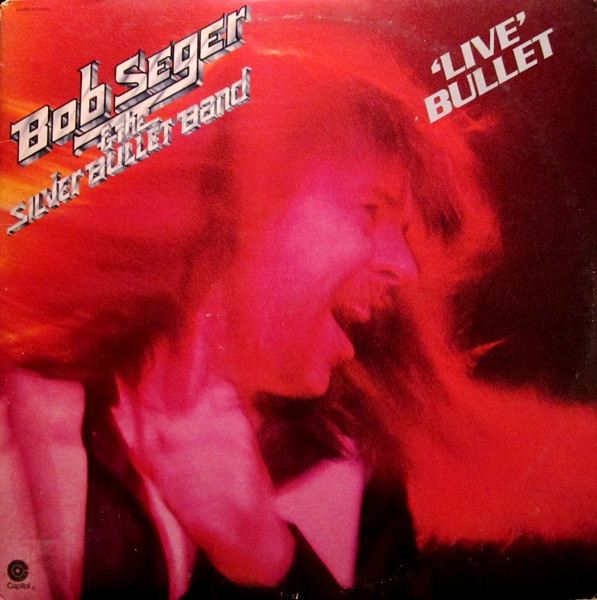
Live Bullet
1976
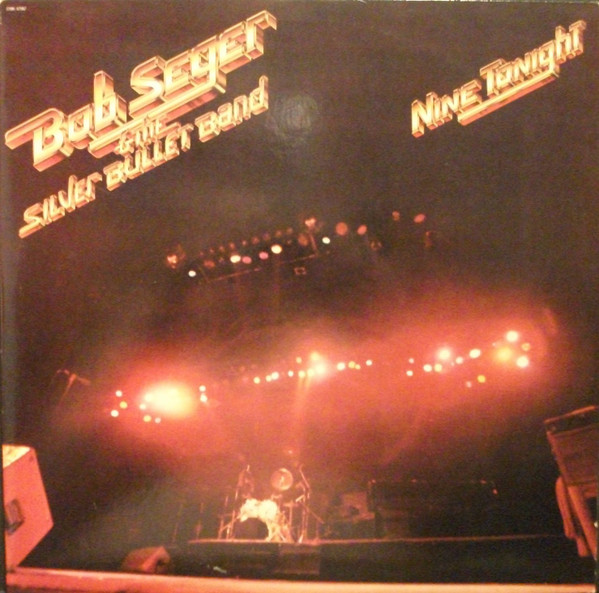
Nine Tonight
1981
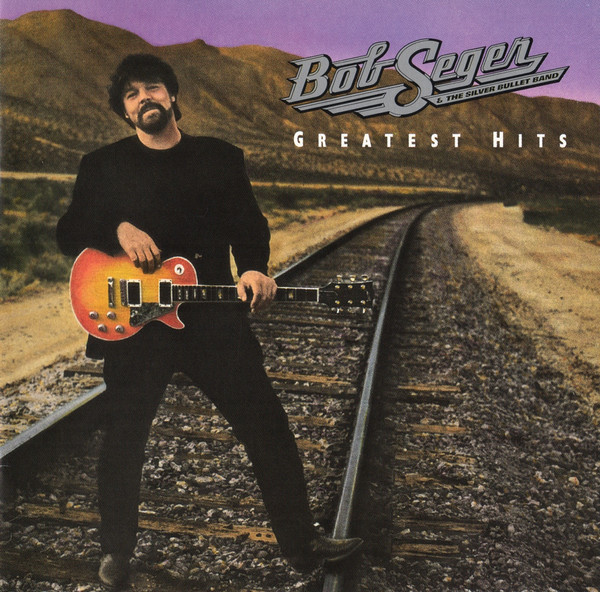
Greatest Hits
1994
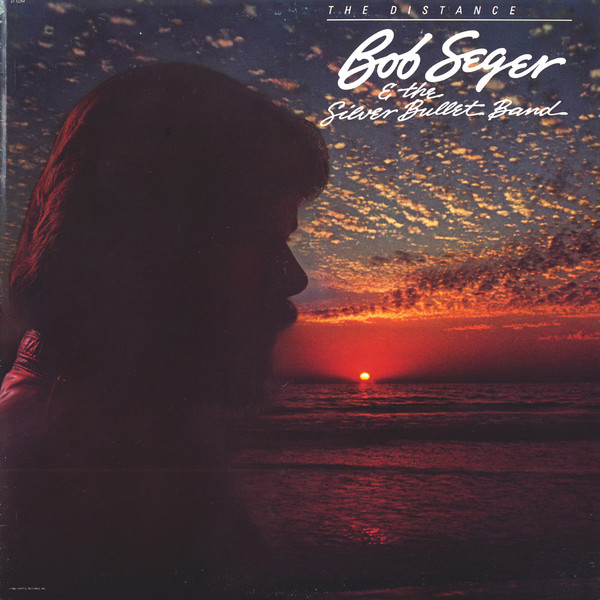
The Distance
1982
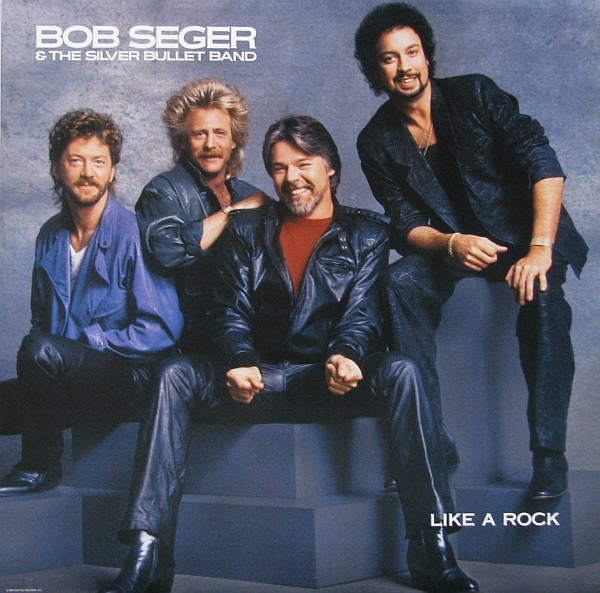
Like A Rock
1986
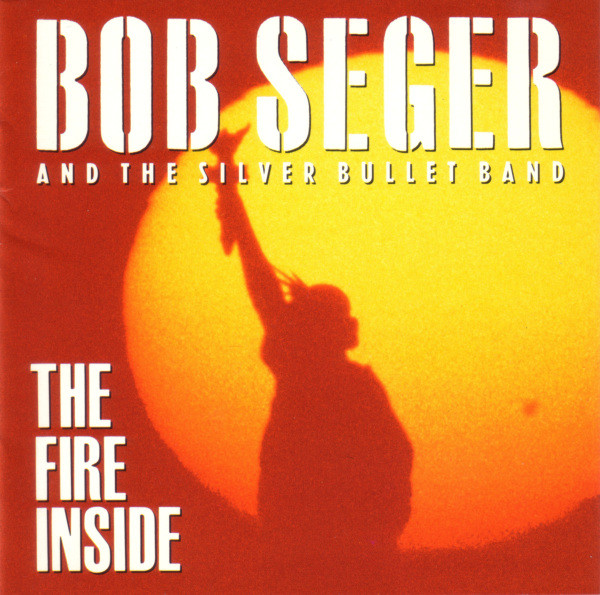
The Fire Inside
1991

Shame On The Moon
1982
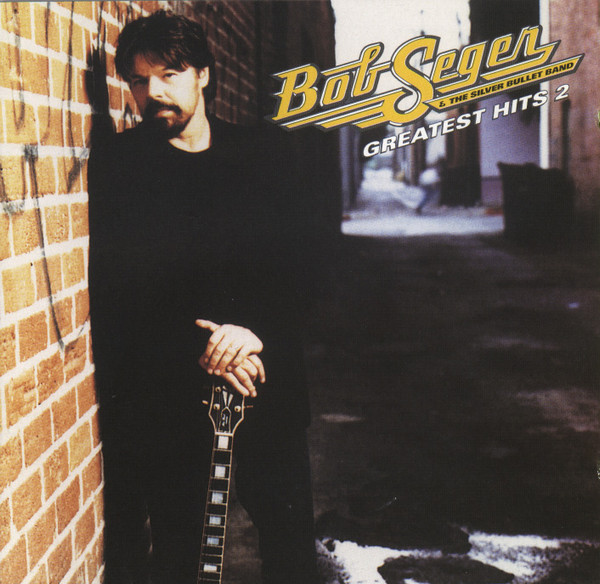
Greatest Hits 2
2003

Fire Lake
1980
It's A Mystery
1995

Understanding
1984

Tryin' To Live My Life Without You
1981
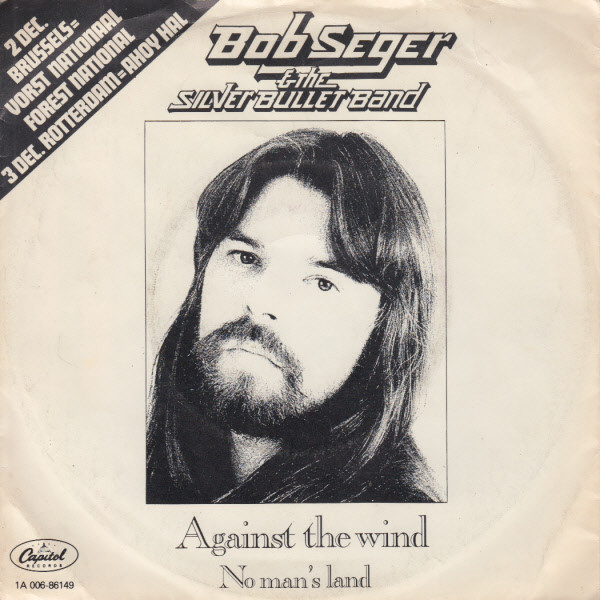
Against The Wind
1980

We've Got Tonite / Ain't Got No Money
1978

Ultimate Hits: Rock And Roll Never Forgets
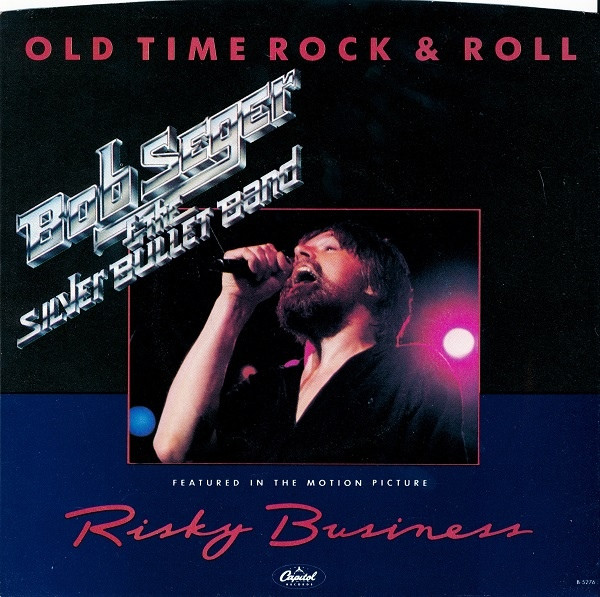
Old Time Rock & Roll / Till It Shines
1983
Related artists
Around the web
Follow every record they touch.
Start your shelf and Gatefold tracks Bob Seger & the Silver Bullet Band's new pressings, tour dates, and the whole discography — automatically.
Start your shelf →Free forever. Works with 10 records or 10,000.