
Artist
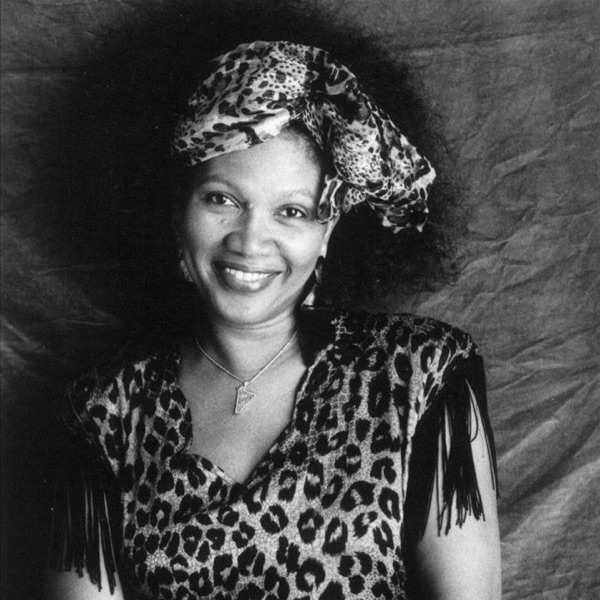
Marcia Griffiths
reggae singer from Jamaica
Kingston, Jamaica · b. 1949
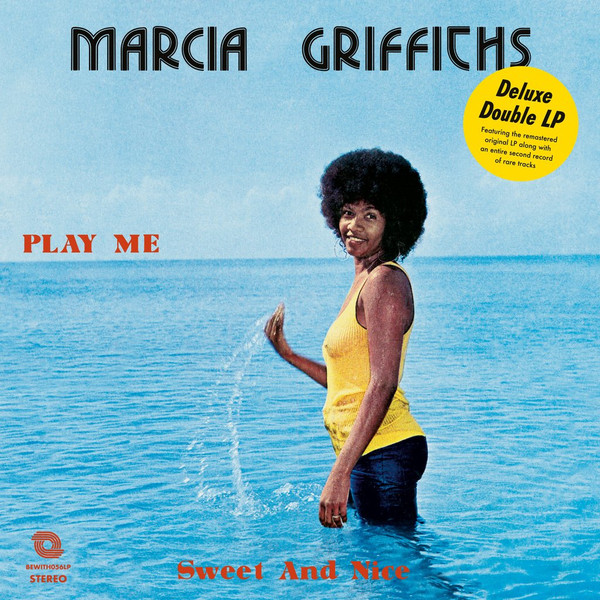
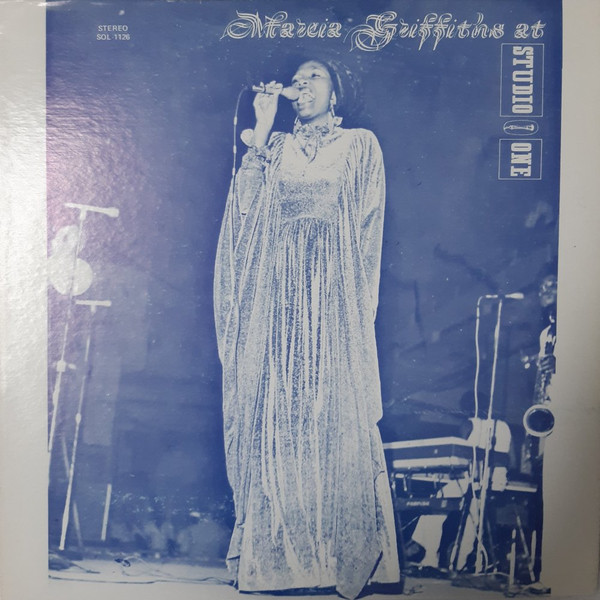
Marcia Griffiths is a musician from Kingston, Jamaica, active since 1949. Their discography on Gatefold includes 12 records. They also recorded with Bob Marley & The Wailers.
59
Albums tracked
999
In collections
1949
Since
Biography
Clement "Coxsone" Dodd didn't just discover Marcia Griffiths. He ran her through the Studio One gauntlet. In 1964, a teenager singing in a talent show caught Philip "Boofy" Cochrane's ear, who dragged her to Dodd's setup on Brentford Road. The label head sat her down with the Skatalites, threw her on a stage with Byron Lee and the Dragonaires, and tested her stamina. That wasn't a development deal. It was a trial by fire in a sweltering studio where you got one or two takes before Dodd cut the tape to save money. Most people know her as Bob Marley’s backing singer. That’s a massive mistake. Griffiths was already the undisputed Queen of Reggae before she ever stood behind a microphone with the I Threes to smooth out Bob’s rough edges. Her solo run at Harry J Studio with producer Harry Johnson in the early seventies laid the blueprint for modern lovers rock. She wasn't just a voice. She was the anchor who kept Jamaica’s shifting rhythms grounded when the music transitioned from the frantic bounce of rocksteady to the heavy, dread-infused half-time of roots reggae.
Bio from The Clerk
The Arc of Marcia Griffiths
The pivots — what forced Marcia Griffiths to reinvent.
The Studio One Foundations
Coxsone Dodd paired Griffiths with singer Bob Andy in the late sixties to create one of the most formidable writing partnerships in Jamaican history. Recording at Studio One on two-track machines, they didn't have the luxury of overdubbing or fixing pitches in post-production. You hear the raw, unpolished sweat on tracks like 'Feel Like Jumping,' where the Skatalites provide a driving, horns-heavy rocksteady backing. This era was about survival in a singles-driven market, pumping out 7-inch records weekly to feed the local sound systems.
The Harry J and Bob Andy Years
By 1970, Griffiths and Bob Andy broke away from Dodd's strict financial grip to record for Harry Johnson. This pivot yielded their massive UK crossover hit, a orchestral-reggae cover of Nina Simone's 'Young, Gifted and Black.' The sessions featured sweeping, sweet string arrangements recorded in London and dubbed over raw Kingston rhythm tracks. It was a massive gamble that paid off, proving that Jamaican artists could conquer foreign pop charts without losing their native groove.
The I Threes Era
When Peter Tosh and Bunny Wailer left the Wailers in 1974, Bob Marley needed to replace their intricate harmony stack. He brought in Griffiths, Rita Marley, and Judy Mowatt to form the I Threes, transforming the Wailers' sound from a street-level vocal group into a massive, gospel-tinged stadium act. For the next seven years, Griffiths' solo career took a back seat to relentless international touring. You can hear her holding down the high harmonies on the legendary Lyceum Theatre live recordings, giving Marley the vocal cushion he needed to carry those massive shows.
The Electric Slide Phenomenon
In 1982, Griffiths went to Miami to record 'Electric Boogie' with Bunny Wailer, a synth-heavy track that languished until a Washington D.C. DJ started playing it in 1989. The song sparked a global dance craze, dragging Griffiths back onto the Billboard charts decades after her debut. It was a complete departure from her roots pedigree, built on cheap drum machine presets and slick, digital production. Some purists hated the plastic feel, but it gave her the financial independence most of her 1960s peers were denied.
Influences
- Nina Simone — Griffiths explicitly pointed to Simone as a vocal blueprint and famously covered 'To Be Young, Gifted and Black' alongside Bob Andy in 1970. You hear Simone's dramatic phrasing and heavy, emotional delivery directly in Griffiths' solo work for Harry J. It wasn't just about copying the notes; it was about bringing that deep, civil rights-era gravity to Jamaican rocksteady.
- Aretha Franklin — Griffiths spent her teenage years studying American soul imports that landed in Kingston docks. She directly covered Franklin's 'Don't Play That Song (You Lied)' during her early years at Studio One. That heavy, gospel-informed belting style became Griffiths' signature weapon, allowing her voice to cut through muddy horn sections and dense basslines on cheap transistor radios.
- Dionne Warwick — Before she ever recorded a note of reggae, Griffiths was obsessed with the sophisticated, complex pop melodies of Burt Bacharach and Hal David. She covered Warwick's 'Anyone Who Had a Heart' early in her career. That influence shows up in her impeccable pitch control and her ability to navigate tricky, non-standard chord progressions that frustrated other Kingston session singers.
- The Soulettes — This early rocksteady vocal group, featuring Rita Anderson (later Marley), was already recording at Studio One when Griffiths arrived. Their tight, three-part girl-group harmonies served as the direct template for what Griffiths would later do with the I Threes. You can trace the lineage of those smooth, backing vocal arrangements directly from those mid-sixties Soulettes sessions.
- Patsy Todd — One of the absolute pioneers of Jamaican female vocalists, Todd's late-fifties and early-sixties duets with Derrick Morgan laid the groundwork for the male-female vocal duo format. Griffiths and Bob Andy took this exact blueprint and perfected it at Studio One. Todd's smooth, unhurried vocal delivery on her early ska singles was the standard Griffiths had to beat when she entered the studio.
Marcia Griffiths — solo
Their records — most-collected first.




Bob Marley & The Wailers
A project Marcia Griffiths was part of. Former member.
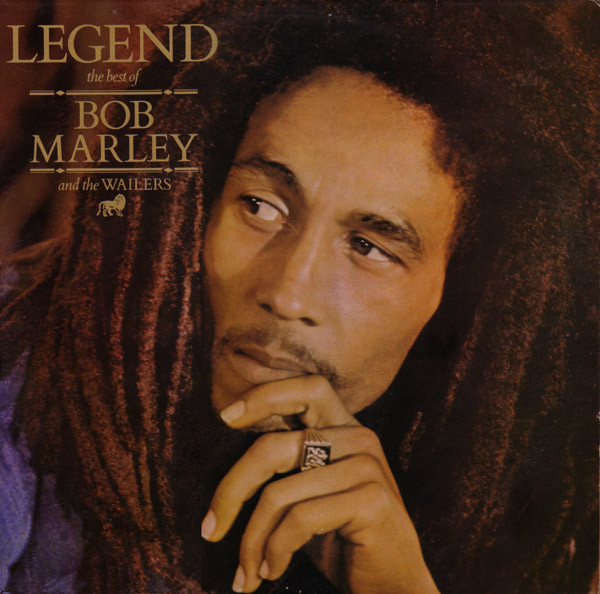
Legend (The Best Of Bob Marley And The Wailers)
1984

Exodus
1977

Kaya
1978
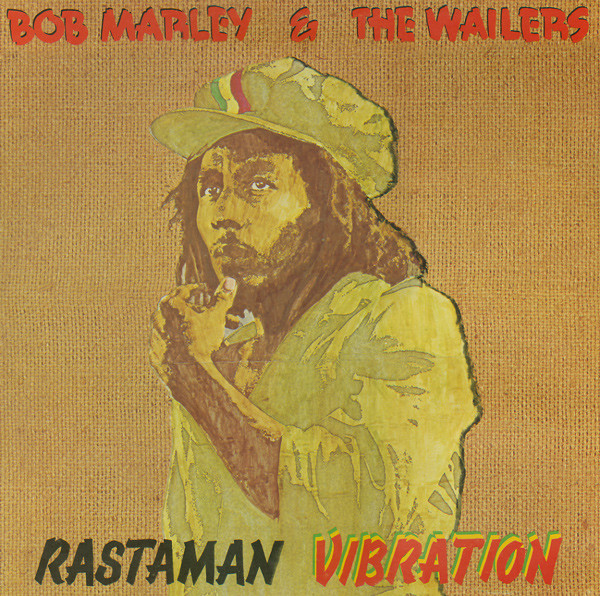
Rastaman Vibration
1976

Natty Dread
1975

Uprising
1980

Live!
1975
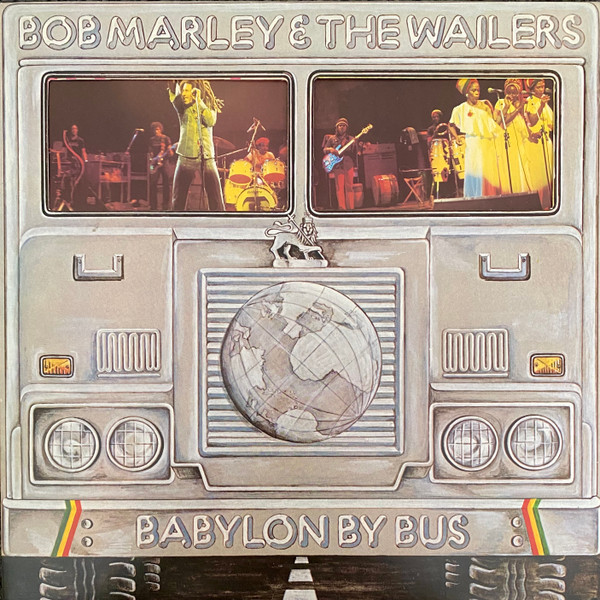
Babylon By Bus
1978
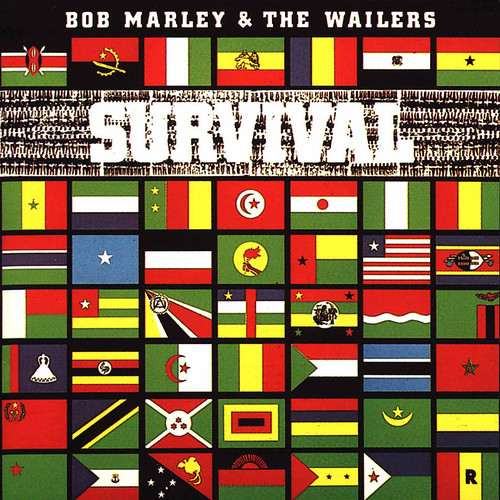
Survival
1979

Confrontation
1983

Catch A Fire
2001

Soul Rebels
1970
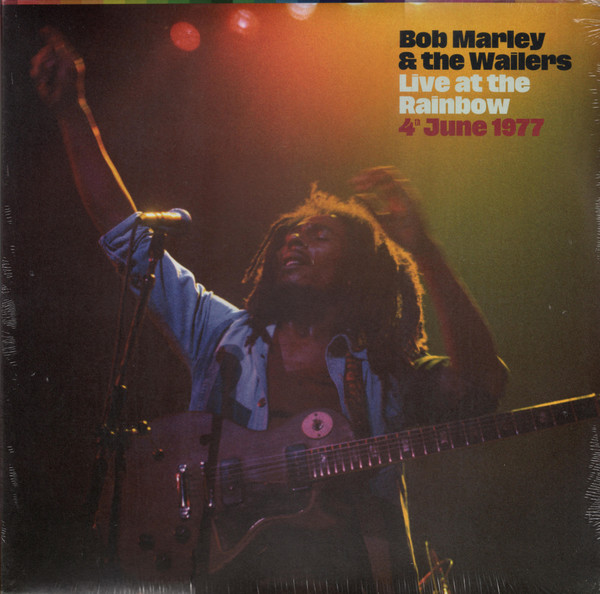
Live!
1983
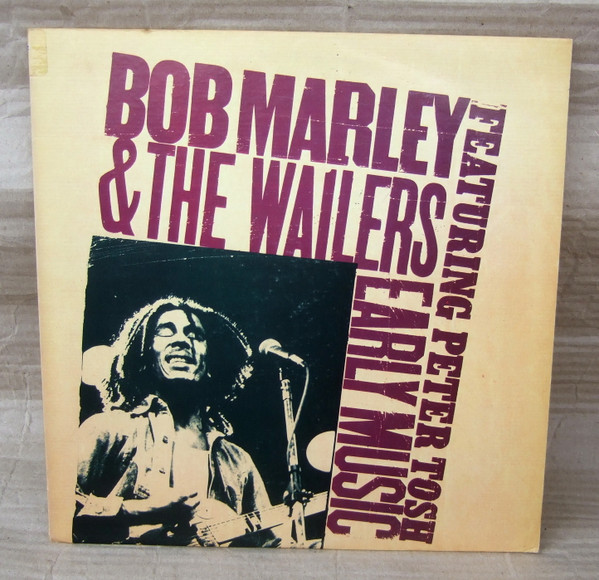
Early Music
1977

African Herbsman
1973

Soul Revolution Part II
1971
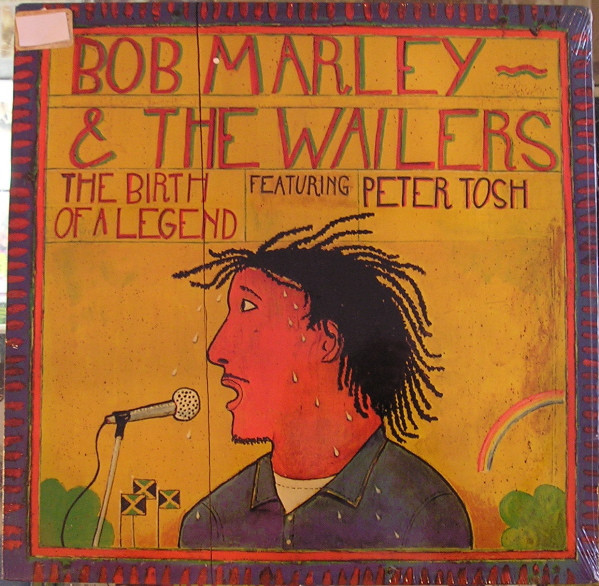
The Birth Of A Legend
1977

Rebel Music
1986
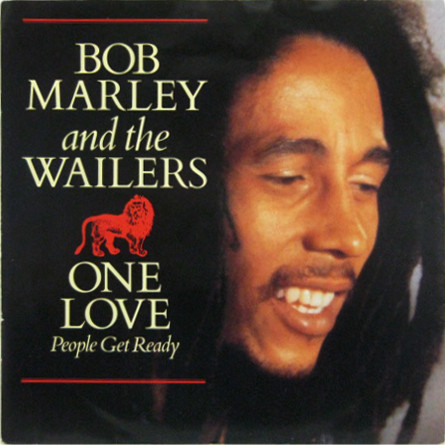
One Love / People Get Ready
1984

The Capitol Session '73
2021
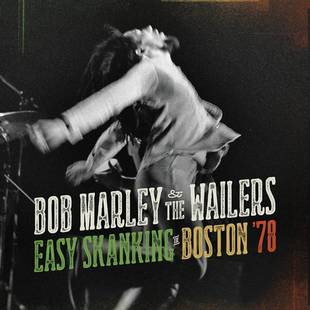
Easy Skanking In Boston '78
2015
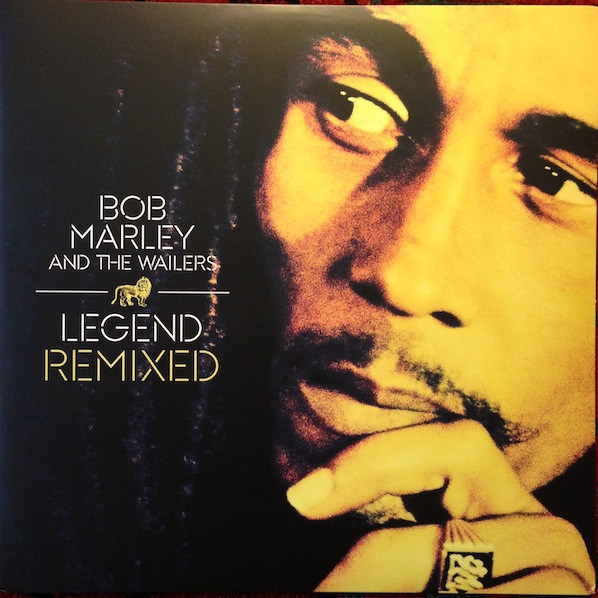
Legend Remixed
2013
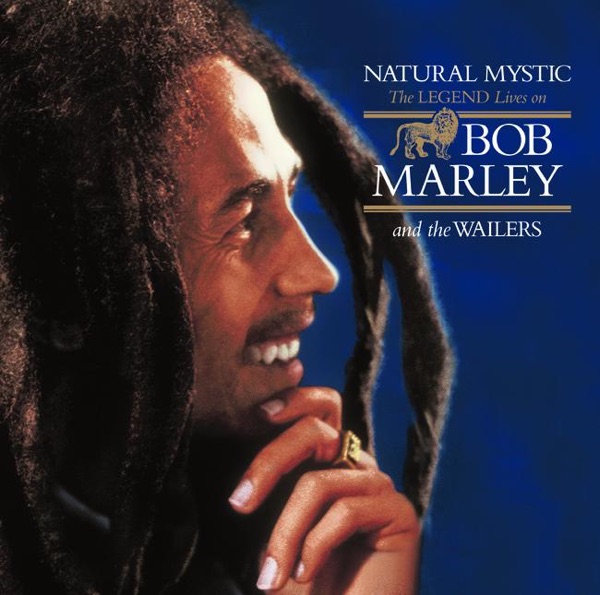
Natural Mystic (The Legend Lives On)
1995
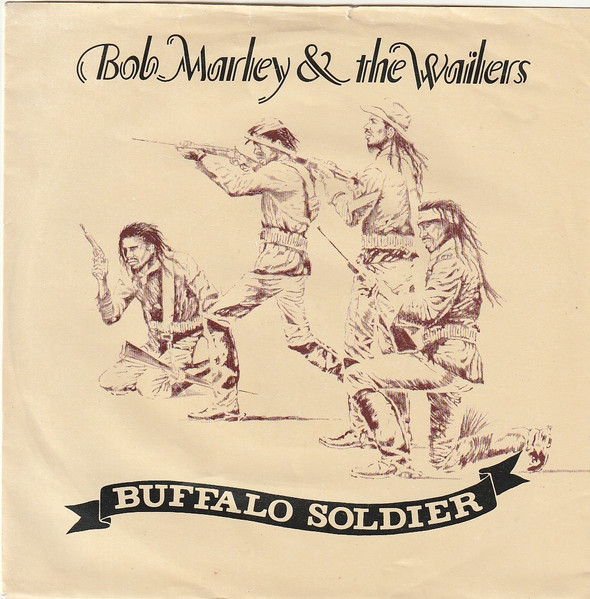
Buffalo Soldier
1983
Related artists
Around the web
Follow every record they touch.
Start your shelf and Gatefold tracks Marcia Griffiths's new pressings, tour dates, and the whole discography — automatically.
Start your shelf →Free forever. Works with 10 records or 10,000.