
Artist
Amy Grant
Augusta, United States · b. 1960
Amy Grant is a musician from Augusta, United States, active since 1960. Their discography on Gatefold includes 24 records.

31
Albums tracked
58
In collections
1960
Since
Biography
Brown Bannister was cutting tape as an assistant engineer when a fifteen-year-old high school kid walked into the studio and handed over a cassette of acoustic tunes she wrote in her bedroom. Word Records put her on their Myrrh imprint, but Bannister became the secret weapon. Together they figured out that Christian radio didn't have to sound like amateur hour at a church camp; it could have slick session chops, polished vocal stacks, and pristine Nashville tracking. By 1982, *Age to Age* cracked the code and became the first platinum solo record in the genre's history, essentially inventing modern contemporary Christian music whether traditionalists liked it or not. Then the secular crossover happened, and church basement purists lost their minds. When Word made a distribution pact with A&M Records, Grant leaned hard into bright, hook-driven pop on 1985's *Unguarded*, sporting leopard print and gated reverb drums. The real explosion landed with 1991's *Heart in Motion*, where "Baby Baby" took over MTV and top-40 radio. Religious fundamentalists accused her of selling her soul to radio programmers, while pop snobs dismissed her as bubblegum fluff. The joke was on everyone. Underneath the radio sheen was a razor-sharp melodic songwriter who understood mass appeal better than almost anyone in Nashville.
Bio from The Clerk
The Arc of Amy Grant
The pivots — what forced Amy Grant to reinvent.
The CCM Blueprint
Grant started as an acoustic teenager, but teaming with producer Brown Bannister changed the entire architecture of gospel music. On 1982's *Age to Age*, they abandoned churchy novelty for top-tier session gloss and tight folk-pop hooks like "El Shaddai." The album moved a million copies, establishing contemporary Christian music as a legitimate commercial juggernaut. It proved there was real money in church-adjacent songwriting, turning Grant into an overnight industry anchor.
The Mainstream Cross-Stitch
Word inked a distribution deal with A&M Records, pushing Grant outside the church bookstore ghetto and directly into secular bins. That move came alive on 1985's *Unguarded*, featuring synth-heavy new wave textures, gated snare hits, and secular radio polish. Collaborating heavily with Michael W. Smith on keyboards and songwriting, Grant pissed off conservative radio gatekeepers who felt betrayed by the radio ambition. The gambit worked anyway, giving her the momentum to build 1988's critically hailed *Lead Me On*.
The Top-40 Juggernaut
A&M and Myrrh went all-in on total mainstream domination, stripping away the cautious subtext for pure bubblegum top-40 perfection. In 1991, *Heart in Motion* exploded behind "Baby Baby," dominating MTV and mainstream charts for months. Conservative fans panicked and boycotted, while the mainstream embraced her as a legitimate pop superstar. She rode the wave through 1994's double-platinum *House of Love*, balancing huge hooks with genuine vocal power.
The Raw Autopsy
After years of smiling for pop video cameras, personal turmoil and marital collapse tore the pristine persona to pieces. Working with producers Keith Thomas and Wayne Kirkpatrick, Grant dropped the bubblegum synths and cut 1997's *Behind the Eyes*. It was a quiet, wounded, largely acoustic gut-punch that shocked fans who only knew the radio sheen. The record alienates casual pop listeners, but in terms of unvarnished emotional songwriting, it remains her finest hour.
Roots, Hymns, and Resurgence
Following the shuttering of Myrrh and her marriage to country titan Vince Gill, Grant walked away from chasing top-40 radio trends entirely. She returned to her roots on 2002's *Legacy... Hymns & Faith*, co-produced by Gill and longtime collaborator Brown Bannister, leaning into acoustic string bands and Southern gospel simplicity. Leaving Word after thirty years to sign with Sparrow, she maintained this organic, reflective posture on 2013's *How Mercy Looks From Here*. It closed the loop on a wild career, trading chart metrics for relaxed, mature Americana.
Influences
- Carole King — Grant routinely cited King's *Tapestry* as the foundational record that taught her how to write confessional songs at an acoustic piano. You hear King's warm, domestic phrasing all over early cuts like 1979's *My Father's Eyes*. It gave her religious lyrics the conversational intimacy of Laurel Canyon singer-songwriters instead of sermonizing.
- James Taylor — Taylor was her primary vocal and guitar hero, a connection so deep that she eventually brought him in to duet on 2013's *How Mercy Looks From Here*. That calm, fingerpicked, conversational baritone phrasing is mirrored in the way Grant builds her acoustic verses. His folk-pop pacing is the blueprint for her late-seventies Myrrh output.
- Joni Mitchell — Grant has openly credited Mitchell's vulnerable, non-linear chord structures as the driving spark behind her songwriting on 1988's *Lead Me On*. You can hear Mitchell's open tunings and bittersweet lyrical edges pulling Grant far away from the rigid verse-chorus formulas of contemporary Christian radio. It was the influence that kept her from becoming just another pop singer.
- Larry Norman — Norman practically invented Jesus rock in the late sixties and early seventies, proving that faith and legitimate contemporary songwriting could exist on the same piece of vinyl. Grant grew up on his early records, absorbing the reality that a gospel record could compete with commercial rock production. Without Norman taking the initial critical bullets, Myrrh never signs a teenager to make contemporary music in 1976.
- Art Garfunkel — Grant grew up devouring Simon & Garfunkel harmonies, eventually collaborating with Garfunkel himself on the 1986 orchestral project *The Animals' Christmas*. His pure, airy tenor informed Grant's deliberate head-voice phrasing and vocal restraint on soft ballads throughout the eighties. That influence gave her the ability to sell a quiet melody without having to belt over the mix.
Discography
Their records — most-collected first.

The Collection
1986

Unguarded
1985
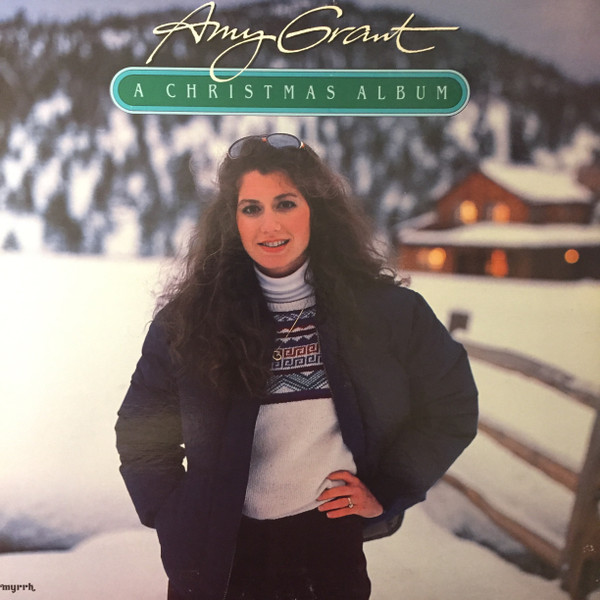
A Christmas Album
1983

Heart In Motion
1991

Age To Age
1982

Home For Christmas
1992

Find A Way
1985

Behind The Eyes
1997
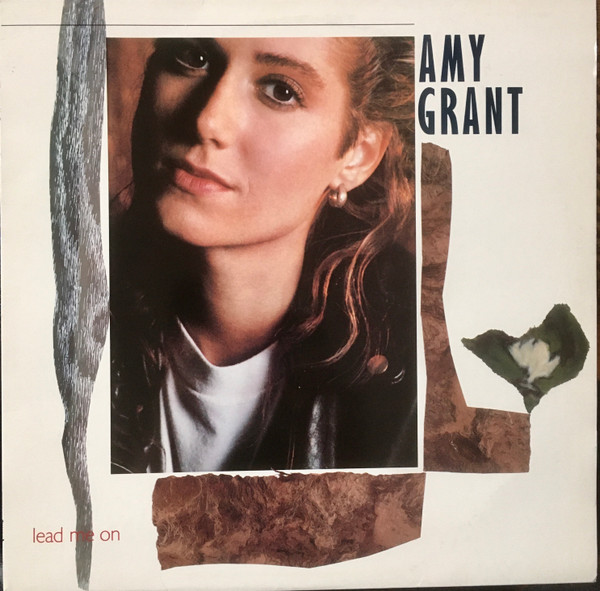
Lead Me On
1988

Straight Ahead
1984
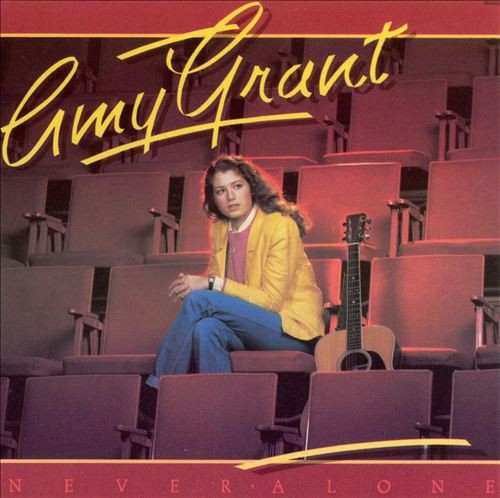
Never Alone
1980

The Me That Remains
2026

How Mercy Looks From Here
2013

Greatest Hits
2007
Legacy...Hymns & Faith
2002
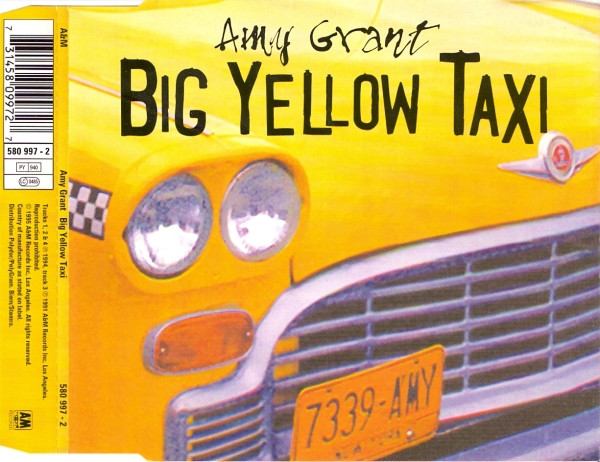
Big Yellow Taxi
1995
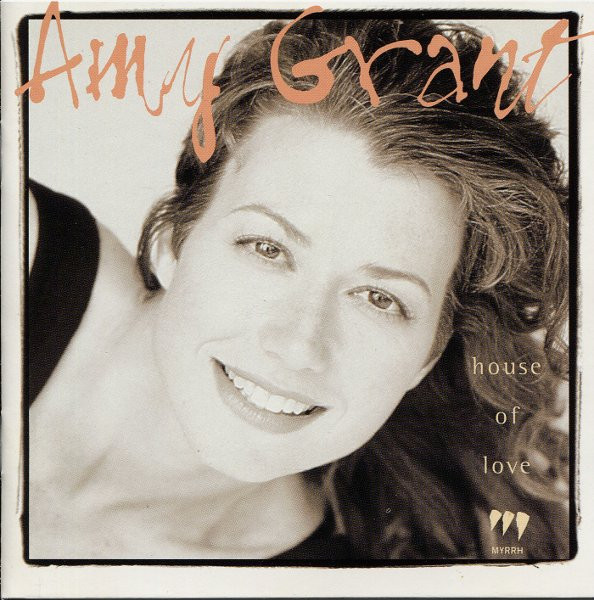
House Of Love
1994

In Concert Volume Two
1981

My Father's Eyes
1979

Lead Me On Live 1989
2023

Be Still And Know... Hymns & Faith
2015

Somewhere Down The Road
2010
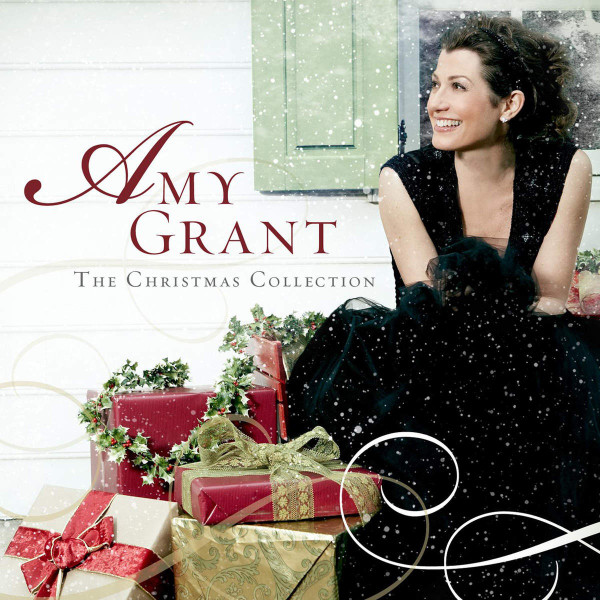
The Christmas Collection
2008
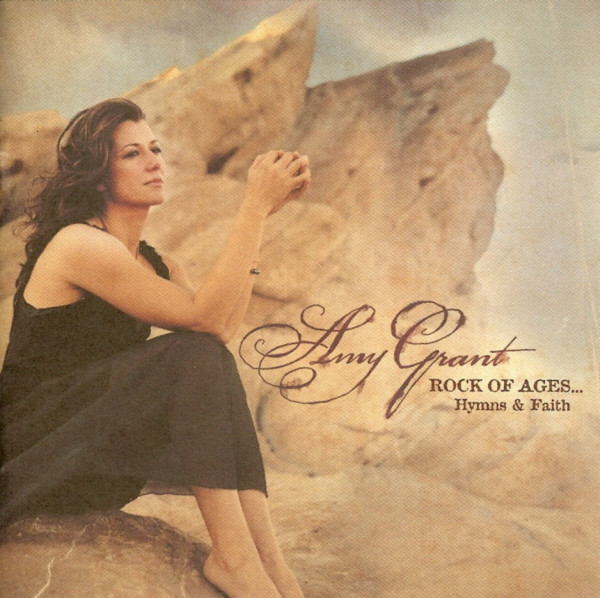
Rock Of Ages...Hymns & Faith
2005
Related artists
Frequent collaborators
Around the web
Follow every record they touch.
Start your shelf and Gatefold tracks Amy Grant's new pressings, tour dates, and the whole discography — automatically.
Start your shelf →Free forever. Works with 10 records or 10,000.