
Artist
Peter Cetera
Chicago, United States · b. 1944
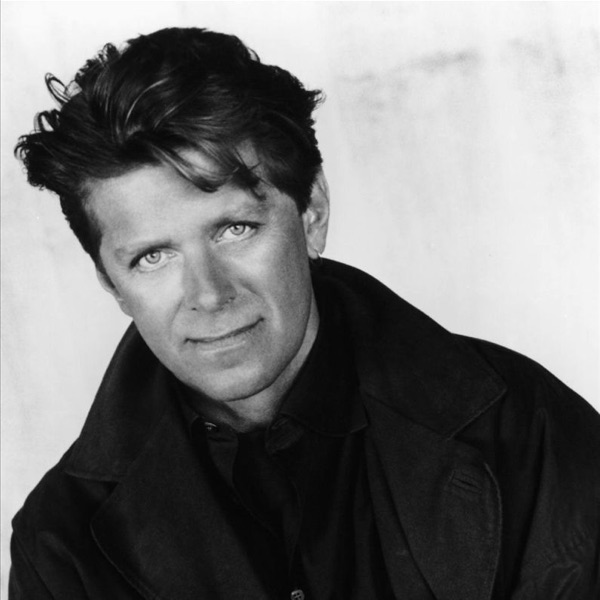
Peter Cetera is a musician from Chicago, United States, active since 1944. Their discography on Gatefold includes 12 records. They also recorded with Chicago.
38
Albums tracked
621
In collections
1944
Since
Biography
Chicago was a loud, brassy jazz-rock experiment until Peter Cetera’s tenor became the band's primary export. In '69, after he got his jaw wired shut following a brawl at a Dodgers game, he sang through his teeth on the first record, which inadvertently helped bake that tight, nasal resonance into his signature delivery. He wasn't just the ballad guy; he was a melodic bassist who played a 1968 Precision Bass with enough pick-attack to cut through a seven-piece horn section. By the early 80s, the band was on life support until David Foster showed up with a Yamaha DX7 and a mandate to bury the horns. Cetera leaned into the high-gloss production, trading the gritty R&B vocals of the Terry Kath era for a polished, suburban yearning that made him a solo titan. It’s easy to dismiss him as the king of the movie montage, but the guy's ability to navigate Foster’s key changes while maintaining a distinct, blue-eyed soul grit is a technical feat most singers can’t touch without a studio safety net.
Bio from The Clerk
The Arc of Peter Cetera
The pivots — what forced Peter Cetera to reinvent.
The Pick-Style P-Bass Grit
Before the soft rock takeover, Cetera was the secret weapon of a heavy touring outfit playing the Fillmore. He played with a plectrum and a raw, aggressive attack that kept the band anchored during their sprawling, twenty-minute psychedelic jams. You hear it most clearly on Chicago II, where his bass lines aren't just doubling the kick drum but acting as a third lead instrument alongside Kath’s guitar and the brass.
The David Foster Overhaul
The 1982 sessions for Chicago 16 changed everything when Foster stripped away the jazz pretensions and put Cetera’s voice front and center. They moved away from the collaborative songwriting of the 70s to a hit-factory model built on gated reverb and expensive synthesizers. This shift saved the band financially but alienated the horn section, who found themselves relegated to window dressing while Cetera became the face of the MTV era.
The Solo Soundtrack Dominance
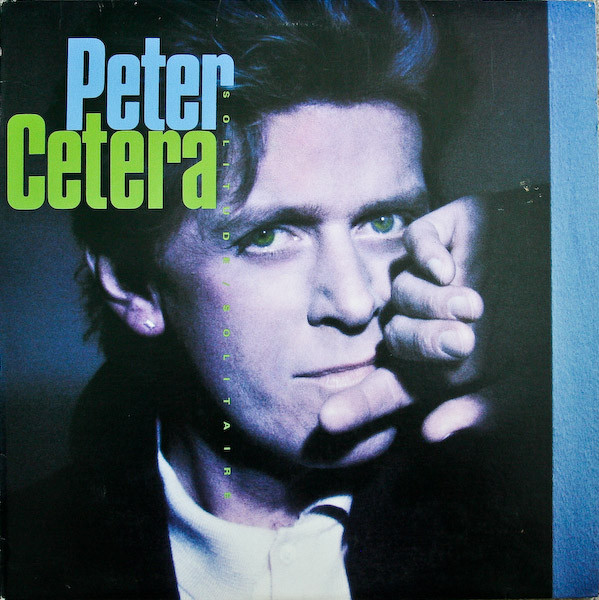
Leaving Chicago in '85 wasn't just a lineup change; it was a move to own the FM radio dial via Hollywood. Working with producers like Michael Omartian, Cetera leaned into the cinematic power ballad, stripping away the last remnants of rock grit for a pristine, reverb-heavy sound. Records like Solitude/Solitaire weren't about band dynamics anymore, but about how his specific vocal frequency could carry a film's emotional climax.
Influences
- The Beatles — Cetera has cited seeing them on Ed Sullivan as the reason he picked up a bass. You hear it in his early melodic counter-point lines that mirror Paul McCartney's work on Rubber Soul. He was a harmony singer first, obsessed with the way the Fab Four stacked their vocals.
- James Jamerson — The Motown house bassist’s fluid, syncopated style is the blueprint for Cetera's playing on the early Chicago Transit Authority records. He moved the bass beyond root notes, mimicking Jamerson's busy, chromatic walk-ups. It gave those horn-heavy tracks a soul-music backbone.
- The Beach Boys — Cetera frequently referenced Brian Wilson’s vocal arrangements as the gold standard for his own harmony work. The layered, high-register backing vocals on 70s Chicago tracks were his attempt to bring that California sun to the gritty Chicago scene. It’s the DNA of his entire melodic sensibility.
- The Temptations — The vocal trade-offs in early Chicago were modeled directly on the multi-lead singer approach of classic Motown groups. Cetera shared the mic with Robert Lamm and Terry Kath, creating a dynamic soul-revue feel. This upbringing prevented him from becoming a standard, one-note crooner.
- Little Richard — In his teens, Cetera played in a cover band called The Exceptions that specialized in high-energy R&B and rock and roll. You can hear that raw, throat-tearing soul influence on the rare occasions he pushed his voice into the red. He wasn't born a ballad singer; he learned to scream first.
Peter Cetera — solo
Their records — most-collected first.



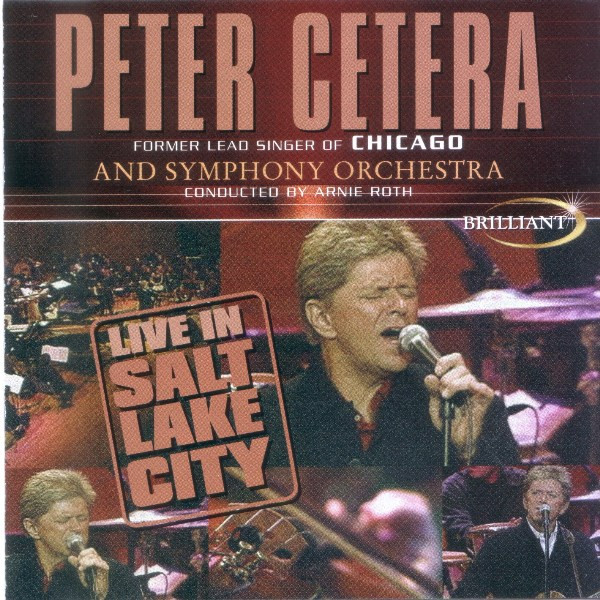

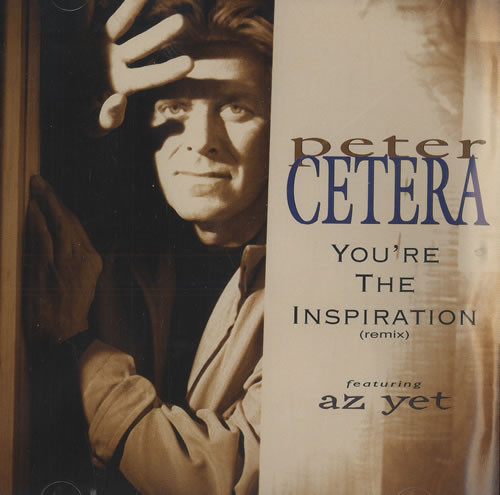
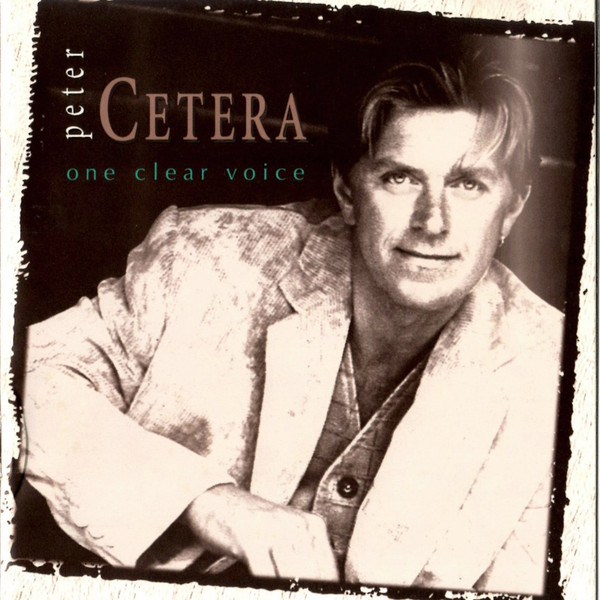

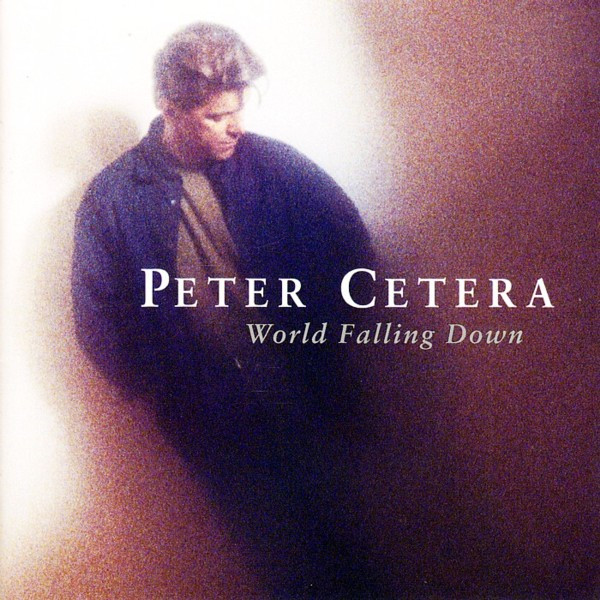
Chicago
A project Peter Cetera was part of. Former member.
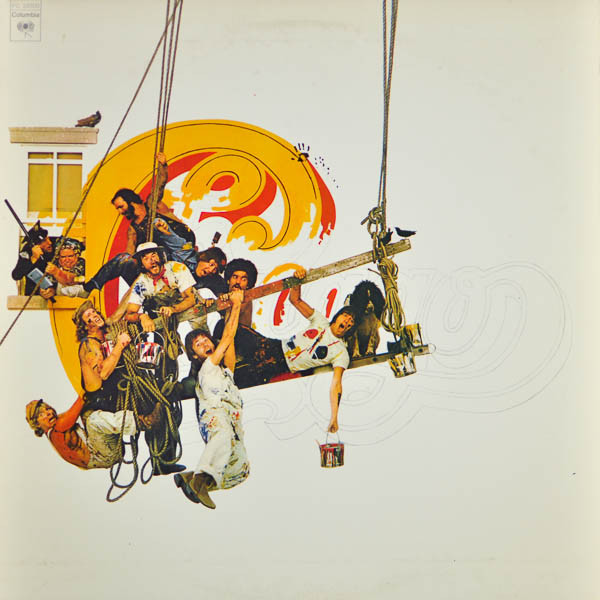
Chicago IX Chicago's Greatest Hits
1975
Chicago Transit Authority
1969
Chicago
1970
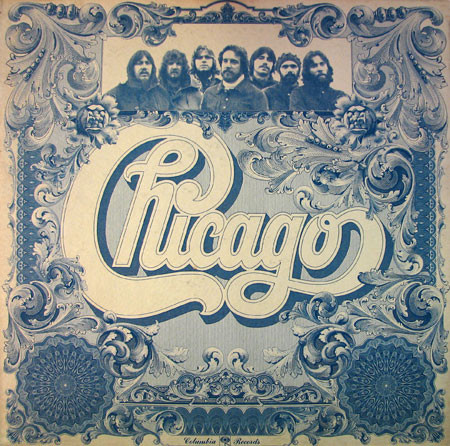
Chicago VI
1973
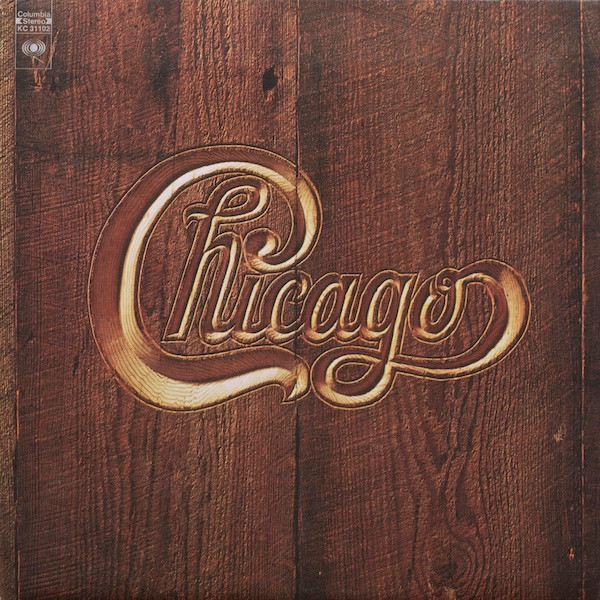
Chicago V
1972
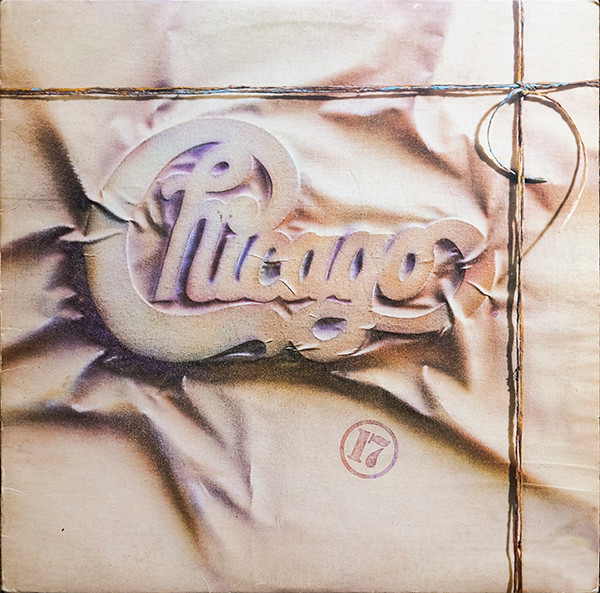
Chicago 17
1984

Chicago X
1976
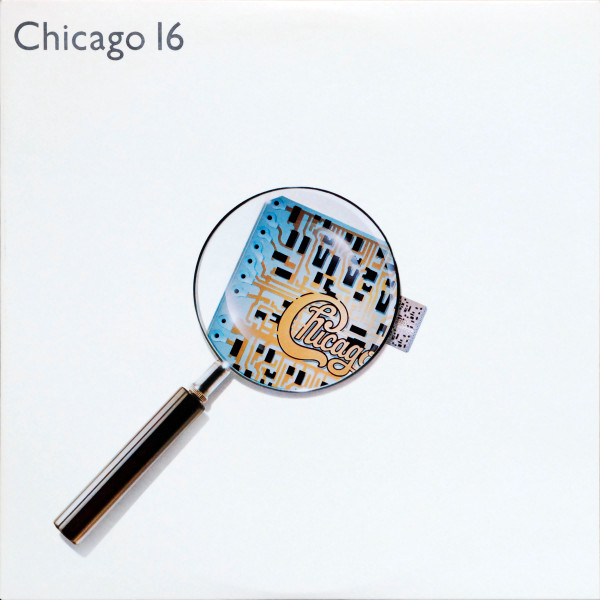
Chicago 16
1982
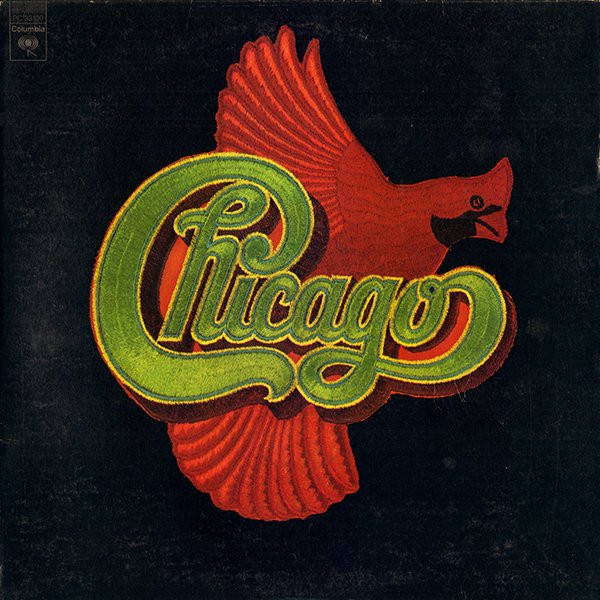
Chicago VIII
1975
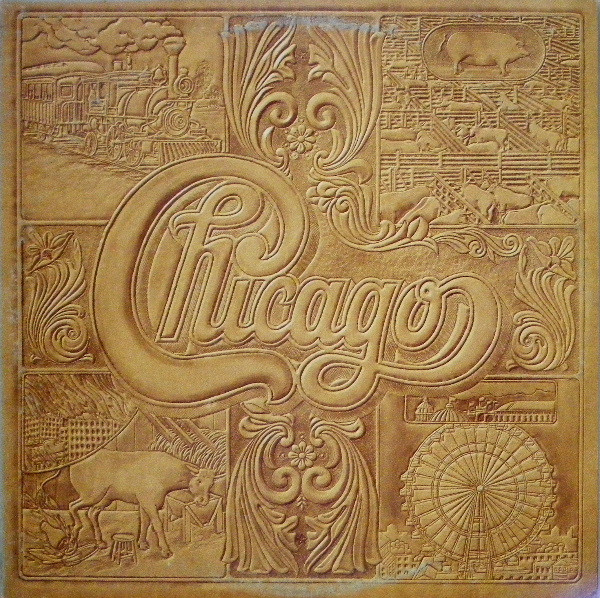
Chicago VII
1974

Chicago III
1971

Chicago XI
1977
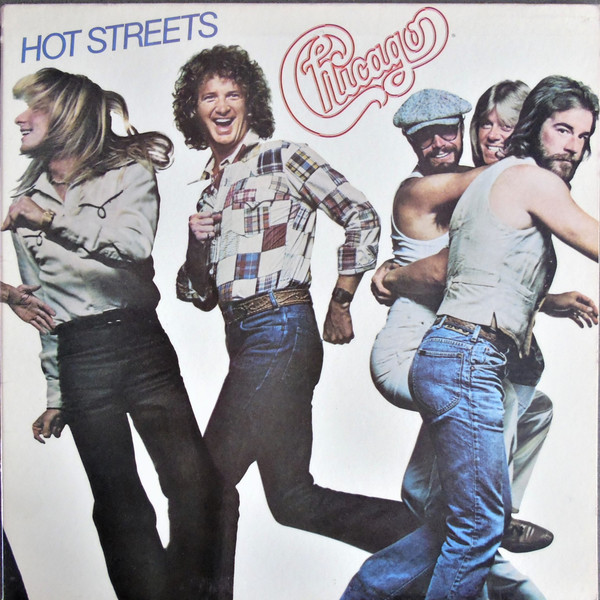
Hot Streets
1978
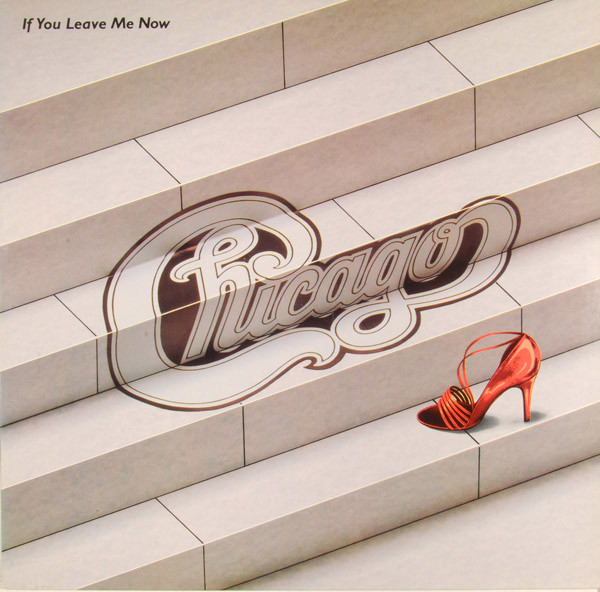
If You Leave Me Now
1982

Greatest Hits 1982-1989
1989
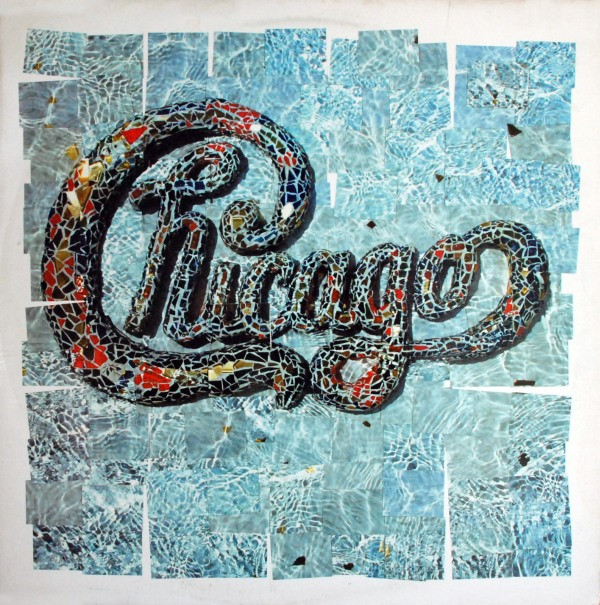
Chicago 18
1986

Chicago 19
1988

Greatest Hits, Volume II
1981
Chicago 13
1979
Chicago XIV
1980
The Chicago Story: Complete Greatest Hits
2002
The Studio Albums 1979-2008
2015
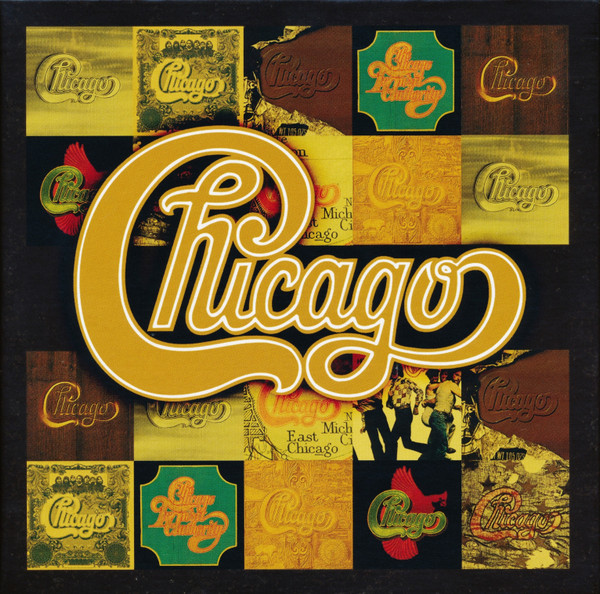
The Studio Albums 1969-1978
2012

Original Album Series
2010
Related artists
Frequent collaborators
Around the web
Follow every record they touch.
Start your shelf and Gatefold tracks Peter Cetera's new pressings, tour dates, and the whole discography — automatically.
Start your shelf →Free forever. Works with 10 records or 10,000.