
Artist
The Allman Brothers Band
Jacksonville, United States • 1969 – 2014
The Allman Brothers Band is a music group from Jacksonville, United States, active 1969–2014. Their discography on Gatefold includes 24 records.

24
Albums tracked
546
In collections
1969
Since
Biography
The Allman Brothers Band was an American rock band formed in Jacksonville, Florida, in 1969 and blended different strains of Southern Rock related music— Blues, Country, Gospel, Jazz, and more— into a flexible, jam-oriented Rock and Roll style. Reflecting the emergence of the "New South" and setting the style for Lynyrd Skynyrd, the Marshall Tucker Band, and many other bands, the Allman Brothers Band also oddly— or eerily, some would say— had an unusual string of untimely deaths, a pattern similar to other Southern rockers.
The Arc of The Allman Brothers Band
The pivots — what forced The Allman Brothers Band to reinvent.
The Twin-Engine Engine
From 1969 to 1971, the original six-piece lineup locked themselves in a communal house in Macon and rehearsed until they could improvise as a single organism. Duane Allman’s slide guitar matched with Dickey Betts' melodic runs created a dense, modal blues sound heavily influenced by Miles Davis. This era peaked with the live double album recorded at the Fillmore East, where Tom Dowd let the band stretch tracks past the twenty-minute mark. You hear the absolute peak of their telepathic communication in the shifting tempos of 'Whipping Post'.
The Country-Rock Pivot
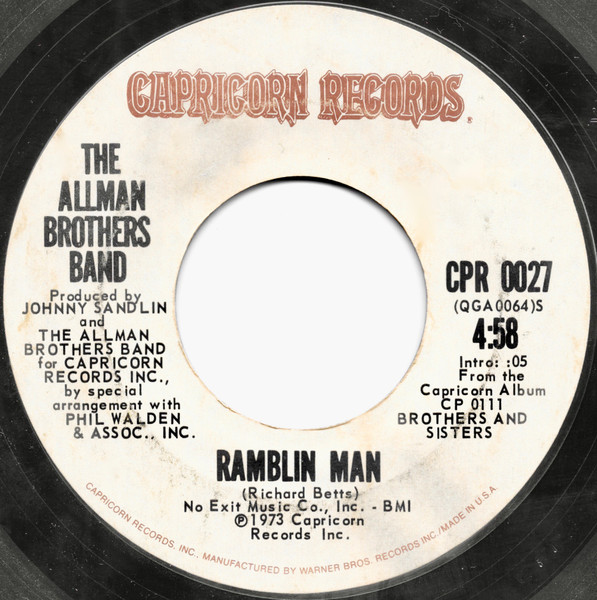
After losing Duane and Berry Oakley, the band hired keyboardist Chuck Leavell and let Dickey Betts take the creative reins. The sound shifted from heavy, improvisational blues-rock to a bright, major-key Southern country-rock style. Gregg's Hammond B3 took a backseat to Leavell's rolling acoustic piano, and Betts handled the lead vocals on their biggest hits. The transition defined their 1973 album Brothers and Sisters, where 'Ramblin' Man' traded their dark grit for radio-friendly gold.
The Capricorn Collapse
By 1975, drug habits and personal feuds completely fractured the group during the Win, Lose or Draw sessions. Producer Johnny Sandlin had to record Gregg's vocals in Los Angeles while the rest of the band tracked in Macon because they couldn't stand to be in the same room. The resulting record sounds flat, exhausted, and devoid of the groove that made them. The run ended in federal court when Gregg's testimony fractured his relationship with the remaining members for years.
The Late-Career Redemption
In 1989, the band reunited for their twentieth anniversary and recruited slide guitarist Warren Haynes to fill Duane's massive shoes. Haynes brought a gritty, heavy-blues sensibility that instantly revived their live energy and grounded their studio work on Seven Turns. They abandoned the slick synthesizer production of their eighties failures and returned to raw, dual-guitar improvisations. This lineup restored their reputation as a live powerhouse, culminating in their annual multi-night residencies at New York's Beacon Theatre.
Influences
- Elmore James — Duane Allman famously decided to learn slide guitar after hearing James play. You can hear this direct lineage in the band's studio cover of 'Statesboro Blues' on their self-titled debut, where Duane mimics James' stinging, full-throttle slide attack. His open-E tuning setup was lifted straight from James' classic recordings.
- Miles Davis — Duane and Dickey Betts listened to Kind of Blue constantly, using the modal jazz structures to escape standard blues progressions. The modal soloing on 'In Memory of Elizabeth Reed' is a direct nod to Davis' long-form improvisations. They structured their jams on scales rather than chord changes, a trick they copped directly from Miles.
- Blind Willie McTell — The band's acoustic foundation rests heavily on McTell's Piedmont blues fingerpicking. They covered his 'Statesboro Blues' as a high-octane electric jam, but the syncopated vocal phrasing Gregg used is a direct lift from McTell's 1928 acoustic original. It kept their blues roots grounded in deep Southern history.
- John Coltrane — The band members, particularly drummer Jaimoe, studied Coltrane's quartet sheets to learn how to sustain tension over a single chord. The extended instrumental section of 'Mountain Jam' is a direct rock adaptation of the modal jazz explorations found on Coltrane's My Favorite Things. They treated rock guitar like a jazz saxophone.
- Muddy Waters — The band cut Waters' 'Trouble No More' at their very first rehearsal session to see if the chemistry was there. It became a permanent fixture of their live sets, showcasing the driving, heavy Chicago blues groove that Butch Trucks and Jaimoe beefed up with their two-drummer attack. They took Waters' slow-burn tension and supercharged it for arenas.
Discography
Their records — most-collected first.

The Allman Brothers Band At Fillmore East
1971
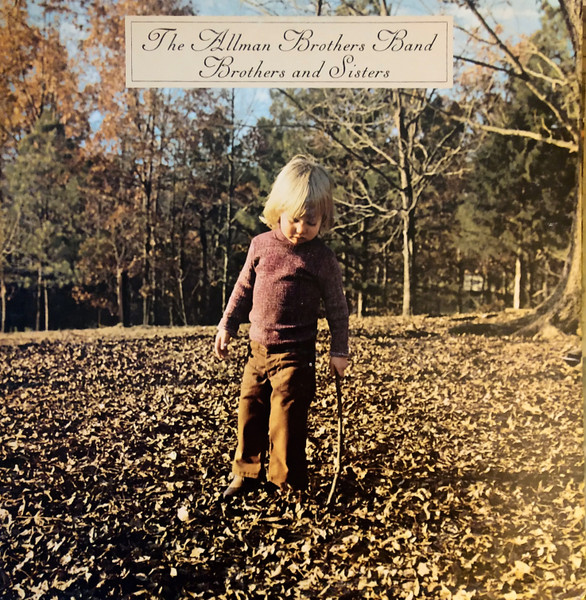
Brothers And Sisters
1973
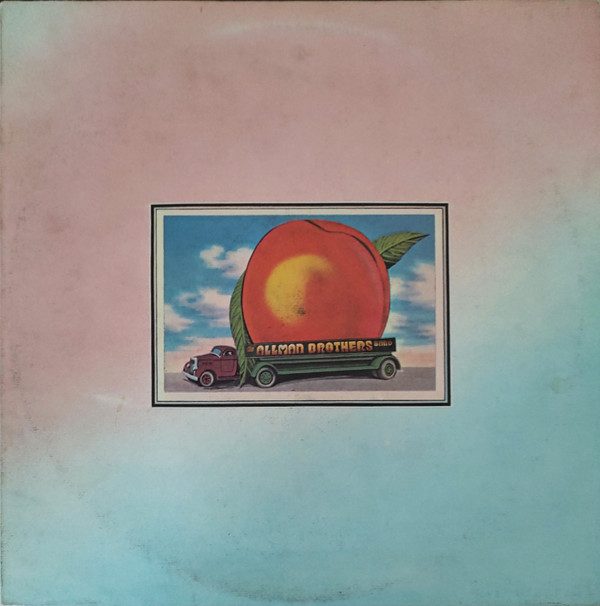
Eat A Peach
1972
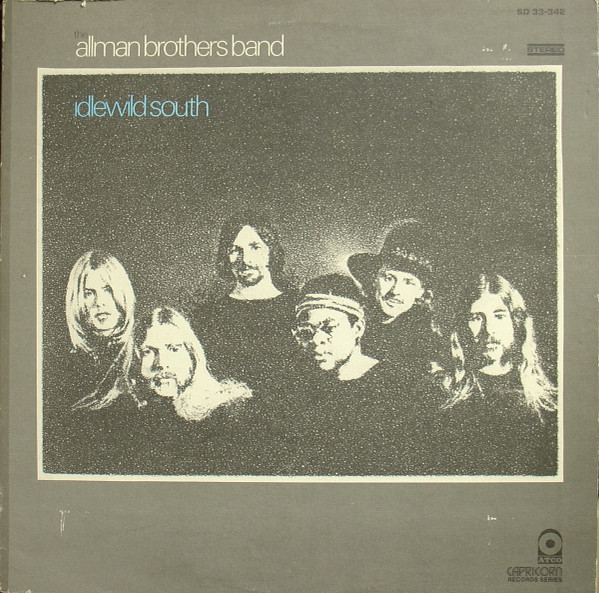
Idlewild South
1970
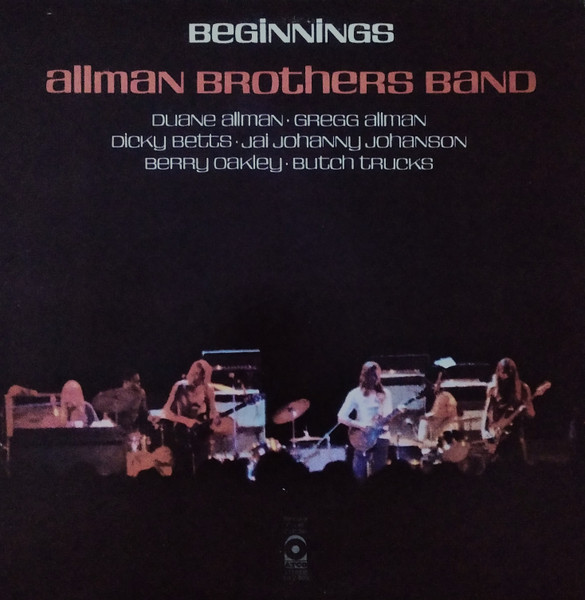
Beginnings
1973
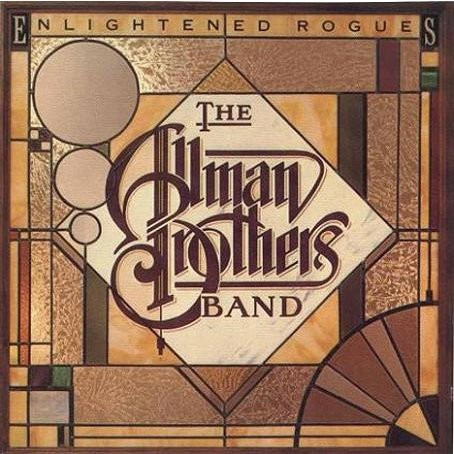
Enlightened Rogues
1979
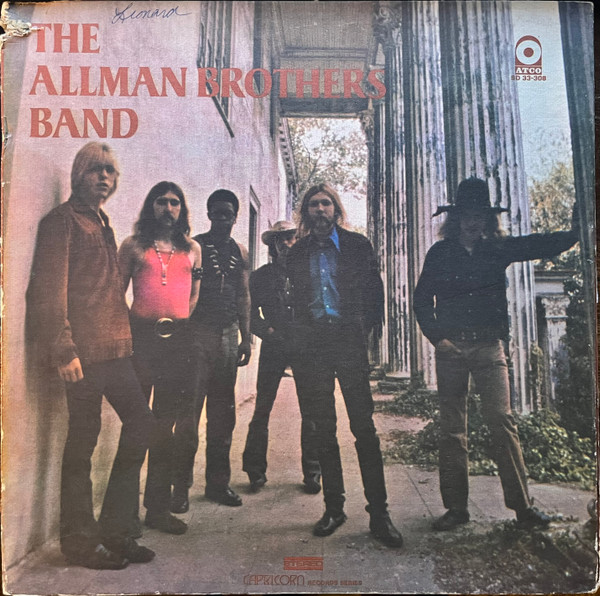
The Allman Brothers Band
1969
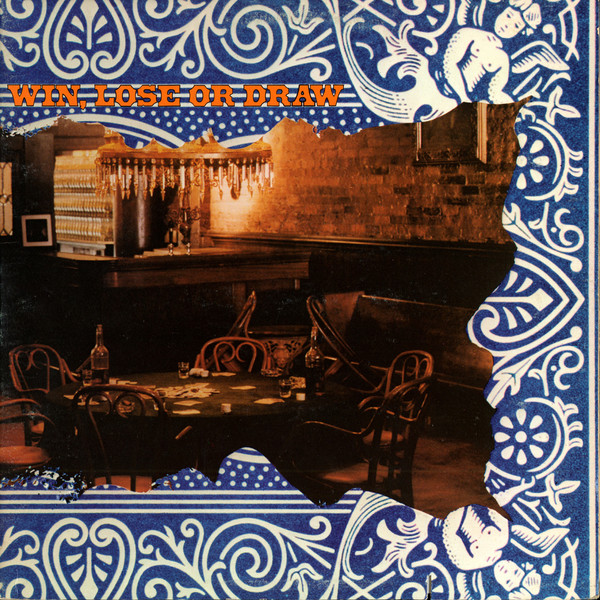
Win, Lose Or Draw
1975

A Decade Of Hits 1969 - 1979
1991
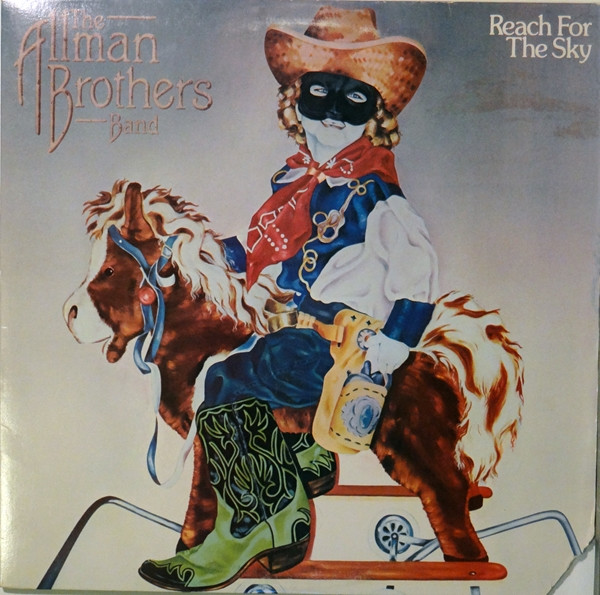
Reach For The Sky
1980
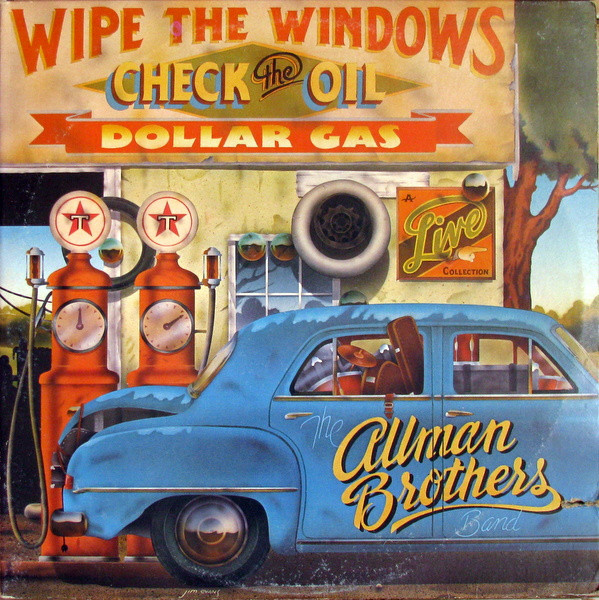
Wipe The Windows, Check The Oil, Dollar Gas
1976

The Road Goes On Forever
1975
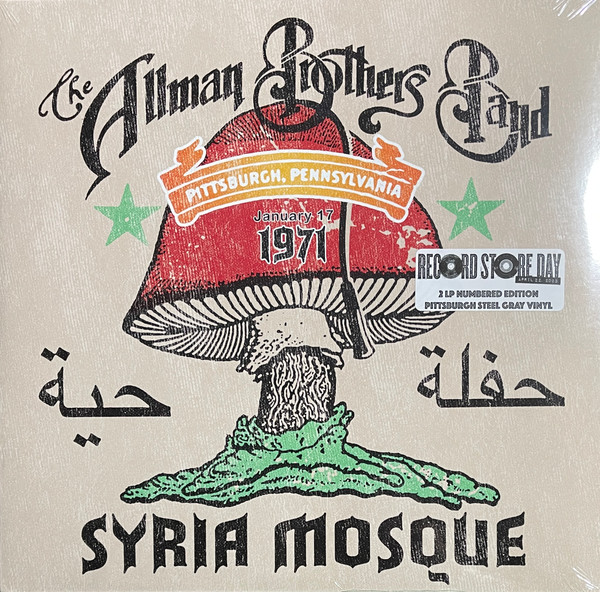
Syria Mosque Pittsburgh, PA January 17, 1971
2022

Live From A&R Studios, New York, August 26, 1971
2022
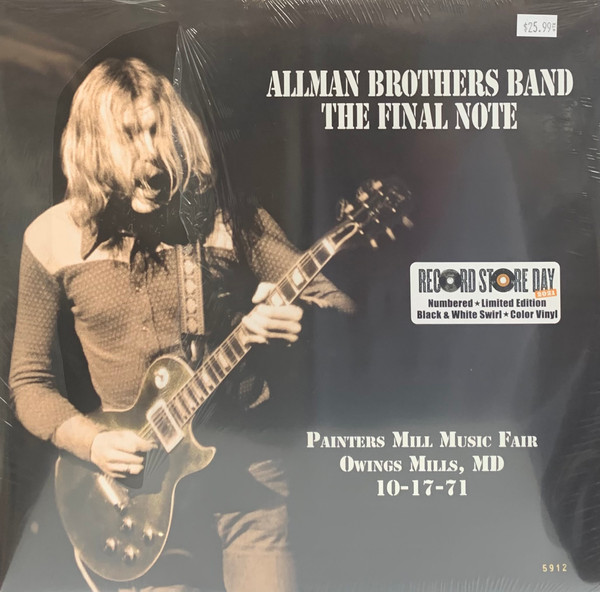
The Final Note
2020

Seven Turns
1990

Brothers Of The Road
1981

The Best Of The Allman Brothers Band
1981

Fillmore West 1-31-71
2020

Hittin' The Note
2003
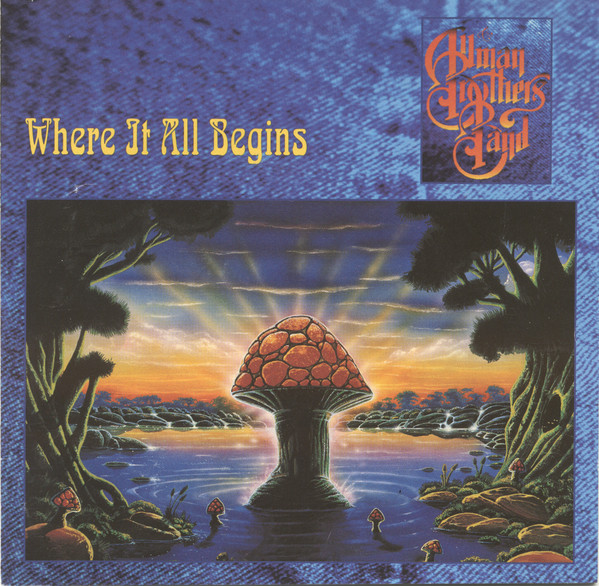
Where It All Begins
1994

Shades Of Two Worlds
1991
Ramblin Man
1973

Manley Field House, Syracuse University, April 7 1972
2024
Related artists
Around the web
Follow every record they touch.
Start your shelf and Gatefold tracks The Allman Brothers Band's new pressings, tour dates, and the whole discography — automatically.
Start your shelf →Free forever. Works with 10 records or 10,000.