
Performance · Other credits
Wayne Hancock
Wayne Hancock is credited on 24 releases across 23 albums tracked on Gatefold, active 1971–2018 — the collector-built map of who actually made the music.

24
Pressings credited
23
Albums
5
Decades active
11
In collections
Biography
Thomas Wayne Hancock III (born May 1, 1965, in Dallas, Texas) better known as Wayne "The Train" Hancock, is an American singer-songwriter. Known as "The King of Juke Joint Swing," his performances incorporate jazz, blues, western swing, country and rockabilly, styles of music that he began listening to as a kid. His influences include Jimmie Rodgers, Glenn Miller, Tommy Dorsey, Hank Thompson, Hank Williams and Hank Snow because they were all in his parents' record collection. Throughout his childhood, Hancock moved around seven times because his father was a Design engineer who worked at various engineering firms around the United States. Shortly after discovering country music, Hancock began writing songs at the age of twelve. Hancock's vocal style was initially influenced by Hank Williams, and he has been compared to him throughout his career. At eighteen years old, Hancock won the Wrangler Country Showdown contest. The son of a WWII veteran, Hancock joined the United States Marine Corps immediately after winning the contest and was shipped to recruit training. Hancock served in the military for four years. During a six-month deployment at Camp Hansen in Okinawa, Japan, he wrote one of his most well known songs, "Cold Lonesome Wind" from Thunderstorms and Neon Signs. In 1990, Hancock moved to Austin, Texas. In 1994, he met Lubbock, Texas native Joe Ely, a member of the Flatlanders at the Continental Club in, Austin, Texas. Shortly thereafter, Hancock landed a role in Terry Allen and Jo Harvey Allen's play, Chippy. Jimmie Dale Gilmore of the Flatlanders originally played Hancock's character Mr. Jukebox. When Gilmore was unable to do the second run of the play, Ely brought Hancock in, saying "This guy sounds just like Hank Williams, he'd be perfect." From there, Hancock joined the cast and went into the studio to record "Thunderstorms and Neon Signs," for the soundtrack. It was his first recording of the song. Hancock met Grammy Award winning producer, pedal steel p
Bio from Wikipedia
Credited work
24 releases · 23 albums · active 1971–2018
- Performance · 36
- Other credits · 1
Studios: Corduroy Records (2) · Platinum Lab · The Groove Room · Cedar Creek Recording
Discography
Records they worked on — most-collected first.


Frequent collaborators
- Various
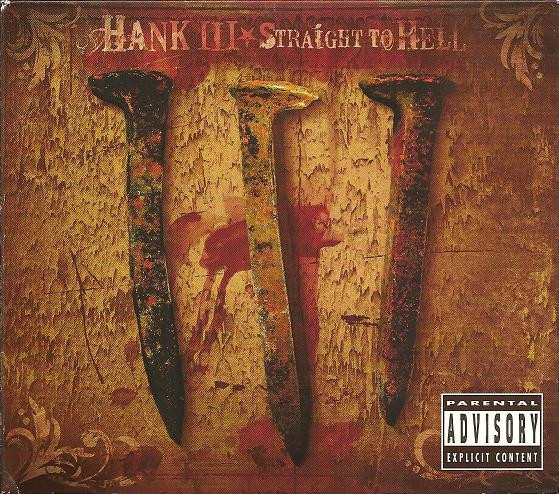
- Hank III
- Disappear Fear
- Willie Heath Neal
Around the web
See who really made the music.
Gatefold maps every producer, engineer, and player across your shelf — the credits no one else surfaces.
Start your shelf →Free forever. Works with 10 records or 10,000.