
Performance · Other credits
The Merry Macs
The Merry Macs is credited on 52 releases across 15 albums tracked on Gatefold, active 1950–2020 — the collector-built map of who actually made the music.

52
Pressings credited
15
Albums
8
Decades active
7
In collections
Biography
The Merry Macs were an American and British close-harmony pop music quartet who were active from the 1920s until 2000. They were best known for the hits "Mairzy Doats", "Praise the Lord and Pass the Ammunition" and "Sentimental Journey". The group also sang on recordings with Bing Crosby. Formed to play proms in Minneapolis, Minnesota, the group originally consisted of the three McMichael brothers: tenors Judd (1906–1989) and Joe (1916–1944), and baritone Ted (1908–2001). They were discovered by organist-bandleader Eddie Dunstedter of station WCCO, who suggested they perform in masks and dubbed them The Mystery Trio. In 1931–32, the McMichaels toured with the orchestra of arranger-composer Joe Haymes, who renamed them The Personality Boys. By 1933 they added a female lead singer, Cheri McKay, and changed their name to The Merry Macs. At Haymes' recommendation, Victor Records engaged the group for one single that year, their first recording. In 1936, they appeared on several national radio programs, and Cheri McKay was replaced by Helen Carroll. (McKay trained her successor in the group's singing style). Another recording session followed with Ray Noble's orchestra. The Merry Macs started appearing with Fred Allen on Town Hall Tonight starting on November 17, 1937. In September 1938, they signed a contract with Allen for the 1938–1939 season, and they remained until the end of the 1940 season. Vocal quartets had customarily harmonized like barbershop quartets. The Merry Macs revolutionized vocal harmony with closer harmonic chords. This style inspired other groups, like The Modernaires and Six Hits and a Miss. In 1938 The Merry Macs signed with Decca Records and recorded "Pop Goes the Weasel". The Merry Macs (with Carroll) sang a swing version of "Down by the Old Mill Stream" in the 1939 Vitaphone musical Seeing Red, Red Skelton's first film. In 1939, Mary Lou Cook (1908–2008) replaced Helen Carroll. This is the foursome that most listeners know from film appearance
Bio from Wikipedia
Credited work
52 releases · 15 albums · active 1950–2020
- Performance · 53
- Other credits · 4
Discography
Records they worked on — most-collected first.
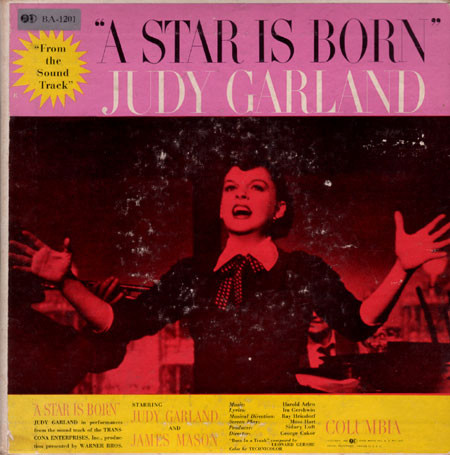


Frequent collaborators
- Judy Garland
- Various
- Bing Crosby
- Paul Whiteman
- Donald Peers
- Glen Gray And The Casa Loma Orchestra
Around the web
See who really made the music.
Gatefold maps every producer, engineer, and player across your shelf — the credits no one else surfaces.
Start your shelf →Free forever. Works with 10 records or 10,000.