
Performance · Other credits
Sid Robin
real name Sidney Rabinowitz
Sid Robin is credited on 3,129 releases across 865 albums tracked on Gatefold, active 1950–2026 — the collector-built map of who actually made the music.
3,129
Credits
865
Albums
8
Decades active
311
In collections
Biography
American composer and lyricist, born 12 July 1912 in New York City; died 7 November 1985 in Los Angeles, USA. ASCAP IP# 26272892.
Sid Robin served in WWII entertaining troops as a cast member of Irving Berlin’s "This Is the Army." He also wrote lyrics for several well-known songs. An early collaboration with Bob & Joe Shelton (opens in a new tab) in 1935 resulted in “Just Because.” In 1938 he wrote the lyrics for trumpeter Charlie Shavers’ “Undecided” which was a hit when it was first performed in 1939, enjoyed a resurgence of popularity in 1951 when the Ames Brothers recorded it, and remains a staple of the jazz repertoire. His collaboration with Jimmie Henderson and Bertha Scott resulted in the popular “I Miss You So” in 1939. In 1941 he wrote the lyrics for Benny Goodman and Lionel Hampton’s famous “Flyin’ Home” and for Alec Wilder’s “That’s the Way It Goes,” which was popularized by Peggy Lee.
Robin is also credited as a songwriter for many films from the 1930s through the 1950s, such as "Private Buckaroo" (1942), starring the Andrews Sisters; Gene Autry’s "Trail to San Antone" (1947), and a series of college musicals in the 1940s aimed at the teenage set. He also collaborated with Foy Willing on music for films such as "Under Colorado Skies" (1947), starring Monte Hale, and several Roy Rogers’ films, including "The Golden Stallion" (1949), "Twilight in the Sierras" and "Bells of Coronado" (1950). Willing was the leader of the vocal group Riders Of The Purple Sage (opens in a new tab) that frequently appeared in western films, and co-wrote with Robin “No One to Cry,” which Ray Charles recorded.
Robin wrote the lyrics for Jerry Fielding’s theme song for Groucho Marx’s 1950s TV show "You Bet Your Life." Two songs that he wrote with Louis Jordan appeared more recently in the 1992 Broadway revue "Five Guys Named Moe." He is also credited as a collaborator with Jelly Roll Morton and Sonny Burke on “King Porter Stomp,” which appeared in the 1990 movie "Miller’s Crossing."
Bio from Discogs
Credited work
3,129 releases · 865 albums · active 1950–2026
- Performance · 3,256
- Other credits · 12
Studios: RCA Victor Studios, Nashville · Van Gelder Studio, Hackensack, New Jersey · Apollo Theater-New York City · Studio Davout
Discography
Records they worked on — most-collected first.
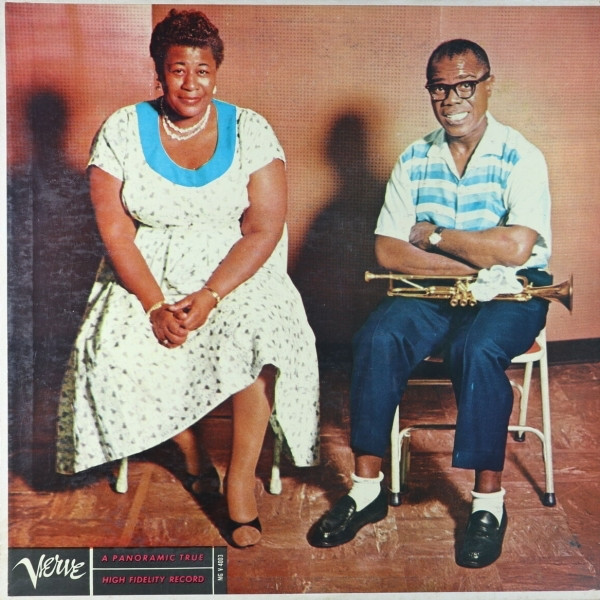
Ella And Louis
1956
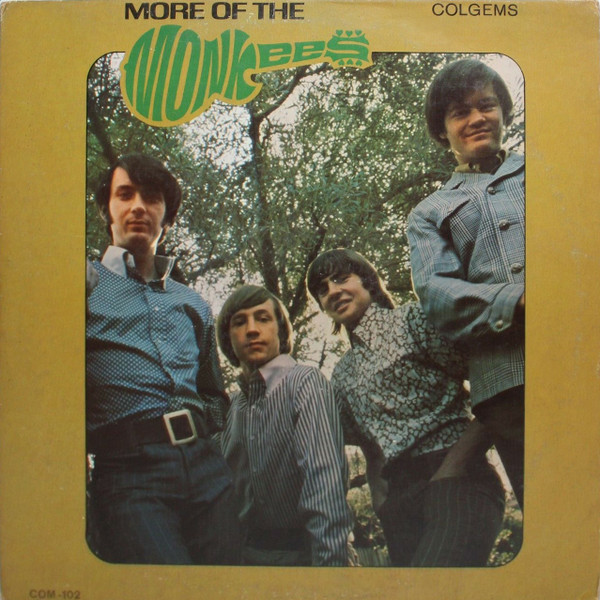
More Of The Monkees
1967
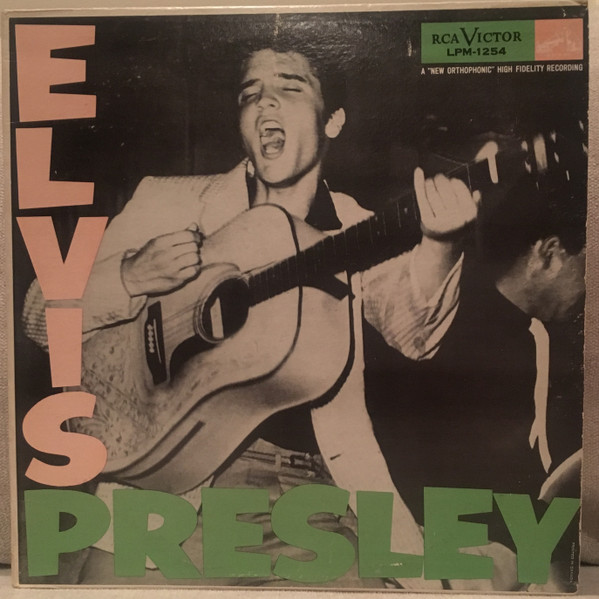
Elvis Presley
1956
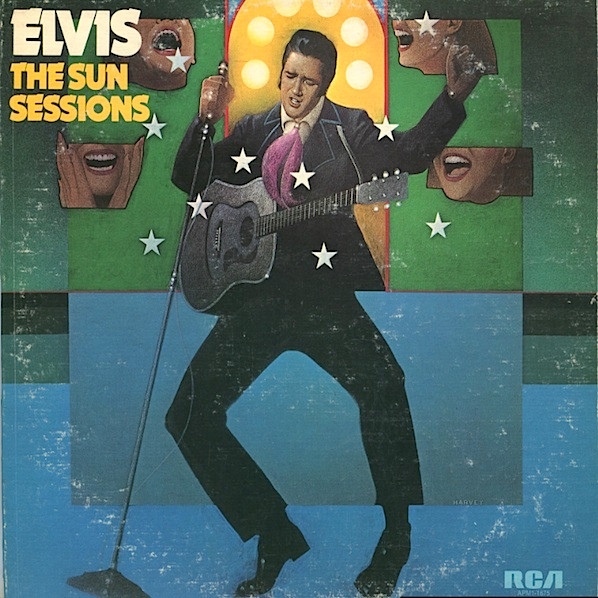
The Elvis Presley Sun Collection
1975
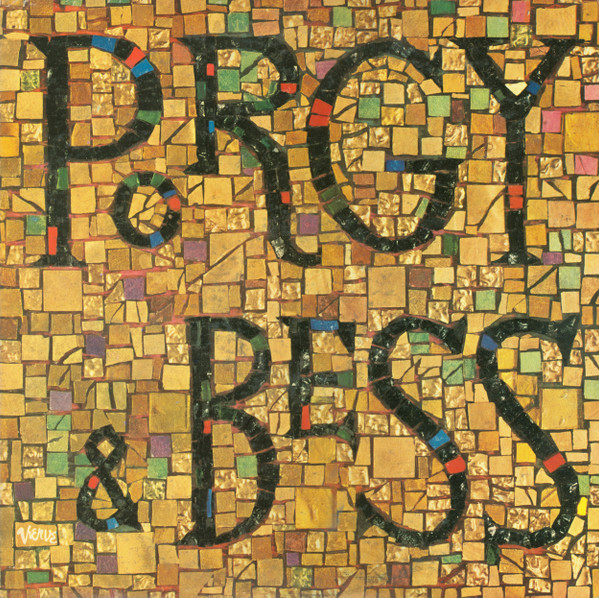
Porgy & Bess
1959

Снова В СССР
1988
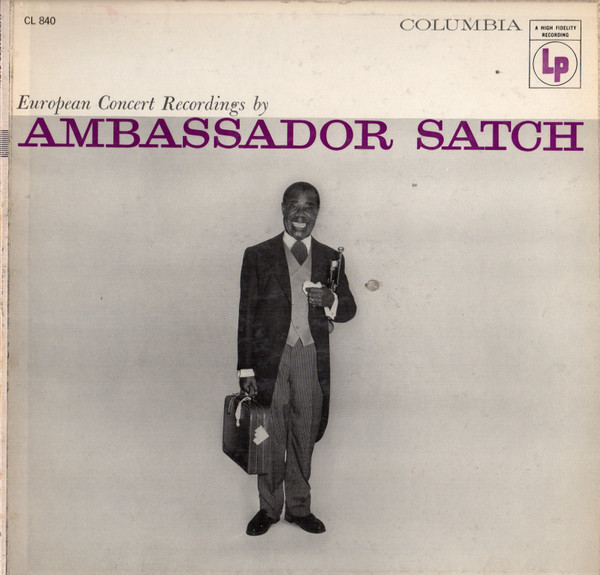
Ambassador Satch
1956

The Best Of Little Anthony & The Imperials
1965

Muted Jazz
1957

The Great Ray Charles
1957

Ella And Louis Again
1957

This Is The Story
1987

Sweet & Sour Tears
1964

Romeo & Juliet
1976
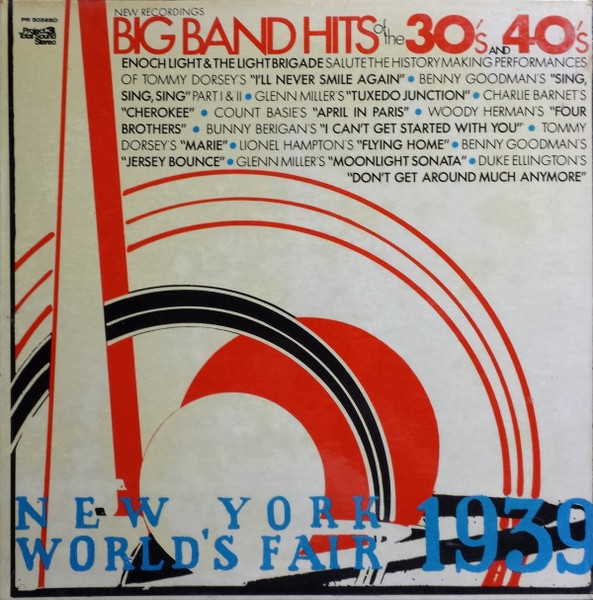
Big Band Hits Of The 30's & 40's
1971

Love, Peace And Happiness / Live At Bill Graham's Fillmore East
1969
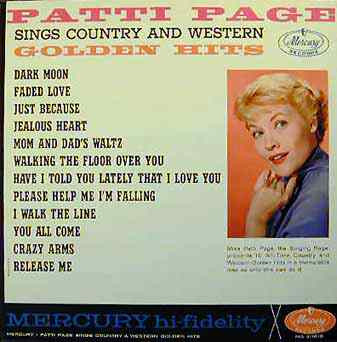
Patti Page Sings Country And Western Golden Hits
1961

Blues-ette
1959
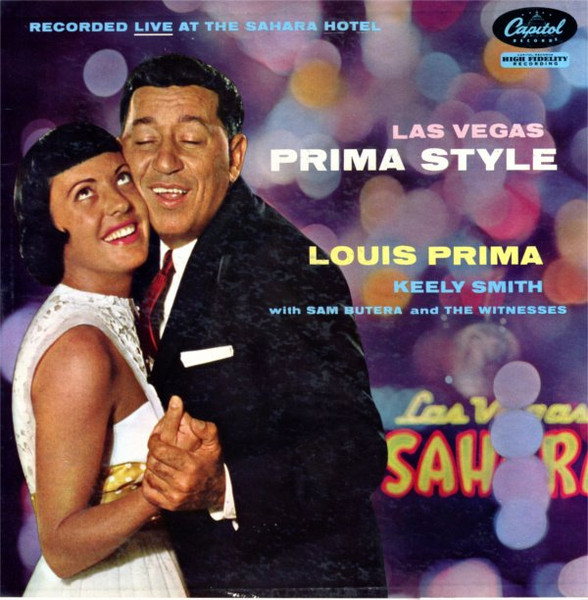
Las Vegas Prima Style
1958

The Best Of

A Date With Elvis

Love Scenes
1997
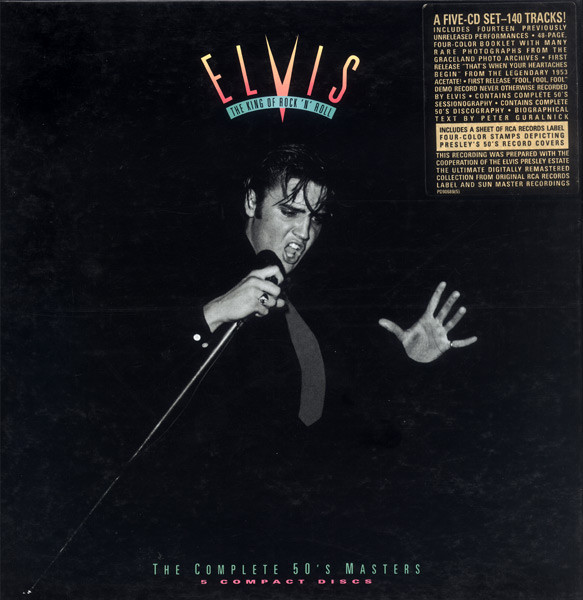
The King Of Rock 'N' Roll (The Complete 50's Masters)
1992

Satchmo! (A Musical Autobiography Of Louis Armstrong) (Vol. 4)
1958
Frequent collaborators
Around the web
See who really made the music.
Gatefold maps every producer, engineer, and player across your shelf — the credits no one else surfaces.
Start your shelf →Free forever. Works with 10 records or 10,000.