
Performance · Other credits
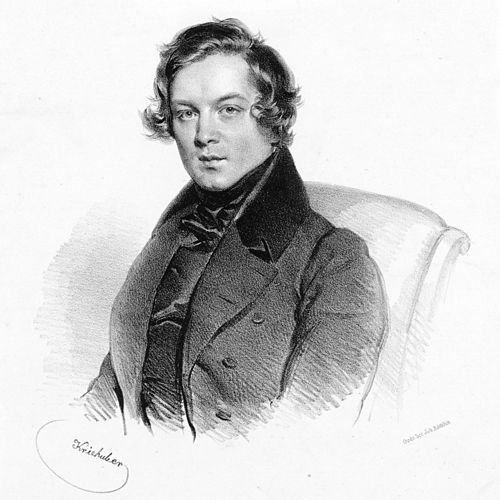
Robert Schumann
real name Robert Alexander Schumann
German classical composer
Germany · 1810-06-08 – 1856-07-29
Robert Schumann is credited on 21,611 releases across 3,888 albums tracked on Gatefold, active 1950–2026 — the collector-built map of who actually made the music.
21,611
Credits
3,888
Albums
8
Decades active
47
In collections
Biography
Showing the Discogs bio
Born: 1810-06-08 (Zwickau, Kingdom of Saxony) At present Zwickau, Germany.
Died: 1856-07-29 (Bonn, Rhine Province, Prussia) At present Endenich, Bonn, Germany.
German composer and influential music critic.
He is widely regarded as one of the greatest composers of the Romantic era. He left the study of law, intending to pursue a career as a virtuoso pianist.
Married to Clara Schumann.
Bio from Discogs
Credited work
21,611 releases · 3,888 albums · active 1950–2026
- Performance · 28,351
- Other credits · 611
Studios: Abbey Road Studios · Carnegie Hall · Jesus-Christus-Kirche, Berlin · Kingsway Hall
Discography
Records they worked on — most-collected first.

Horowitz In Moscow
1986
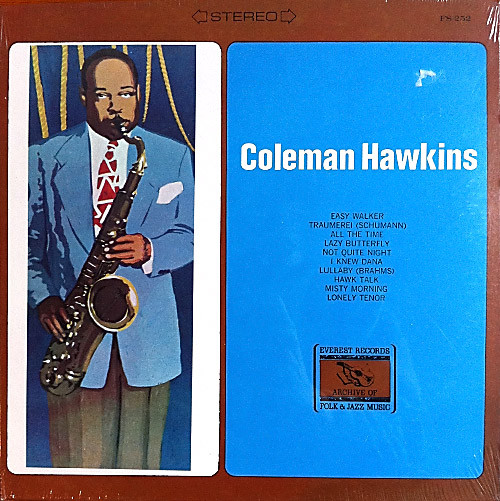
The Hawk And The Hunter
1965

The Royal Ballet Gala Performances
1959
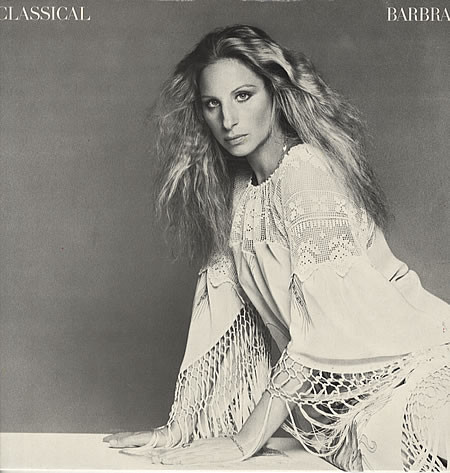
Classical ... Barbra
1976
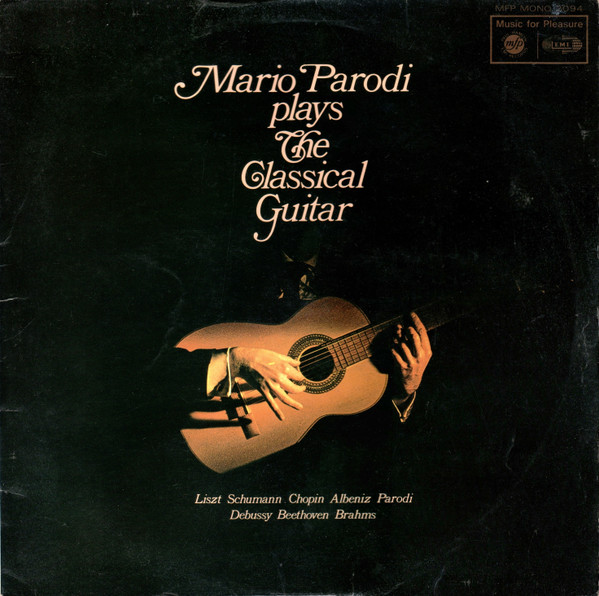
Mario Parodi Plays The Classical Guitar
1965
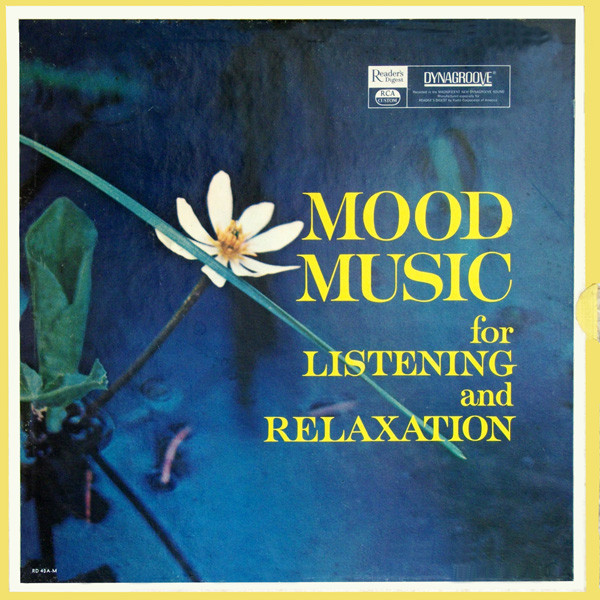
Mood Music For Listening And Relaxation
1963

Symphonie Nr. 1 C-Moll Op. 68

Träum Was Schönes
1979
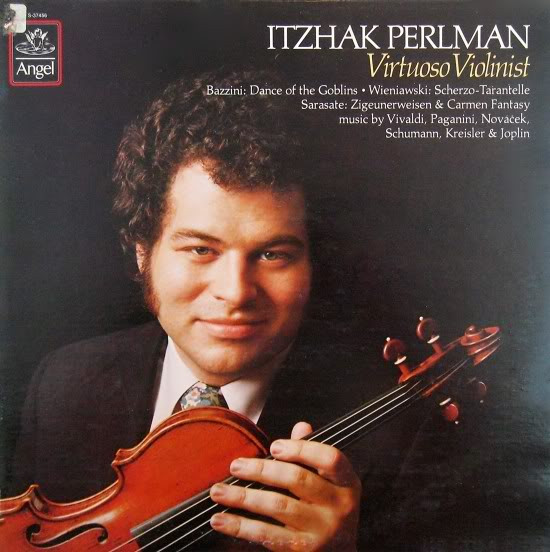
Virtuoso Violinist
1979

Horowitz Encores
1978
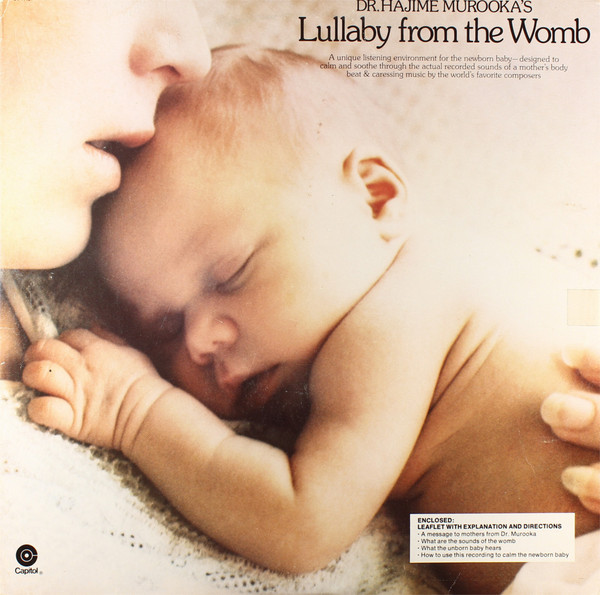
Lullaby From The Womb
1974

Music Of The World's Great Composers
1959

25 All Time Family Favorites

Chloe Flower
2021
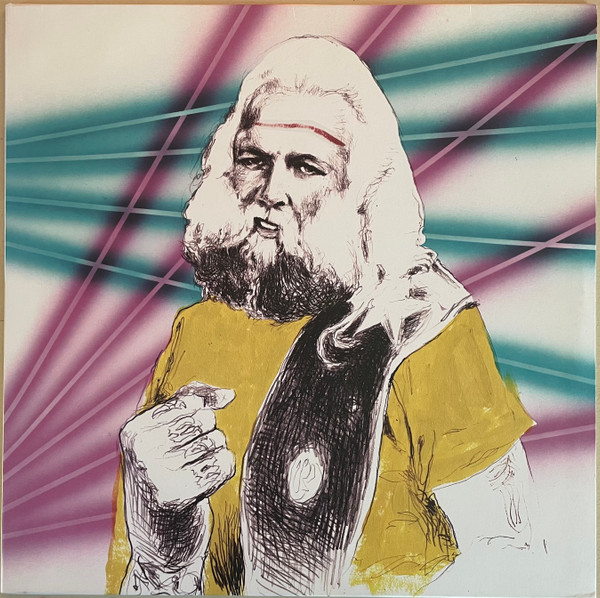
Sunwatchers
2016
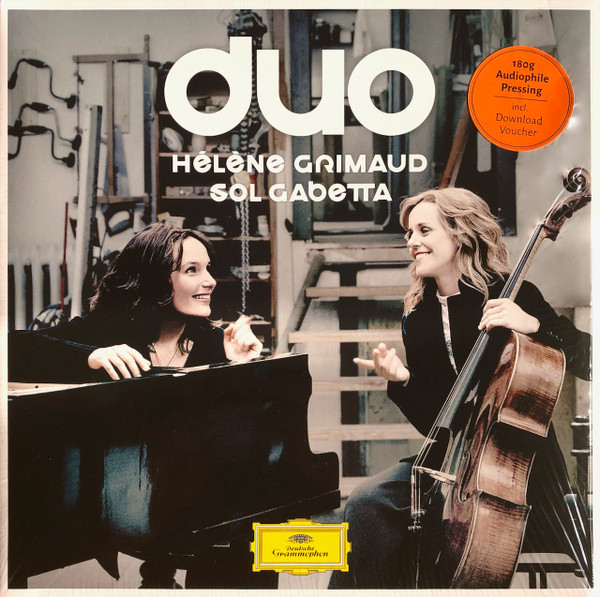
Duo
2012
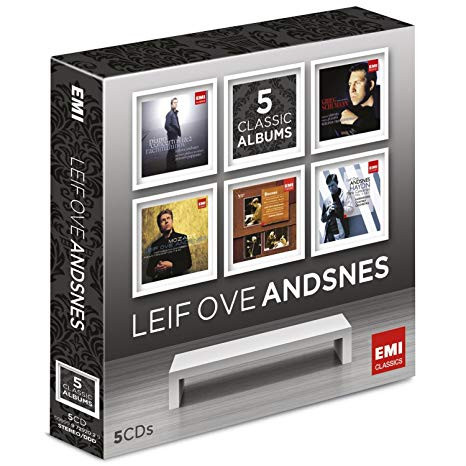
5 Classic Albums
2012
The Curious Case Of Benjamin Button (Music From The Motion Picture)
2008
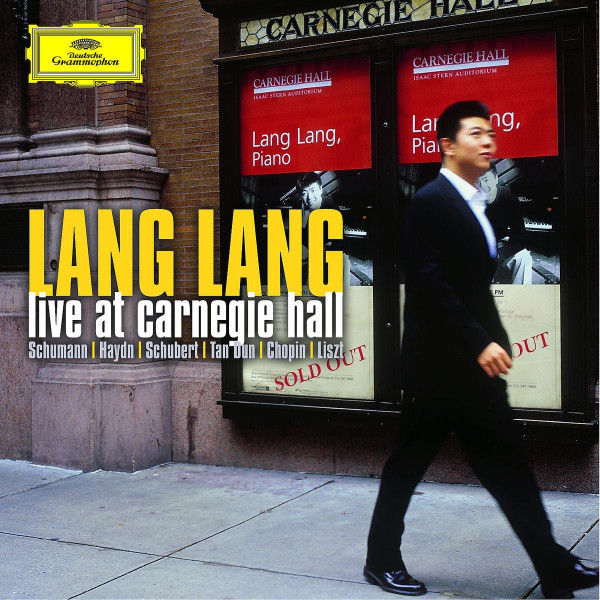
Live At Carnegie Hall
2004

Discover Classical Music
1994

Horowitz The Poet
1991

The World's Most Famous Concertos
1985

Kinderszenen • Kreisleriana
1984

Symphonie No. 2 / Manfred-Ouvertüre
1984
Frequent collaborators
- Schumann
- Various
- Brahms
- Schubert
- Beethoven
- Vladimir Horowitz
- Sviatoslav Richter
- Chopin
Around the web
See who really made the music.
Gatefold maps every producer, engineer, and player across your shelf — the credits no one else surfaces.
Start your shelf →Free forever. Works with 10 records or 10,000.