
Performance · Other credits
Louis C. Singer
real name Charles Louis Singer
Louis C. Singer is credited on 711 releases across 227 albums tracked on Gatefold, active 1950–2025 — the collector-built map of who actually made the music.
711
Credits
227
Albums
8
Decades active
99
In collections
Biography
Showing the Discogs bio
Songwriter.
B. February 26, 1912 in The Bronx, New York City.
D. December 28, 1966
Child prodigy. Studied music theory, harmony, and counterpoint at Julliard School of Music.
Mr. Singer’s first job was with W. C. Handy. He then worked as an arranger in the Duke Ellington office, where he helped write “Lost in Meditation” (with Irving Mills, Duke Ellington, and Juan Tizol in 1938, and recorded by Duke Ellington), and "Gypsy Without a Song" (with Irving Gordon, Duke Ellington, and Juan Tizol in 1938 and recorded by McCoy Tyner).
During the 1940s, Mr. Singer worked extensively in radio, including the show “Flow Gently Sweet Rhythm” with John Kirby and Maxine Sullivan. He wrote “If I Had a Ribbon Bow” (with Hughie Prince and recorded by Fairport Convention). In 1947, he was named to the New York Times Honor Roll for Radio, and the Radio and Television Critics Circle. He also earned the Billboard and Variety Awards for contribution to radio.
During the 1940s, he also worked as staff arranger for Lou Levy (Leeds Music). This work inspired changes in his musical style and new collaborations. He wrote “Keep Smilin’ Keep Laughin’ Be Happy” (recorded by Doris Day); wrote “Sleepy Serenade” with Mort Greene (recorded by The Andrews Sisters); wrote “I Will be Home Again” with Raymond Leveen and Bennie Benjamin (recorded by the Golden Gate Quartet and later recorded by Elvis Presley, before he went into the army, and released on the album Elvis is Back!); and wrote “Bugler’s Dilemma” (recorded by John Kirby and his orchestra), and “Tic Tac Toe” (recorded by Hugo Winterhalter & His Orchestra).
Collaborated for many years with Hy Zaret. “Song of the Army Nurse Corps” was formally adopted as the official anthem of the Army Nurse Corps during World War II. Their first hit was "One Meatball". In 1944, The Andrews Sisters had a hit recording, Josh White's recording sold a million copies, Zaret and Singer also wrote "Young and Warm and Wonderful" (recorded by Gene Pitney, Tony Bennett, James Darren, and Eddie Adams Jr.), "Atom and Evil" (recorded by The Golden Gate Quartet), "Listen to the Green Grass Growing", "I Spoke to Jefferson at Guadalcanal", "Israel's Freedom Ballad", "My Lily and My Rose", "The Lass with the Delicate Air" (recorded by Josh White, and a variation on an old English song by Michael Arne), and hundreds of Little Songs, including Ballads for the Age of Science and It Could be a Wonderful World.
Singer collaborated with Paul Glass on a series of books about the history of folk music, published by Grosset and Dunlap.
Bio from Discogs
Credited work
711 releases · 227 albums · active 1950–2025
- Performance · 726
- Other credits · 28
- Production · 1
Studios: Skyline Studios · Webster Hall · Van Gelder Studio, Englewood Cliffs, New Jersey · RCA Victor Studios, Nashville
Discography
Records they worked on — most-collected first.
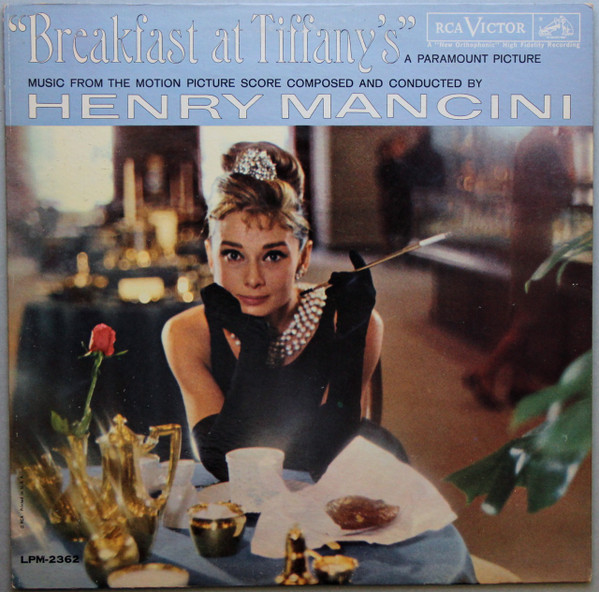
Breakfast At Tiffany's (Music From The Motion Picture Score)
1961
Slip Stitch And Pass
1997
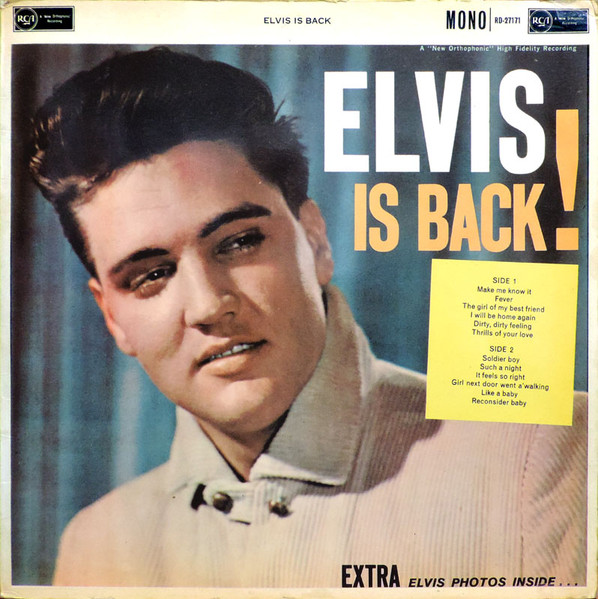
Elvis Is Back!
1960
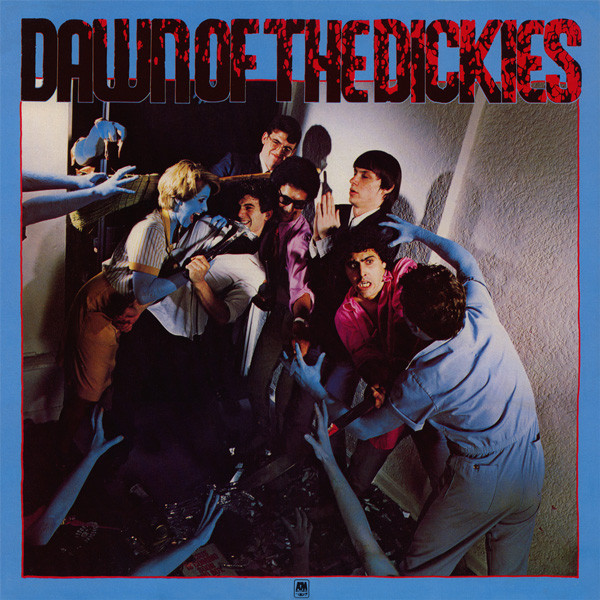
Dawn Of The Dickies
1979
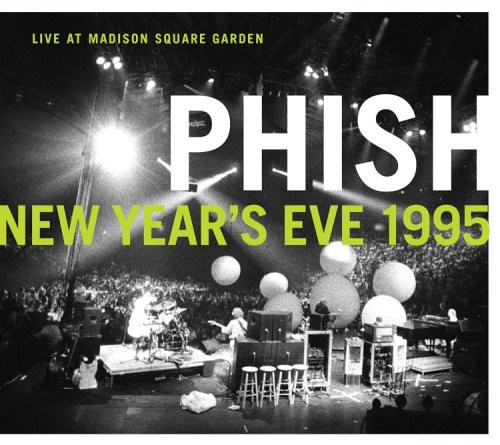
New Year's Eve 1995 - Live At Madison Square Garden
2005

Saturday Morning (Cartoons' Greatest Hits)
1995
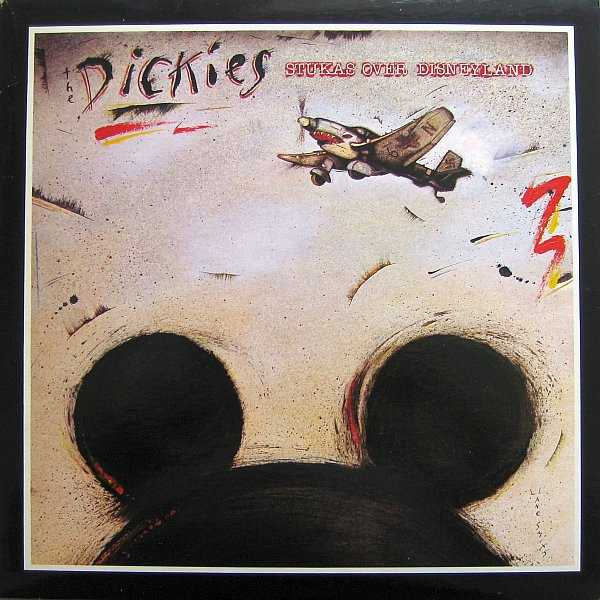
Stukas Over Disneyland
1983
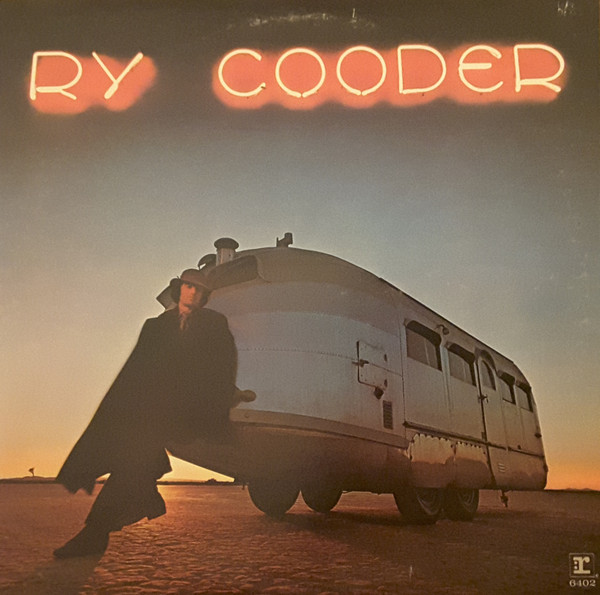
Ry Cooder
1970

Tony's Greatest Hits
1958
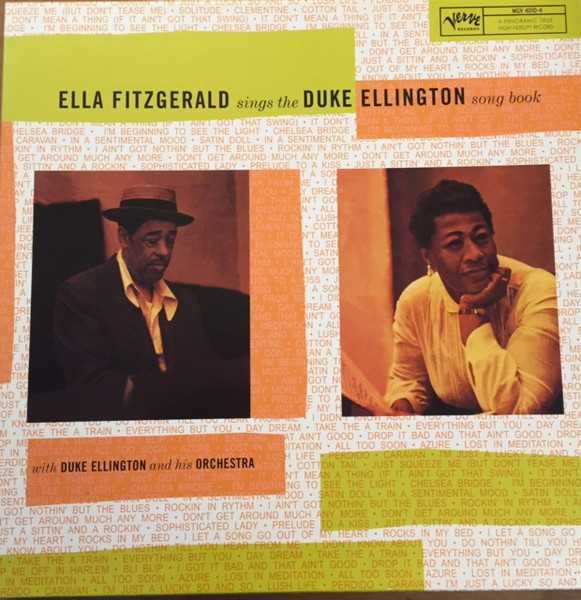
Ella Fitzgerald Sings The Duke Ellington Song Book
1957

A User's Guide To They Might Be Giants
2005

Severe Tire Damage
1998
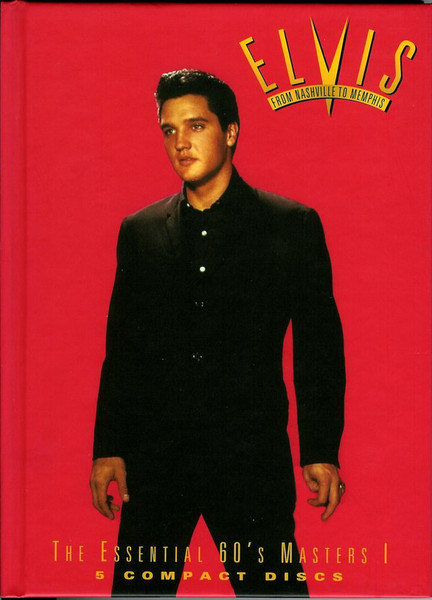
From Nashville To Memphis - The Essential 60's Masters I
1993
The Duke Ellington Songbook
1980

The Swing Era: The Music Of 1941-1942: Swing As A Way Of Life
1970
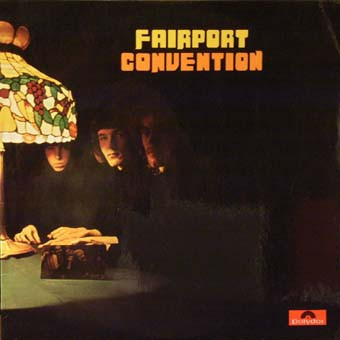
Fairport Convention
1968

The Sounds Of Adventure
1968

Mess Of Blues
1964

Children's Concert At Town Hall
1963

Two Of A Kind
1961
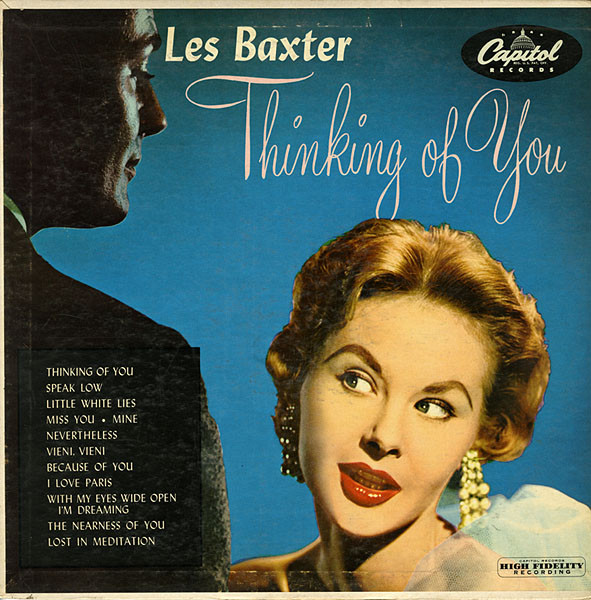
Thinking Of You
1954

The Spine Surfs Alone: Rarities 1998-2005
2024
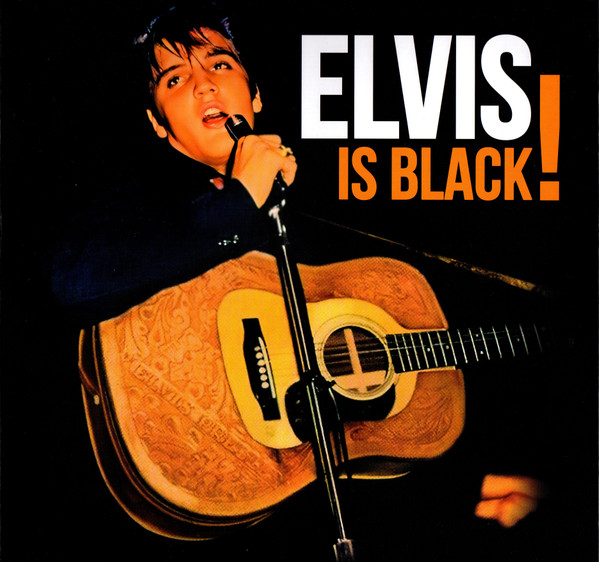
Elvis Is Black!
2023

Jazz Divas (Classics By The Queens Of Jazz)
2017
Frequent collaborators
Around the web
See who really made the music.
Gatefold maps every producer, engineer, and player across your shelf — the credits no one else surfaces.
Start your shelf →Free forever. Works with 10 records or 10,000.