
Performance · Other credits
Ken Kesey
United States • 1935-09-17 – 2001-11-10
Ken Kesey is credited on 21 releases across 10 albums tracked on Gatefold, active 1958–2020 — the collector-built map of who actually made the music.

21
Pressings credited
10
Albums
8
Decades active
16
In collections
Biography
Kenneth Elton Kesey (; September 17, 1935 – November 10, 2001) was an American novelist, essayist, and countercultural figure. He considered himself a link between the Beat Generation of the 1950s and the hippies of the 1960s. Kesey was born in La Junta, Colorado, and grew up in Springfield, Oregon, graduating from the University of Oregon in 1957. He began writing One Flew Over the Cuckoo's Nest in 1960 after completing a graduate fellowship in creative writing at Stanford University; the novel was an immediate commercial and critical success when published two years later. During this period, Kesey was used by the CIA (supposedly without his knowledge) in the Project MKULTRA involving hallucinogenic drugs (including mescaline and LSD), which was done to try to make people insane to put them under the control of interrogators. After One Flew Over the Cuckoo's Nest was published, Kesey moved to nearby La Honda, California, and began hosting "happenings" with former colleagues from Stanford, bohemian and literary figures including Neal Cassady and other friends, who became collectively known as the Merry Pranksters. As documented in Tom Wolfe's 1968 New Journalism book The Electric Kool-Aid Acid Test, some of the parties were promoted to the public as Acid Tests, and integrated the consumption of LSD with multimedia performances. He mentored the Grateful Dead, who were the Acid Tests' house band, and continued to exert a profound influence upon the group throughout their career. Kesey's second novel, Sometimes a Great Notion, was a commercial success that polarized some critics and readers upon its release in 1964. An epic account of the vicissitudes of an Oregon logging family that aspired to the modernist grandeur of William Faulkner's Yoknapatawpha saga, Kesey regarded it as his magnum opus. In 1965, after being arrested for marijuana possession and faking suicide, Kesey was imprisoned for five months. Shortly thereafter, he returned home to the Willamette Valley
Bio from Wikipedia
Credited work
21 releases · 10 albums · active 1958–2020
- Performance · 19
- Other credits · 10
- Production · 1
Studios: Winterland · San Francisco State University · Butterfly Studios · Klangwerk Studio
Discography
Records they worked on — most-collected first.


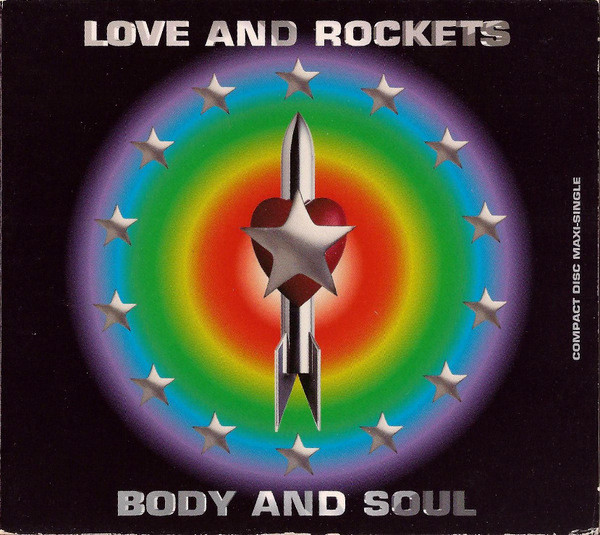
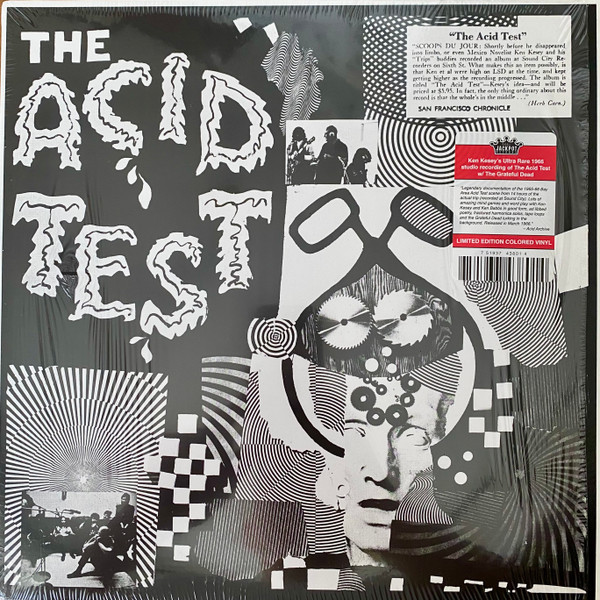


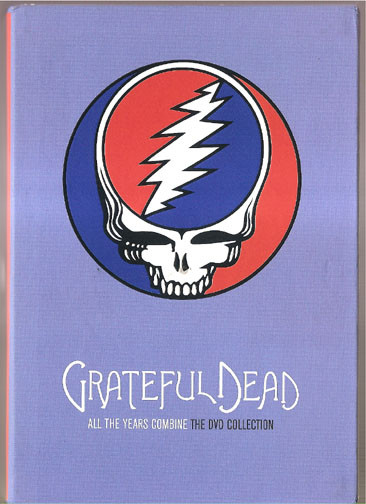
Frequent collaborators
- Hallucinogen
- Love And Rockets
- Neal Cassady
- Grateful Dead
- Curve
- Unknown Artist
Around the web
See who really made the music.
Gatefold maps every producer, engineer, and player across your shelf — the credits no one else surfaces.
Start your shelf →Free forever. Works with 10 records or 10,000.