
Artist
Curve
UK shoegaze/electro duo
London, United Kingdom · 1989 – 2005
Curve is a music group from London, United Kingdom, active 1989–2005. Their discography on Gatefold includes 21 records.

21
Albums tracked
60
In collections
1989
Since
Biography
Dean Garcia and Toni Halliday didn't give a damn about the shoe-staring etiquette of the early '90s Thames Valley scene. They built their sound out of heavily processed drum machines, Alan Moulder's razor-sharp console tricks, and thick layers of sampled noise before running it through standard indie guitar rigs. Halliday didn't whisper over the din either. She snarled right through the middle of the mix, treating dense industrial programming like pop hooks while everyone else was trying to recreate Loveless in a basement. Then Garbage came along a few years later with Butch Vig at the desk, polished the exact same blueprint for FM radio, and cashed the checks Curve should have seen. By the late '90s, Curve doubled down on cold, cybernetic breaks and club-ready electronics with Flood, but the mainstream window had slammed shut. They never got the massive stadium victory lap. What they left behind is a catalog of filthy, danceable noise that aged far better than most of the polite indie rock of their day.
Bio from The Clerk
The Arc of Curve
The pivots — what forced Curve to reinvent.
The Moulder Wall of Noise
Between 1991 and 1993, Curve dropped a run of brutal, pristine EPs leading into Doppelgänger and Cuckoo with Alan Moulder behind the desk. They buried hip-hop breakbeats and industrial sequencer pulses under slabs of Kevin Shields-level guitar distortion, creating a template nobody had nailed yet. It was punishing, highly danceable, and completely exhausted the band by the end of the Cuckoo touring cycle. Halliday and Garcia imploded from the pressure and pulled the plug on the project entirely in 1994.
The Cybernetic Comeback
Reconvening in 1996, the duo stripped out the shoegaze haze and hired Flood to co-produce 1998's Come Clean. They leaned hard into big beat grooves, razor-cut digital editing, and aggressive techno synths on tracks like 'Chinese Burn.' It was a sharper, leaner record that proved they weren't stuck in 1992, even if US radio programmers ended up championing their direct stylistic descendants instead.
The Independent Web Era
Freed from major label politics, Curve hit the early 2000s releasing Gift and self-distributing The New Adventures of Curve straight to listeners via the internet before most bands even had functioning websites. Kevin Shields showed up to drop guitar on Gift, but the music became increasingly digital, self-produced, and insular. Garcia and Halliday quietly shut down operations in 2005, leaving a fiercely guarded catalog of self-released bootlegs and unmastered DAT archives in their wake.
Influences
- Public Image Ltd — Garcia and Halliday bonded over Keith Levene's jagged, metallic post-punk guitar noise and Jah Wobble's cavernous sub-bass. You can hear that heavy, rhythmic low-end anchoring 'Ten Little Girls' underneath the digital distortion. It gave them a dub-heavy pulse that separated them from typical indie bands.
- Cocteau Twins — Halliday openly cited Robin Guthrie and Elizabeth Fraser's heavily treated vocal layering and drum machine experiments as an early blueprint for processing pop melody through effects units. You hear it across Doppelgänger, where her vocals are processed with dense chorus and reverb to ride just above the noise floor. It was dream pop dragged into an industrial alleyway.
- The Cure — Halliday and Garcia came up through the UK post-punk orbit where Robert Smith's layered, flange-heavy Fender VI basslines defined the melancholic edge of British alternative rock. That textured, driving bass approach runs straight through Garcia's playing on tracks like 'Horror Head.' It gave their aggressive rhythm section an unmistakable goth sheen.
- Eurythmics — Halliday was signed to Dave Stewart's AnXious Records and worked with Stewart in State of Play before Curve ever existed. Stewart's ruthless pop songwriting economy and slick electronic production techniques stuck with her when she built Curve with Garcia. You hear that discipline in the verse-chorus precision under all of Curve's chaotic guitar fuzz.
- Sonic Youth — Garcia and Halliday drew heavily on Thurston Moore and Lee Ranaldo's abrasive, non-standard guitar tunings and feedback manipulation from the late '80s. You hear that dirty, discordant screech slicing across tracks like 'Fait Accompli' and 'Superblaster.' It kept their sequenced grooves sounding dangerous rather than sterile.
Discography
Their records — most-collected first.
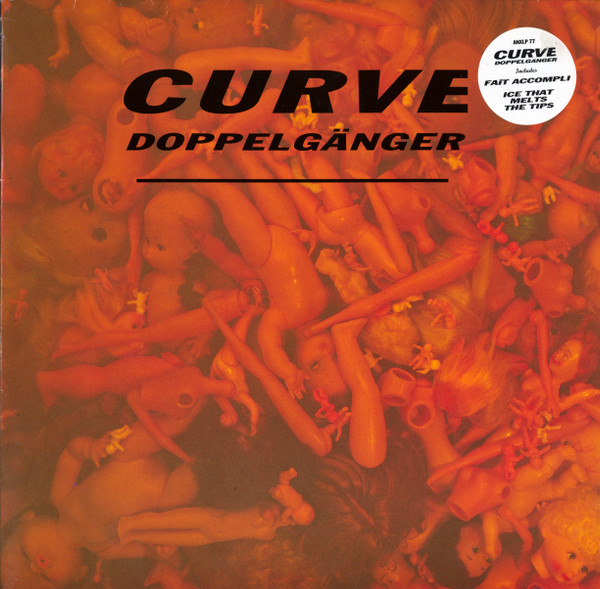
Doppelgänger
1992
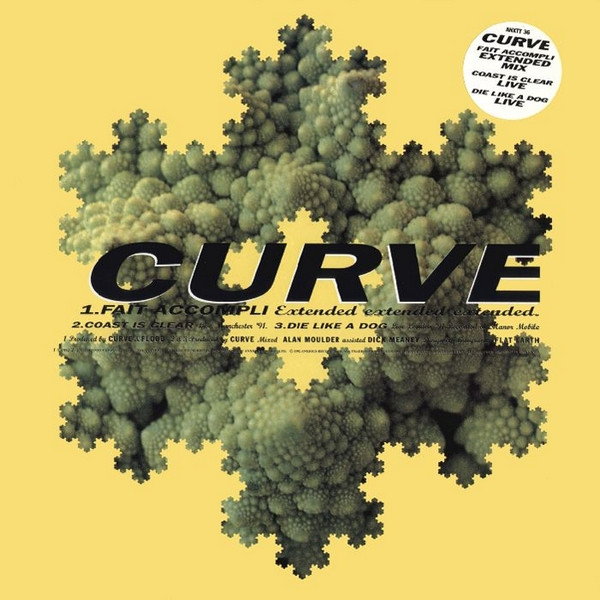
Faît Accompli
1992

Cuckoo
1993
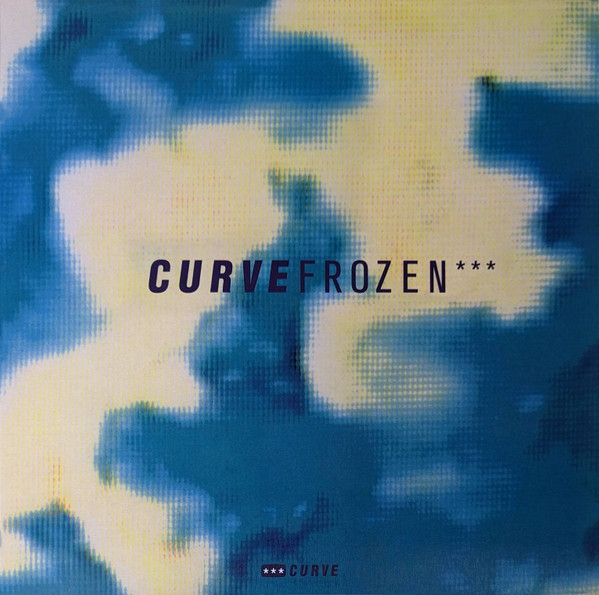
Frozen
1991

Coming Up Roses
1998

Chinese Burn
1997

Cherry
1991

Blindfold EP
1991

Blackerthreetracker
1993

Pubic Fruit
1992

Horror Head
1992

Come Clean
1998

Blackerthreetrackertwo
1993

Gift
2002

Pink Girl With The Blues
1996
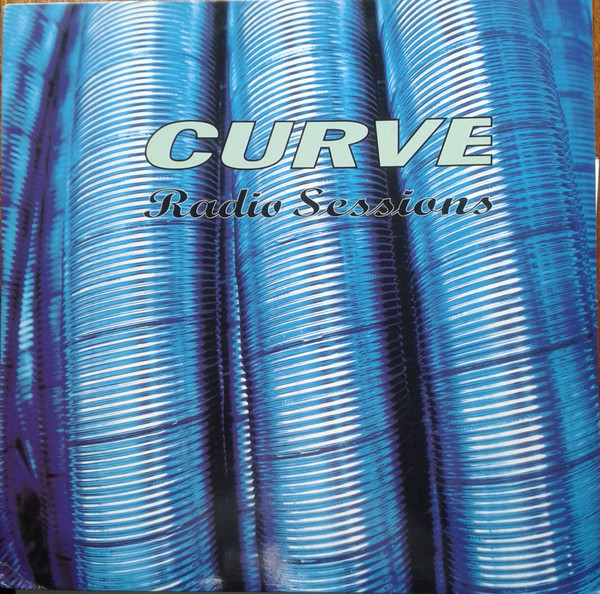
Radio Sessions
1993

Rare And Unreleased
2010
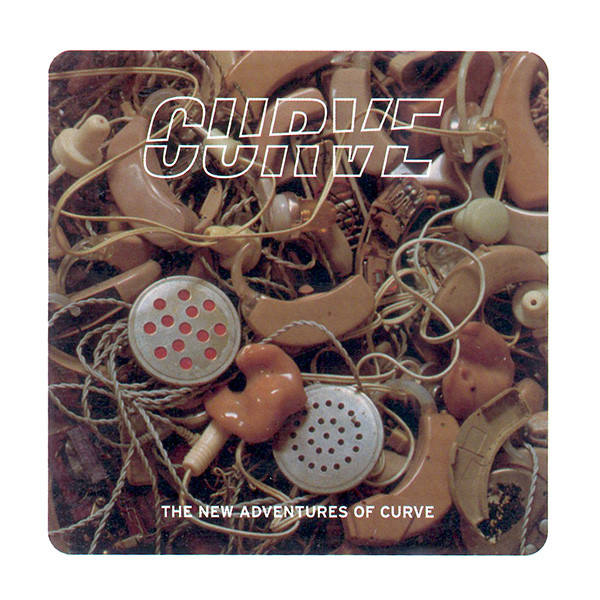
The New Adventures Of Curve
2002

Open Day At The Hate Fest
2001

Missing Link EP
1993

Superblaster
1993
Related artists
Frequent collaborators
Around the web
Follow every record they touch.
Start your shelf and Gatefold tracks Curve's new pressings, tour dates, and the whole discography — automatically.
Start your shelf →Free forever. Works with 10 records or 10,000.