
Performance · Other credits
Fritz Löhner-Beda
real name Bedřich Löwy
Fritz Löhner-Beda is credited on 2,630 releases across 798 albums tracked on Gatefold, active 1950–2026 — the collector-built map of who actually made the music.

2,630
Credits
798
Albums
8
Decades active
38
In collections
Biography
Showing the Discogs bio
Austrian librettist and songwriter, born June 24, 1883 in Wildenschwert, Bohemia, Austria-Hungary (now Ústí nad Orlicí in the Czech Republic), died December 4, 1942 in Auschwitz, Upper Silesia, Germany (now Oświęcim in Poland).
Born Bedřich Löwy in a small town in Bohemia, Löhner -Beda grew up in Vienna, where his family moved in 1888. In 1896, they officially changed their name to Löhner, and Bedřich became Friedrich.
Löhner-Beda studied law at the University of Vienna, graduating with a Doctor of Law (Dr. iur.) degree in 1905. For a while, he worked as a lawyer in a Viennese law office. By 1910, however, he had turned to free-lance writing full-time, publishing satires, sketches, poems, and songs. Many appeared under the pseudonym Beda, the short form of his Czech first name, Bedřich.
In 1910, Löhner-Beda also wrote the librettos for several popular operettas by Leo Ascher. In 1915, he and composer Artur Marcell Werau enjoyed success with a patriotic march couplet, "Rosa, wir fahr'n nach Lodz", that celebrates the contribution of the Austrian 30.5cm mortar, Rosa, to the Battle of Lodz. As "Theo, wir fahr'n nach Lodz" (with a revised text by Klaus Munro), the song became an international hit for Vicky Leandros in 1974.
In the 1920s and 1930s, Löhner-Beda became one of the most popular writers of German Schlager. His many hits include "Ausgerechnet Bananen!" (the German lyrics for "Yes! We Have No Bananas") (1923), "Ich hab’ mein Herz in Heidelberg verloren" (1925, operetta 1927), "Drunt’ in der Lobau" (1930), "Oh, Donna Clara" (1930), and "Du schwarzer Zigeuner" (1931).
As a librettist for operettas, Löhner-Beda became world-famous with "Das Land des Lächelns" (1929, music by Franz Lehár). Recorded by Richard Tauber, two of the songs, "Immer nur Lächeln" and "Dein ist mein ganzes Herz", became international hits. Other collaborations with Lehár resulted in "Der Sterngucker" (1916), "Friederike" (1928), "Schön ist die Welt" (1930), and "Giuditta" (1934).
For another series of hit operettas, Löhner-Beda collaborated with Alfred Grünwald and composer Paul Abraham: "Viktoria und ihr Husar" (1930), "Die Blume von Hawaii" (1931), "Ball im Savoy" (1932), and "Märchen im Grand-Hotel" (1934).
As a prominent Jew, Löhner-Beda was arrested one or two days after Austria's Anschluss with Germany in March 1938. He was imprisoned in a series of concentration camps, first at Dachau, then Buchenwald, where he and Hermann Leopoldi co-wrote the "Buchenwaldlied" (1938). In October 1942, he was transported to the Auschwitz death camp in German-occupied Poland where he was forced to work in the IG Farben's Buna-Werk. When IG Farben directors complained at an inspection that he wasn't working hard enough, a Kapo beat him to death on December 4, 1942.
Bio from Discogs
Credited work
2,630 releases · 798 albums · active 1950–2026
- Performance · 3,830
- Other credits · 43
Studios: Terme Di Caracalla · Van Gelder Studio, Englewood Cliffs, New Jersey · Private Studio Of Hans Georg Brunner-Schwer · Nußberghof
Discography
Records they worked on — most-collected first.
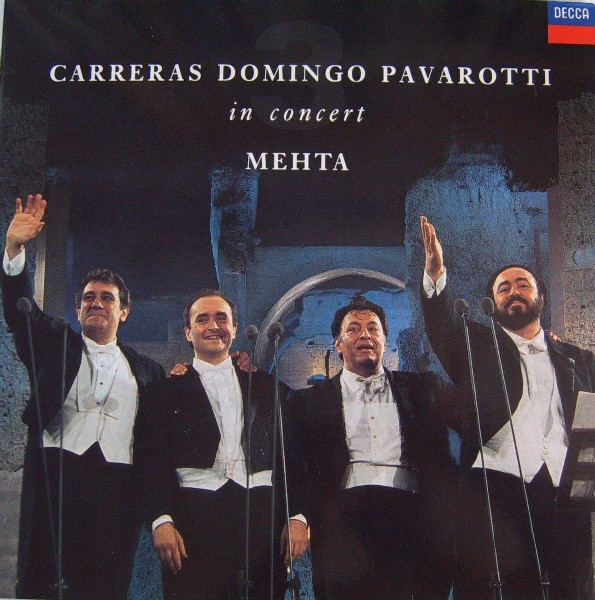
In Concert
1990

Affinity
1963

Hello Herbie
1970
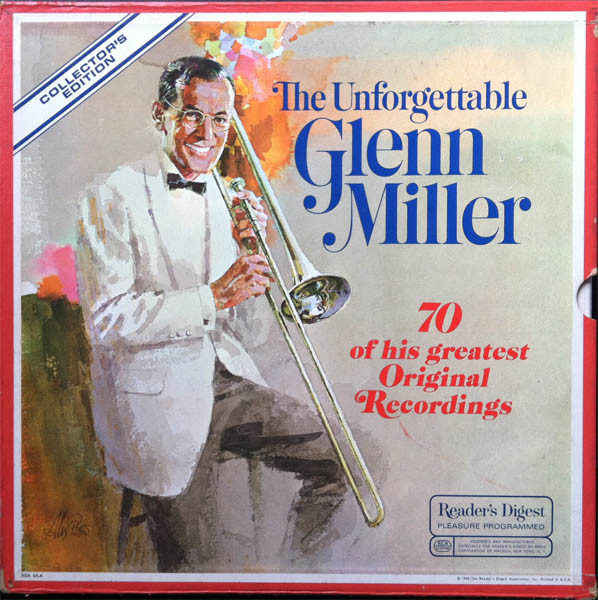
The Unforgettable Glenn Miller 70 Of His Greatest Original Recordings
1968
Mood Music For Listening And Relaxation
1963

German Beer Drinking Songs
1965

German Beer-Drinking Music
1957

The Classic Collection
2000

Daar Bij De Waterkant
1979

Böhmische Kirmes
1975
Be My Love
1968

Peter Alexander Serviert Spezialitäten Aus Böhmen, Ungarn, Österreich
1967

But Not Really
1965

Latin Rendezvous
1965
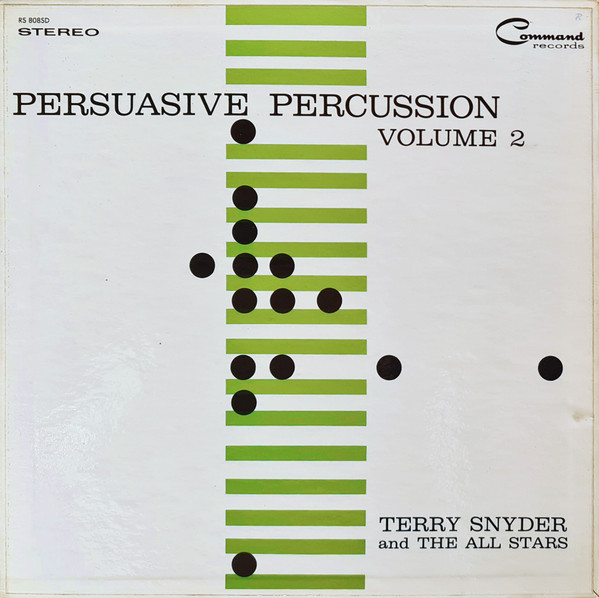
Persuasive Percussion Volume 2
1959

Vergiß Mein Nicht

Die Blume Von Hawaii / Viktoria Und Ihr Husar
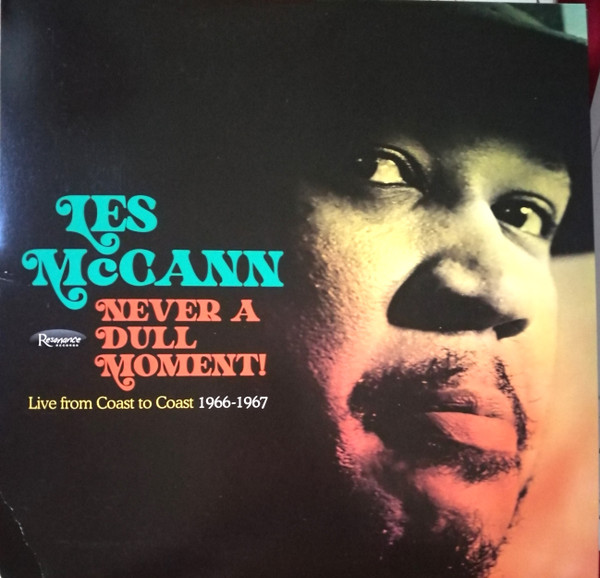
Never A Dull Moment! (Live From Coast To Coast 1966-1967)
2023
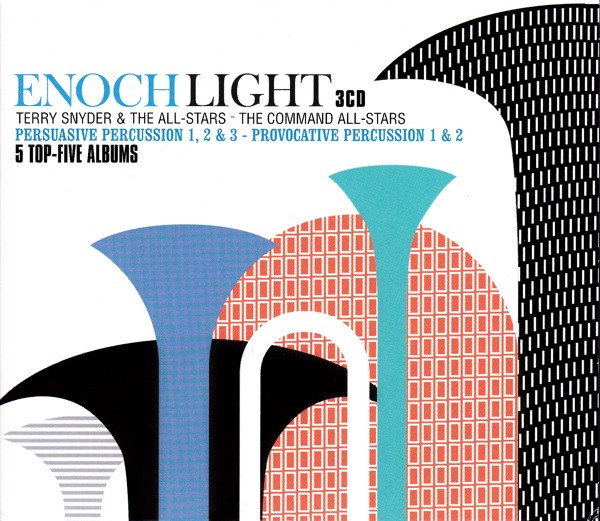
Persuasive Percussion 1, 2 & 3 - Provocative Percussion 1 & 2
2011

Heute Nacht Oder Nie - Live In New York
2008

After Fajr
2005

Die Große Schausteller-Orgel
1988

The Best Of My Gold Records
1983
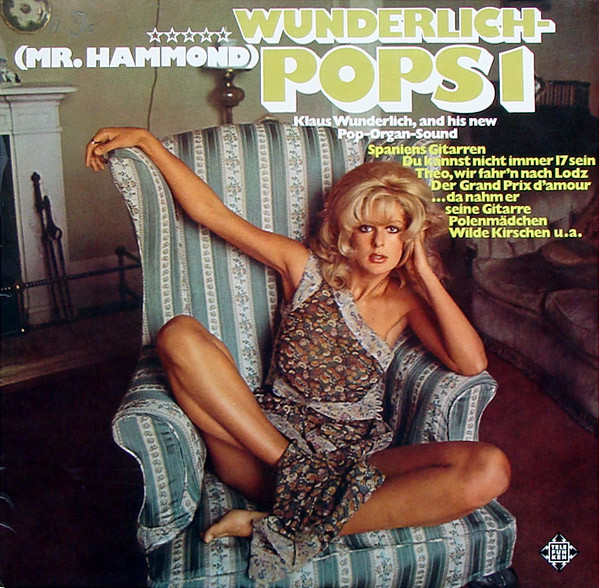
Wunderlich-Pops 1 (Mr. Hammond Klaus Wunderlich And His New Pop-Organ-Sound)
1974
Frequent collaborators
- Various
- Franz Lehár
- Rudolf Schock
- Peter Alexander
- Richard Tauber
- Vicky Leandros
- Karel Gott
- Fritz Wunderlich
Around the web
See who really made the music.
Gatefold maps every producer, engineer, and player across your shelf — the credits no one else surfaces.
Start your shelf →Free forever. Works with 10 records or 10,000.