
Performance · Other credits
Francis Poulenc
real name Francis Jean Marcel Poulenc
Francis Poulenc is credited on 3,964 releases across 693 albums tracked on Gatefold, active 1950–2026 — the collector-built map of who actually made the music.

3,964
Credits
693
Albums
8
Decades active
14
In collections
Biography
Showing the Discogs bio
Francis Poulenc (Paris, January 7, 1899 – Paris, January 30, 1963) was a French composer and a member of the French group "Les Six". He composed music in all major genres, including art song, chamber music, oratorio, opera, ballet music, and orchestral music. Critic Claude Rostand, in a July 1950 Paris-Presse article, described Poulenc as "half bad boy, half monk" ("le moine et le voyou"), a tag that was to be attached to his name for the rest of his career.
Bio from Discogs
Credited work
3,964 releases · 693 albums · active 1950–2026
- Performance · 5,107
- Other credits · 222
- Production · 4
Studios: Salle Wagram, Paris · Symphony Hall, Boston · Abbey Road Studios · Henry Wood Hall, London
Discography
Records they worked on — most-collected first.

Vertigo
1958
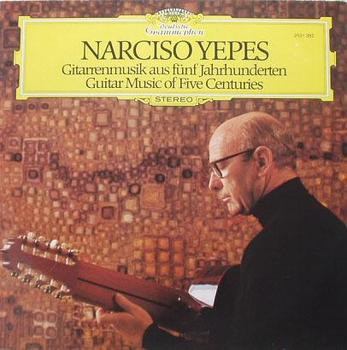
Gitarrenmusik Aus Fünf Jahrhunderten = Guitar Music Of Five Centuries
1982
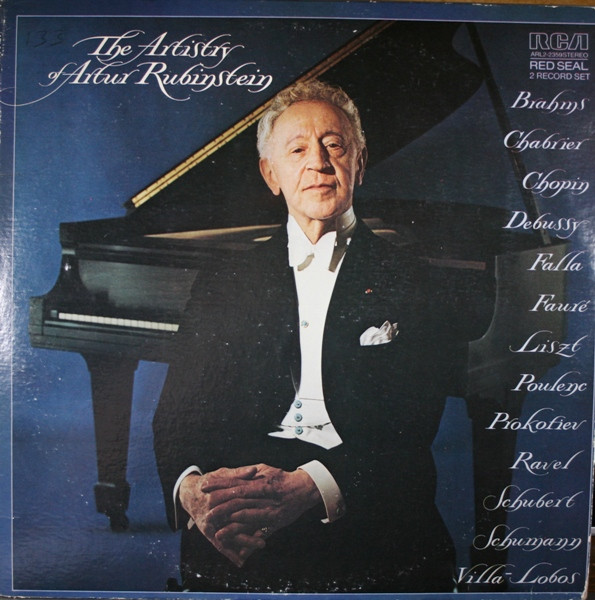
The Artistry Of Artur Rubinstein
1978

Dainuoja Mergaičių Choras „Liepaitės“
1975
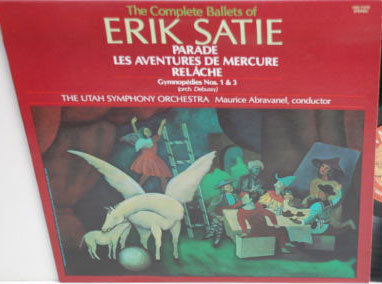
Homage To Eric Satie Volume 1
1970

John Boyden, baritone; John Newmark, piano.
1967

A French Program
1964

Les Biches / "Dolly" Suite
1954
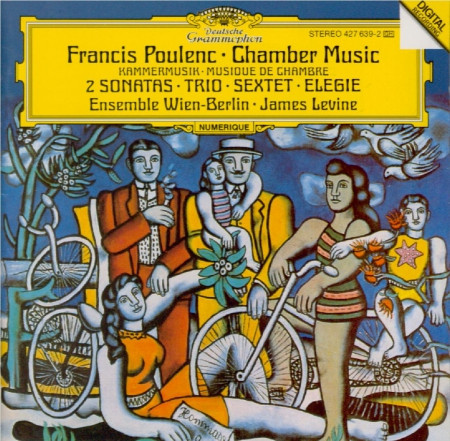
Chamber Music: 2 Sonatas · Trio · Sextet · Elegie

Concerto En Ré Mineur Pour Deux Pianos Et Orchestre / Concert Champêtre Pour Clavecin Et Orchestre
1962

Der Pianist Unseres Jahrhunderts

Gloria, Stabat Mater
Frequent collaborators
- Poulenc
- Various
- Saint-Saëns
- Erik Satie
- Jessye Norman
- Robert Shaw
- Jean-Pierre Rampal
- Satie
Around the web
See who really made the music.
Gatefold maps every producer, engineer, and player across your shelf — the credits no one else surfaces.
Start your shelf →Free forever. Works with 10 records or 10,000.