
Performance · Other credits
Earl Scruggs
real name Earl Eugene Scruggs
Boiling Springs, United States · 1924-01-06 – 2012-03-28
Earl Scruggs is credited on 1,514 releases across 452 albums tracked on Gatefold, active 1950–2024 — the collector-built map of who actually made the music.

1,514
Credits
452
Albums
8
Decades active
325
In collections
Biography
Showing the Discogs bio
Earl Scruggs (born January 6, 1924, Shelby, North Carolina, USA - died March 28, 2012, Nashville, Tennessee, USA) was an American banjo player and musician, noted for perfecting and popularizing a 3-finger style (now called Scruggs style) on the 5-string banjo that is a defining characteristic of bluegrass music. Along with Lester Flatt he founded The Foggy Mountain Boys. In 1986, received his Honorary Doctorate of Humanites from Gardner-Webb College, Boiling Springs, NC. and in 2005 Honorary Doctor Of Music, Berklee College Of Music, Boston MA. He first reached a mainstream audience in the early 1960's through his performance on "The Ballad of Jed Clampett", the theme for the TV series The Beverly Hillbillies.
Married.
His sons, Randy Scruggs and Gary Scruggs, were musicians that played with him on some projects.
His granddaughter,, and grandson,, are also musicians.
Bio from Discogs
Credited work
1,514 releases · 452 albums · active 1950–2024
- Performance · 2,827
- Other credits · 68
- Production · 1
Studios: Columbia Recording Studios, Nashville · Quadrafonic Sound Studios · RCA Victor Studios, Nashville · Caribou Ranch
Discography
Records they worked on — most-collected first.
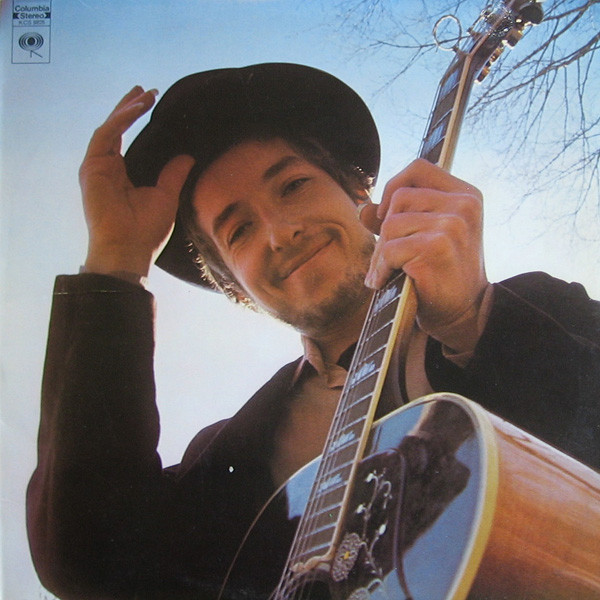
Nashville Skyline
1969
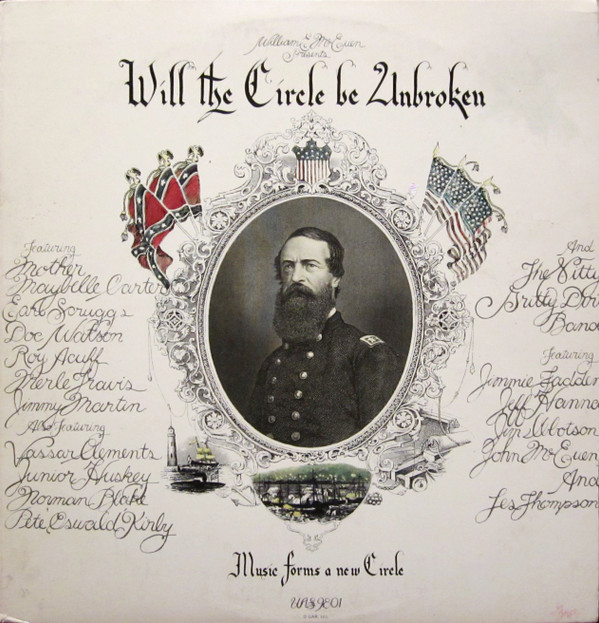
Will The Circle Be Unbroken
1972
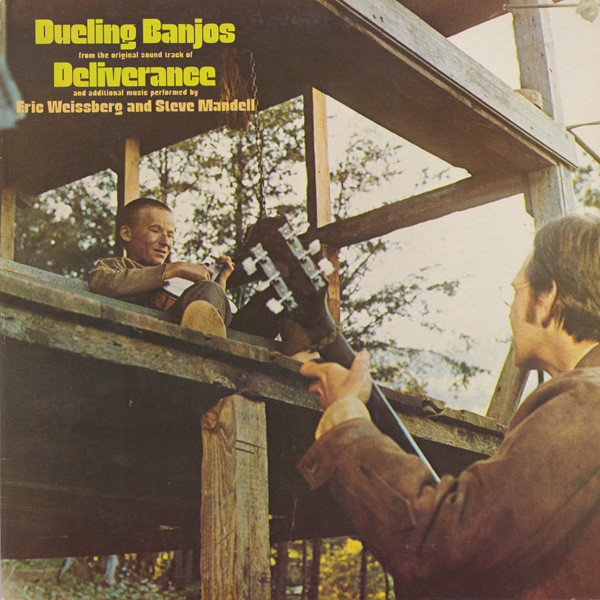
Dueling Banjos From The Original Motion Picture Soundtrack Deliverance And Additional Music
1973

Elvis Country (I'm 10,000 Years Old)
1971
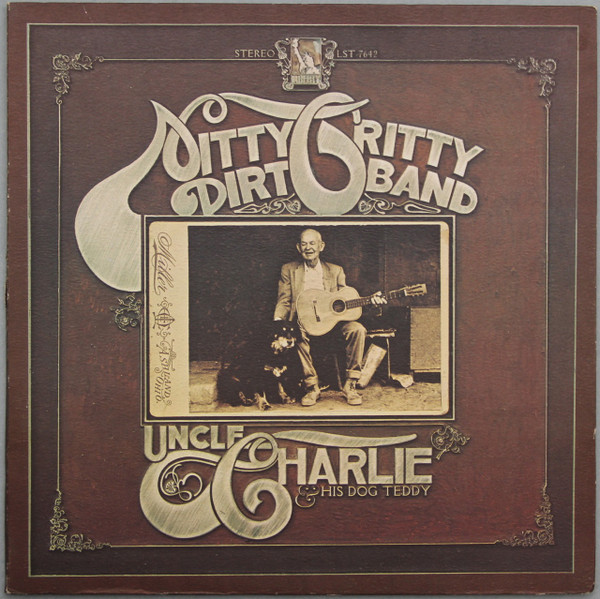
Uncle Charlie & His Dog Teddy
1970

Travelin' Thru (The Bootleg Series Vol. 15 1967–1969)
2019
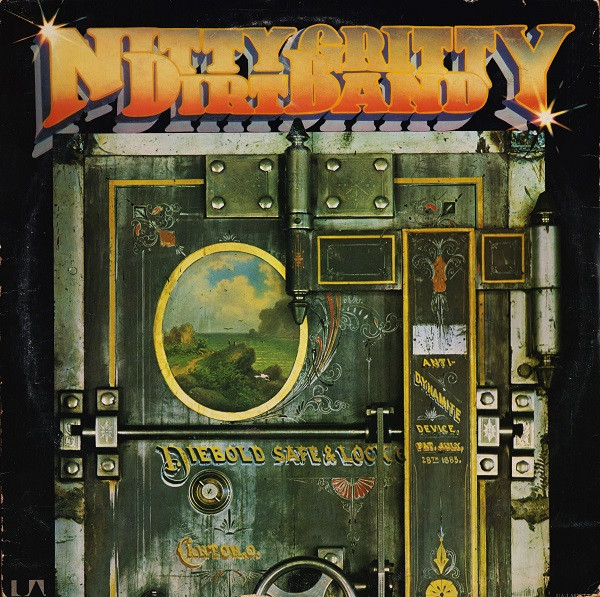
Dirt, Silver & Gold
1976

The New South
1975
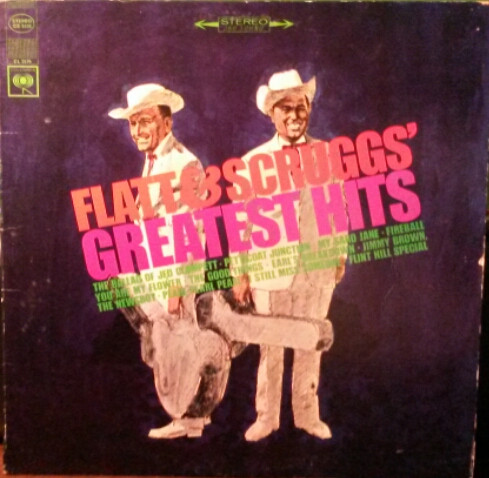
Greatest Hits

Will The Circle Be Unbroken (Volume Two)
1989

Waitin' For The Sun To Shine
1981

Ragged Old Flag
1974
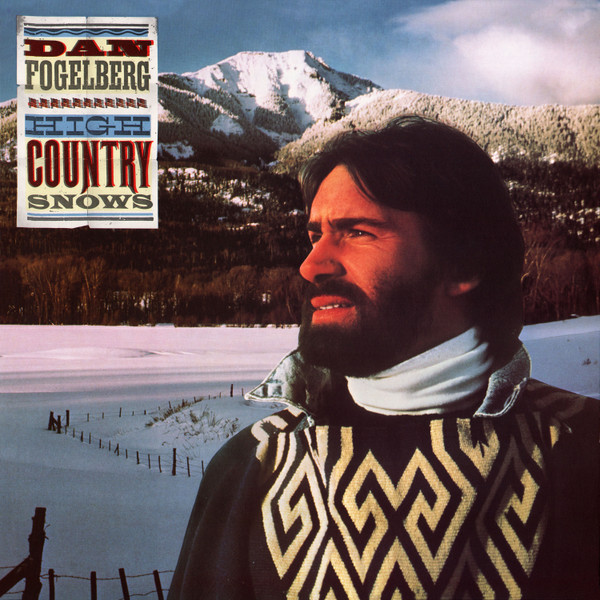
High Country Snows
1985
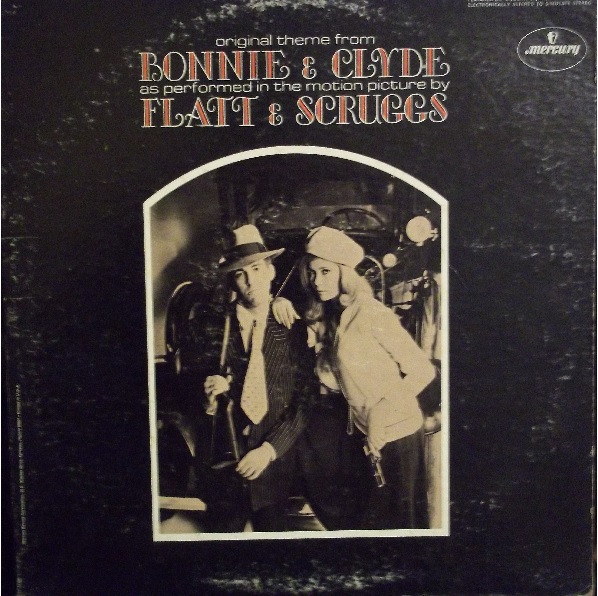
Original Theme From Bonnie & Clyde
1967

At Carnegie Hall!
1963
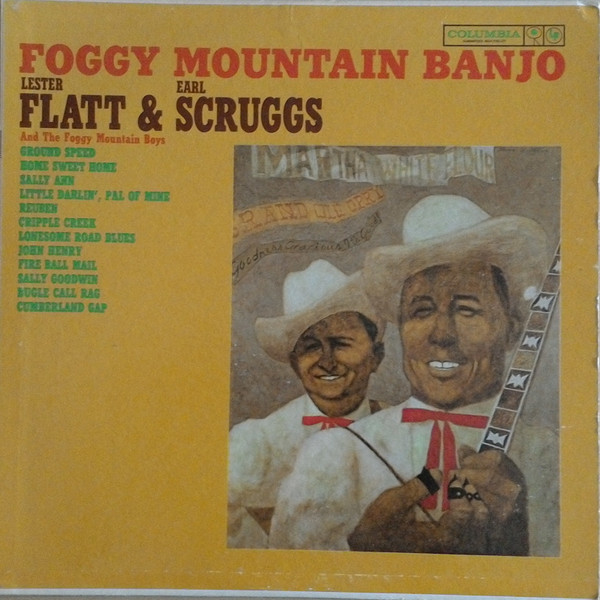
Foggy Mountain Banjo
1961
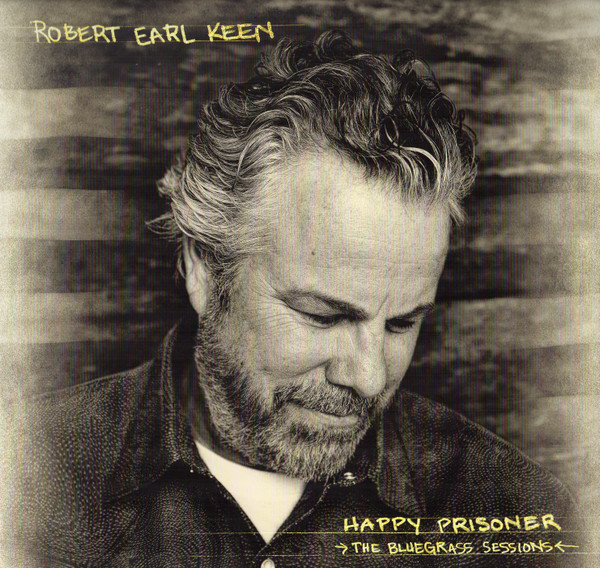
Happy Prisoner (The Bluegrass Sessions)
2015

The Way I Should
1996

Strike Anywhere
1977

Sings Bluegrass, Body And Soul
1977
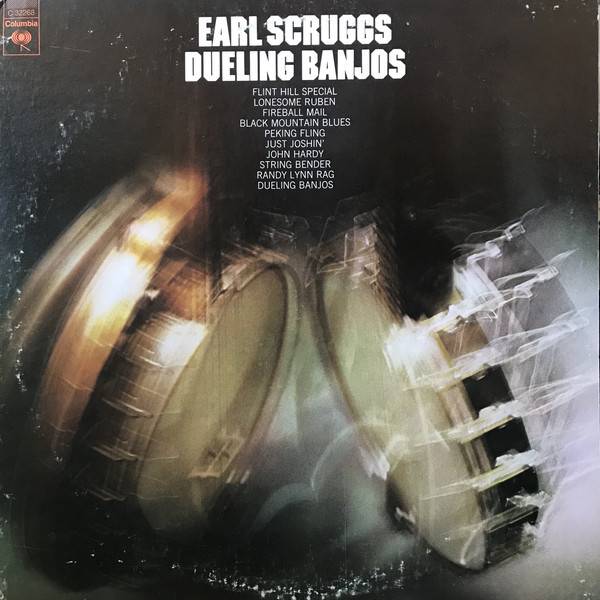
Dueling Banjos
1973
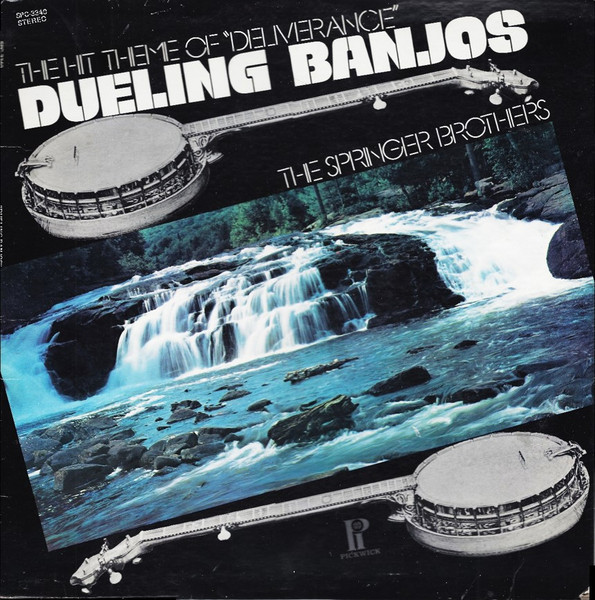
Dueling Banjos
1973

Country's Greatest
1972

Flatt & Scruggs - 20 All-Time Great Recordings In A Deluxe 2-Record Set
1970
Frequent collaborators
- Various
- Flatt & Scruggs
- Lester Flatt & Earl Scruggs
- Lester Flatt And Earl Scruggs
- Lester Flatt, Earl Scruggs & The Foggy Mountain Boys
- The Earl Scruggs Revue
- Lester Flatt
- Vesa-Matti Loiri
Around the web
See who really made the music.
Gatefold maps every producer, engineer, and player across your shelf — the credits no one else surfaces.
Start your shelf →Free forever. Works with 10 records or 10,000.