Performance
Divinity
Divinity is credited on 24 releases across 6 albums tracked on Gatefold, active 2000–2012 — the collector-built map of who actually made the music.

24
Pressings credited
6
Albums
2
Decades active
—
In collections
Biography
Divinity (from Latin divinitas) refers to the quality, presence, or nature of that which is divine—a term that, before the rise of monotheism, evoked a broad and dynamic field of sacred power. In the ancient world, divinity was not limited to a single deity or abstract ideal but was recognized in multiple forms: as a radiant attribute possessed by gods, as a vital force cushioning nature, and even as a quality glimpsed in extraordinary humans, laws, or acts. The Latin divinitas and its Greek counterparts (theiotēs, theion) conveyed something both immanent and awe-inspiring: a presence that could be felt in thunder, justice, ecstasy, fate, or beauty. Among the Greeks and Romans, divinity was not confined to a rigid theological system. Gods, heroes, and even emperors might be described as partaking in divinity, just as natural forces or virtue could be seen as expressions of divine essence. Philosophers such as Plato and the Stoics used the term to refer to the soul of the cosmos or the rational order of the universe, while ritual and myth depicted the divine in vivid ways. To call something divine was not always to worship it as a god, but to acknowledge its participation in a higher, sacred order. Early Christianity inherited this language but dramatically reshaped it. With the rise of theological monotheism, divinity came increasingly to denote the singular and absolute nature of God. The Christianization of the term narrowed its field: what had once described a quality diffused across nature, fate, and multiple gods was now claimed exclusively for the creator God and, later, extended to Christ and the Holy Spirit through doctrines of the Trinity. Over time, this led to a sharper boundary between the divine and the human, the sacred and the profane. In contemporary usage, divinity most commonly refers either to a deity (especially in monotheistic traditions) or to a transcendent power associated with sacredness, inspiration, or spiritual authority. The term may des
Bio from Wikipedia
Credited work
24 releases · 6 albums · active 2000–2012
- Performance · 26
Studios: Record Plant, Los Angeles · ZAC Recording Studio · Ethernet Studios · El Cubano Studios
Discography
Records they worked on — most-collected first.


Frequent collaborators
- Will.I.Am
- Urban Cookie Collective
- Rich Boy
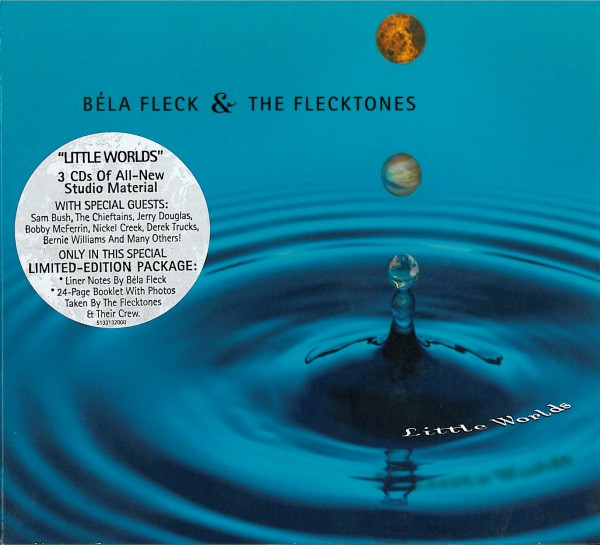
- Béla Fleck & The Flecktones
Around the web
See who really made the music.
Gatefold maps every producer, engineer, and player across your shelf — the credits no one else surfaces.
Start your shelf →Free forever. Works with 10 records or 10,000.