
Performance
Aram Khachaturian
Georgia
Aram Khachaturian is credited on 17 releases across 171 albums tracked on Gatefold, active 1956–2018 — the collector-built map of who actually made the music.

17
Pressings credited
171
Albums
7
Decades active
107
In collections
Biography
Aram Ilyich Khachaturian (; 6 June [O.S. 24 May] 1903 – 1 May 1978) was a Soviet Armenian composer and conductor. He is considered one of the leading Soviet composers. Born and raised in Tbilisi (now the capital of Georgia), he moved to Moscow in 1921 following the Sovietization of the Caucasus. Without prior music training, he enrolled in the Gnessin Musical Institute, and subsequently studied at the Moscow Conservatory in the class of Nikolai Myaskovsky, among others. His first major work, the Piano Concerto (1936), popularized his name within and outside the Soviet Union. It was followed by the Violin Concerto (1940) and the Cello Concerto (1946). His other significant compositions include the Masquerade Suite (1941), the Anthem of the Armenian SSR (1944), three symphonies (1935, 1943, 1947), and around 25 film scores. Khachaturian is best known for his ballet music: Gayane (1942) and Spartacus (1954). His most popular piece, the "Sabre Dance" from Gayane, has been used extensively in popular culture and has been performed by a number of musicians worldwide. His style is "characterized by colorful harmonies, captivating rhythms, virtuosity, improvisations, and sensuous melodies". During most of his career, Khachaturian was approved by the Soviet government and held several high posts in the Union of Soviet Composers from the late 1930s, although he joined the Communist Party only in 1943. Along with Sergei Prokofiev and Dmitri Shostakovich, he was officially denounced as a "formalist" and his music dubbed "anti-people" in 1948 but was restored later that year. After 1950 he taught at the Gnessin Institute and the Moscow Conservatory and turned to conducting. He traveled to Europe, Latin America, and the United States with concerts of his own works. In 1957 Khachaturian became the Secretary of the Union of Soviet Composers, a position he held until his death. Khachaturian composed the first Armenian ballet music, symphony, concerto, and film score. He is considere
Bio from Wikipedia
Credited work
17 releases · 171 albums · active 1956–2018
- Performance · 20
Studios: Saint Birinus Church, Redlynch · Tower Ballroom · Jerwood Hall, London · Asaka-Shiminkaikan
Discography
Records they worked on — most-collected first.
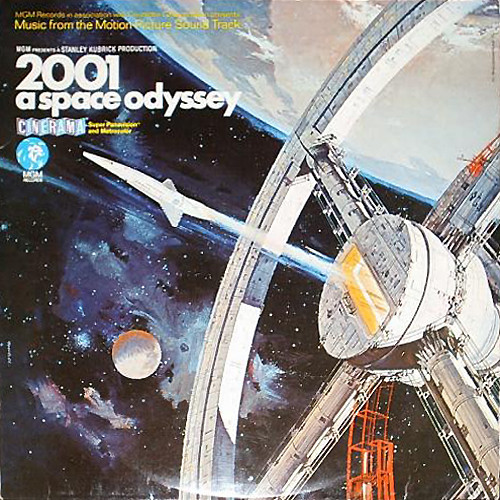
2001: A Space Odyssey (Music From The Motion Picture Sound Track)
1968
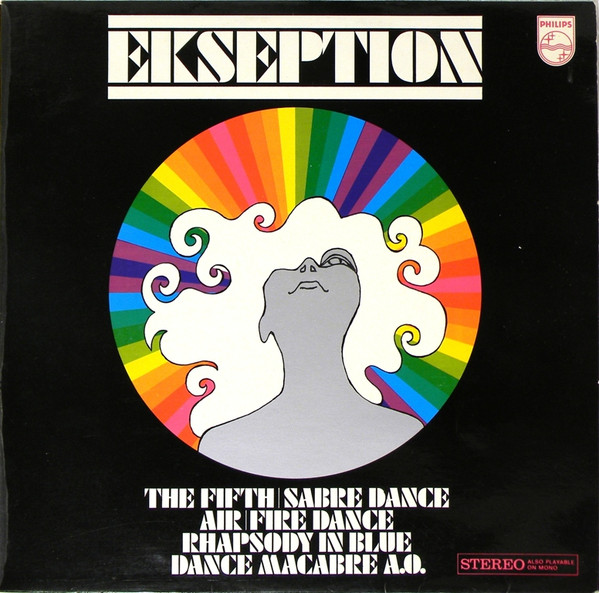
Ekseption
1969
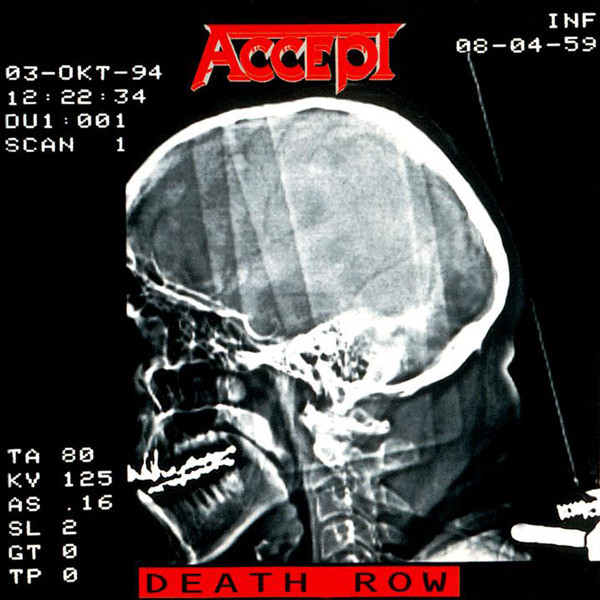
Death Row
1994
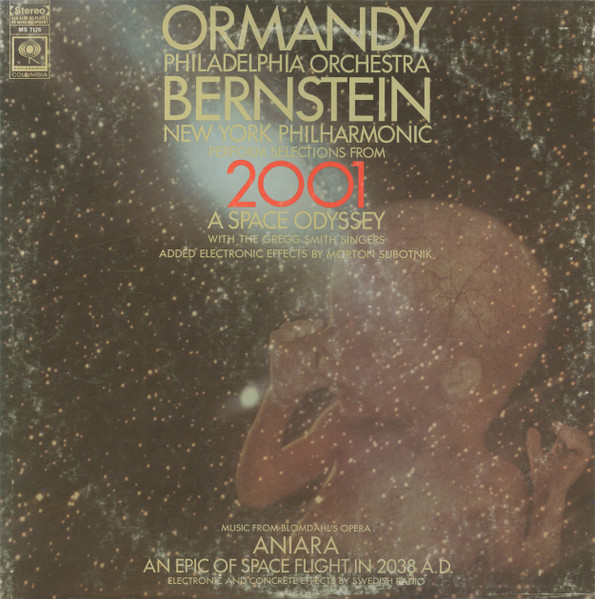
Selections From "2001: A Space Odyssey" / Suite From "Aniara"
1968

New Fantasy
1964

Space-Capades (Atomic-age Audities And Hi-fi Hi-jinks!)
1996

Sky 4 Forthcoming
1982

Kostelanetz In Wonderland - Golden Encores
1963

Dance Macabre
1981

Sabre Dance
1968
Frequent collaborators
- Reginald Dixon
- Khachaturian
- Louis Clark
Around the web
See who really made the music.
Gatefold maps every producer, engineer, and player across your shelf — the credits no one else surfaces.
Start your shelf →Free forever. Works with 10 records or 10,000.