
Performance · Other credits
Alois Melichar
Alois Melichar is credited on 683 releases across 152 albums tracked on Gatefold, active 1955–2023 — the collector-built map of who actually made the music.
683
Credits
152
Albums
8
Decades active
5
In collections
Biography
Showing the Discogs bio
Austrian conductor and composer. He was born 18 April 1896 in Vienna, Austrian-Hungary (now Austria) and died 9 April 1976 in Munich, Germany.
Bio from Discogs
Credited work
683 releases · 152 albums · active 1955–2023
- Performance · 758
- Other credits · 117
Studios: All Saints Church Petersham · Kingsway Hall · Sofiensaal · Delphine Studio, Paris
Discography
Records they worked on — most-collected first.


Frequent collaborators
- Various
- Karel Gott
- Beniamino Gigli
- Rudolf Schock
- Fritz Wunderlich
- Peter Alexander
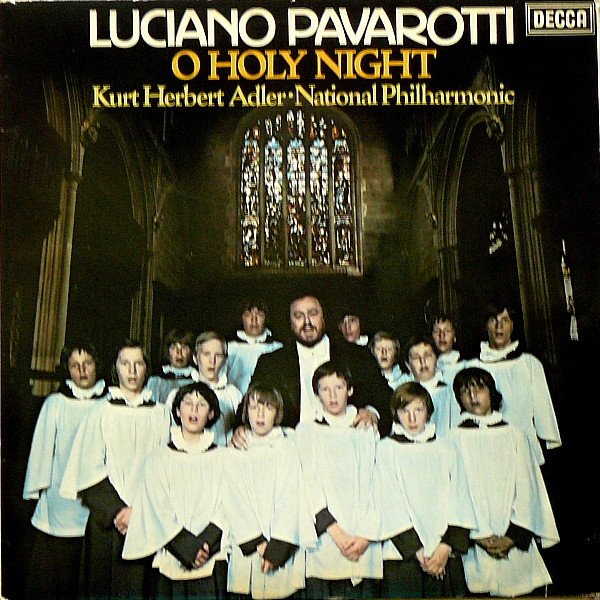
- Luciano Pavarotti
- René Kollo
Around the web
See who really made the music.
Gatefold maps every producer, engineer, and player across your shelf — the credits no one else surfaces.
Start your shelf →Free forever. Works with 10 records or 10,000.