
Artist
XTC
Swindon, United Kingdom · 1976 – 2006
XTC is a music group from Swindon, United Kingdom, active 1976–2006. Their discography on Gatefold includes 24 records.

51
Albums tracked
422
In collections
1976
Since
Biography
Andy Partridge melted down on stage in Paris in 1982, walked off, and never toured again. Virgin Records thought their investment was dead in the water. Instead, retiring to Swindon turned XTC from a jagged new wave act into the tightest studio-bound pop laboratory since Abbey Road in '67. Colin Moulding brought the melodic ballast, Dave Gregory supplied every meticulous chord inversion known to man, and Partridge threw down eccentric, barbed brilliance. They spent the next two decades running up massive studio tabs to build ornate pop records that sold modest numbers while outclassing almost everything else on the shelves. They weren't easy to work with, and they sure as hell didn't get along with their producers. Todd Rundgren had to practically drag Skylarking out of Partridge through sheer hostility in upstate New York. It nearly broke the band, but it produced their high-water mark. When Virgin finally dropped them in the nineties after years of bad accounting and miserable royalty rates, they didn't quit. They built their own label, hired an orchestra, and proved their songwriting engine was still bulletproof.
Bio from The Clerk
The Arc of XTC
The pivots — what forced XTC to reinvent.
The Post-Punk Angular Rush
Barry Andrews' manic organ and Terry Chambers' thunderous backbeat defined the initial burst on White Music and Go 2. When Andrews bailed, they brought in Dave Gregory on guitar and locked into Steve Lillywhite's gated drum sound for Drums and Wires and Black Sea. It was jagged, stuttering, and aggressively rhythmic pop built for sweaty club stages. Tracks like 'Making Plans for Nigel' and 'Generals and Majors' cracked the charts by disguising complex time signatures as radio hooks.
The Studio Sanctuary
Partridge's crippling stage fright during the 1982 tour for English Settlement killed XTC as a live act for good. Terry Chambers hated being chained to a studio and left, forcing the band to work with drum machines and session ringers on Mummer and The Big Express. Liberated from having to reproduce anything on stage, their arrangements exploded into lush pastoral folk and layered acoustic tapestries. It was the hardest pivot of their career, trading post-punk sweat for English bucolic obsession.
The Todd Rundgren Standoff & Paisley Renaissance
Virgin forced them to work with Todd Rundgren at Utopia Sound in Woodstock to get an American radio record. Partridge and Rundgren hated each other's guts from day one, fighting over every take and vocal line. That tension forced Skylarking into existence, a seamless summer-to-winter cycle that broke wide open when American college radio flipped the 'Grass' single and spun 'Dear God'. They doubled down on the sixties psych nostalgia with their Dukes of Stratosphear side project and the sprawling double LP Oranges & Lemons.
Orchestral Autonomy
After a grueling multi-year strike to get out of their predatory contract with Virgin, XTC emerged completely independent on their own Idea Records. Dave Gregory quit during the sessions over arrangement disputes, leaving Partridge and Moulding as a duo to finish the orchestral masterclass Apple Venus Volume 1 and its guitar-driven twin Wasp Star. They spent their own cash on live string sections and Haydn-esque arrangements at Abbey Road. It was a massive, stubborn flex that capped their discography on their own terms.
Influences
- The Beatles — Partridge and Moulding grew up obsessing over Revolver and Sgt. Pepper, and that studio-as-instrument ethos drives their entire post-1982 catalog. You hear it explicitly in Dave Gregory's George Harrison-style guitar voicings and the dense, multi-part vocal harmonies across Skylarking. It went from subtle structural DNA to an outright homage on their Dukes of Stratosphear records.
- Captain Beefheart — Partridge frequently cited Trout Mask Replica and Clear Spot as the blueprints for his jagged, angular guitar phrasing and asymmetric rhythms. You hear those disjointed, syncopated chord stabs directly on early tracks like 'Radios in Motion' and 'Cross Wires'. It gave their brand of new wave a jagged edge that separated them from slicker synth acts.
- The Kinks — Ray Davies' sharp satirical writing and obsession with English village life directly shaped Colin Moulding's and Andy Partridge's lyrical worldview. That pastoral, observational wit drives songs like 'Respectable Street' and 'Love on a Farmboy's Wages'. They carried the torch for unvarnished, specific English character studies better than anyone else in the eighties.
- The Beach Boys — Brian Wilson's modular arrangements and bass-driven melodies were a massive touchstone, especially for Colin Moulding. The intricate vocal layering on 'Chalkhills and Children' and 'Pale and Precious' is pure Pet Sounds adoration. Moulding openly built his melodic bass playing around Wilson's counterpoint style.
- Small Faces — The mod energy, punchy pub-rock drive, and psychedelic pop of Ogden's Nut Gone Flake were staples in XTC's record bags before they formed. Steve Marriott's raspy dynamic and Ian McLagan's organ work directly informed Barry Andrews' aggressive attack on White Music. It gave their early songs a bruising rhythm section underneath the artsy pretensions.
Discography
Their records — most-collected first.
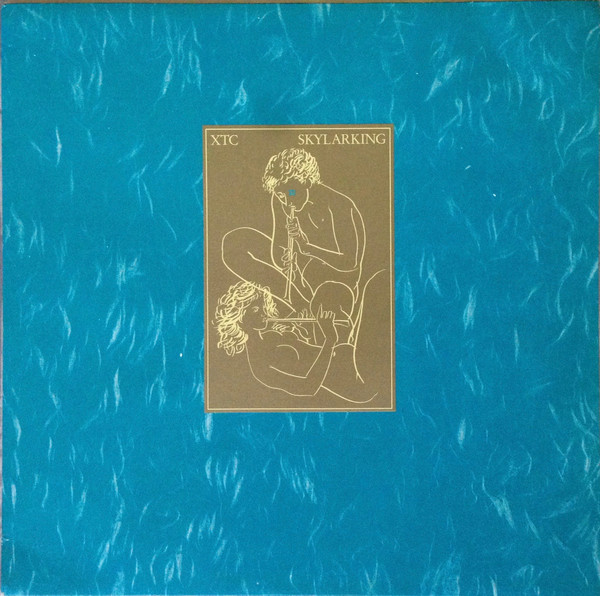
Skylarking
1986

Drums And Wires
1979
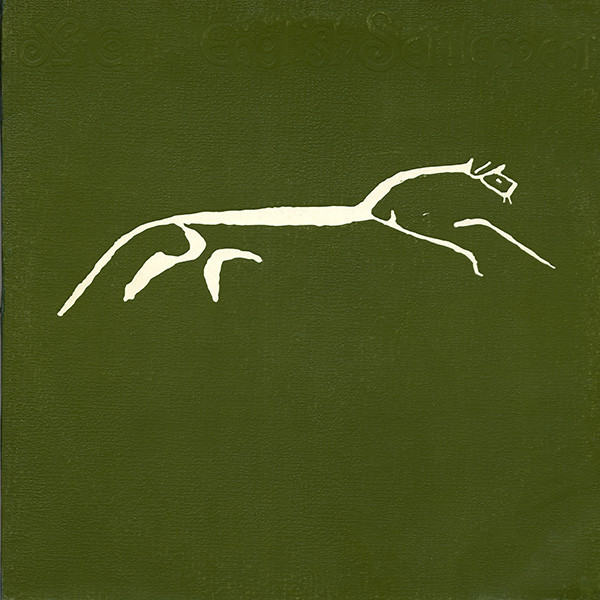
English Settlement
1982

Oranges & Lemons
1989
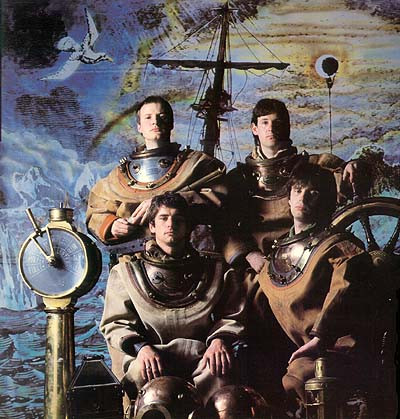
Black Sea
1980
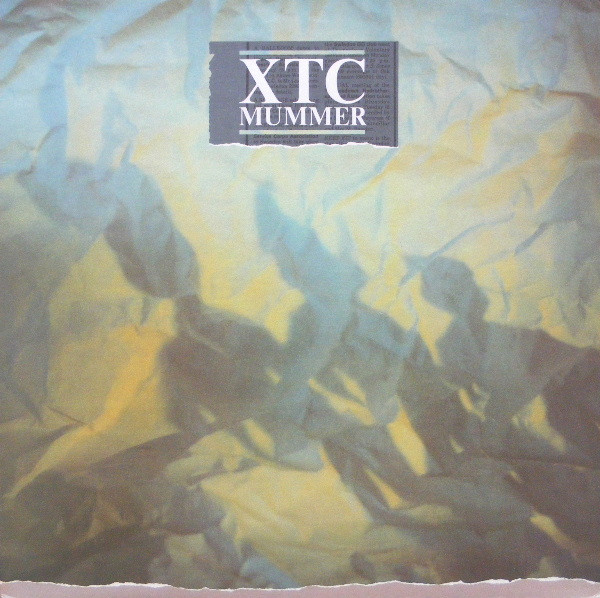
Mummer
1983

The Big Express
1984
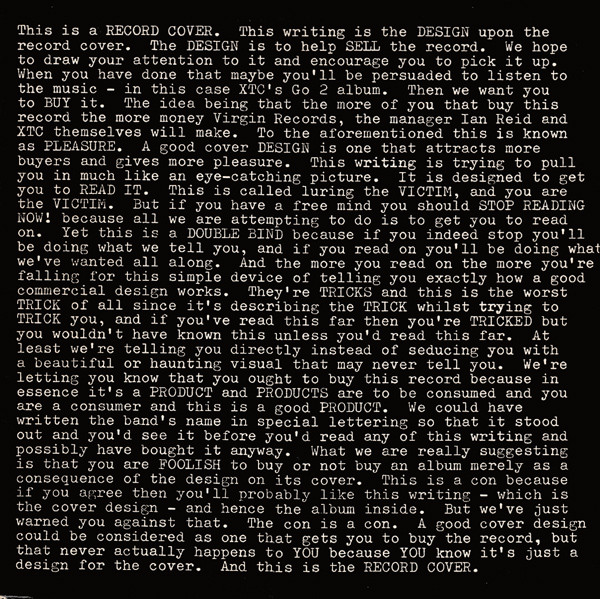
Go 2
1978
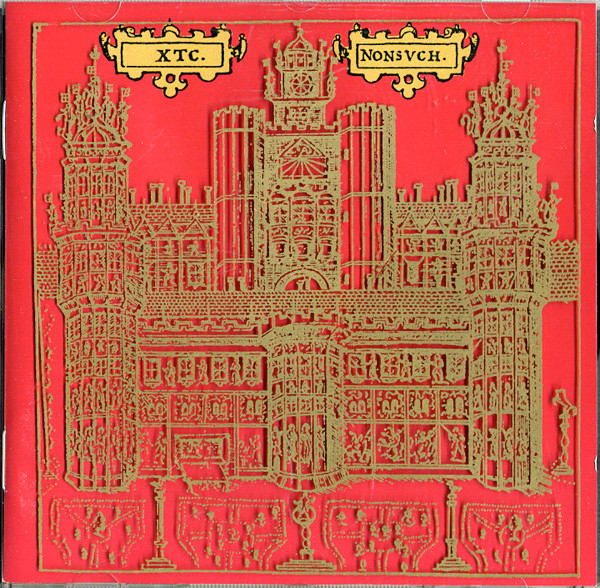
Nonsuch
1992
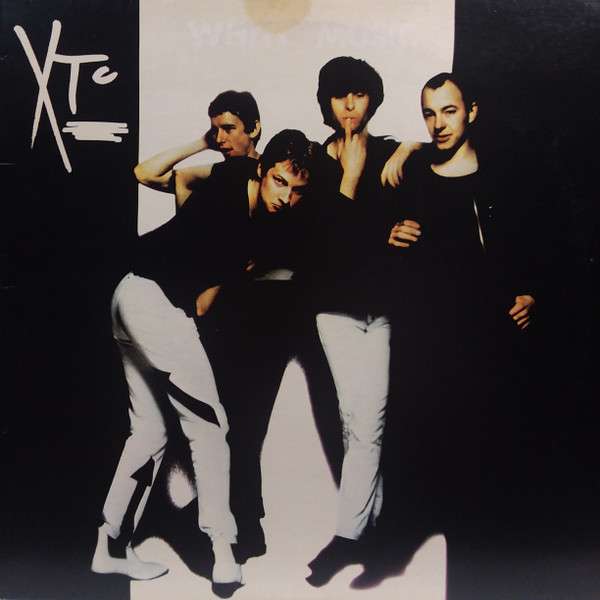
White Music
1978

Apple Venus Volume 1
1999

Dear God
1987
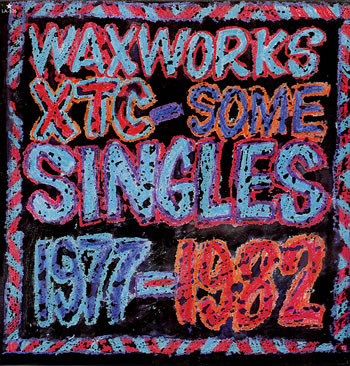
Waxworks: Some Singles 1977-1982
1982

Wasp Star (Apple Venus Volume 2)
2000
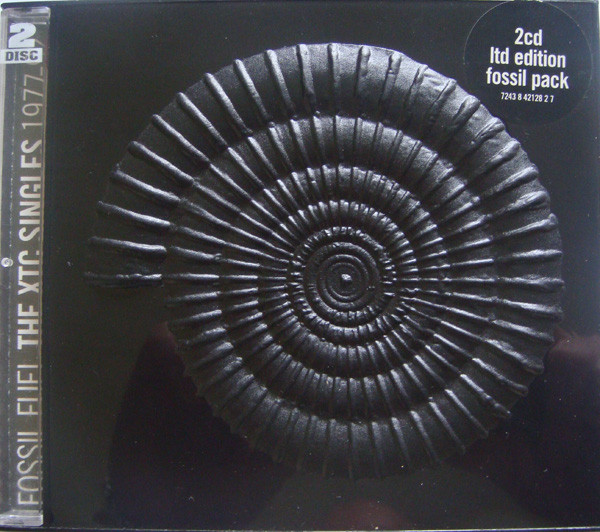
Fossil Fuel - The XTC Singles 1977-92
1996

3D • EP
1977

The Compact XTC - The Singles 1978-85
1985
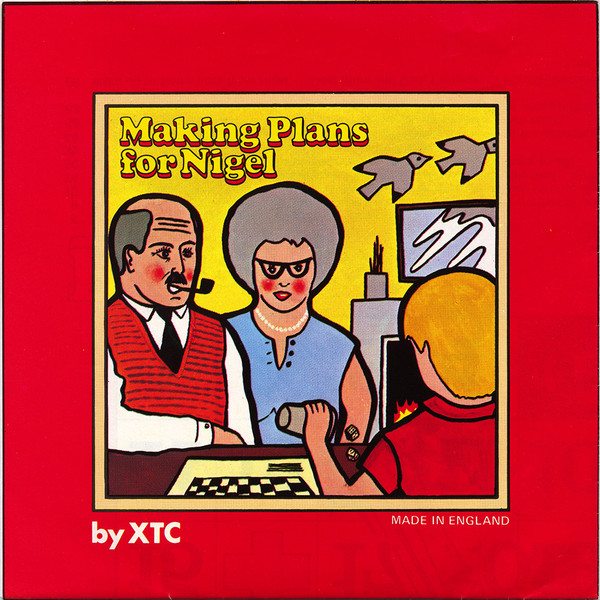
Making Plans For Nigel
1979

Senses Working Overtime
1982

Rag & Bone Buffet
1990

Mayor Of Simpleton
1989
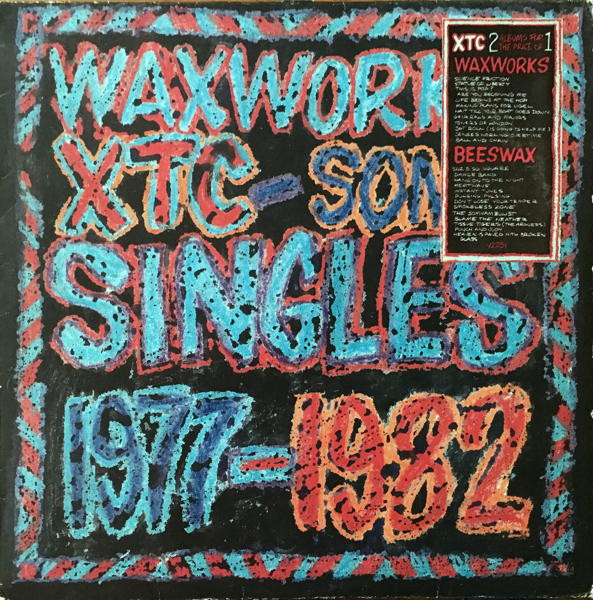
Waxworks - Some Singles 1977-1982 / Beeswax - Some B-Sides 1977-1982
1983

Live Boots (Emerald City, Cherry Hill, New Jersey 17th April 1981)
2026
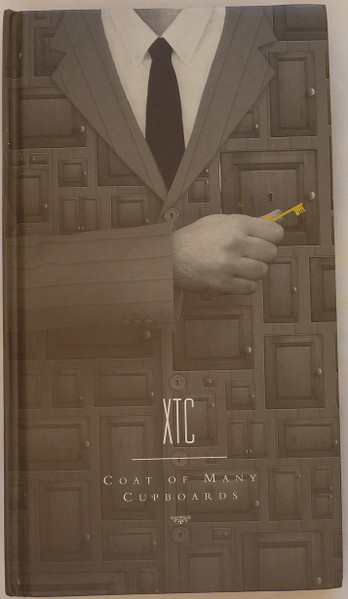
Coat Of Many Cupboards
2002
Related artists
Around the web
Follow every record they touch.
Start your shelf and Gatefold tracks XTC's new pressings, tour dates, and the whole discography — automatically.
Start your shelf →Free forever. Works with 10 records or 10,000.