
Artist
Willie Nelson
Abbott, United States · b. 1933
Willie Nelson is a musician from Abbott, United States, active since 1933. Their discography on Gatefold includes 24 records. They also recorded with Waylon Jennings & Willie Nelson and The Highwaymen.

144
Albums tracked
966
In collections
1933
Since
Biography
Willie sold the rights to 'Family Bible' for fifty bucks just to buy groceries and gas to get to Houston. That’s the baseline for this guy—a songwriter so advanced he was literally too weird for Nashville to handle in the early sixties. He was writing 'Crazy' and 'Hello Walls' while the industry was trying to polish him into a generic crooner with suits and short hair. It didn't take. The Nashville brass hated his phrasing because he sang like a jazz player, landing just behind the beat, which made the session musicians lose their minds and the producers think he was just drunk or incompetent. He eventually got fed up with the RCA assembly line and 'The Nashville Sound' bullshit, retired to Austin, and watched his ranch burn down. He grabbed his guitar, Trigger, and his weed, and decided he was done playing the game. That’s when the real Willie started. He stopped trying to fit into the grand ole opry mold and started playing for the hippies and the cowboys at the Armadillo World Headquarters. He’s released about four hundred records since then, and yeah, a lot of them are just him screwing around with his buddies, but when he’s locked in, nobody touches that nylon-string tone.
Bio from The Clerk
The Arc of Willie Nelson
The pivots — what forced Willie Nelson to reinvent.
The Nashville Stagnation
Chet Atkins was trying to bury Willie’s vocals under layers of strings and backup singers at RCA, trying to turn a Texas honky-tonker into a polished pop act. You hear him fighting the arrangements on records like 'Yesterday's Wine,' where the songwriting is light years ahead of the schmaltzy production. He was miserable and broke, stuck in a system that viewed his off-kilter timing as a mistake rather than a feature. It took a move back to Texas and a literal house fire for him to realize he had nothing left to lose by breaking his contract.
The Outlaw Pivot
Willie grew his hair out, signed with Atlantic, and recorded 'Shotgun Willie' in New York City with Arif Mardin and Doug Sahm. This was the moment the wall came down, blending country storytelling with a gritty, R&B-influenced rhythm section that Nashville wouldn't touch. He brought his touring band into the studio instead of using the 'A-Team' session guys, resulting in a loose, dangerous energy that defined the Outlaw movement. Suddenly, the jazz phrasing made sense because the band was actually following him instead of a conductor.
The Minimalist Gamble
Columbia executives thought Willie was sabotaging his career when he handed them 'Red Headed Stranger' in 1975. It was recorded at Autumn Sound in Texas for next to no money, featuring sparse arrangements that felt like demos to the suit-and-tie crowd. They thought it sounded cheap, but the bare-bones production allowed Trigger’s percussive wood-and-wire sound to carry the narrative. It became a massive hit because it felt human in an era of over-produced country-politan garbage.
Influences
- Django Reinhardt — Willie has cited the Gypsy jazz guitarist as his primary technical influence for decades. You hear it in every acoustic solo on Trigger, where Willie mimics Django’s chromatic runs and percussive attack. It’s why he sounds more like a Parisian jazz club than a Nashville barn.
- Frank Sinatra — Willie studied Sinatra’s 'In the Wee Small Hours' to learn how to sing behind the beat and manipulate breath control. This vocal phrasing is the backbone of 'Stardust' and his ability to make a standard sound like a conversation. He doesn't just sing the notes; he treats the lyrics like a script.
- Hank Williams — Willie grew up listening to Hank on the radio and later recorded 'The Songs of Hank Williams' as a direct tribute. You hear it in the economy of Willie's songwriting—three chords and a devastating truth. He took Hank's vulnerability and stripped away the hillbilly artifice.
- Bob Wills — As a teenager, Willie played in Texas polka and western swing bands that lived in the shadow of Wills’ Texas Playboys. The genre-blurring nature of western swing gave Willie the permission to mix jazz, blues, and country without apology. It’s the reason his 'Family' band can pivot from a shuffle to a blues jam in the same set.
- Ernest Tubb — Tubb was a mentor who gave Willie some of his earliest breaks and taught him the reality of the touring grind. Willie’s dry, conversational delivery is a direct descendant of Tubb’s plain-spoken style. He learned that you don't need a massive range if you have a distinct personality.
Willie Nelson — solo
Their records — most-collected first.
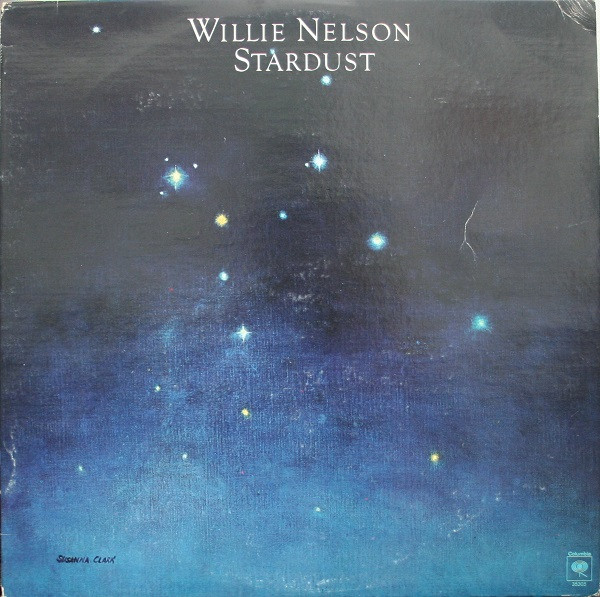
Stardust
1978
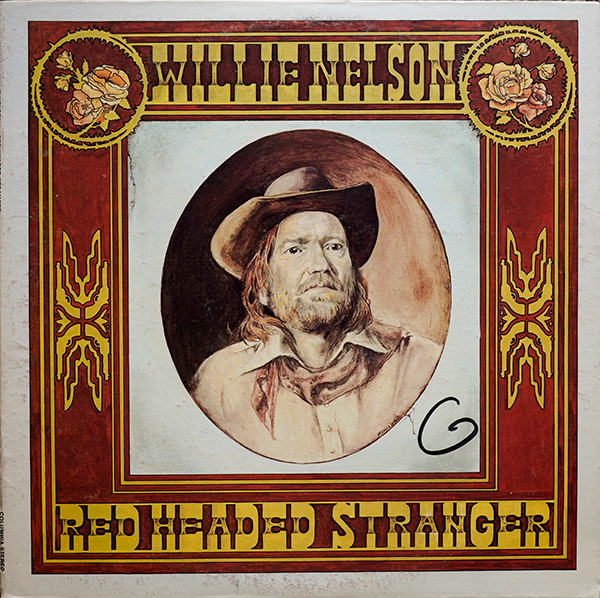
Red Headed Stranger
1975
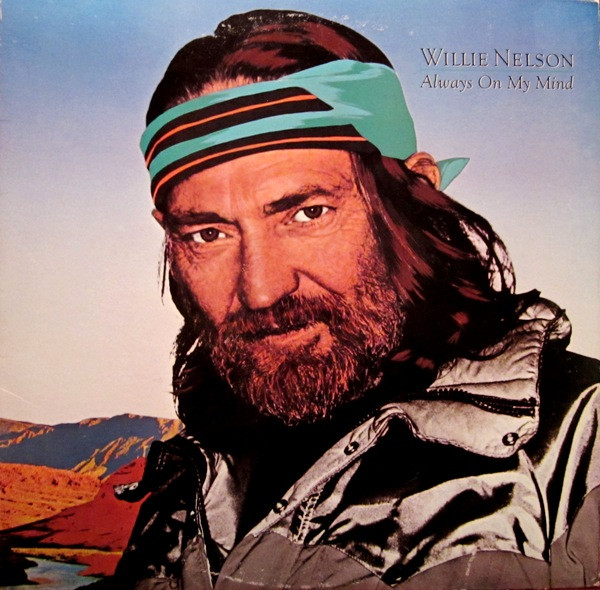
Always On My Mind
1982
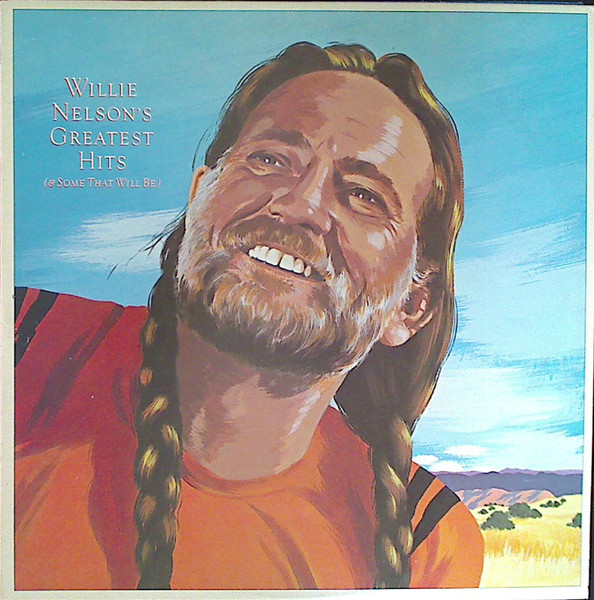
Greatest Hits (& Some That Will Be)
1981
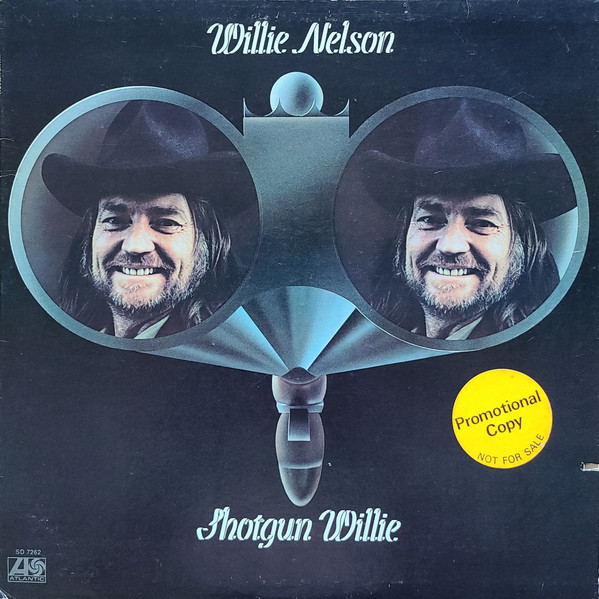
Shotgun Willie
1973
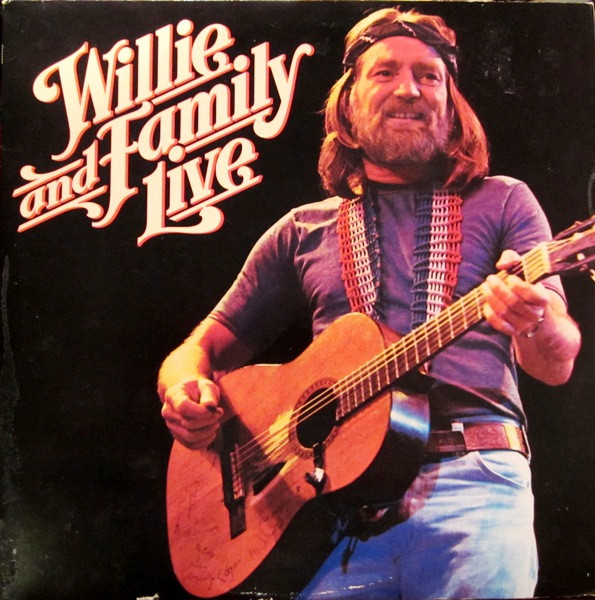
Willie And Family Live
1978

Phases And Stages
1974

Pretty Paper
1979

Willie Nelson Sings Kristofferson
1979
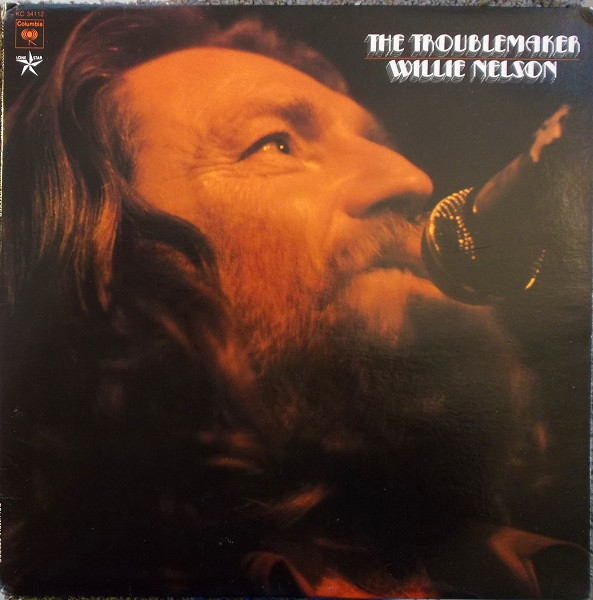
The Troublemaker
1976

Somewhere Over The Rainbow
1981
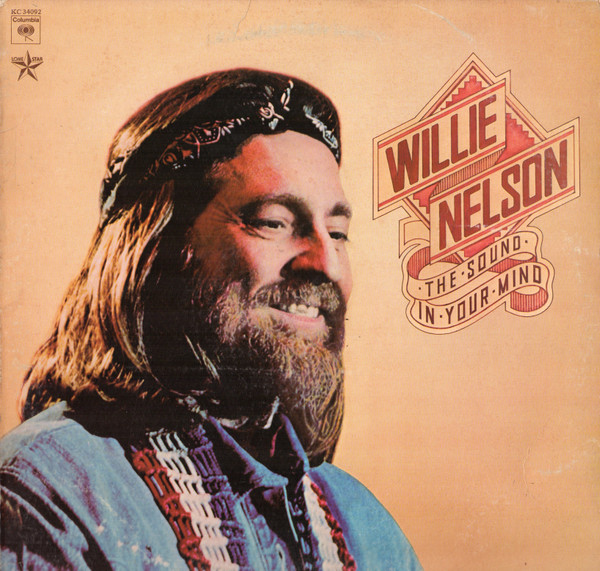
The Sound In Your Mind
1976
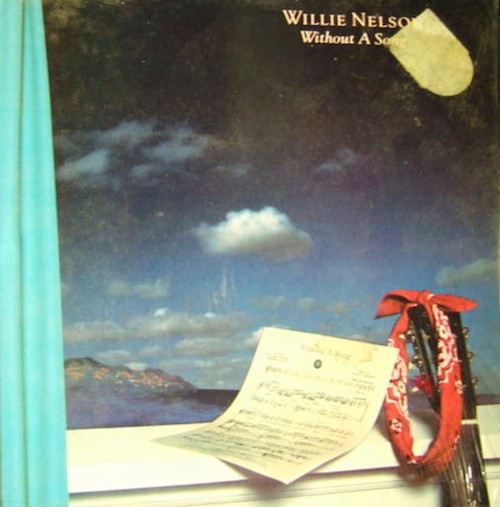
Without A Song
1983
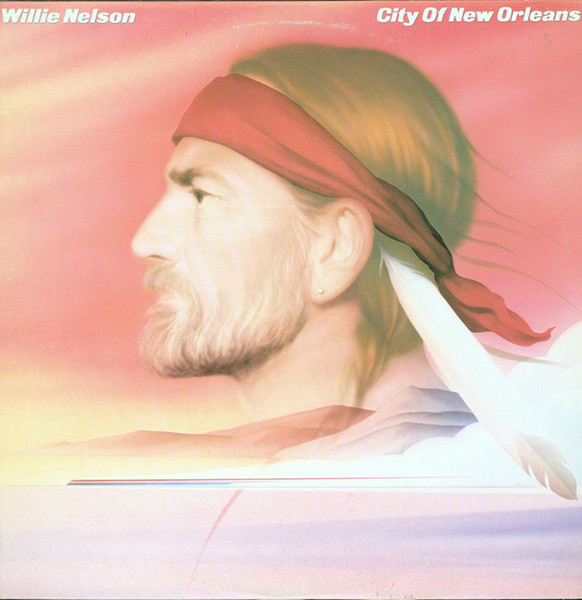
City Of New Orleans
1984
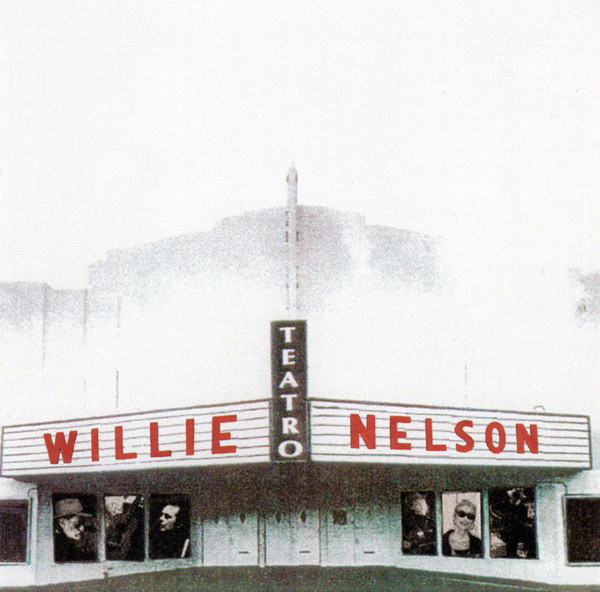
Teatro
1998

To Lefty From Willie
1977
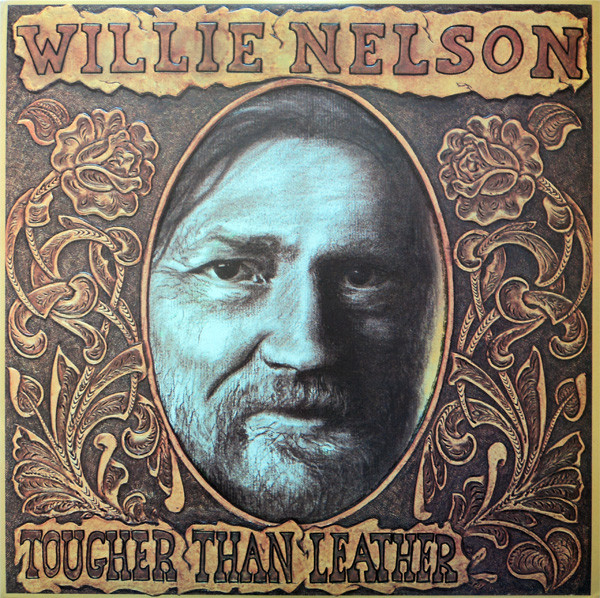
Tougher Than Leather
1983

The Promiseland
1986
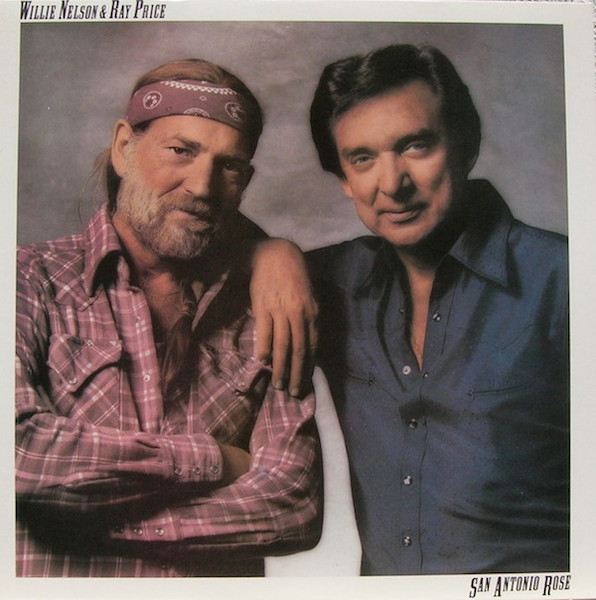
San Antonio Rose
1980
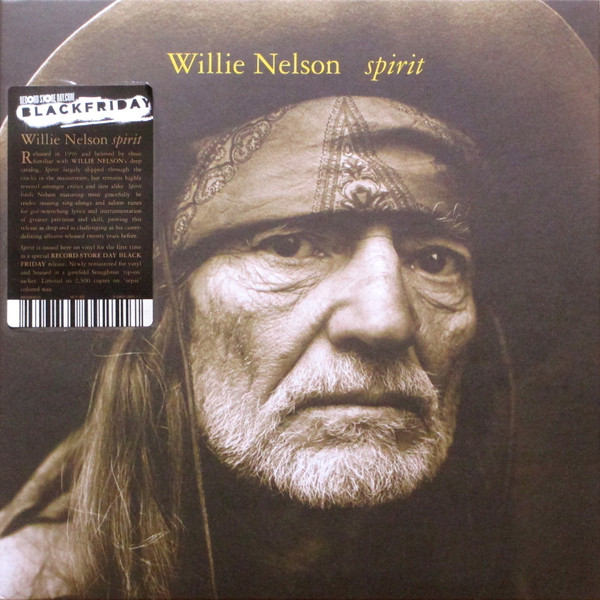
Spirit
1996
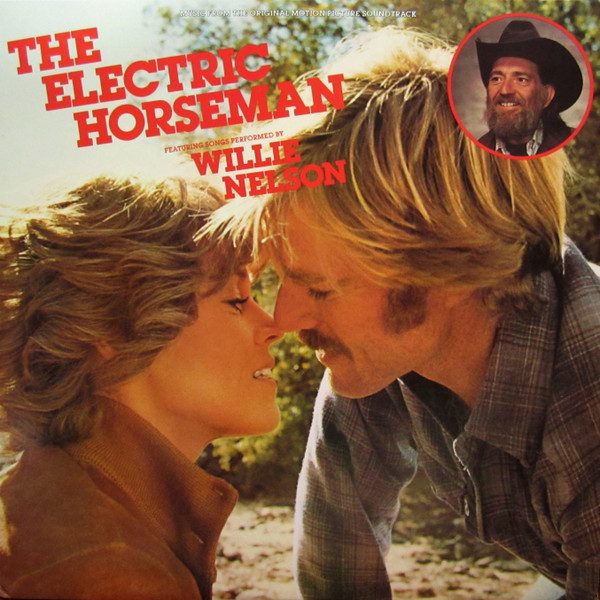
The Electric Horseman (Music From The Original Motion Picture Soundtrack)
1979
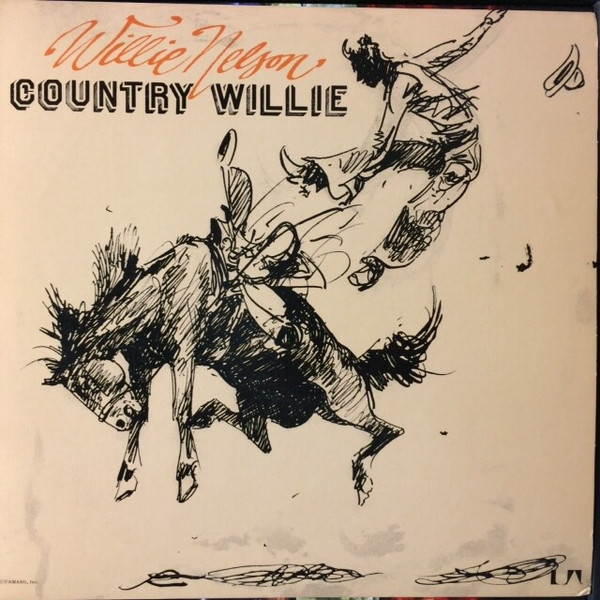
Country Willie
1975

Yesterday's Wine
1971

Columbus Stockade Blues
1970
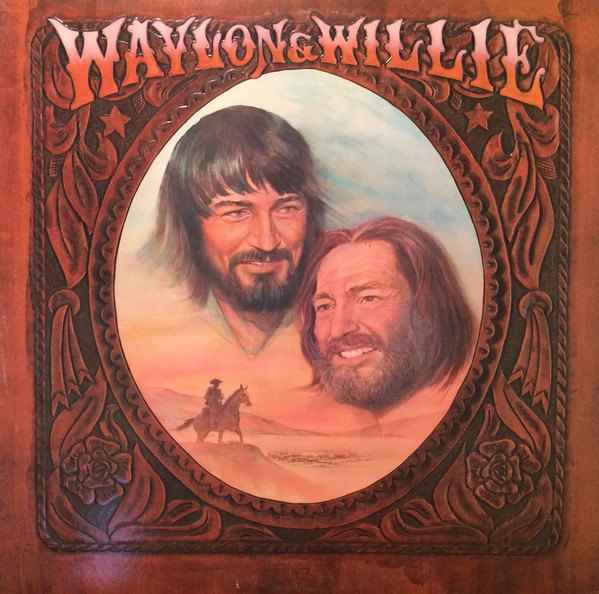
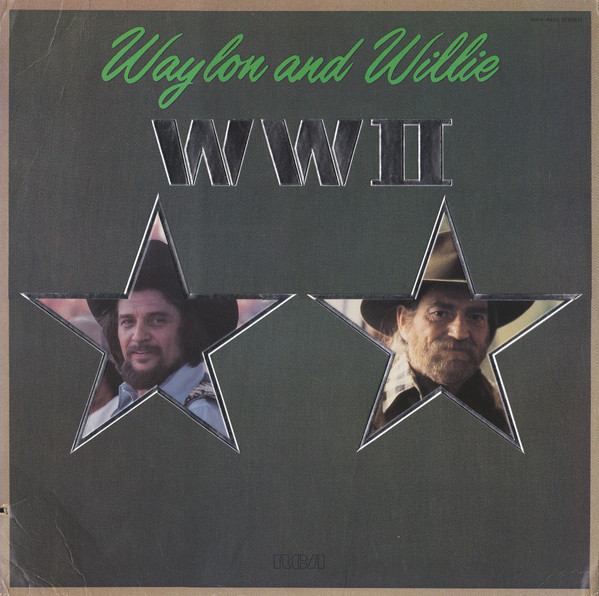
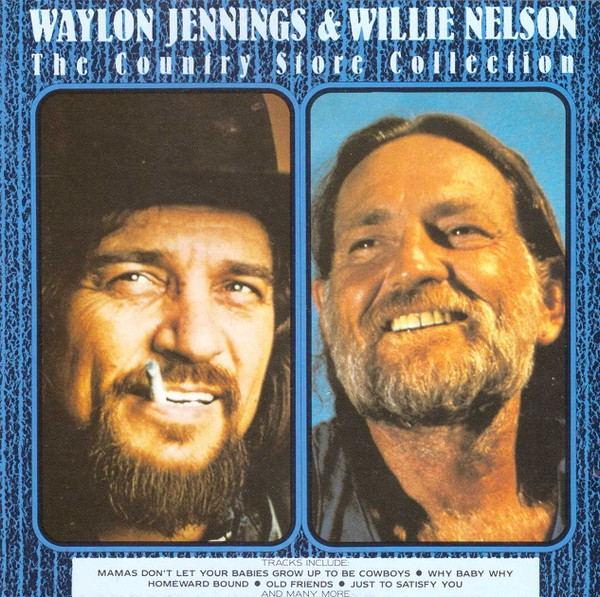
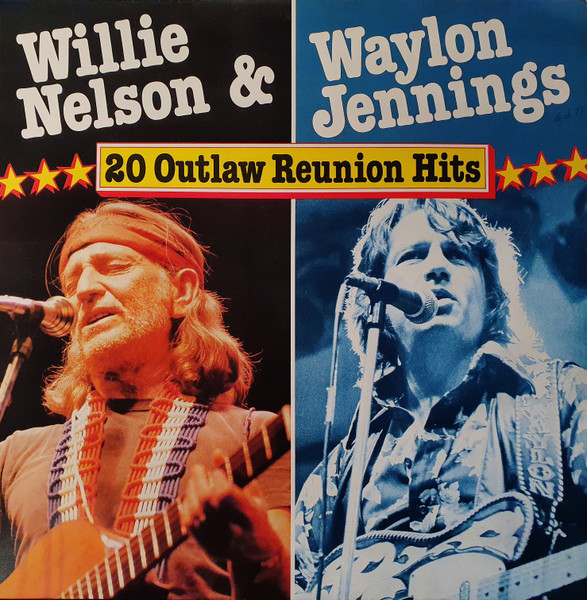
Waylon Jennings & Willie Nelson
Willie Nelson under another name — MusicBrainz marks this project eponymous.


The Highwaymen
A project Willie Nelson was part of.


Related artists
Around the web
Follow every record they touch.
Start your shelf and Gatefold tracks Willie Nelson's new pressings, tour dates, and the whole discography — automatically.
Start your shelf →Free forever. Works with 10 records or 10,000.