
Artist
Waylon Jennings & Willie Nelson
United States
Waylon Jennings & Willie Nelson is a music group from United States. Their discography on Gatefold includes 6 records.

6
Albums tracked
47
In collections
—
Since
Biography
RCA Nashville hated the fact that neither of them would cut tracks with the house session crew or use the standard string-heavy Nashville Sound sweetening. Waylon Jennings and Willie Nelson bypassed the standard Music Row conveyor belt entirely by demanding creative control and cutting their own tracks outside of the iron-fisted producer system. When they joined forces on record in 1978 for Waylon & Willie, they weren't building a band from scratch; they were taking Waylon's thumping phase-shifter Fender Telecaster snap and blending it with Willie's nylon-string acoustic jazz phrasing on Trigger. The dynamic worked because their voices had completely different textures that slotted together without stepping on each other. Waylon brought the baritone swagger and the four-on-the-floor rhythm section, while Willie floated behind the beat with Spanish-tinged runs and laid-back phrasing. They didn't even cut all their vocals in the same room at the same time—a lot of it was stitched together across different tape reels between tour stops—yet the chemistry sounded like two guys sharing a single microphone in an Austin beer joint.
Bio from The Clerk
The Arc of Waylon Jennings & Willie Nelson
The pivots — what forced Waylon Jennings & Willie Nelson to reinvent.
The Outlaw Blueprint
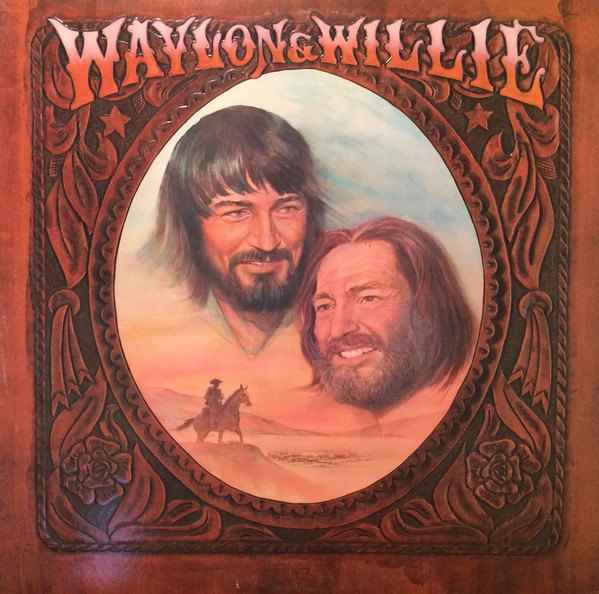
After both spent years chafing under RCA's rigid studio system, their official duo debut Waylon & Willie in 1978 capitalized on the massive commercial wave of the outlaw country movement. Working with producer Waylon Jennings and engineer Chips Moman, they stripped back the gloss in favor of Waylon's hard-hitting rhythm section and Willie's syncopated acoustic leads. The record went multi-platinum off the strength of their trade-off vocals on tracks like 'Mammas Don't Let Your Babies Grow Up to Be Cowboys.' You hear two distinct solo artists deliberately meeting in the middle of a sparse, punchy roadhouse sound.
The Studio Polish Pivot
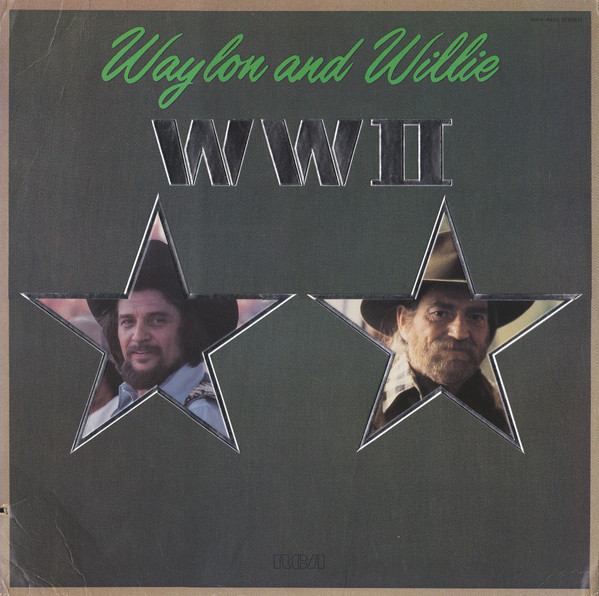
By the early 1980s, the duo shifted toward slicker, high-budget studio production on albums like WWII and Take It to the Limit. Chips Moman took the producer reins to modernize the sound, layering smooth backing vocals, clean compression, and glossier instrumentation over their rough edges. The duo's natural grit had to fight against early-80s Nashville polish and pop crossover ambitions, turning their arrangements toward orchestral ballads and covers of standard pop-rock fare like the Eagles' 'Take It to the Limit.' On tape, it sounded far more engineered than their 1970s sessions, but their vocal interplay remained undeniable.
The 90s Hangover
Entering the 1990s as legacy acts, the pair reunited for 1991's Clean Shirt with producer Bob Montgomery at the board. The record leaned hard into 90s country production techniques—punchy gated snare hits, bright digital reverb, and polished session players that often drowned out their natural interplay. Even under the era's sterilized gloss, their road-worn baritones still cut through the tracks, treating the material like a pair of lifers who had nothing left to prove. It closed the book on their duo studio records before both shifted fully into the Highwaymen package and their elder-statesman solo eras.
Influences
- Hank Williams — Both singers grew up on Hank Williams' radio broadcasts and cut his catalog across their solo careers, with Waylon recording 'Are You Sure Hank Done It This Way' as a direct critique of modern country. Williams' raw, confessional lyrical realism was the foundation of their entire narrative approach. You hear his lonesome phrasing baked into the core of their stripped-down vocal arrangements.
- Buddy Holly — Waylon Jennings played bass for Buddy Holly on the fateful 1959 Winter Dance Party tour and Holly produced Waylon's first single, 'Jole Blon.' Holly's driving rock and roll rhythm directly inspired Waylon's insistence on a rock-solid, four-on-the-floor bass beat instead of traditional country shuffle. That aggressive backbeat became the rhythmic engine beneath every duo track with Willie.
- Django Reinhardt — Willie Nelson has consistently cited Reinhardt as his primary guitar hero, shaping his entire lead technique on his battered Martin N-20, Trigger. You hear Reinhardt's gypsy jazz runs and idiosyncratic chord voicings weave directly through Willie's solos on all their joint tracks. It provided the fluid acoustic counterpoint to Waylon's rigid Telecaster rhythm.
- Bob Wills — Both Waylon and Willie were raised on Texas western swing and repeatedly covered Bob Wills tracks, eventually recording dedicated tribute songs to him. Wills' philosophy of fusing jazz improvisation with danceable country rhythm gave the duo their blueprint for blending distinct genres. You hear it in the swinging, loose syncopation of their uptempo duets.
- Ernest Tubb — Ernest Tubb was one of the earliest champions of both artists in Nashville, giving them slots on the Grand Ole Opry and the Midnight Jamboree. Tubb's unapologetically rough, flat-toned vocal delivery proved that a singer didn't need classical polish to carry a country song. That raw, conversational phrasing became the calling card of both Jennings and Nelson.
Discography
Their records — most-collected first.


Related artists
Members
Frequent collaborators
Around the web
Follow every record they touch.
Start your shelf and Gatefold tracks Waylon Jennings & Willie Nelson's new pressings, tour dates, and the whole discography — automatically.
Start your shelf →Free forever. Works with 10 records or 10,000.