
Artist
Wilco
American alternative rock band
Chicago, United States · Formed 1994
Wilco is a music group from Chicago, United States, active since 1994. Their discography on Gatefold includes 24 records.

25
Albums tracked
752
In collections
1994
Since
Biography
Uncle Tupelo split right down the middle in 1994. Jay Farrar took the cool, stoic country-rock purism to Son Volt, leaving Jeff Tweedy with the rest of the band and a massive chip on his shoulder. Wilco started as a scrappy, somewhat desperate attempt to prove Tweedy wasn't just the second banana. They spent the late '90s trying to outgrow the "alternative country" tag that critics slapped on them, constantly fighting their own organic arrangements with studio noise and pop classicism. The real turning point was the bloodletting of Yankee Hotel Foxtrot. They fired their drummer Ken Coomer, brought in Glenn Kotche, and Tweedy eventually kicked out multi-instrumentalist Jay Bennett after a brutal, documented psychological war in the studio. Reprise Records heard the finished, static-laden, non-commercial master and dropped the band. Wilco streamed it for free on their website, signed with Nonesuch—which was owned by the same parent company, Warner—and released a certified classic. That is how you turn a corporate firing into the ultimate indie rock myth. After that peak, they settled into a comfortable, highly skilled residency as the elder statesmen of American indie. Adding guitar wizard Nels Cline in 2004 turned them into a formidable live unit capable of seven-minute television-ready jams, even when the studio records started sounding a bit too polite. They became a stable Chicago institution, building their own Loft studio and launching their own festival. They went from self-destructive art-rockers to a very reliable, very expensive touring machine.
Bio from The Clerk
The Arc of Wilco
The pivots — what forced Wilco to reinvent.
The Post-Tupelo Scramble
Left holding the bag after Jay Farrar quit Uncle Tupelo, Jeff Tweedy gathered bass player John Stirratt and the remaining touring members to cut A.M. in 1995. It was a straightforward, almost apologetic country-rock record that sounded exactly like what people expected. The real shift happened on Being There, where Tweedy used a double-album format to intentionally wreck their rootsy image. They threw in Mellotrons, 1970s power-pop hooks, and deliberate tape hiss to prove they were more than just Big Star and Gram Parsons disciples.
The Bennett Deconstruction
Jay Bennett joined the band and quickly became Tweedy’s primary enabler and foil in the studio. On Summerteeth, they buried the guitars entirely under layers of Pro Tools editing, synth pads, and dark, Beach Boys-inspired orchestral arrangements. The tension peaked during the Yankee Hotel Foxtrot sessions, where Bennett wanted to build massive pop structures and Kotche's avant-garde drumming pushed them toward abstraction. Tweedy eventually fired Bennett right after the album was finished, ending the band's most volatile and creatively daring partnership.
The Nels Cline Era
After a brief, noisy detour with Jim O'Rourke on A Ghost Is Born, Tweedy rebuilt Wilco as a six-piece virtuoso band by hiring experimental jazz guitarist Nels Cline. The 2007 album Sky Blue Sky showed the immediate impact of this lineup, trading the anxious studio edits for warm, live-in-the-room seventies rock. Cline’s jaw-dropping, fluid solo on "Impossible Germany" became their new live calling card. This lineup stabilized the band for decades, shifting them from a chaotic studio experiment into a highly disciplined, flawless live act.
Influences
- Big Star — Wilco covered "Thirteen" live for years, and Tweedy has repeatedly cited Alex Chilton's Memphis power-pop band as the blueprint for their melodic sensibilities. You can hear this direct lineage in the bright, acoustic-guitar-driven melancholy of Summerteeth. They took the pristine pop structures and decayed them from the inside out.
- Woody Guthrie — Guthrie’s daughter Nora invited Wilco and Billy Bragg to write music for her father’s unrecorded lyrics, resulting in the Mermaid Avenue sessions. This collaboration forced Tweedy to strip his writing back to traditional folk frameworks. That grounding in simple, direct storytelling directly shaped the acoustic skeletons of Yankee Hotel Foxtrot.
- Television — Nels Cline has frequently cited Tom Verlaine's twin-guitar attack as a massive influence on his playing. The interlocking, clean-toned guitar duels between Cline and Pat Sansone on "Impossible Germany" are a direct, loving homage to Marquee Moon. It brought a sharp, New York post-punk angularity to Wilco's mid-western folk-rock.
- Bill Fay — Jeff Tweedy was instrumental in reviving the career of this forgotten English singer-songwriter, compiling his reissues and covering his songs like "Be Not So Fearful" live. Fay’s brand of fragile, piano-led pastoral pop heavily informed the quieter, more vulnerable moments on A Ghost Is Born. It taught Tweedy how to use silence and space as an instrument.
- Neu! — The driving, hypnotic drum pattern on "Spiders (Kidsmoke)" is a direct lift of the famous "motorik" beat pioneered by Klaus Dinger. Tweedy has spoken openly about his love for 1970s German experimental rock, often called Krautrock. They used this relentless, mechanical rhythm to escape the standard verse-chorus-verse structures of American roots music.
Discography
Their records — most-collected first.
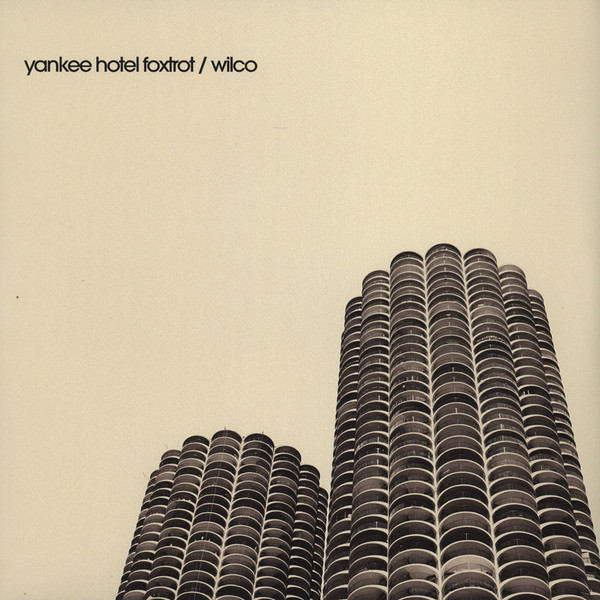
Yankee Hotel Foxtrot
2002
A Ghost Is Born
2004
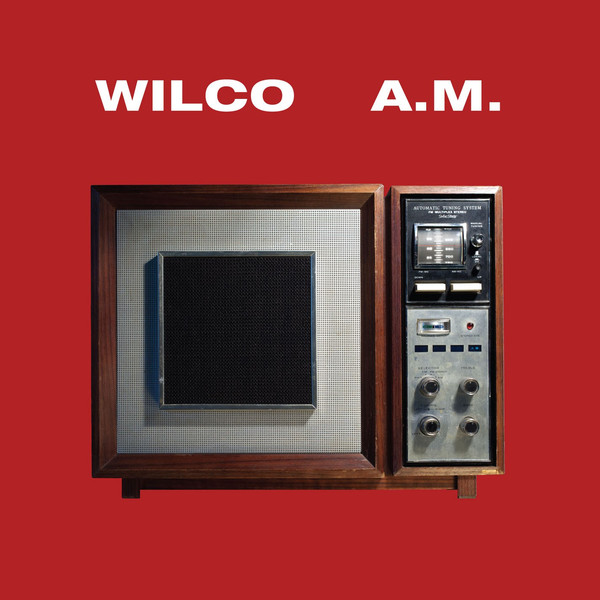
A.M.
1995
Sky Blue Sky
2007
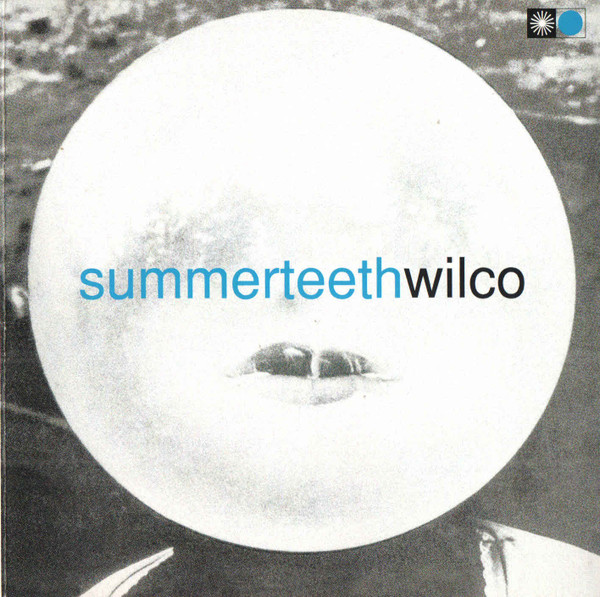
Summerteeth
1999
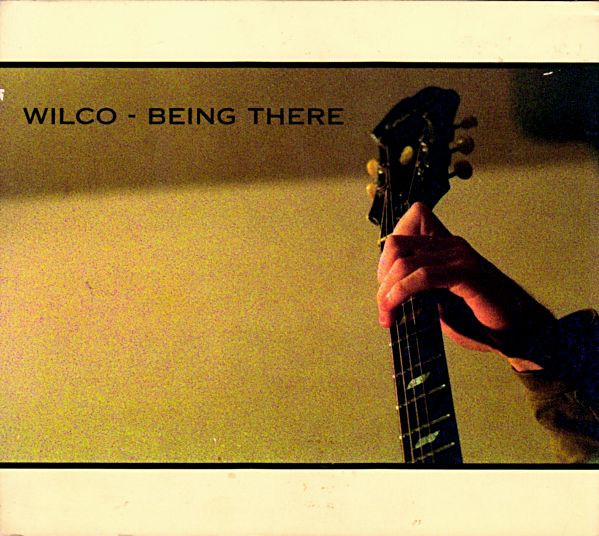
Being There
1996
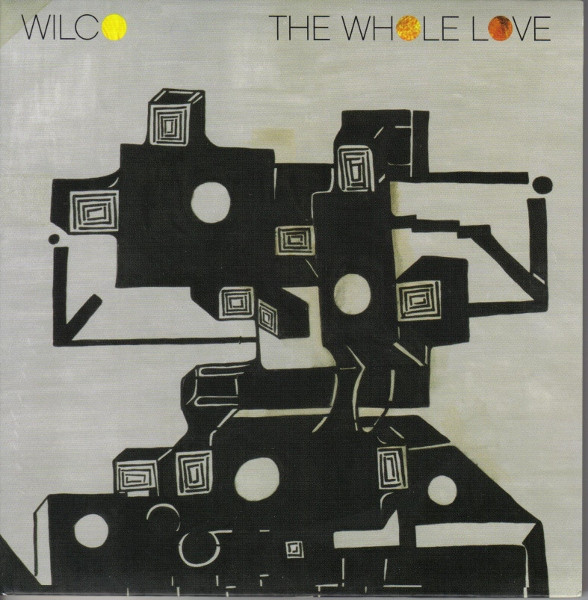
The Whole Love
2011
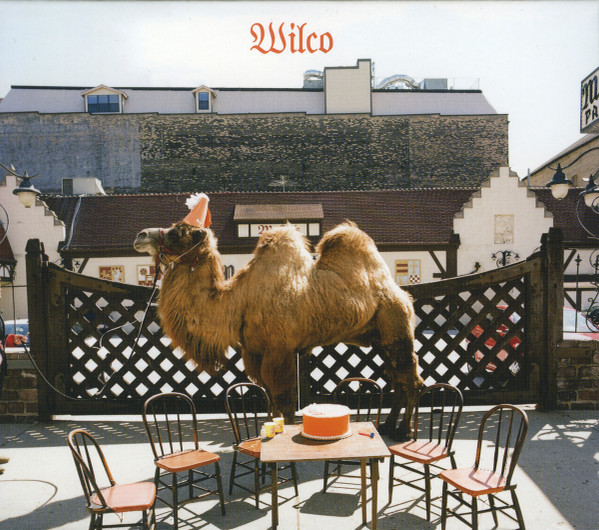
Wilco (The Album)
2009
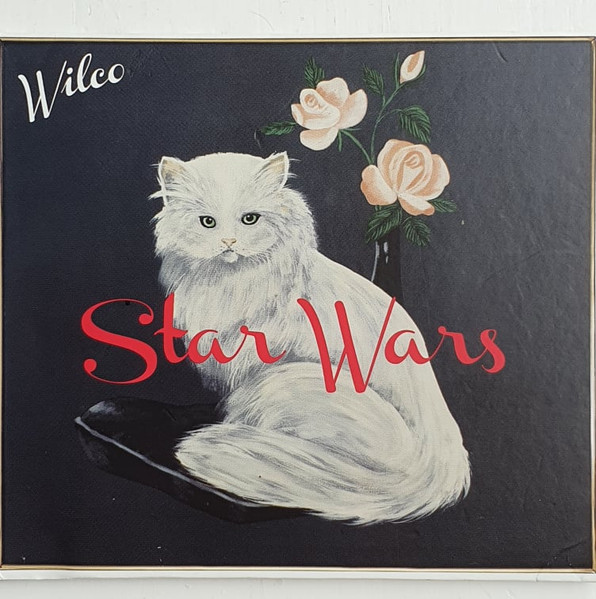
Star Wars
2015

Schmilco
2016

Ode To Joy
2019
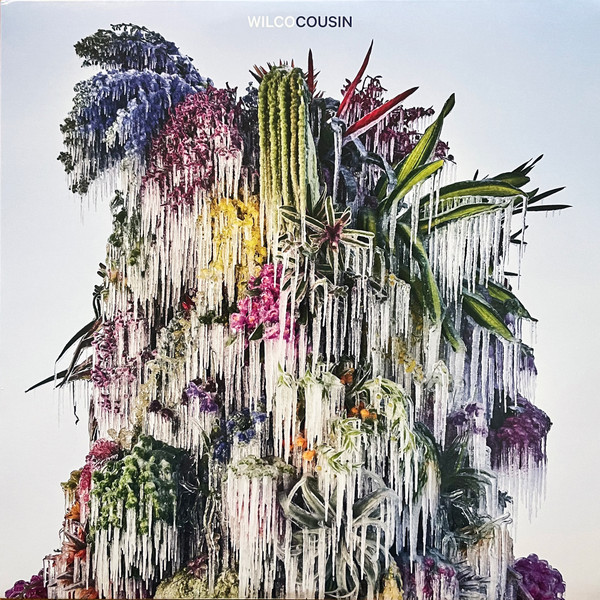
Cousin
2023

Cruel Country
2022
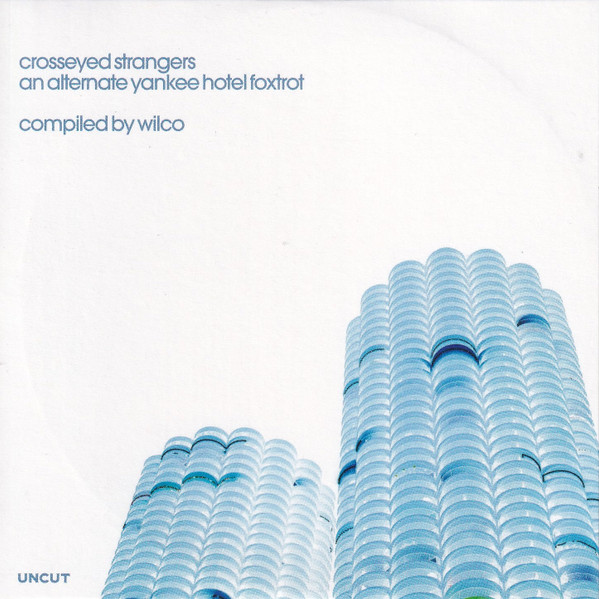
Crosseyed Strangers (An Alternate Yankee Hotel Foxtrot Compiled By Wilco)
2022

Hot Sun Cool Shroud
2024

Kicking Television (Live In Chicago)
2005

Alpha Mike Foxtrot: Rare Tracks 1994-2014
2014

What's Your 20? (Essential Tracks 1994-2014)
2014
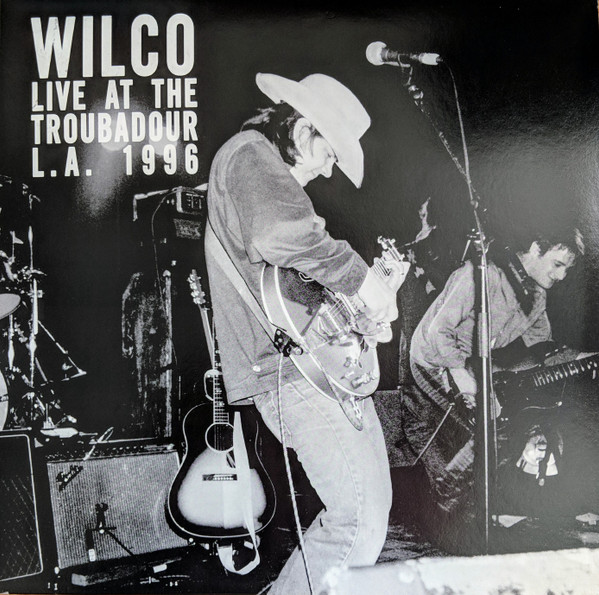
Live At The Troubadour
1997

Speak Into The Rose
2011

All Lives, You Say?
2017

What Light
2007

I Am Trying To Break Your Heart - A Film About Wilco
2003

All Over The Place
1997
Related artists
Members
Frequent collaborators
Around the web
Follow every record they touch.
Start your shelf and Gatefold tracks Wilco's new pressings, tour dates, and the whole discography — automatically.
Start your shelf →Free forever. Works with 10 records or 10,000.