
Artist
The Who
London, United Kingdom · Formed 1964
The Who is a music group from London, United Kingdom, active since 1964. Their discography on Gatefold includes 24 records.

66
Albums tracked
1,532
In collections
1964
Since
Biography
Pete Townshend spent his early years obsessed with the Rickenbacker 360/12 because he wanted to sound like a harpsichord, not a bluesman. He wasn't some guitar hero worshipper; he was a frustrated art student who saw the stage as a space for auto-destructive art. While every other band in London was trying to be authentic, The Who were busy being a pop-art project fueled by amphetamines and a rhythm section that played like lead instrumentalists. Keith Moon didn't keep time—he attacked it—and John Entwistle played bass with the treble cranked so high it sounded like a piano being thrown down a flight of stairs. They spent the late sixties trying to outrun the 'Maximum R&B' tag by leaning into Pete’s increasingly fragile ego and high-concept narratives. The pivot from 'My Generation' to 'Tommy' wasn't just about ambition; it was about survival in a market that was outgrowing the three-minute single. By the time they hit 'Who's Next', they had traded the feedback loops for the icy precision of the VCS3 synthesizer and the ARP 2500. They became the biggest stadium act on the planet, but the cost was a band that hated being in the same room. It was a beautiful, violent mess that eventually curdled into a nostalgia act once the drugs and the road finally claimed Moon and later Entwistle.
Bio from The Clerk
The Arc of The Who
The pivots — what forced The Who to reinvent.
The High-Decibel Pop Art Phase
Producer Shel Talmy captured the early chaos at Pye Studios, focusing on a jagged, feedback-heavy sound that shouldn't have worked on AM radio. Pete was literally breaking his gear to get sounds that the equipment wasn't designed to handle, creating a distorted wall of noise that defined the Mod movement. This was the era of the two-minute explosion, where Roger Daltrey had to stutter through lyrics just to match the manic energy of Moon’s erratic drumming. You hear it on 'I Can't Explain' and 'My Generation', records that feel like they’re about to fly off the turntable.
The Narrative Pivot
After the quirky failure of 'A Quick One', Townshend locked himself away to write rock operas, desperate to prove that the LP could be more than just a collection of singles. Kit Lambert, their manager and a frustrated classical enthusiast, pushed Pete to think in movements rather than verses. The result was 'Tommy', a record that traded the R&B grit for a cleaner, theatrical production that demanded the listener's undivided attention. This shift saved them from becoming a footnote and turned the band into a spiritual experience for the Woodstock generation.
The Glyn Johns Polish
When the 'Lifehouse' project collapsed under its own weight, engineer Glyn Johns stepped in to salvage the best parts, resulting in the heavy, synth-driven perfection of 'Who's Next'. They abandoned the narrative crutches for a massive, cinematic sound built around pre-programmed synthesizer loops and Pete’s stadium-filling power chords. Daltrey found his 'lion roar' during these sessions, moving away from the R&B shouter style to become the definitive rock frontman. It is the most professional the band ever sounded, and it set the template for every arena rock record of the seventies.
Influences
- The Kinks — Townshend has admitted he wrote 'I Can't Explain' as a direct imitation of Ray Davies' 'You Really Got Me'. You hear it in the staccato power chords and the aggressive, simplified riff structure. It was a calculated move to get on the charts by mimicking the loudest band in London at the time.
- Mose Allison — The band famously covered his track 'Young Man Blues' on 'Live at Leeds'. Entwistle and Townshend were obsessed with his sardonic, jazz-inflected delivery and rhythmic timing. That specific blend of cynical lyrics and swinging blues is the DNA of their harder mid-sixties material.
- Bo Diddley — The 'hambone' beat and Diddley’s tremolo-heavy guitar style are all over the early Who sessions. 'Magic Bus' is a direct descendant of the Bo Diddley beat, stripped down to its most primitive, percussive form. Pete's rhythm-heavy approach to the guitar owes more to Bo than it does to any blues-rocker.
- James Brown — Before they were 'The Who', they were The High Numbers playing covers of 'I Got You' and 'Please, Please, Please'. Roger Daltrey’s entire stage persona in the early days was an attempt to match Brown’s frantic soul-shouting and physical intensity. You hear that soul influence in the grit of their first few singles before the psychedelia took over.
- Link Wray — Pete cited Wray’s 'Rumble' as the first time he realized the power of a single chord and the use of distortion as a weapon. Wray’s gritty, menacing guitar tone is the literal father of the feedback loops on 'Anyway, Anyhow, Anywhere'. It’s that raw, unpolished American rock and roll filtered through a Marshall stack.
Discography
Their records — most-collected first.

Who's Next
1971
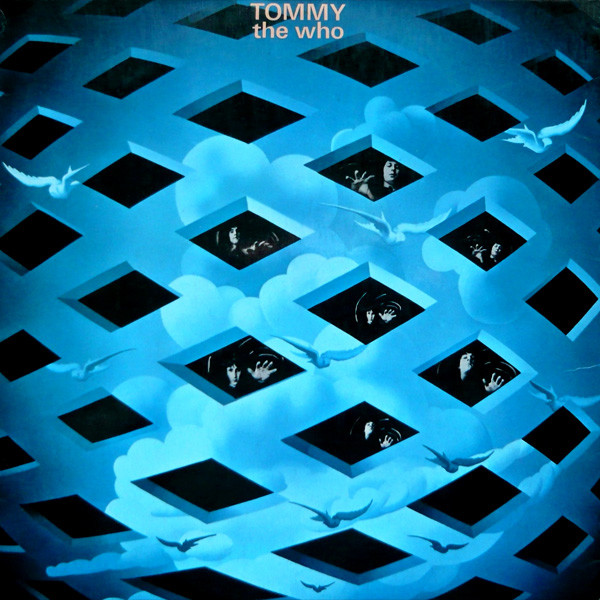
Tommy
1969
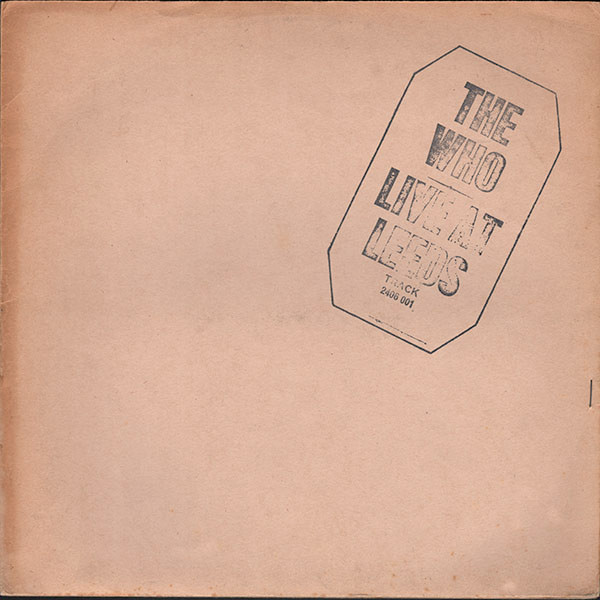
Live At Leeds
1970
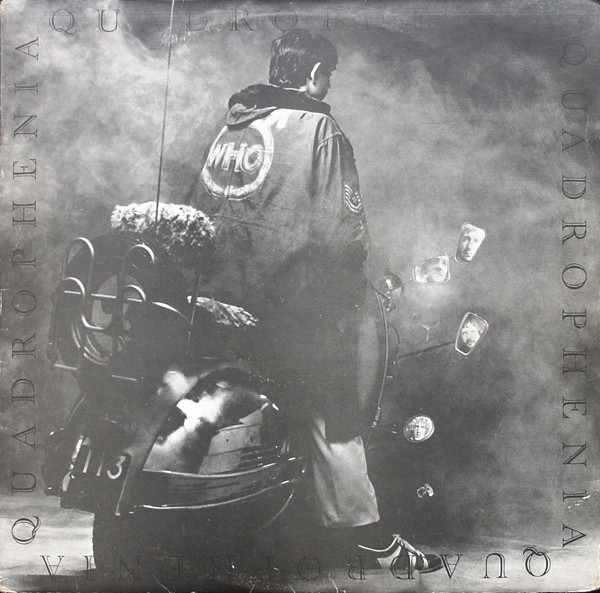
Quadrophenia
1973
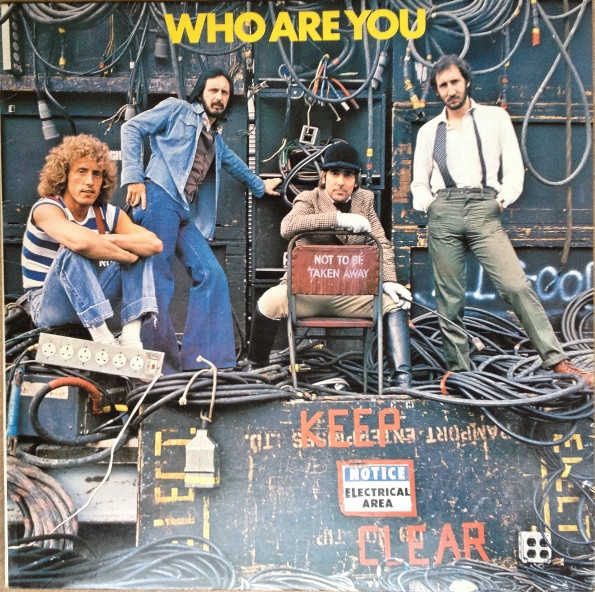
Who Are You
1978
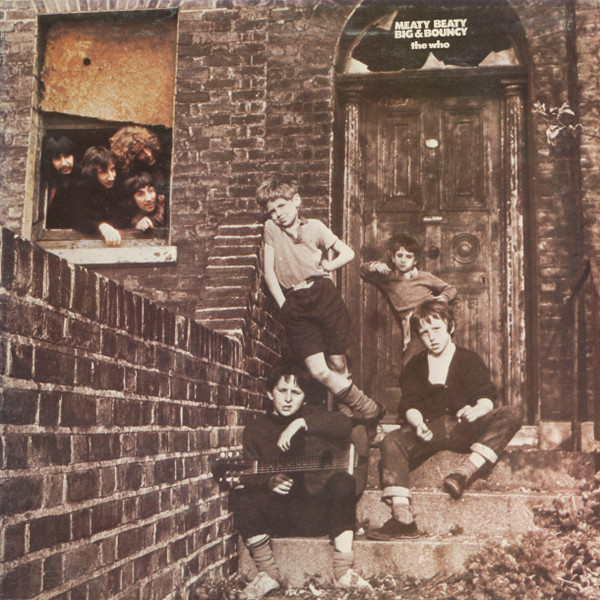
Meaty Beaty Big & Bouncy
1971
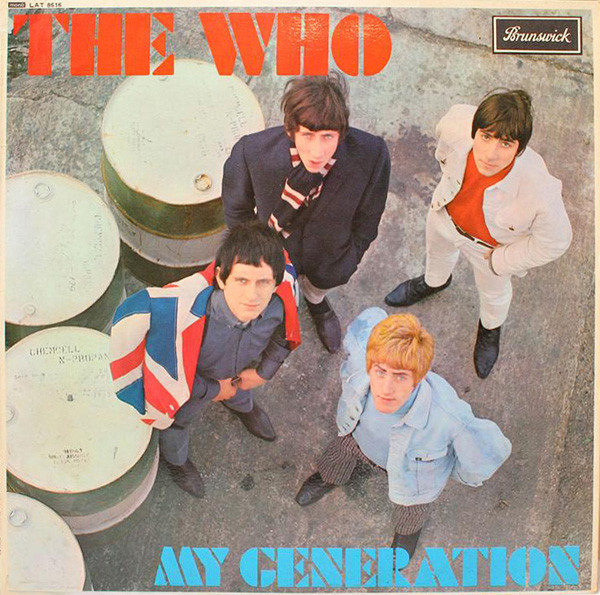
My Generation
1965
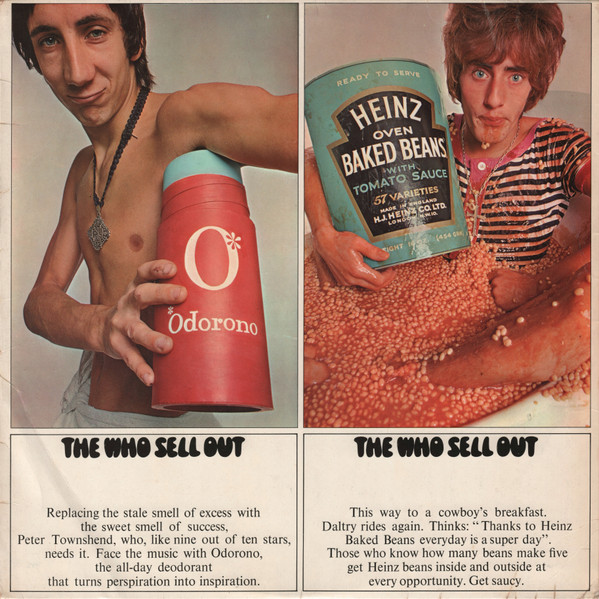
The Who Sell Out
1967
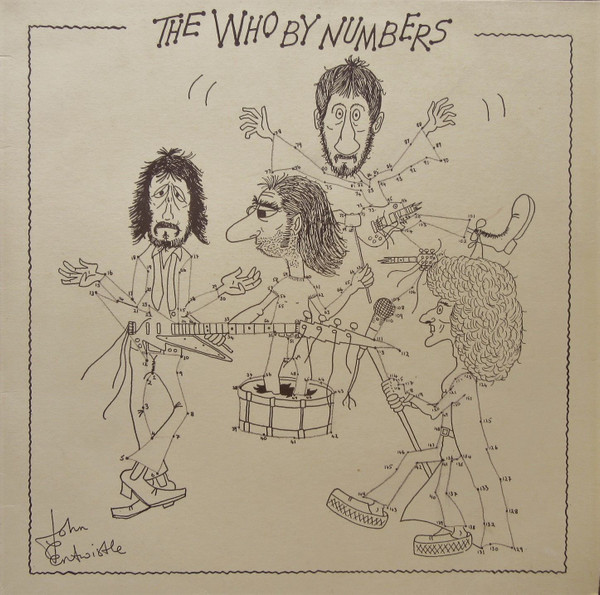
The Who By Numbers
1975

It's Hard
1982
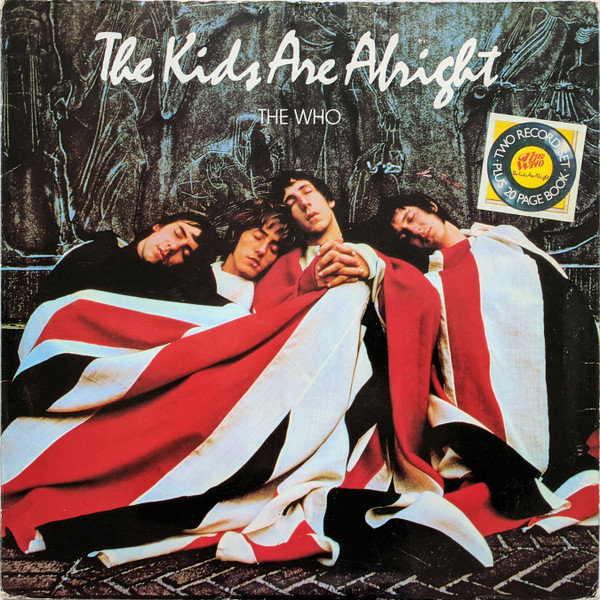
The Kids Are Alright
1979
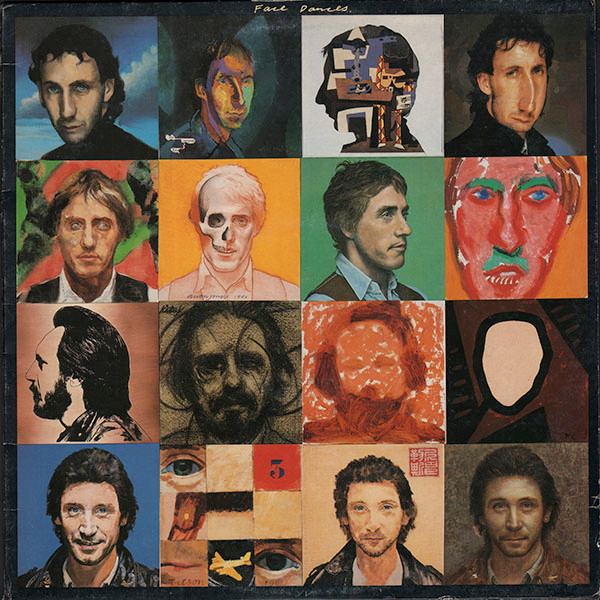
Face Dances
1981

Odds & Sods
1974
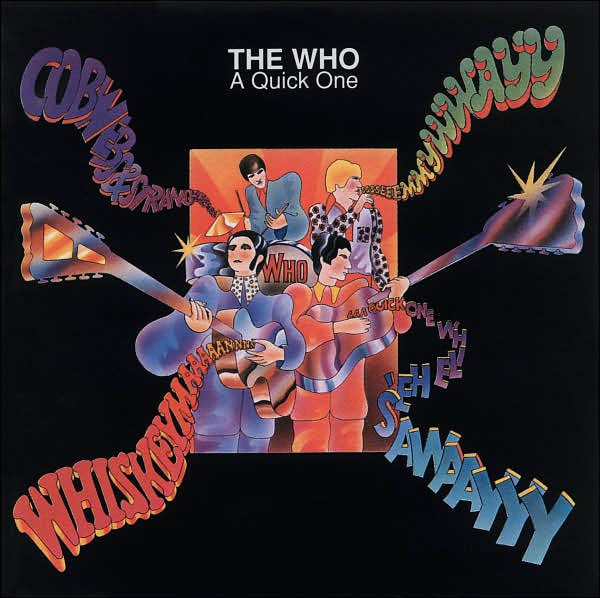
A Quick One
1966
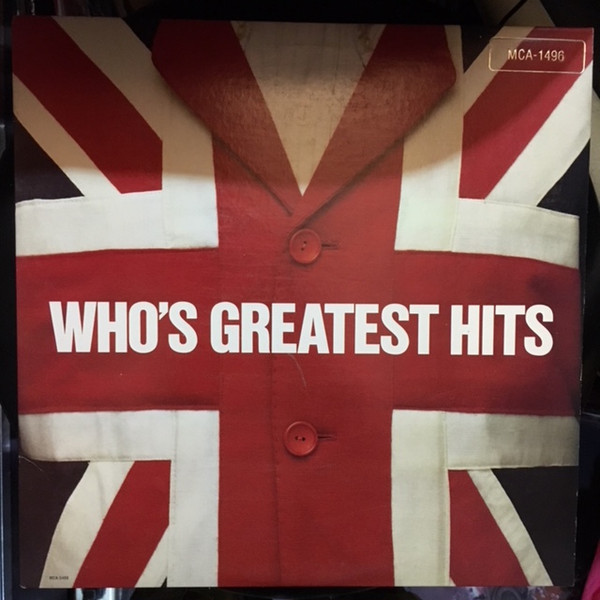
Who's Greatest Hits
1983

Who's Better, Who's Best
1988

Endless Wire
2006

My Generation - The Very Best Of The Who
1996

The Story Of The Who
1976
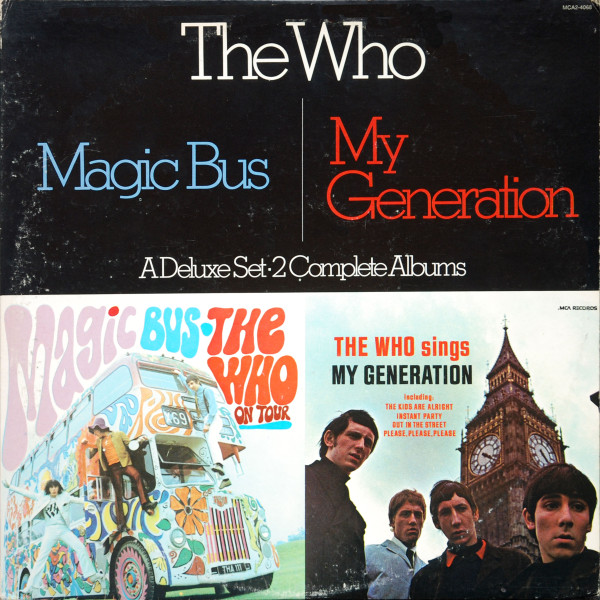
Magic Bus / The Who Sings My Generation
1974

A Quick One / The Who Sell Out
1974
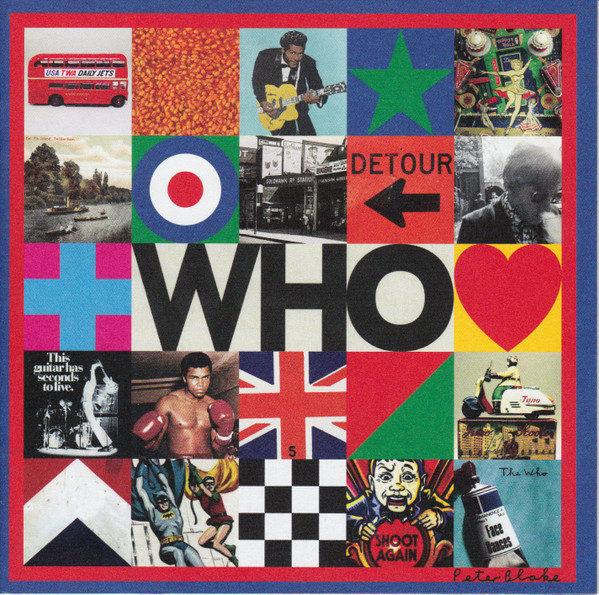
Who
2019

Hooligans
1981

The Ultimate Collection
Related artists
Members
Frequent collaborators
Around the web
Follow every record they touch.
Start your shelf and Gatefold tracks The Who's new pressings, tour dates, and the whole discography — automatically.
Start your shelf →Free forever. Works with 10 records or 10,000.