
Artist
Townes Van Zandt
Fort Worth, United States · 1944 – 1997
Townes Van Zandt is a musician from Fort Worth, United States, active 1944–1997. Their discography on Gatefold includes 24 records.

32
Albums tracked
180
In collections
1944
Since
Biography
Jack Clement drowned Townes's 1968 debut, For the Sake of the Song, in a swamp of Nashville studio polish, glockenspiels, and choral backing vocals that almost ruined the best songs the man ever wrote. Poppy Family-style arrangements did not belong on a record written by a guy who slept on dirt floors. Townes hated that mix so much he spent the next five years re-recording almost every single track from it just to prove they could survive without the Music Row bullshit. He was the absolute peak of the Texas folk scene. But he was also a self-destructive disaster who gave away his publishing rights for pocket change and lived out of a trailer in Franklin, Tennessee. The songs are skeletal, brutal, and completely devoid of comforting lies. By the time he got to Flyin' Shoes in '78, his voice had dropped an octave from cheap whiskey and the production finally matched the dirt under his fingernails.
Bio from The Clerk
The Arc of Townes Van Zandt
The pivots — what forced Townes Van Zandt to reinvent.
The Nashville Polish Disaster
Jack Clement got hold of Townes at Jack Clement Recording Studios in Nashville and tried to turn a brilliant, quiet folk poet into a commercial country-pop singer. The result was a pair of over-produced records where Townes's devastating lyricism had to fight through layers of unwanted harpsichords, double-tracked vocals, and cheesy echo chambers. You can hear the struggle on Our Mother the Mountain, where the sheer gravity of his writing barely manages to break through the studio clutter.
The Bare-Bones Kevin Eggers Era
Realizing the studio tricks were killing his songs, Townes stripped his sound down to the bone between 1971 and 1972 on Poppy Records. Working with producers Kevin Eggers and Jim Malloy, he cut Delta Momma Blues and The Late Great Townes Van Zandt with minimal acoustic arrangements that let his fingerpicking and flat vocal delivery carry the weight. This is where he laid down the definitive versions of Pancho and Lefty and If I Needed You, setting the blueprint for the entire Texas outlaw movement.
The Lost Decades and the Gravel Voice
After a massive five-year silence driven by addiction and label collapses, Townes returned in 1978 with Flyin' Shoes, sporting a ruined, raspy baritone that sounded decades older than his actual age. Chip Moman's production on that record and the late-career return At My Window in 1987 traded the clean folk style for a dark, slow-motion country-rock groove. His voice was shot, but the wear and tear gave tracks like Marie a terrifying, first-person authority that his early records couldn't match.
Influences
- Lightnin' Hopkins — Townes saw Hopkins play in Houston when he was a teenager and immediately abandoned his plans for a normal life to learn the blues. You hear it in the relentless, pulsing thumb-bass of Townes's fingerpicking on Lungs and Brand New Companion. He spent his entire career trying to match that specific, hypnotic Texas blues groove.
- Bob Dylan — Townes openly admitted in interviews that hearing Times They Are A-Changin' was the catalyst that made him realize songwriting could be serious literature. The surrealist, stream-of-consciousness imagery on Fare Thee Well, Miss Carousel is a direct nod to Dylan's mid-60s acoustic epics. It showed him how to write folk songs that avoided simple folk clichés.
- Hank Williams — Townes grew up obsessed with Hank's ability to turn absolute misery into three-minute pop songs and frequently covered his material live. The crushing loneliness of Waiting Around to Die is a direct descendant of Williams's dark-night-of-the-soul songwriting. He took Hank's honky-tonk dread and stripped away the dancehall beat.
- Woody Guthrie — Townes learned the art of the traveling troubadour by studying Guthrie's talk-singing style and dry humor. He regularly performed Guthrie's standard Pastures of Plenty during his live sets. That influence is why Townes's songs sound like they were pulled directly out of the American dirt.
- Lefty Frizzell — Townes named his most famous song, Pancho and Lefty, partly as a subconscious nod to one of his favorite country singers. Frizzell's lazy, slurred vocal delivery heavily shaped the way Townes dragged his words across the beat on tracks like White Freightliner Blues. It is the root of his entire laid-back Texas vocal style.
Discography
Their records — most-collected first.

Live At The Old Quarter, Houston, Texas
1977

For The Sake Of The Song
1968

Townes Van Zandt
1969

Our Mother The Mountain
1969

Delta Momma Blues
1971

Flyin' Shoes
1978
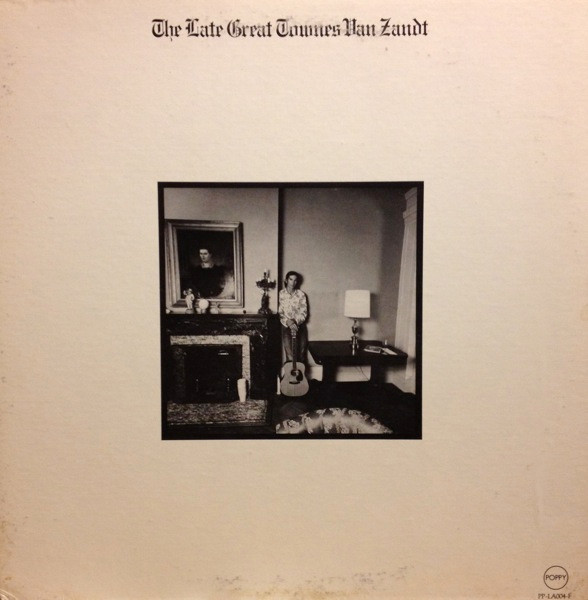
The Late Great Townes Van Zandt
1972

Rear View Mirror
1993

At My Window
1987
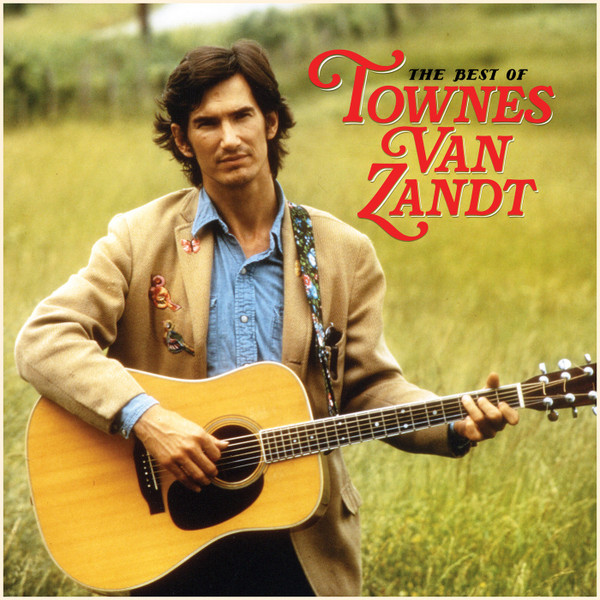
The Best Of Townes Van Zandt
2019

High, Low And In Between
1972

Somebody Had To Write It
2020

A Far Cry From Dead
1999

High, Low And In Between / The Late, Great Townes Van Zandt
1996

Sky Blue
2019
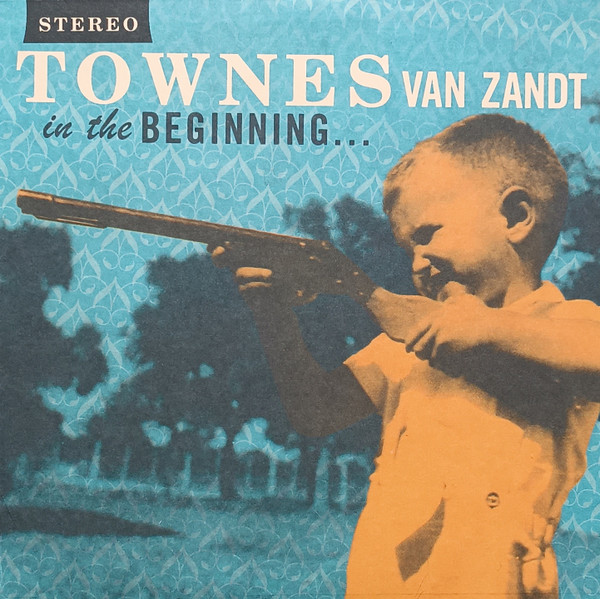
In The Beginning...
2003

Legend
2003
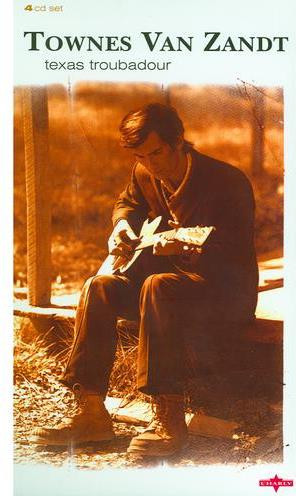
Texas Troubadour
2002

Anthology 1968-1979
1998

Highway Kind
1997

Abnormal
1996
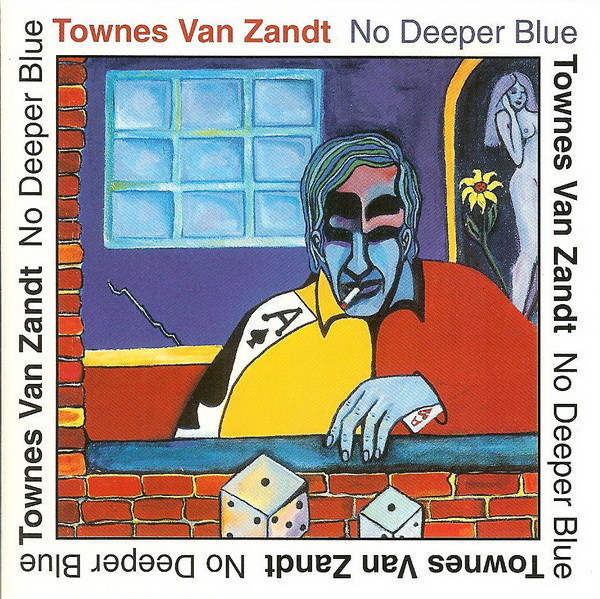
No Deeper Blue
1994
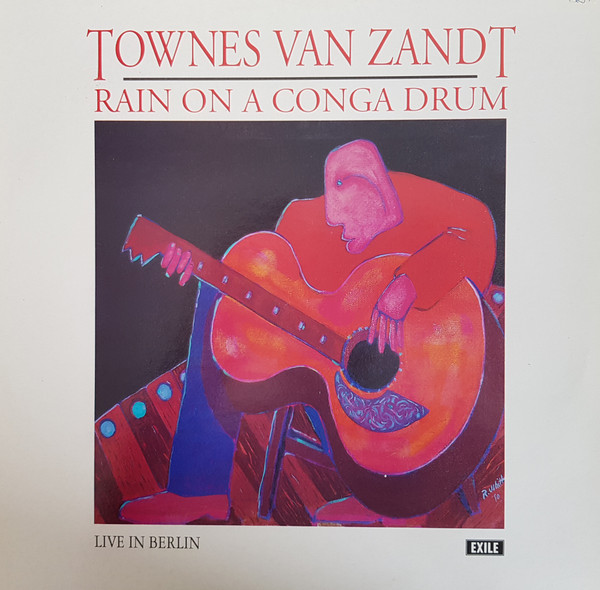
Rain On A Conga Drum - Live In Berlin
1991
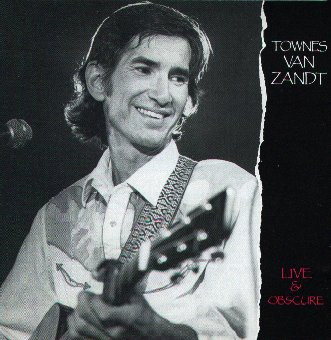
Live & Obscure
1987
Related artists
Around the web
Follow every record they touch.
Start your shelf and Gatefold tracks Townes Van Zandt's new pressings, tour dates, and the whole discography — automatically.
Start your shelf →Free forever. Works with 10 records or 10,000.