
Artist
Todd Rundgren
Upper Darby Township, United States · b. 1948
Todd Rundgren is a musician from Upper Darby Township, United States, active since 1948. Their discography on Gatefold includes 24 records. They also recorded with Utopia, Nazz and Ringo Starr & His All Starr Band.

64
Albums tracked
293
In collections
1948
Since
Biography
Todd sat in the Bearsville studio for Something/Anything? playing every single instrument himself because he realized he was the only one who could hear the finished song before it was taped. Most people know him as the 'Hello It's Me' guy, but the clerks here know him as the guy who drove XTC absolutely mental in the studio while producing Skylarking. He’s a tech-obsessed control freak who used his commercial pop success as a bank account to fund increasingly unlistenable experiments with synthesizers and video art. He’s the ultimate bridge between the Brill Building songwriters and the guys who make records in their bedrooms today. One minute he’s writing a perfect three-minute radio hit, and the next he’s dragging the rest of Utopia into a fifteen-minute prog-rock odyssey about the cosmos. He didn't care about a career trajectory; he cared about whatever new piece of gear showed up at the studio that morning. If he got bored with melody, he just switched to producing Meat Loaf or the New York Dolls to see if he could fix their chaos.
Bio from The Clerk
The Arc of Todd Rundgren
The pivots — what forced Todd Rundgren to reinvent.
The Bearsville One-Man Band
After leaving Nazz, Todd realized he didn't need the friction of a band to get his ideas onto tape. He moved to Bearsville Studios and started tracking everything himself for the Something/Anything? sessions, fueled by a heavy dose of Ritalin and an obsession with Laura Nyro’s chord structures. You hear it in the tightness of the arrangements and the slightly sterile, perfect execution of the drum fills. It turned him into a star, but the isolation immediately made him want to blow the whole thing up.
The Video-Synth Deep Dive
By the mid-70s, Todd was bored with being a guitar hero and started sinking his money into an expensive New York video studio and the EMS VCS 3 synthesizer. He formed Utopia as a vehicle for long-form exploration, moving away from pop hooks toward technical proficiency and sci-fi themes. This era is defined by side-long tracks like 'The Ikon,' where the songwriting takes a backseat to Moog workouts and complex time signatures. It was a massive middle finger to the fans who wanted another 'I Saw the Light,' and he didn't give a shit.
The Digital Guerrilla
When the industry started shifting in the 90s, Todd ditched the traditional label system to launch PatroNet, one of the first direct-to-fan subscription models. He started recording albums like No World Order using interactive technology, allowing listeners to remix the tracks themselves. The music became increasingly electronic and stripped back, losing the lush analog warmth of his 70s peak in favor of cold, digital experiments. It proved he was right about the future of the internet, even if the records from this period are a hell of a lot harder to sit through.
Influences
- Laura Nyro — Todd has explicitly cited her 1968 album Eli and the Thirteenth Confession as his 'Bible' for songwriting. You hear it in his soulful vocal phrasing and the sudden, jarring shifts in tempo and key on the Runt records. She taught him how to be a pop weirdo.
- The Beatles — His work with Nazz was basically an audition to be the fifth Beatle, and he eventually joined Ringo’s All-Starr Band. The melodic DNA of Revolver is all over his early solo production style, specifically the way he uses vocal harmonies as a lead instrument. He took their studio-as-instrument ethos and pushed it to its logical, obsessive extreme.
- Gilbert and Sullivan — Todd grew up on light opera and spent his childhood listening to their operettas. This manifests in the high-concept theatricality of Utopia and his tendency toward wordy, clever lyrics that border on the absurd. It’s why his prog-rock always feels more like a stage play than a blues jam.
- Maurice Ravel — He’s a student of Impressionist composition and has mentioned Ravel as a primary influence on his sense of harmony. You hear it in the lush, complex chord extensions on A Wizard, a True Star that go way beyond standard blues-rock progressions. He wanted pop music to have the structural weight of a symphony.
- The Jimi Hendrix Experience — Before he was a pop craftsman, Todd was a guitar shredder who studied Hendrix’s use of feedback and effects. His lead work on the first Nazz record is a direct homage to the fuzzed-out, psychedelic blues Hendrix was doing in London. Even at his most pop, he never lost that desire to make a guitar scream.
Todd Rundgren — solo
Their records — most-collected first.
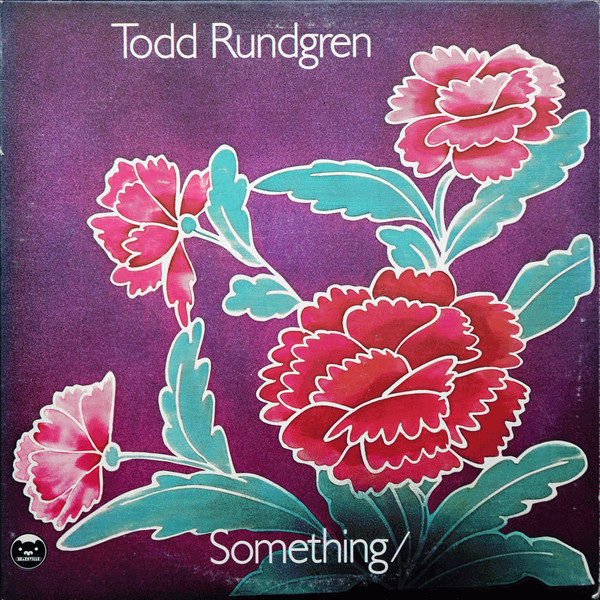
Something / Anything?
1972

Hermit Of Mink Hollow
1978
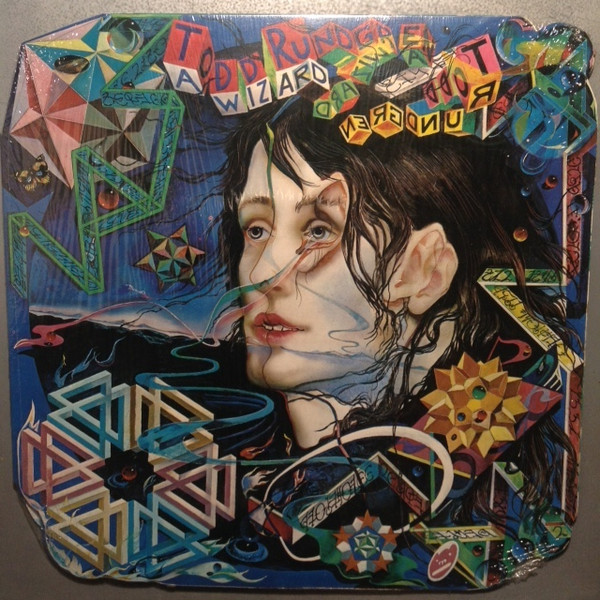
A Wizard, A True Star
1973
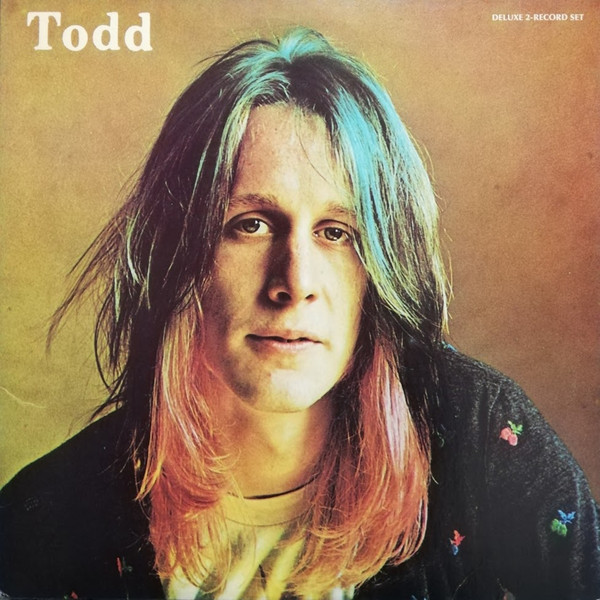
Todd
1974

Faithful
1976
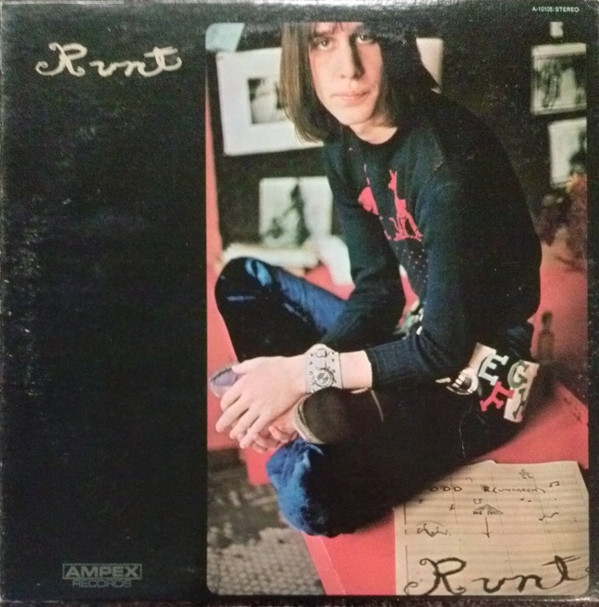
Runt
1970

Healing
1981
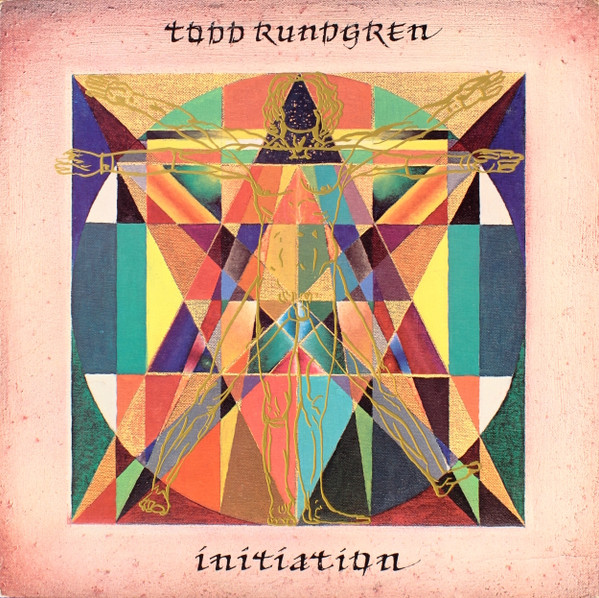
Initiation
1975
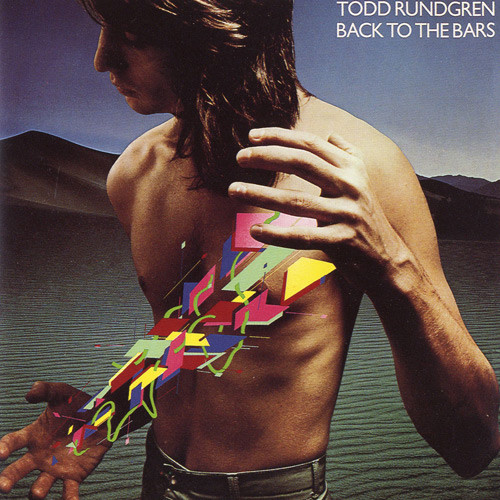
Back To The Bars
1978

The Ever Popular Tortured Artist Effect
1982

Nearly Human
1989

A Cappella
1985
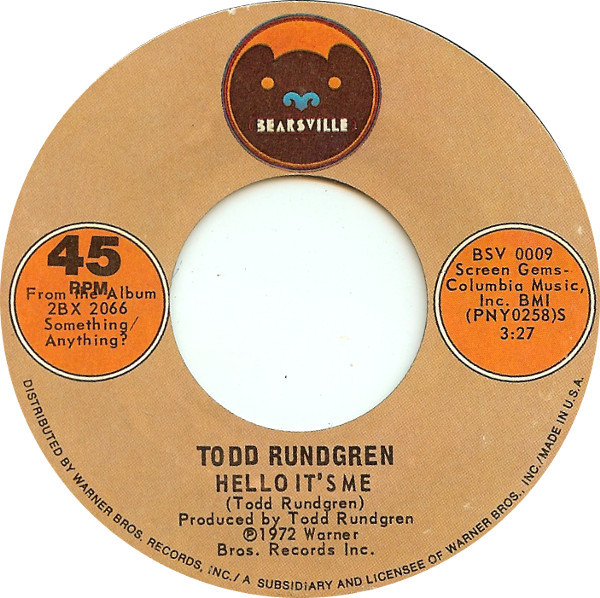
Hello It's Me / Cold Morning Light
1972

The Very Best Of Todd Rundgren
1997

Anthology - (1968 - 1985)
1989

White Knight
2017

I Saw The Light
1972
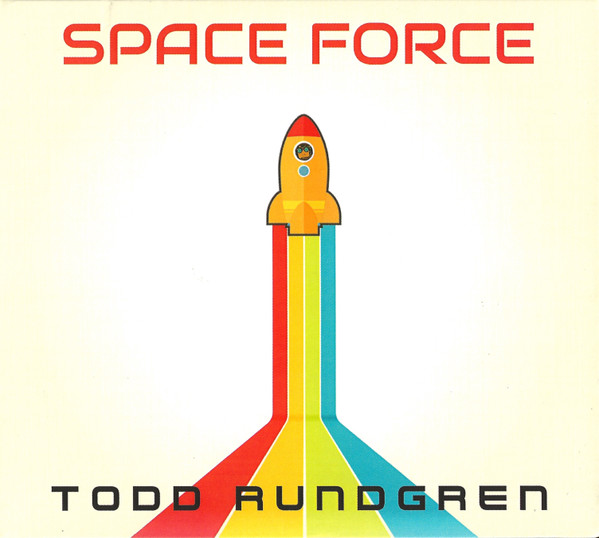
Space Force
2022

Your Fandango
2021

2nd Wind
1991
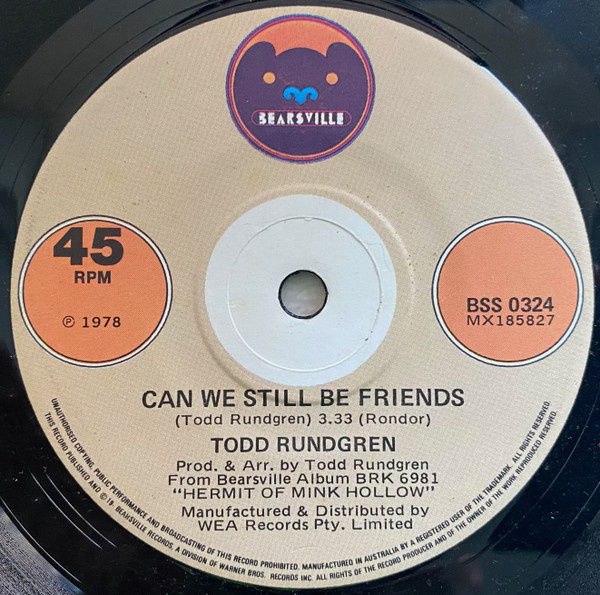
Can We Still Be Friends
1978

Saban Theatre 2016
2026

The Arena Tour Live
2025

The Individualist, A True Star Live
2023
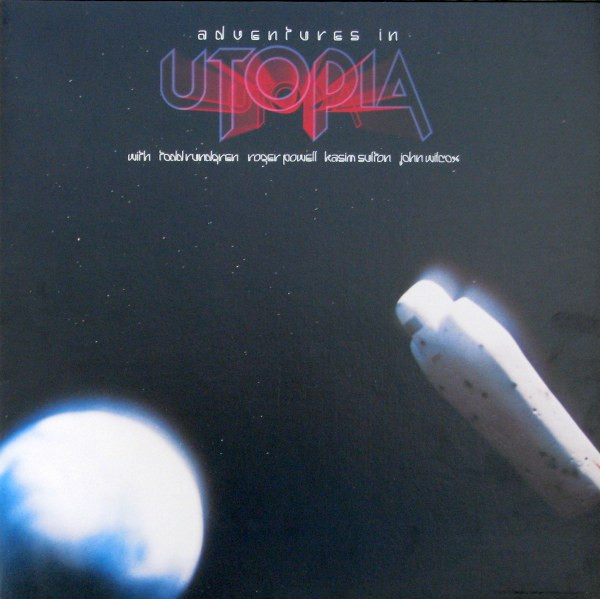
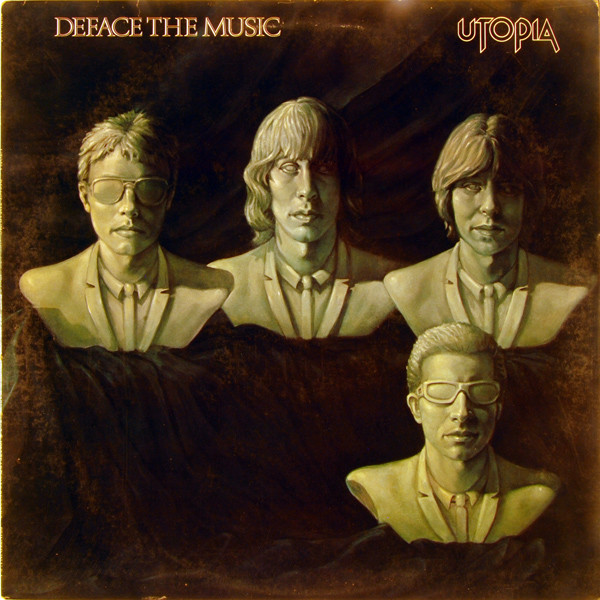
Utopia
A project Todd Rundgren was part of.






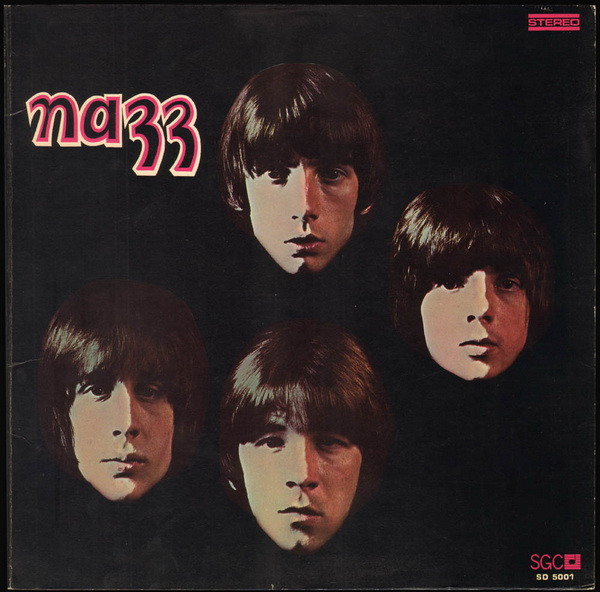
Nazz
A project Todd Rundgren was part of.
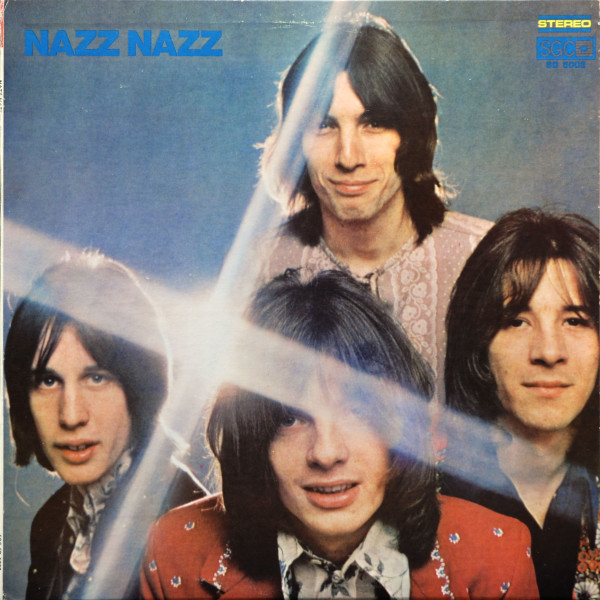


Ringo Starr & His All Starr Band
A project Todd Rundgren was part of.

Live At The Greek Theater 2019
2022

Live At The Greek Theatre 2008
2010
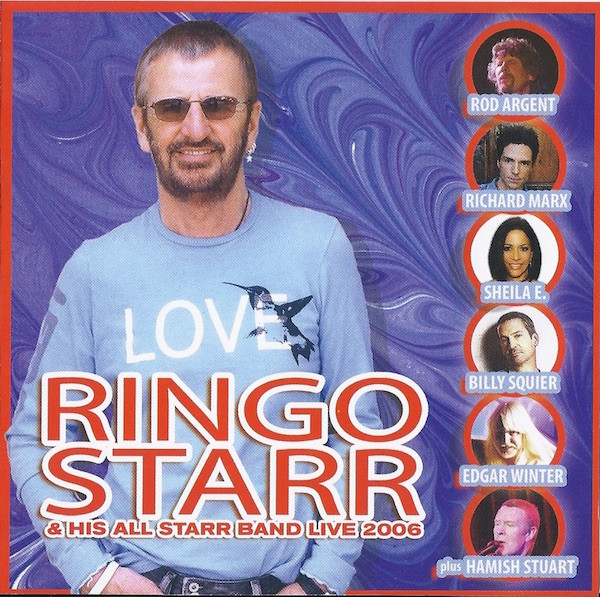
Ringo Starr And His All Starr Band Live 2006
2008

Ringo Starr And His All-Starr Band Tour 2003
2004

The Best Of Ringo Starr And His All Starr Band So Far...
2001
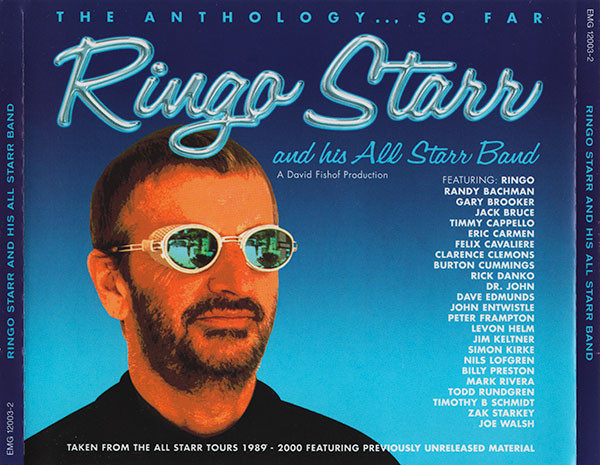
The Anthology... So Far
2000

Ringo Starr And His All Starr Band Volume 2: Live From Montreux
1993

Ringo Starr And His All-Starr Band...
1990
Related artists
Around the web
Follow every record they touch.
Start your shelf and Gatefold tracks Todd Rundgren's new pressings, tour dates, and the whole discography — automatically.
Start your shelf →Free forever. Works with 10 records or 10,000.