
Artist
The Kinks
London, United Kingdom · 1964 – 1996
The Kinks is a music group from London, United Kingdom, active 1964–1996. Their discography on Gatefold includes 24 records.

89
Albums tracked
730
In collections
1964
Since
Biography
Dave Davies sliced the speaker cone of his Elpico amplifier with a razor blade and stuffed it with pins to get that nasty, buzzing distortion on "You Really Got Me." That cheap little green amp, hooked up to a larger Vox AC30, changed how people played the electric guitar forever. Producer Shel Talmy captured that raw, shredded signal in a tiny basement studio on Drury Lane, and the band instantly blew the lid off the British Invasion. It was primitive, angry, and completely detached from the polite pop of their peers. Then the American Musicians' Union slapped them with a four-year touring ban in 1965, cutting them off from the biggest market in the world. Instead of dying on the vine, Ray Davies turned inward, trading American blues riffs for hyper-detailed, music-hall character studies of English eccentrics and dying traditions. It led to some of the greatest songwriting of the century, but it also started a long slide into theatrical self-indulgence that almost killed the band by the mid-seventies. They survived by pivoting to arena-rock in the late seventies, cashing in on the heavy metal crowd that had spent a decade copying Dave's original guitar tone. Ray started singing for the cheap seats, the band signed with Arista, and they finally conquered the American coliseums they were banned from in the sixties. It was loud, commercial, and completely devoid of the pastoral genius of their middle period, but the checks cleared.
Bio from The Clerk
The Arc of The Kinks
The pivots — what forced The Kinks to reinvent.
The Razor-Blade Dawn
Between 1964 and 1965, the band lived and died by Shel Talmy's raw, compressed production style at Pye Studios. Dave Davies's shredded Elpico speaker cabinet created a prototype for heavy metal and garage punk on tracks like "All Day and All of the Night." Nicky Hopkins joined on piano to flesh out the rhythm tracks, giving their primal noise a swinging, professional backbone. You can hear the exact moment the band realized they had a weapon in that distorted guitar tone, riding it until the formula ran dry.
The Pastoral Exile
Stuck in the UK due to the US touring ban, Ray Davies abandoned R&B covers to build a highly specific, nostalgic vision of British life. He started writing on acoustic guitars and harpsichords, hiring session horn players to create a dusty, music-hall atmosphere. This era peaked with The Kinks Are the Village Green Preservation Society, an album that completely ignored the psychedelic summer of love in favor of songs about draft beer, steam trains, and old albums. It sold terribly at the time but became their creative watermark.
The Theatrical Bloat
By 1973, Ray Davies had fully succumbed to his worst theatrical impulses, dragging the band into a series of dense, multi-album rock operas. He hired a permanent brass section, backup singers, and wrote conceptual storylines about corrupt politicians and schoolboy nostalgia that required elaborate stage setups. Albums like Preservation Act 1 and Soap Opera alienated long-time fans and strained the band's relationship with RCA. The music became bloated with exposition, losing the sharp, three-minute pop conciseness that made them great.
The Arena Resurrection
Signing to Clive Davis's Arista Records in 1977 forced the band to drop the horn sections and write direct, stadium-friendly rock. Dave Davies turned his guitar back up, Ray started singing in a theatrical shout designed for US hockey arenas, and the band finally got their American radio hits. On albums like Low Budget, they traded English nostalgia for songs about inflation and disco, matching the slick, compressed production of late-seventies FM rock. It was a complete capitulation to the mainstream, but it turned them into a massive touring draw.
Influences
- Big Bill Broonzy — Ray Davies regularly cited Broonzy as his introduction to folk and acoustic blues storytelling. You can hear this acoustic fingerpicking foundation directly on the intro to 'I'm on an Island' and across the Muswell Hillbillies album. It gave Ray a template for writing about working-class struggle without sounding academic.
- Chuck Berry — The Kinks covered 'Beautiful Delilah' on their 1964 debut album, using it to test their early studio dynamics. Dave Davies took Berry's double-stop guitar intro style and sped it up to create the driving hook of 'All Day and All of the Night.' It is the DNA of their entire early rock-and-roll catalog.
- The Shadows — Before they had a singer, the Davies brothers practiced by playing instrumental tracks by this premier British surf-rock outfit. You can hear Hank Marvin's clean, melodic lead guitar style in Dave's early melodic fills before he started slicing his speaker cones. It taught them how to carry a pop hook using nothing but six strings.
- Lead Belly — The band cut a raw cover of 'Leave My Kitten Alone' during their early sessions, heavily inspired by Lead Belly's direct, driving folk-blues delivery. The stomping, rhythmic pulse of his work shaped the relentless tempo of 'You Really Got Me.' It was the blueprint for their transition from skiffle to heavy rock.
- Lord Kitchener — Ray Davies grew up listening to traditional calypso records imported to London, frequently praising Kitchener's rhythmic storytelling. You can hear this syncopated, narrative style directly on the 1966 single 'I'm Not Like Everybody Else' and the acoustic track 'Monica.' It kept their rhythm section swinging when other British bands were stuck in straight four-four time.
Discography
Their records — most-collected first.
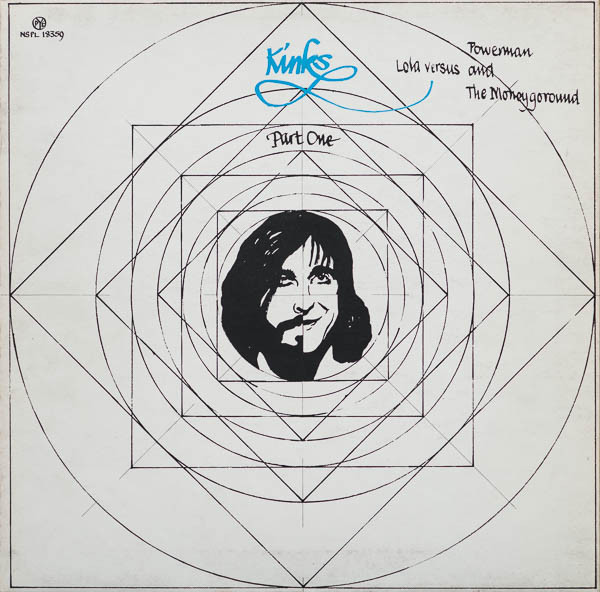
Lola Versus Powerman And The Moneygoround, Part One
1970
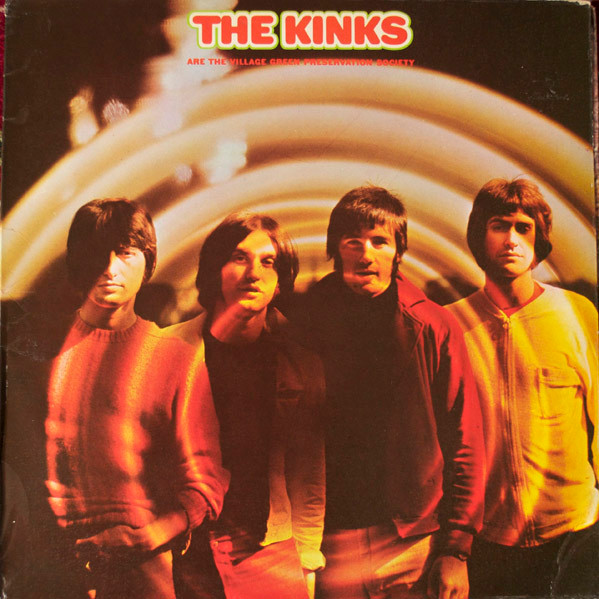
The Kinks Are The Village Green Preservation Society
1968
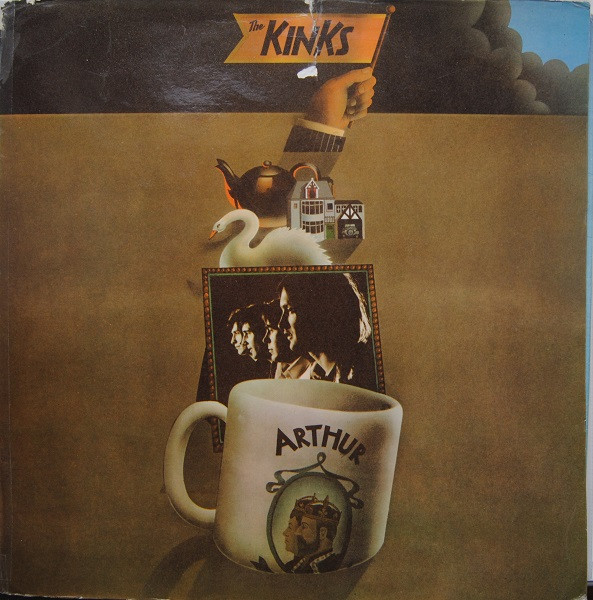
Arthur Or The Decline And Fall Of The British Empire
1969

Muswell Hillbillies
1971
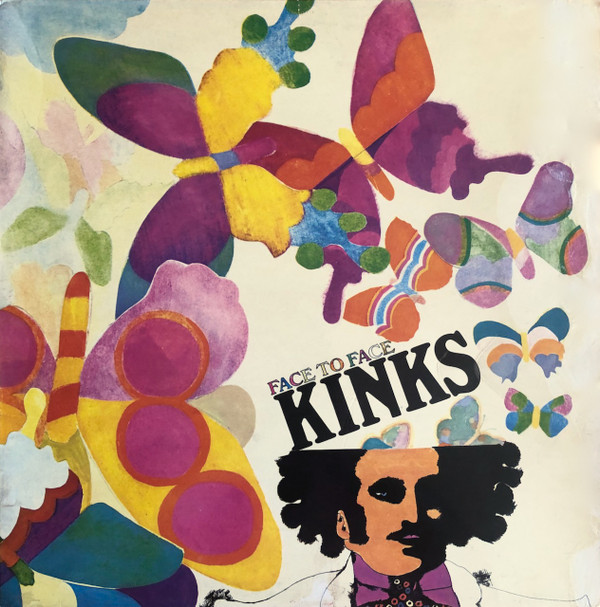
Face To Face
1966
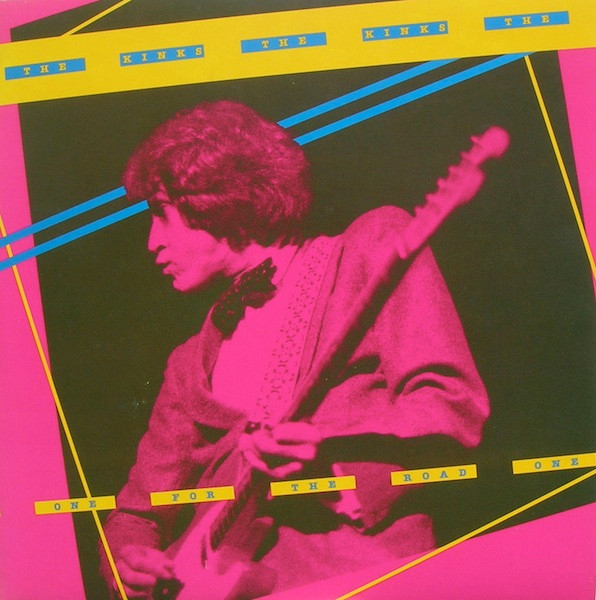
One For The Road
1980
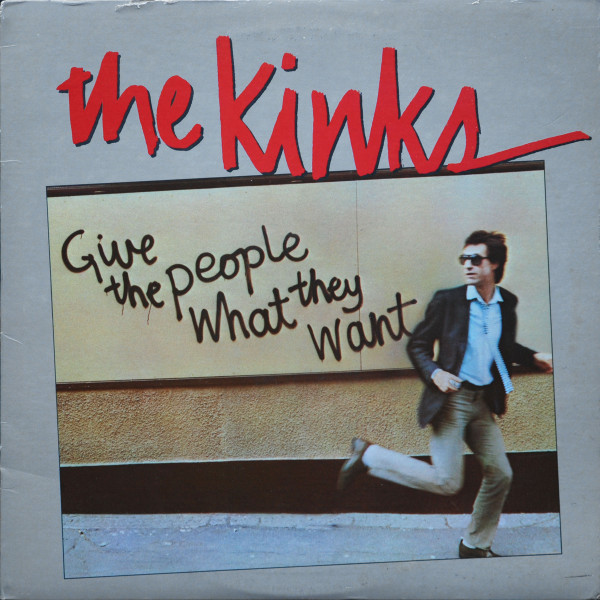
Give The People What They Want
1981
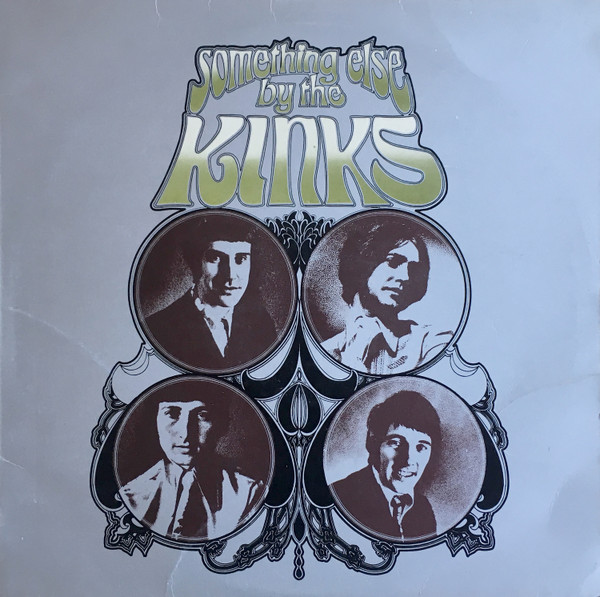
Something Else By The Kinks
1967
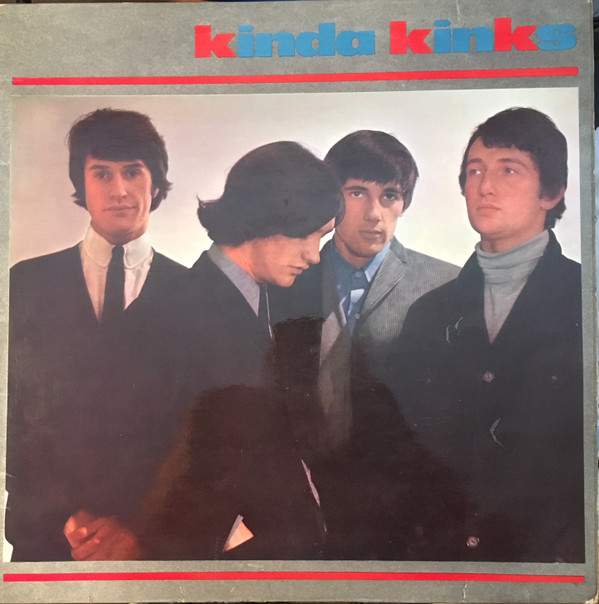
Kinda Kinks
1965
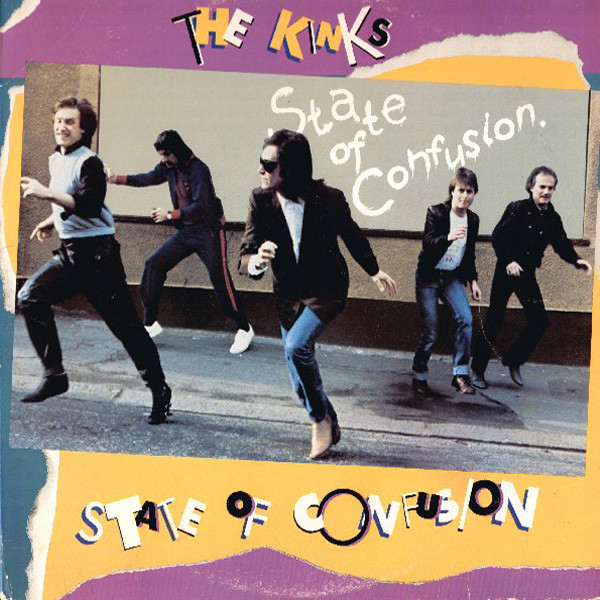
State Of Confusion
1983
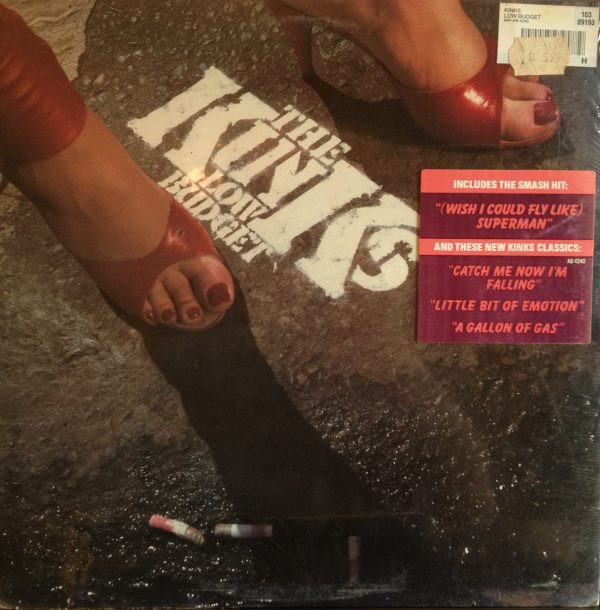
Low Budget
1979

The Kinks Greatest Hits!
1966
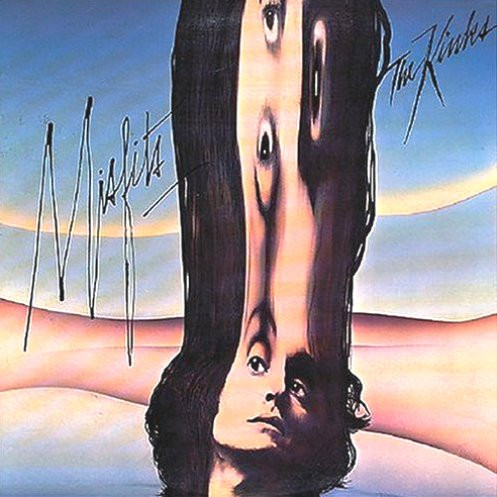
Misfits
1978

Sleepwalker
1977
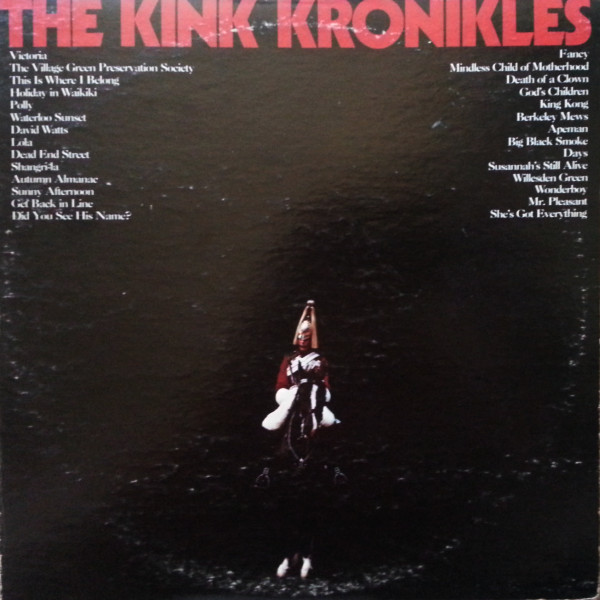
The Kink Kronikles
1972
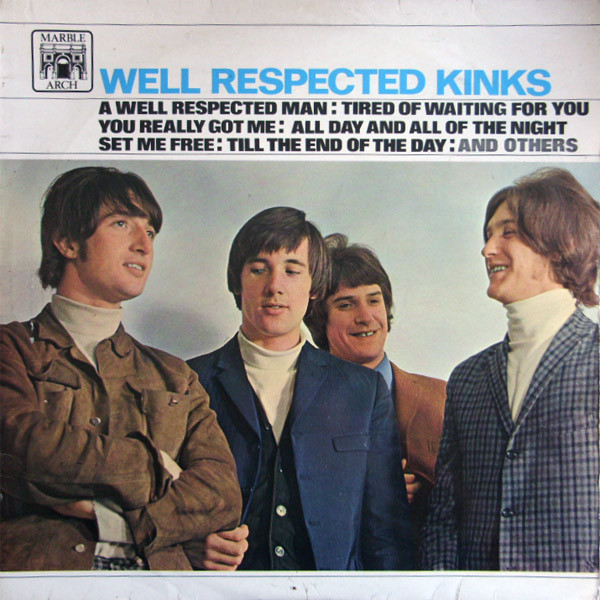
Well Respected Kinks
1966
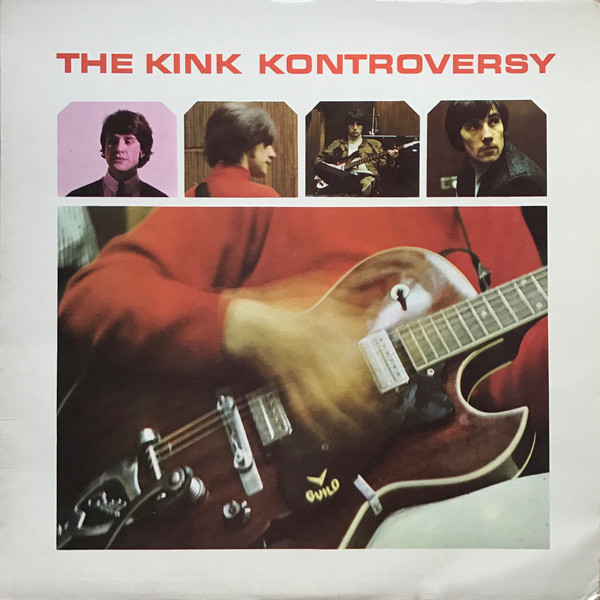
The Kink Kontroversy
1965
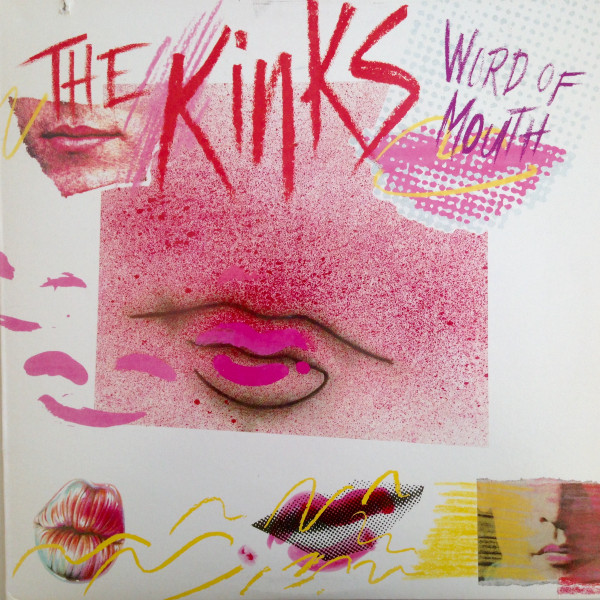
Word Of Mouth
1984

Come Dancing With The Kinks (The Best Of The Kinks 1977-1986)
1986

Everybody's In Show-Biz - Everybody's A Star
1972

Kinks Kinkdom
1965
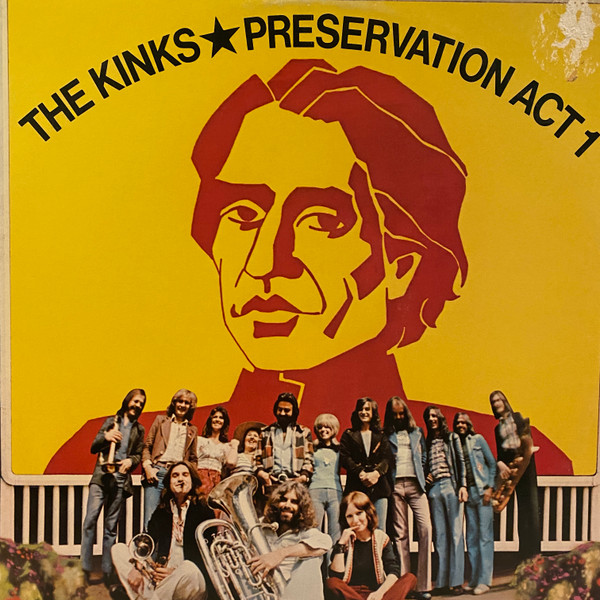
Preservation Act 1
1973

Live At Kelvin Hall
1967

Come Dancing
1982
Related artists
Around the web
Follow every record they touch.
Start your shelf and Gatefold tracks The Kinks's new pressings, tour dates, and the whole discography — automatically.
Start your shelf →Free forever. Works with 10 records or 10,000.