
Artist
Hawkwind
Ladbroke Grove, United Kingdom · Formed 1969
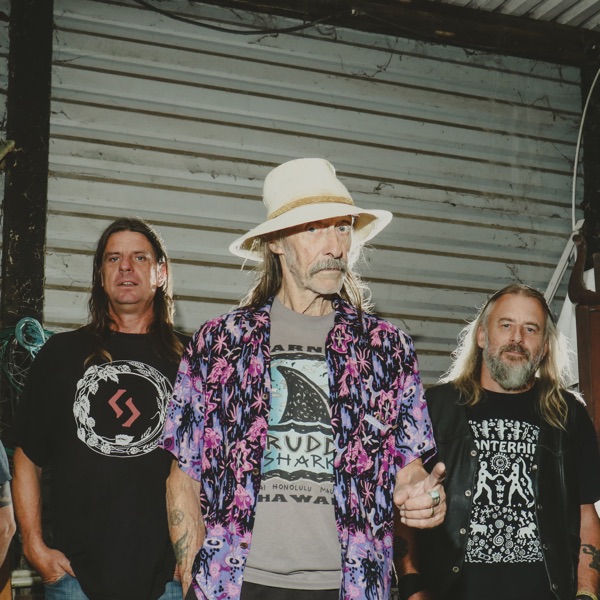
Hawkwind is a music group from Ladbroke Grove, United Kingdom, active since 1969. Their discography on Gatefold includes 24 records.
46
Albums tracked
176
In collections
1969
Since
Biography
They started out as Group X at the Gateforth Street rehearsal rooms with Dave Brock and Mick Slattery busking for enough change to buy gear. It wasn’t about space travel at first. It was about being the loudest, most repetitive street gang in Ladbroke Grove. By the time they hit the Roundhouse, they were using cheap oscillators and a custom-built audio generator to drench the crowd in frequencies that literally made people sick. Most bands from that era were trying to be virtuosos. Hawkwind didn't give a shit. They’d lock into a one-chord chug for twenty minutes while Nik Turner honked like a dying goose and Dik Mik twisted knobs on a VCS3 until the PA smoked. It’s some of the most honest, ugly music ever recorded in the UK. When they finally let Lemmy in, they found the engine they needed to turn those freak-outs into actual songs, though they eventually kicked him out over some pills at the Canadian border. Typical fucking Hawkwind.
Bio from The Clerk
The Arc of Hawkwind
The pivots — what forced Hawkwind to reinvent.
The Space Ritual Years
Between 1971 and 1974, the band evolved from a loose blues-rock collective into a terrifying multimedia assault vehicle. Lemmy’s arrival on bass provided a distorted, rhythmic floor that allowed keyboardist Del Dettmar and synthesizer wizard Dik Mik to paint the walls in pure white noise. This era peaked with the live album Space Ritual, where the band treated the studio recordings as mere blueprints for massive, pummeling improvisations fueled by Robert Calvert’s spoken-word poetry. It is the sound of a band weaponizing volume and strobe lights to detach the audience from reality.
The Calvert and House Pivot
After Lemmy got the boot in '75, the band traded the heavy chug for the art-rock precision of Simon House’s violin and keyboards. Robert Calvert stepped up as the permanent frontman and resident manic genius, steering the band toward more structured, satirical concept records like Quark, Strangeness and Charm. The music became tighter and leaned into a proto-punk energy that felt more like a dystopian cabaret than a hippie jam session. You can hear the shift on records like Astounding Sounds, Amazing Music, where the grit is replaced by sharp, weird melodies and a more theatrical delivery.
The 1980s Metal Shift
The band signed to Bronze Records and leaned hard into the New Wave of British Heavy Metal scene that was exploding around them. Dave Brock recruited ginger-haired shredder Huw Lloyd-Langton back into the fold, resulting in a dual-guitar attack that was far more technical than anything they did in the seventies. This version of the band was more professional and focused on the 'Levitation' sound, which featured Ginger Baker on drums for a brief, volatile stretch. It’s a cleaner, more metallic Hawkwind that kept them alive while their peers were fading into obscurity.
Influences
- The Velvet Underground — Dave Brock has cited White Light/White Heat as a major blueprint for the band's focus on repetitive drones and volume. You hear it in the relentless, one-chord minimalism of 'You Shouldn't Do That.' It’s that same New York junk-shop noise filtered through a London squat.
- Pink Floyd — The early Syd Barrett-led Floyd used the same UFO Club circuit to experiment with lighting and audio textures that Hawkwind eventually mastered. Hawkwind took the psychedelic freak-outs of 'Interstellar Overdrive' and stripped away the whimsical pop elements to make it more aggressive. They were the grimy, working-class version of Floyd’s art-school experiment.
- The Pretty Things — Before the space stuff, the band was rooted in the raw, R&B-based aggression of groups like The Pretty Things. Their 1968 rock opera S.F. Sorrow provided a structural model for Hawkwind’s later concept records. You hear that same jagged, garage-rock DNA in the early self-titled debut.
- Karlheinz Stockhausen — Dik Mik and Del Dettmar weren't just playing synthesizers; they were looking at electronic composition. Stockhausen's work with sine waves and oscillators informed the band's use of 'audio generators' as legitimate lead instruments. It’s why their space-noise sounds like a science lab instead of a guitar solo.
- The Moody Blues — Denny Laine was an early associate of the band members, and their early use of Mellotron and epic structures mirrors the Moodies' transition from R&B to grander scales. Hawkwind just replaced the orchestral prettiness with the sound of a jet engine. They saw that you could build a massive world on a record and then they set that world on fire.
Discography
Their records — most-collected first.
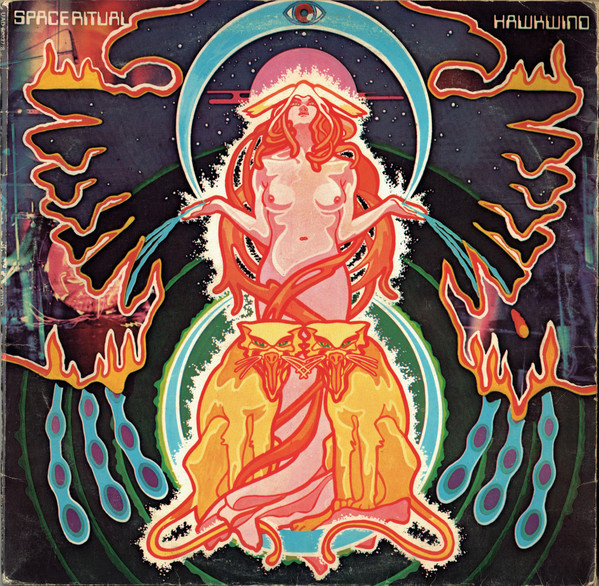
Space Ritual
1973
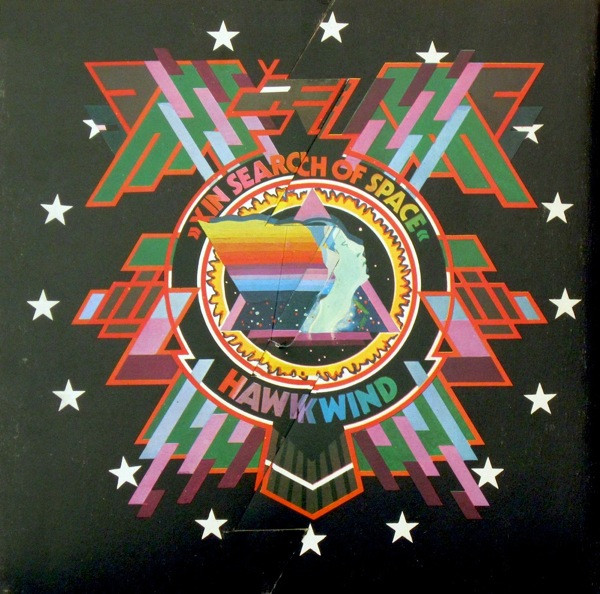
X In Search Of Space
1971
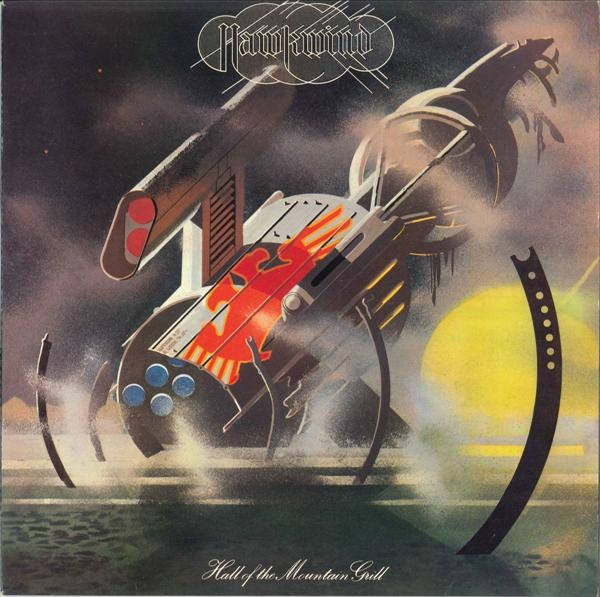
Hall Of The Mountain Grill
1974
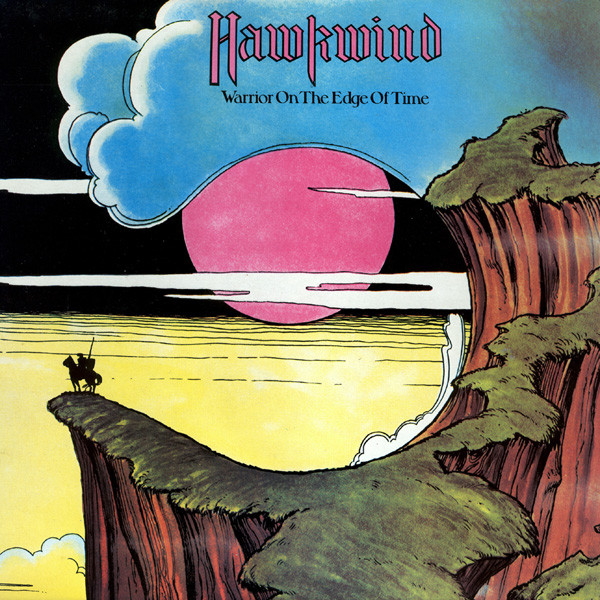
Warrior On The Edge Of Time
1975

Hawkwind
1970
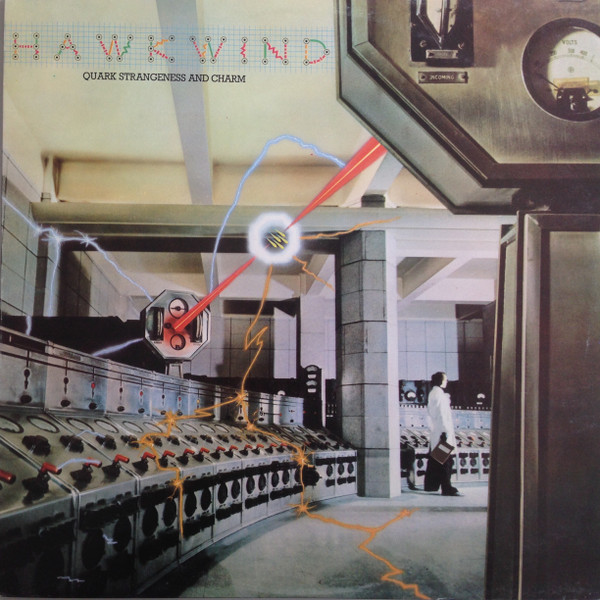
Quark, Strangeness And Charm
1977
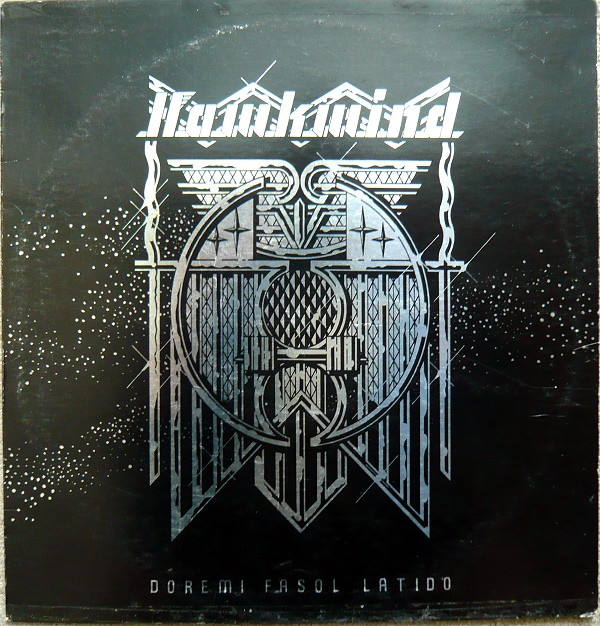
Doremi Fasol Latido
1972

Levitation
1980

Astounding Sounds, Amazing Music
1976
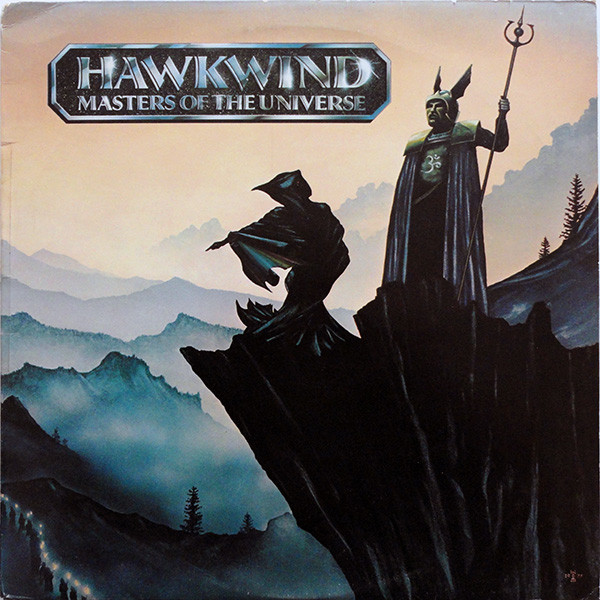
Masters Of The Universe
1977

Roadhawks
1976

Greasy Truckers Party
2021

Space Bandits
1990
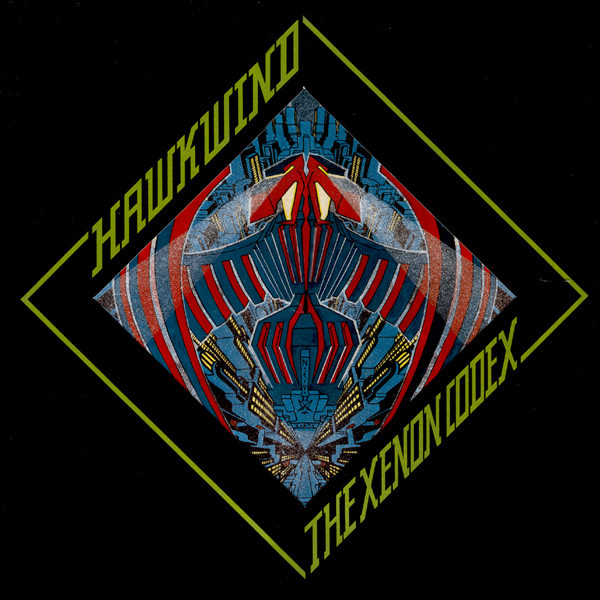
The Xenon Codex
1988
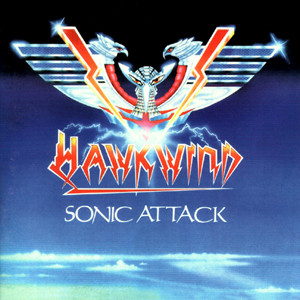
Sonic Attack
1981

Live Seventy Nine
1980

P.X.R.5
1979

25 Years On
1978

Live & Rare (Onward Flies The Bird)
1997

Night Of The Hawk
1989

The Hawkwind Collection
1986

The Text Of Festival - Hawkwind Live 1970-72
1983

Blood Of The Earth
2010

Live '74
2006
Related artists
Around the web
Follow every record they touch.
Start your shelf and Gatefold tracks Hawkwind's new pressings, tour dates, and the whole discography — automatically.
Start your shelf →Free forever. Works with 10 records or 10,000.