

Artist
Grateful Dead
Palo Alto, United States · 1965 – 1995
Grateful Dead is a music group from Palo Alto, United States, active 1965–1995. Their discography on Gatefold includes 24 records.
48
Albums tracked
1,430
In collections
1965
Since
Biography
The early days at 710 Ashbury weren't some hippie dream—they were a bunch of bluegrass nerds and a R&B organist trying to figure out how to play loud through a shitty PA system. Before they were the Dead, they were The Warlocks playing pizza parlors, but the shift happened when Owsley Stanley started bankrolling their gear and turning them into a traveling laboratory for audio fidelity. They weren't just a band; they were an R&D department for live sound, culminating in the Wall of Sound which was basically 75 tons of McIntosh amps and JBL speakers that nearly bankrupted them. They spent the late 70s and 80s as a touring machine that occasionally got trapped in the studio trying to bottle lightning, which usually resulted in overproduced gloss like 'Go to Heaven.' The internal chemistry was a mess of rotating keyboardists and heavy habits, but they kept the lights on because the live tapes were the real currency. By the time 'Touch of Grey' hit MTV, the scene exploded with a bunch of tourists who didn't know a 'Dark Star' from a 'Sugar Magnolia,' and the band became a victim of its own scale until Garcia’s body finally gave out in '95.
Bio from The Clerk
The Arc of Grateful Dead
The pivots — what forced Grateful Dead to reinvent.
The Prankster Acid Tests
Between 1965 and 1966, the band functioned as the house orchestra for Ken Kesey’s Acid Tests, playing through chaotic, ungrounded electronics while everyone in the room was peaking. This environment forced them to abandon traditional song structures in favor of collective improvisation because no one could remember the bridge of a song anyway. You hear this on 'The Live/Dead' tapes, where Pigpen’s gritty R&B roots provide the only anchor for Garcia’s increasingly modal explorations. It was a baptism by fire that turned a bar band into an experimental collective.
The Acoustic Retreat
After the sprawling, expensive studio experimentation of 'Aoxomoxoa' left them deep in debt to Warner Bros., the band retreated to acoustic guitars and tight vocal harmonies in 1970. Working in Pacific High Recording with a newfound focus on Robert Hunter’s Americana lyrics, they produced 'Workingman’s Dead' and 'American Beauty' back-to-back. The heavy psychedelic fuzz was swapped for Crosby, Stills & Nash-style stacks and pedal steel licks. It was the moment they traded the cosmic for the terrestrial and became the architects of what people now call Americana.
The Post-Hiatus Jazz Fusion
Following a touring hiatus in 1975, the band returned with 'Blues for Allah,' a record that ditched the country-rock porch vibes for intricate, odd-meter time signatures and sophisticated jazz voicings. Bill Kreutzmann and Mickey Hart began playing as a dual-drumming unit again, creating a polyrhythmic dense thicket that redefined their live sound for the rest of the decade. The influence of Miles Davis’s fusion era is all over the title track’s dissonant scales. This pivot solidified the 'Space' and 'Drums' segments of their shows as permanent fixtures rather than occasional detours.
Influences
- Chuck Berry — The band covered 'Johnny B. Goode' and 'Around and Around' hundreds of times throughout their career. Bob Weir’s rhythm playing is essentially a mutated, jazzier version of Berry's double-stop guitar riffs. It’s the rock and roll engine that kept their longest jams from drifting into total abstraction.
- The Stanley Brothers — Jerry Garcia started as a banjo obsessive in the early 60s bluegrass scene, specifically citing the Stanleys as a vocal and instrumental blueprint. You hear those high-lonesome harmonies and flatpicking patterns all over 'Uncle John's Band.' It gave the Dead a traditional folk backbone that most of their psychedelic peers lacked.
- John Coltrane — Garcia frequently cited 'My Favorite Things' as the template for how to improvise over a static modal center. The massive, thirty-minute versions of 'Dark Star' are essentially the band trying to apply Coltrane’s sheets-of-sound approach to a rock quintet. They weren't just playing rock; they were trying to achieve the same spiritual crescendo as 'A Love Supreme.'
- Muddy Waters — Original frontman Ron 'Pigpen' McKernan was a blues purist who modeled his entire stage persona and harmonica style on Chess Records greats like Waters. His insistence on covering 'I'm a King Bee' kept the band's early psychedelic flights grounded in Chicago dirt. Without that grit, they would have been another lightweight pop-psych act from the Haight.
- Merle Haggard — The band covered 'Mama Tried' and 'The Sing Me Back Home' as staples of their live sets for decades. Haggard’s Bakersfield sound provided the blueprint for their shift toward country-rock in the early 70s. You can hear the influence in the telecaster twang and the hard-luck storytelling of their 'Workingman's Dead' era.
Discography
Their records — most-collected first.
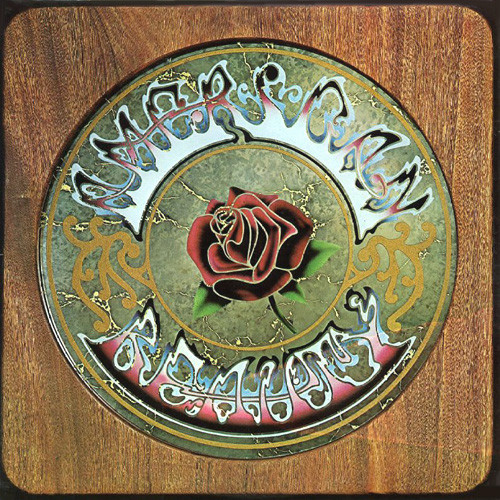
American Beauty
1970
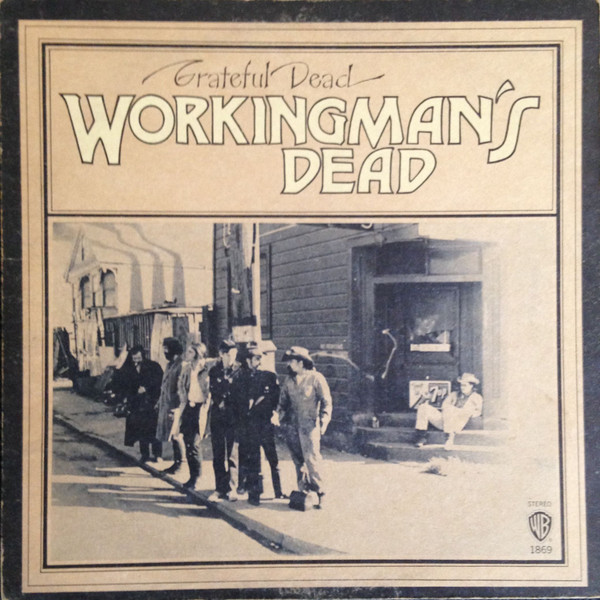
Workingman's Dead
1970
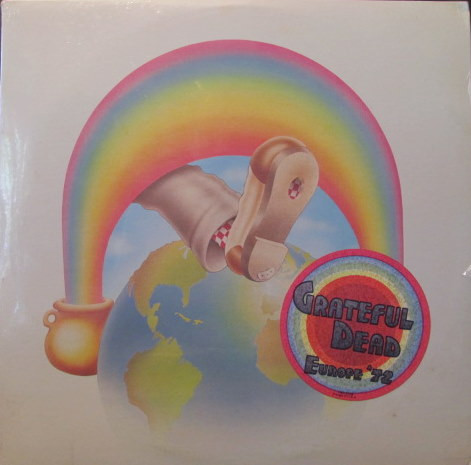
Europe '72
1972
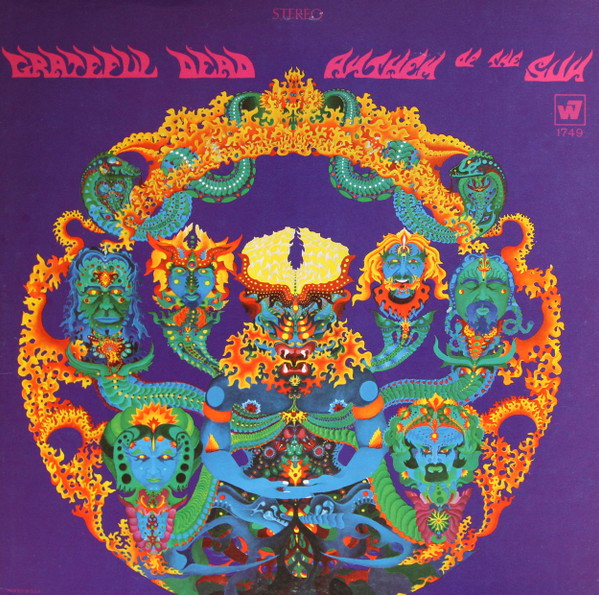
Anthem Of The Sun
1968

From The Mars Hotel
1974
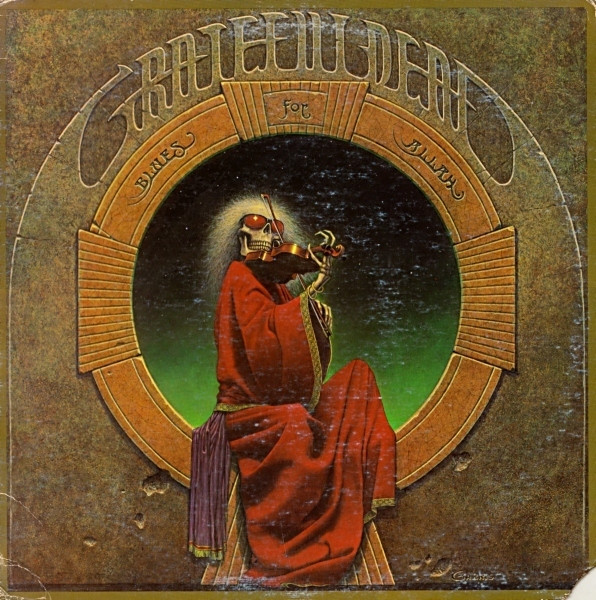
Blues For Allah
1975
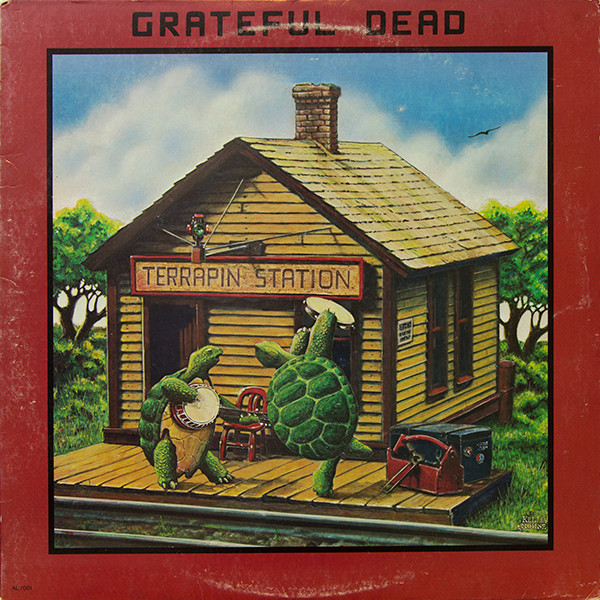
Terrapin Station
1977
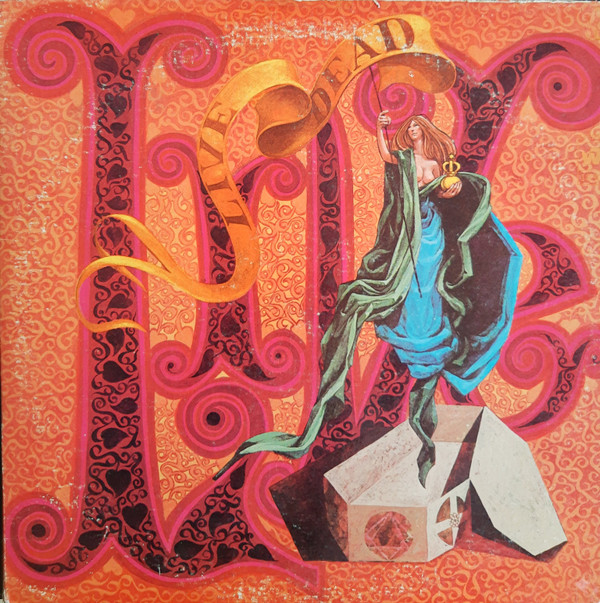
Live/Dead
1969
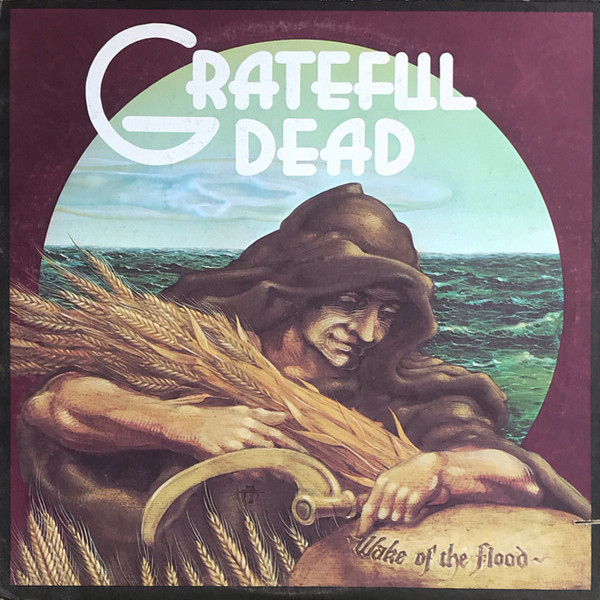
Wake Of The Flood
1973
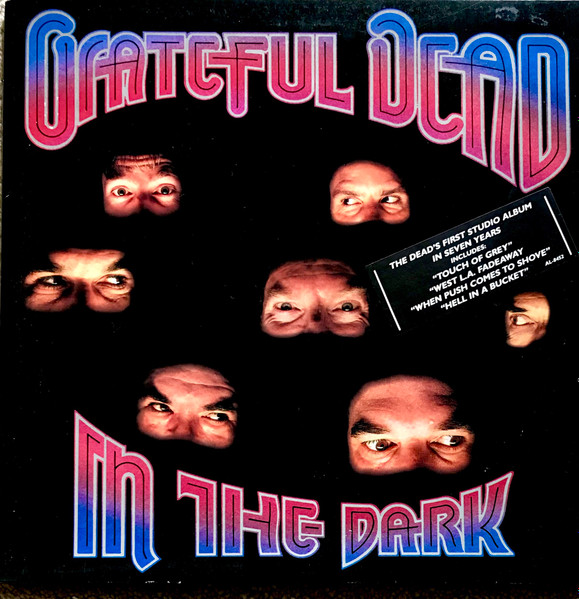
In The Dark
1987
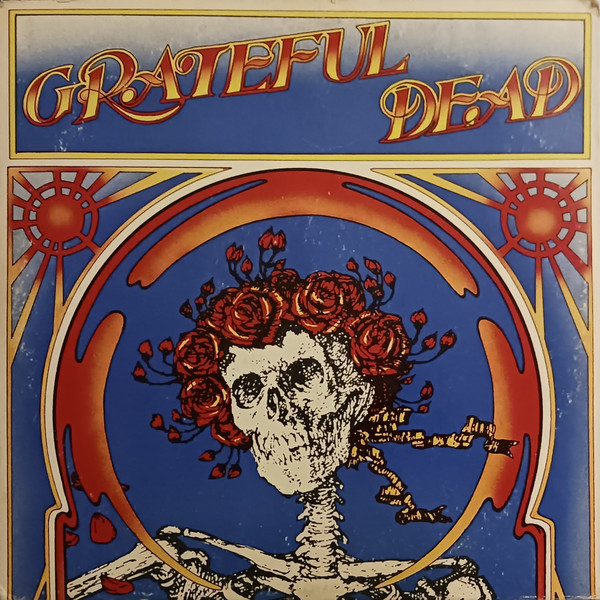
Grateful Dead
1971
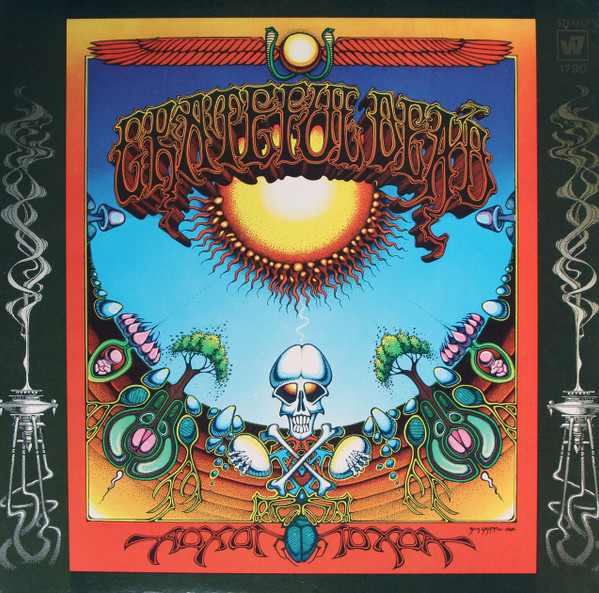
Aoxomoxoa
1969
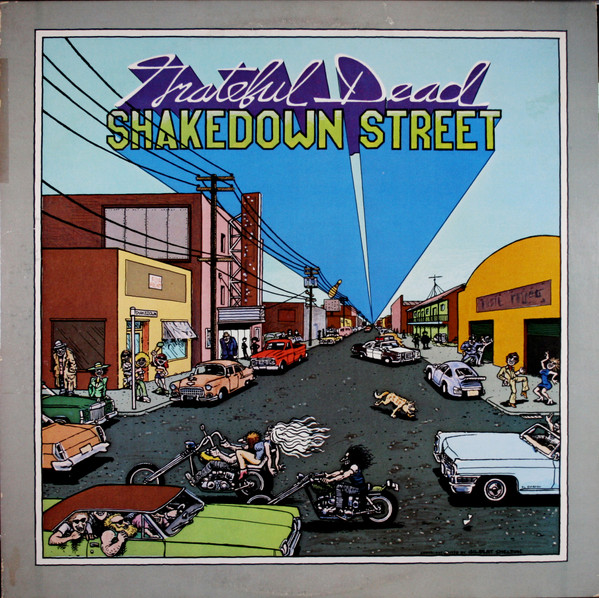
Shakedown Street
1978
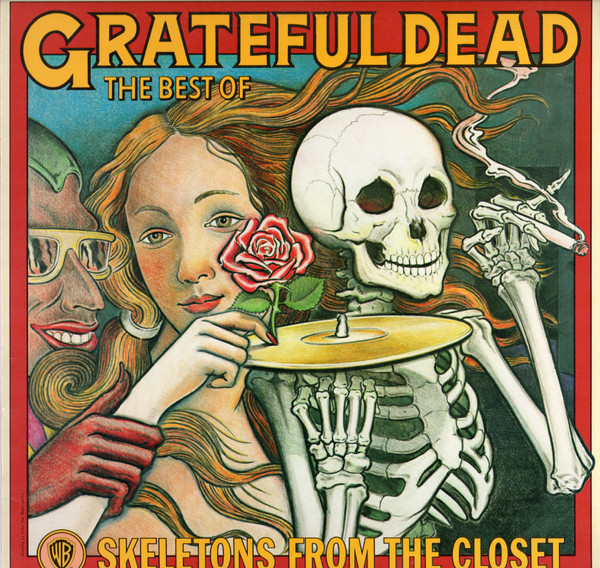
The Best Of The Grateful Dead: Skeletons From The Closet
1974

Reckoning
1981
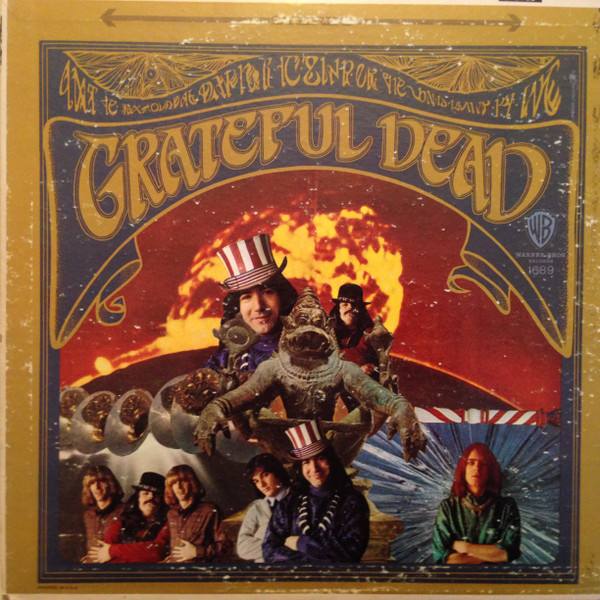
The Grateful Dead
1967

Go To Heaven
1980
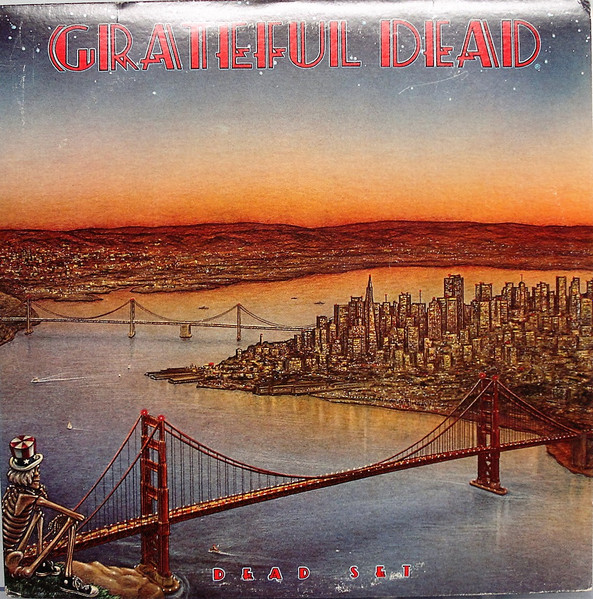
Dead Set
1981

Built To Last
1989
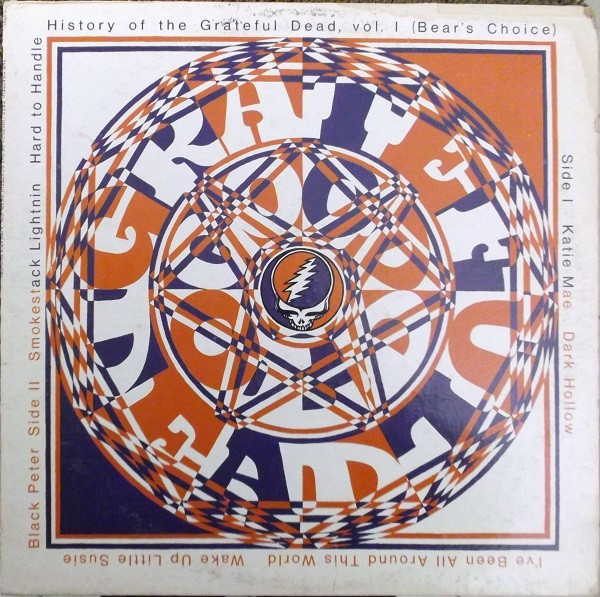
History Of The Grateful Dead, Vol. 1 (Bear's Choice)
1973

Without A Net
1990
What A Long Strange Trip It's Been (The Best Of The Grateful Dead)
1977
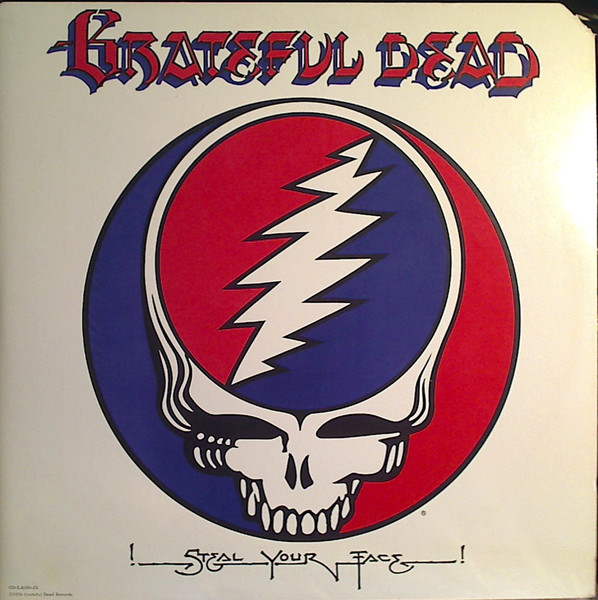
Steal Your Face
1976

Cornell 5.8.77
2017
Related artists
Around the web
Follow every record they touch.
Start your shelf and Gatefold tracks Grateful Dead's new pressings, tour dates, and the whole discography — automatically.
Start your shelf →Free forever. Works with 10 records or 10,000.