
Artist
Terry Callier
Chicago, United States · 1945 – 2012
Terry Callier is a musician from Chicago, United States, active 1945–2012. Their discography on Gatefold includes 21 records.

21
Albums tracked
43
In collections
1945
Since
Biography
Samuel Charters took Terry Callier into a Chicago studio in 1964, set up two microphones, and cut an entire folk record with two acoustic bass players and no drums. Prestige sat on the master tapes for four years before dumping it into the cut-out bins without promotion. Most guys would have quit on the spot, but Callier went back to playing North Side coffeehouses, building a hybrid style that ignored every marketing category in the business. He got signed to Cadet in the early seventies, where Charles Stepney and Richard Evans surrounded his fingerpicked acoustic guitar with sweeping orchestral strings, wah-wah pedals, and free-jazz brass. It was unmatched, sprawling Chicago soul, but it sold virtually nothing because radio programmers had no idea where to file an eight-minute meditation on race and heartbreak. By 1983, Callier walked away entirely, learned computer programming, and took a desk job at the University of Chicago to raise his daughter. Then the Acid Jazz scene in London started bootlegging old Cadet 45s in the nineties, turning a forgotten Chicago programmer into a hero across the Atlantic. When Eddie Piller and Gilles Peterson tracked him down, he flew over to find rooms full of kids screaming the lyrics to songs he hadn't played in twenty years. He spent his final two decades making records on his own terms and collaborating with Massive Attack and Beth Orton, finally getting paid for the genius he handed out for free in 1972.
Bio from The Clerk
The Arc of Terry Callier
The pivots — what forced Terry Callier to reinvent.
The Cadet Trilogy
Producer Charles Stepney pulled Callier into Chess Studios in 1972 to construct a sound that fused traditional acoustic folk with heavy orchestral soul. Backed by the Rotary Connection rhythm section and Richard Evans's arrangements, records like 'What Color Is Love' ignored standard three-minute pop song structures in favor of sprawling, cinematic suites. The arrangements layered harp, fuzz guitar, and brass over Callier’s voice. It was a creative peak that yielded zero radio hits and tanked commercially.
The Elektra Sellout Push
Desperate for commercial traction after Cadet folded, Callier signed to Elektra in the late seventies to chase mainstream R&B and disco airplay. Producers like Richard Evans and Don Mizell glossed up the mix with slick funk grooves, synthesized brass, and backing vocal groups on albums like 'Fire on Ice'. Callier's voice remained intact, but the intimacy of his acoustic guitar was buried under radio-ready production. When the records still failed to crack the charts, Elektra dropped him, prompting him to quit music entirely for a day job in IT.
The UK Acid Jazz Resurrection
British crate-diggers and DJs rediscovered Callier's Cadet singles in the late eighties, bootlegging tracks like 'I Don't Want to See Myself (Without You)' for packed London dance floors. Acid Jazz Records founder Eddie Piller tracked Callier down at his university office job and convinced him to fly to the UK for club dates. Callier stepped on stage to thousands of rabid fans, quit his day job, and cut 1998's 'TimePeace' with veteran UK jazz players. The pivot reestablished him as an elder statesman, leading straight into collaborations with Massive Attack and Paul Weller.
Influences
- John Coltrane — Callier spent his late teens sneaking into Chicago's Sutherland Lounge to watch Coltrane's classic quartet play marathon sets. You can hear that modal, spiritual intensity in the open guitar tunings and sprawling ten-minute runtime of 'Dancing Girl'. Coltrane gave him permission to treat folk music as a launchpad for extended improvisation.
- Curtis Mayfield — Callier grew up singing in the same Chicago housing project doo-wop groups with Mayfield, Major Lance, and Jerry Butler. That shared lineage informs the delicate falsetto runs and socially conscious lyricism all over Callier's seventies work. Mayfield proved that street-level Chicago reality could be delivered with church-honed sweetness.
- Josh White — Callier openly credited White's folk-blues records for teaching him how to use an acoustic guitar as a dynamic, dramatic instrument rather than just a strummed backing track. You hear White's thumb-picked basslines and sharp attack driving tracks like 'Cotton Eyed Joe' on his debut. It was the blueprint for how Callier attacked the instrument on stage.
- Billie Holiday — Holiday was Callier's benchmark for vocal phrasing and emotional restraint, a fact he cited in numerous UK interviews after his comeback. He borrowed her technique of singing behind the beat, letting words stretch across bar lines on ballads like 'You Goin' Miss Your Candyman'. It gave his songs an aching, conversational intimacy.
- Odetta — Odetta's commanding fusion of spirituals, blues, and traditional folk in the late fifties was the spark that led Callier away from straight doo-wop into the folk club circuit. You hear her vocal gravitas and acoustic authority in the stark two-bass setup of 'The New Folk Sound of Terry Callier'. She proved a Black artist could completely own the American folk canon.
Discography
Their records — most-collected first.
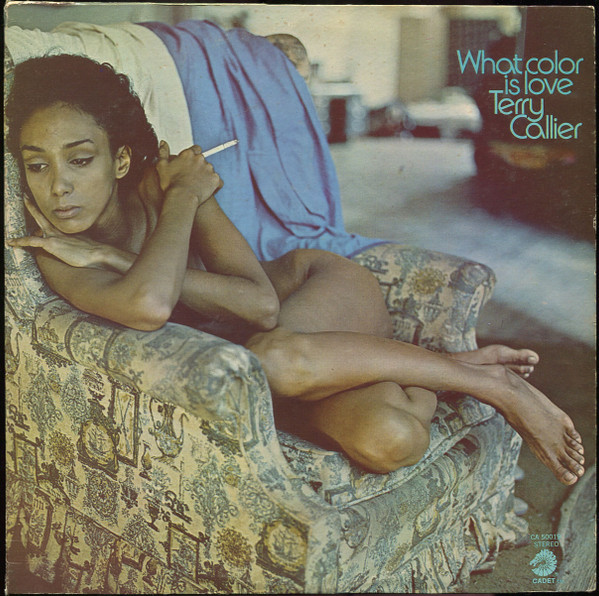
What Color Is Love
1972

The New Folk Sound Of Terry Callier
1966

Fire On Ice
1978
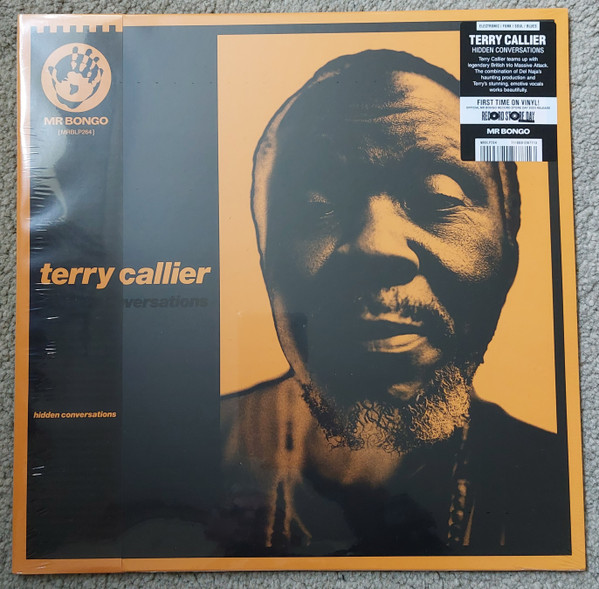
Hidden Conversations
2009

Speak Your Peace
2002

TimePeace
1998

Love Theme From Spartacus
1998
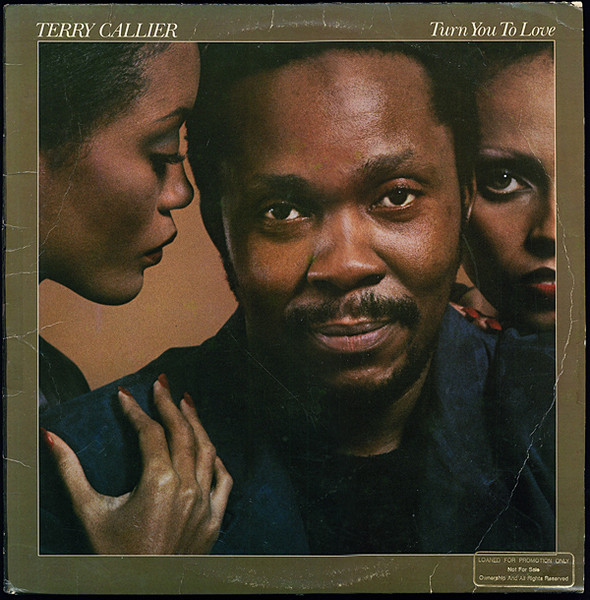
Turn You To Love
1979

At The Earl Of Old Town
2026
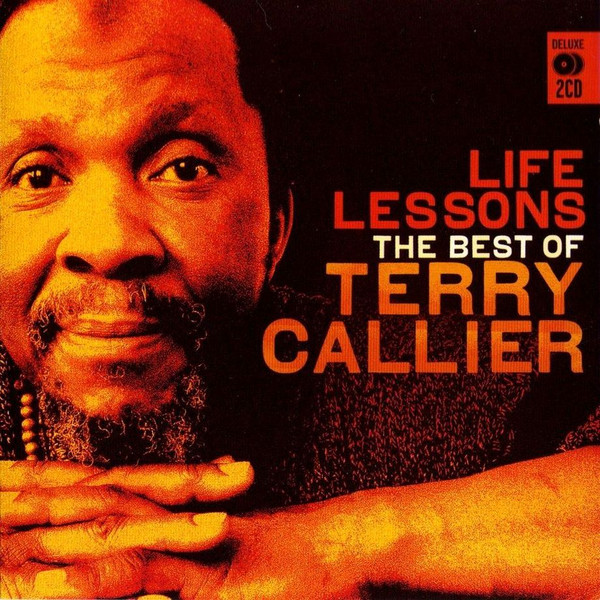
Life Lessons (The Best Of Terry Callier)
2006

Lookin' Out
2004
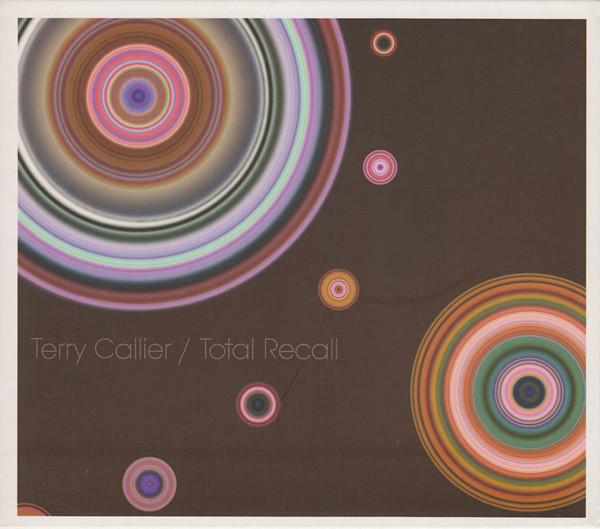
Total Recall
2003
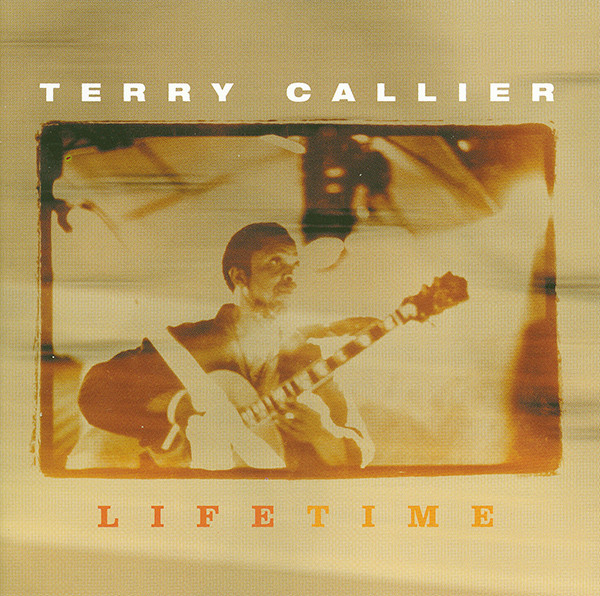
Lifetime
1999

Essential, The Very Best Of...

Welcome Home
2008
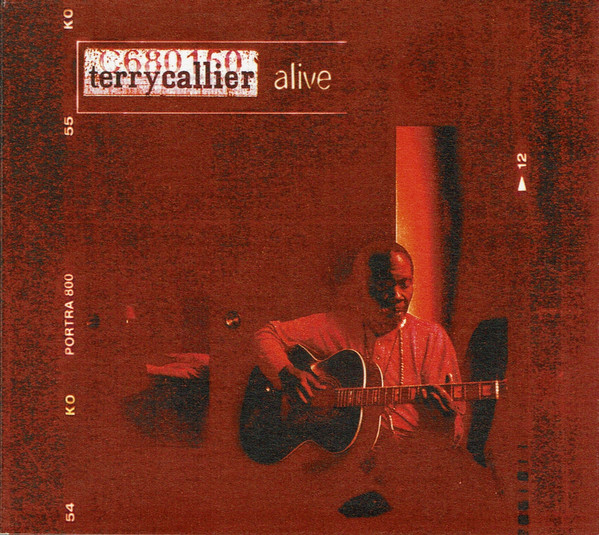
Alive
2001

First Light: Chicago 1969-71
1998
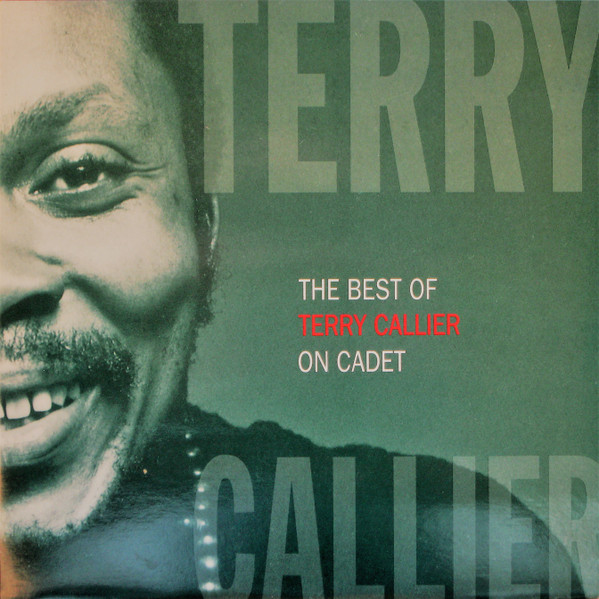
The Best Of Terry Callier On Cadet
1992
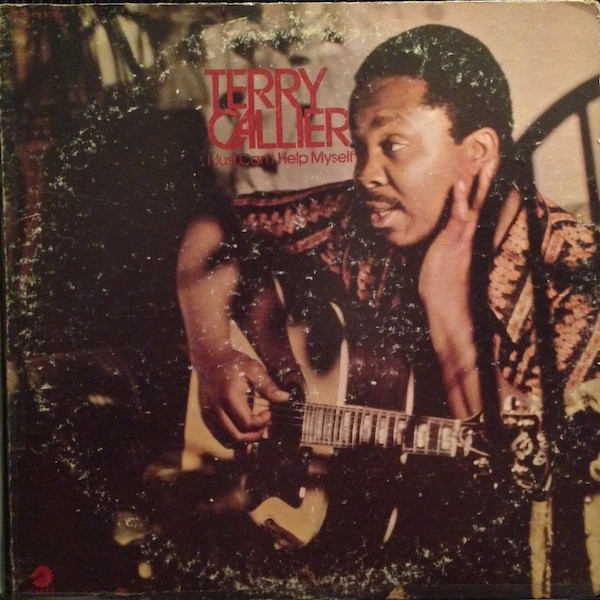
I Just Can't Help Myself
1973

Occasional Rain
1972
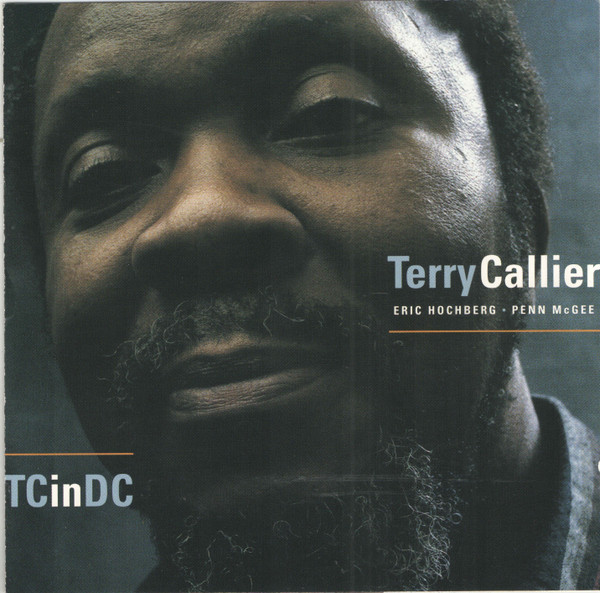
TC In DC
Related artists
Frequent collaborators
Around the web
Follow every record they touch.
Start your shelf and Gatefold tracks Terry Callier's new pressings, tour dates, and the whole discography — automatically.
Start your shelf →Free forever. Works with 10 records or 10,000.