
Artist
Terence Trent D’Arby
now known as Sananda Maitreya
New York City, United States · b. 1962
Terence Trent D’Arby is a musician from New York City, United States, active since 1962. Their discography on Gatefold includes 12 records.

12
Albums tracked
77
In collections
1962
Since
Biography
Martyn Ware brought in Fairlight programming and clean digital polish at Trident Studios in London to frame a kid with an unbelievable four-octave belt. The kid immediately told the British music press his 1987 debut was the best record since Sgt. Pepper. He was arrogant as hell, but the pipes actually backed it up. He was Sam Cooke colliding with Prince over razor-sharp late-eighties R&B production. The industry practically handed him the crown on a silver platter. Then he blew up the entire pop machine on purpose. Instead of delivering Hardline Part Two, he delivered an uncommercial, sprawling psychedelic mess that pissed off Columbia and baffled the radio program directors. The American market walked away overnight. He didn't give a damn, kept pivoting, and eventually shed the name entirely to record as Sananda Maitreya. A pure case of an artist who chose complete creative autonomy over being an obedient stadium superstar.
Bio from The Clerk
The Arc of Terence Trent D’Arby
The pivots — what forced Terence Trent D’Arby to reinvent.
The Arrogant Megastar
Martyn Ware from Heaven 17 stepped behind the board at Trident Studios to give raw soul vocal takes an ultra-slick pop spine. The result was 1987's Introducing the Hardline, propelled by massive singles like 'Wishing Well' and 'Sign Your Name.' It sold millions, swept Europe, and earned him a Grammy right out of the gate. You hear a guy swinging for the fences, convinced he was the new king of pop.
Blowing Up The Empire
Terrified of being boxed into an MTV-ready pop-soul formula, he took total creative control for 1989's Neither Fish Nor Flesh. He packed the sessions with sitars, gospel interludes, and raw funk freakouts that left CBS executives in absolute despair. The record completely stiffed commercially in the States. It was commercial suicide, but it established his refusal to play the label game.
The Rock & Soul Reconstruction
Moving to Los Angeles, he regrouped with 1993's Symphony or Damn and 1995's Vibrator, ditching the overthought psych tangents for harder rock riffs and tight soul grooves. Tracks like 'She Kissed Me' and the Des'ree duet 'Delicate' proved his songwriting instincts were sharp as ever. It performed well in the UK, even if American radio had already moved on to grunge and hip-hop. The vocal control across those two records is pure technical mastery.
The Sananda Maitreya Rebirth
After a brief live stint fronting INXS following Michael Hutchence's death, he killed off the Terence Trent D'Arby moniker entirely. Reborn as Sananda Maitreya, he released 2001's Wildcard and moved his base of operations to Milan. He went completely independent, self-releasing massive conceptual records directly to his fanbase online. It was the final exit from the corporate label machinery that tried to tame him in 1987.
Influences
- Sam Cooke — Cooke's vocal rasp and soaring phrasing are the direct DNA of D'Arby's singing. You hear it most clearly in his cover of 'A Change Is Gonna Come' cut right into his early live sets. The entire vocal delivery on 'Sign Your Name' is Cooke filtered through late-eighties pop.
- Prince — Prince provided the template for a multi-instrumentalist R&B auteur who demanded total creative control. D'Arby's LinnDrum programming, falsetto shrieks, and guitar-heavy arrangements on 'Dance Little Sister' pull directly from the Minneapolis sound. He took Prince's brazen arrogance and ran with it.
- Stevie Wonder — D'Arby heavily cited Wonder's classic seventies run as his gold standard for complete album authorship. You hear the chord voicings and complex harmonic arrangements on 'Neither Fish Nor Flesh' aiming straight for Innervisions territory. It informed his obsession with playing multiple instruments across his tracking sessions.
- James Brown — The dynamic vocal grunts and relentless live footwork were lifted straight from the Godfather of Soul. Tracks like 'If You Let Me Stay' use the hard-hitting vocal punctuation and rhythmic syncopation Brown perfected in the sixties. It gave his synth-pop tracks a raw, physical funk foundation.
- Sly and the Family Stone — Sly Stone showed how to fuse psychedelic rock with street funk, a blend that shaped D'Arby's entire aesthetic. The fuzz bass and dense arrangements on 'She Kissed Me' trace back to Stand! and There's a Riot Goin' On. He inherited Stone's impulse to disrupt straight soul radio with rock grit.
Discography
Their records — most-collected first.
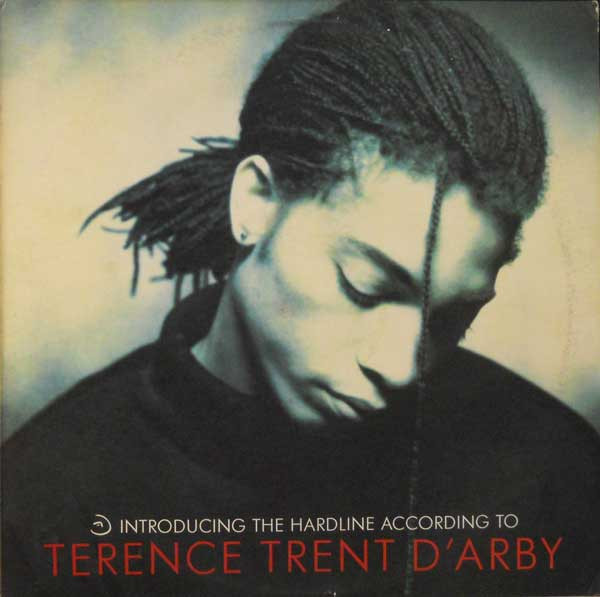
Introducing The Hardline According To Terence Trent D'Arby
1987

Terence Trent D'Arby's Neither Fish Nor Flesh: A Soundtrack Of Love, Faith, Hope, And Destruction
1989

Wishing Well
1987

Do You Love Me Like You Say?
1993
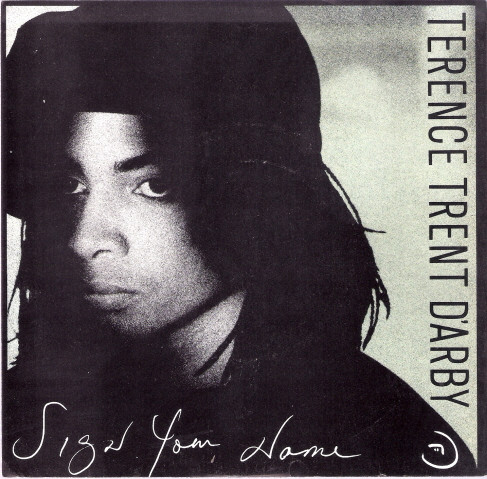
Sign Your Name
1987

Dance Little Sister
1987
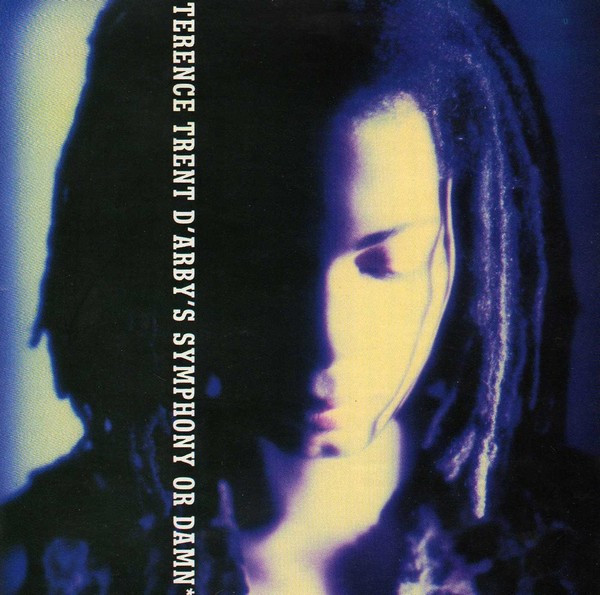
Terence Trent D'Arby's Symphony Or Damn (Exploring The Tension Inside The Sweetness)
1993

This Side Of Love
1989

Do You Love Me Like You Say (The Very Best Of Terence Trent D'Arby)
2006

Terence Trent D'Arby's Greatest Hits
2002

Terence Trent D'Arby's - Sananda Maitreya's Wildcard
2001

Terence Trent D'Arby's Vibrator*
1995
Related artists
Bands & projects
Around the web
Follow every record they touch.
Start your shelf and Gatefold tracks Terence Trent D’Arby's new pressings, tour dates, and the whole discography — automatically.
Start your shelf →Free forever. Works with 10 records or 10,000.