
Artist
St. Vincent
USA guitarist, singer and songwriter Annie Clark
Tulsa, United States · b. 1982
St. Vincent is a musician from Tulsa, United States, active since 1982. Their discography on Gatefold includes 12 records. They also recorded with The Polyphonic Spree.

24
Albums tracked
278
In collections
1982
Since
Biography
Annie Clark spent her early twenties as a hired gun, schlepping a guitar for The Polyphonic Spree and Glenn Branca’s guitar orchestra before she ever stepped into the spotlight. That pedigree matters because it explains why she approaches the instrument like a structural engineer rather than a bluesman. She didn't just emerge as a solo act; she escaped the collective to build a jagged, precision-engineered world where the fuzz pedal is a surgical tool. There was a moment around 2017 when the high-concept fashion and the Jack Antonoff production polish almost swallowed the songs whole. It felt like the persona was doing the heavy lifting while the guitar work took a backseat to synth-pop aesthetics. But then she pivots, grabs the 1970s electric sitar vibes, or goes back to the industrial grit of her early gear, and you remember she’s one of the only modern players with a signature sound that doesn't rely on nostalgia. She’s a goddamn technician who happens to write hooks.
Bio from The Clerk
The Arc of St. Vincent
The pivots — what forced St. Vincent to reinvent.
The Chamber-Pop Architecture
After leaving the choral chaos of The Polyphonic Spree, Clark landed on 4AD to release Marry Me and Actor, records defined by their orchestral claustrophobia. She was obsessed with Disney film scores and Woody Allen soundtracks, using woodwinds and strings to mask the fact that her lyrics were getting increasingly dark. You can hear her fighting the arrangements, planting landmines of distorted guitar inside lush, cinematic compositions that sounded like a fever dream in a mid-century theater.
The Brass-Bound Collaboration
Everything shifted when she linked up with David Byrne for Love This Giant, a project built almost entirely around a massive brass section. Byrne’s rigid, rhythmic requirements forced Clark to rethink her melodic phrasing and her stage presence, moving away from the mic stand into choreographed, robotic movements. This wasn't just a side project; it was the blueprint for the hyper-stylized, high-concept visual identity that would define her self-titled era and beyond.
The Industrial Reset
By the time she hit All Born Screaming, the neon art-pop of the late 2010s was dead and buried in favor of a self-produced, analog brutality. She brought in Dave Grohl to drum on tracks like Broken Man because she needed a specific, heavy-handed velocity that programmed beats couldn't touch. The record feels like a return to the messy, high-gain stakes of her live shows, stripping away the celebrity sheen for something that sounds like it was tracked in a basement with the amps melting.
Influences
- David Bowie — Clark has cited the 'Berlin Trilogy' as a primary text for how to cycle through personas without losing the core songwriting. You hear it in the way she uses synthesizers as cold, textural backdrops against her expressive vocal leads. She even mirrored his Thin White Duke era during her tour for the self-titled record.
- Robert Fripp — The angular, non-linear guitar lines on Marry Me are straight out of the King Crimson playbook. She grew up obsessed with his precision and his use of effects to make a guitar sound like anything but a guitar. The stuttering, mathematical solos in her live sets are pure Frippertronics.
- Kate Bush — Clark has frequently pointed to The Dreaming as a record that gave her permission to be weird and demanding in the studio. The layered, often dissonant vocal arrangements on Strange Mercy reflect Bush’s influence of using the voice as a rhythmic instrument. It’s about the control of the studio as much as the performance.
- Talking Heads — The influence is documented through her full-album collaboration with David Byrne, but it started much earlier with her fixation on polyrhythms. You hear the Remain in Light jitteriness in her funkier tracks like Digital Witness. She took their 'stop making sense' ethos and applied it to the 21st-century digital anxiety.
- Jimi Hendrix — She told Guitar World that Hendrix was the reason she picked up the instrument, but she looked at his use of the studio as much as his fingers. You hear the DNA in her heavy use of the wah pedal and fuzz, particularly in how she creates 'sheets of sound' during her noisier crescendos. It’s about the manipulation of electricity as an art form.
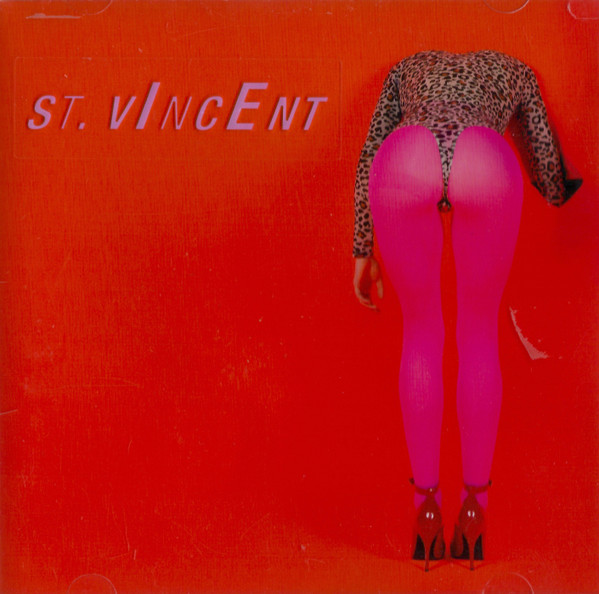
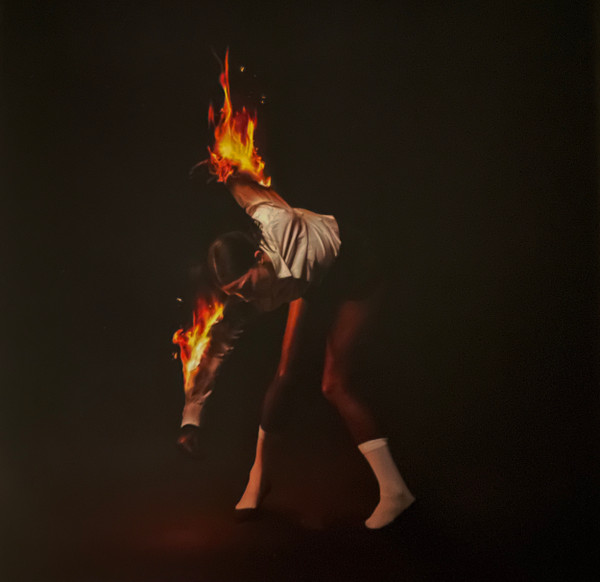
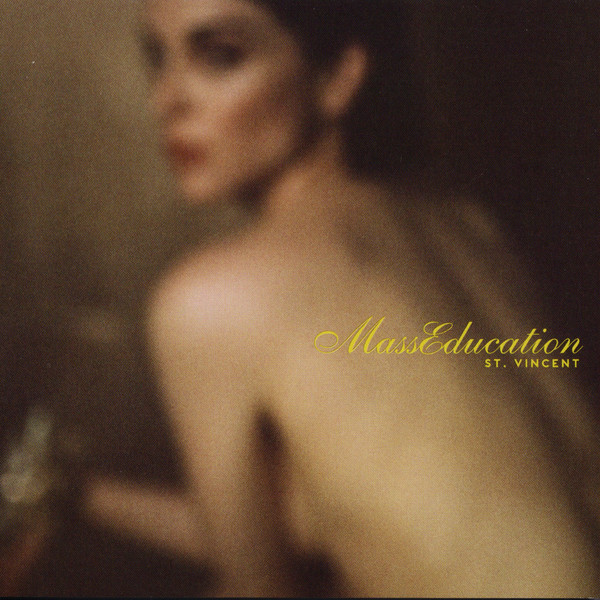
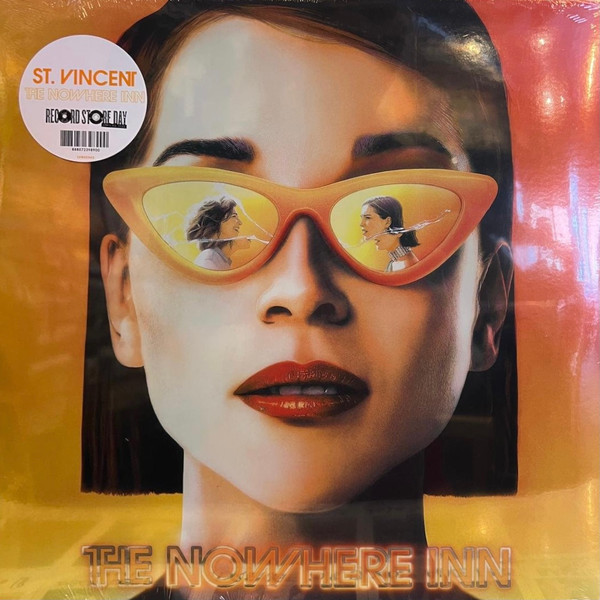
St. Vincent — solo
Their records — most-collected first.







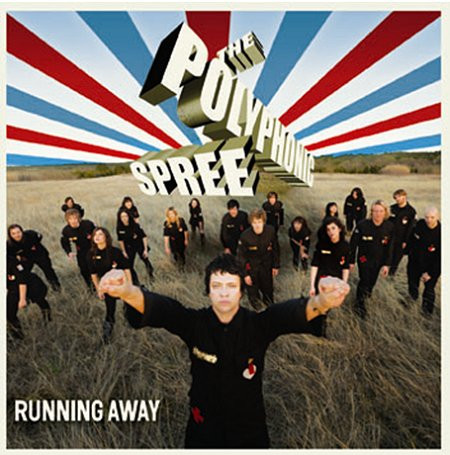
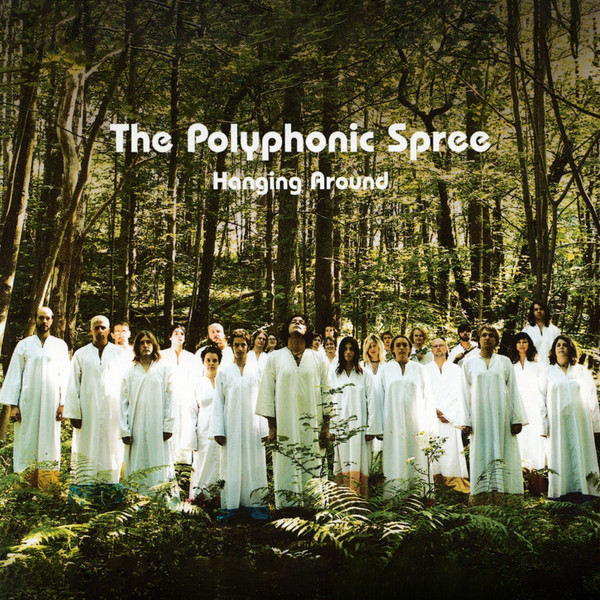
The Polyphonic Spree
A project St. Vincent was part of.




Related artists
Frequent collaborators
Around the web
Follow every record they touch.
Start your shelf and Gatefold tracks St. Vincent's new pressings, tour dates, and the whole discography — automatically.
Start your shelf →Free forever. Works with 10 records or 10,000.