
Artist
Sade
London, United Kingdom
Sade is a music group from London, United Kingdom. Their discography on Gatefold includes 24 records.

29
Albums tracked
544
In collections
—
Since
Biography
Robin Millar had to track Diamond Life at London's Power Plant on a razor-thin budget using leftover tape. Most people think Sade is just one singer with an immaculate cheekbone structure, but it has always been a four-piece democratic unit: Sade Adu, Stuart Matthewman on sax and guitar, Paul Denman on bass, and Andrew Hale on keys. Millar knew the magic was in the empty air between the instruments. Denman's round flatwound bass and Matthewman's dry rhythm strumming created a pocket so wide Adu barely had to raise her voice above a stage whisper to command the room. While the rest of the eighties chased cocaine-fueled gated reverbs and Fairlight synth stabs, this band stayed criminally analog and patient. By the time they hit the nineties, they bought their own studio gear and moved to Miraval, stripping the arrangements down even further into icy drum loops and deep sub-bass. They take eight to ten years between records because they refuse the celebrity hamster wheel, emerging only when they have ten songs without an ounce of filler.
Bio from The Clerk
The Arc of Sade
The pivots — what forced Sade to reinvent.
Sophisti-Pop Breakthrough
Splintering off from North London Latin-funk outfit Pride, the band signed to Epic and cut Diamond Life and Promise under producer Robin Millar. They rejected eighties synth sheen for live acoustic instrumentation, dry vocal booths, and jazz-inflected chord voicings. The sound dominated world radio precisely because it refused to shout over the bombast of the decade.
The Miraval Sub-Bass Shift
Tired of commercial pressures and label interference, the band took complete control of self-production for Stronger Than Pride and Love Deluxe, recording out of Studio Miraval in the south of France. They pivoted away from clean jazz-pop into slow-motion hip-hop breakbeats, dub-heavy basslines, and stripped-down Roland drum machine loops. Tracks like 'No Ordinary Love' showed a darker, rhythmically heavier outfit operating entirely on their own terms.
Acoustic Lovers Rock & The Long Hiatuses
After an eight-year silence, the band regrouped in 2000 to deliver Lovers Rock, stripping away the signature saxophone and building songs around bare acoustic guitars and Jamaican roots reggae cadences. It kicked off their modern operational mode: surface every decade with a platinum record like Soldier of Love, tour arenas with untouchable precision, and disappear back into total privacy. They proved you do not need an active media presence to keep an audience utterly devoted.
Influences
- Billie Holiday — Adu constantly cited Holiday's behind-the-beat phrasing and restrained vocal delivery as her primary vocal model. You hear it in how Adu refuses vocal gymnastics, choosing conversational storytelling and precise dynamic control instead. She sings pain with Holiday's quiet dignity rather than modern melismatic runs.
- Curtis Mayfield — Mayfield's lush, socially conscious Chicago soul arrangements heavily guided Stuart Matthewman's rhythmic guitar phrasing and Andrew Hale's warm keyboard voicings. You can trace the chord structures and mellow political undercurrents on tracks like 'Pearls' and 'Clean Heart' directly back to Mayfield's early solo records.
- Astrud Gilberto — Gilberto's cool, unforced bossa nova delivery provided the template for Adu's signature deadpan intimacy. That dry, close-mic vocal style on 'Your Love Is King' lifts straight from Gilberto's breezy cadence with Stan Getz. It is the absolute antithesis of standard belting.
- Timmy Thomas — Sade tracked a direct cover of Thomas's 1972 anti-war soul cut 'Why Can't We Live Together' on Diamond Life. Thomas's primitive organ-and-drum-machine blueprint informed the band's lifelong obsession with hypnotic, sparse rhythmic beds.
- King Tubby — Paul Denman's bass style and the band's studio production rely heavily on the space, delay, and low-end discipline of 1970s Jamaican dub masters like Tubby. The massive, cavernous sub-bass on Love Deluxe and Lovers Rock owes everything to sound system culture.
Discography
Their records — most-collected first.
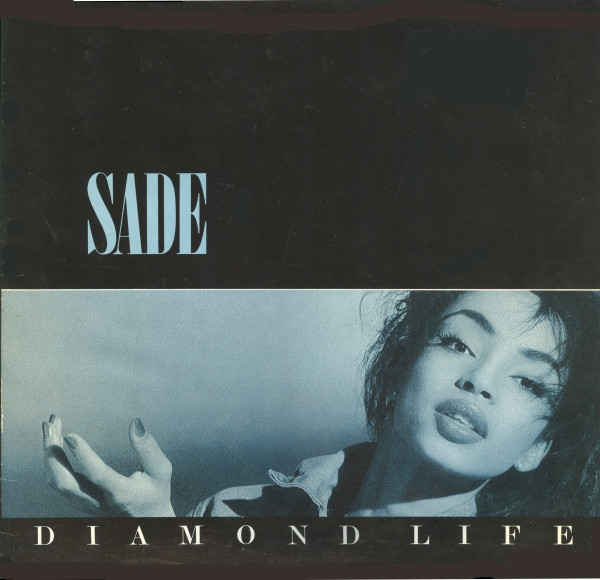
Diamond Life
1984
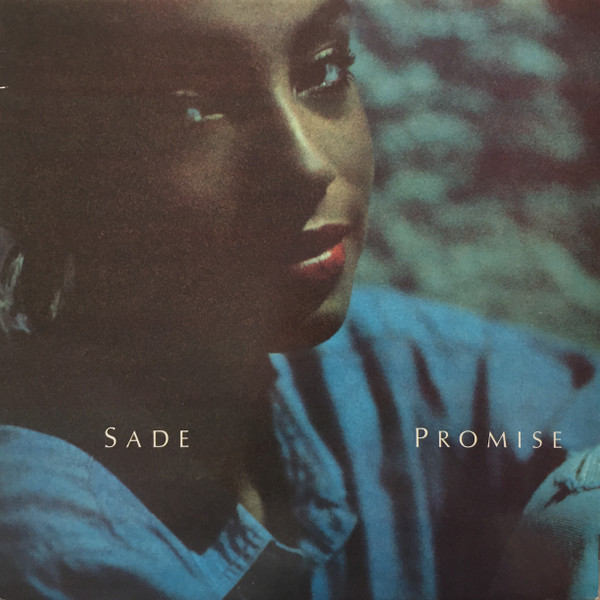
Promise
1985
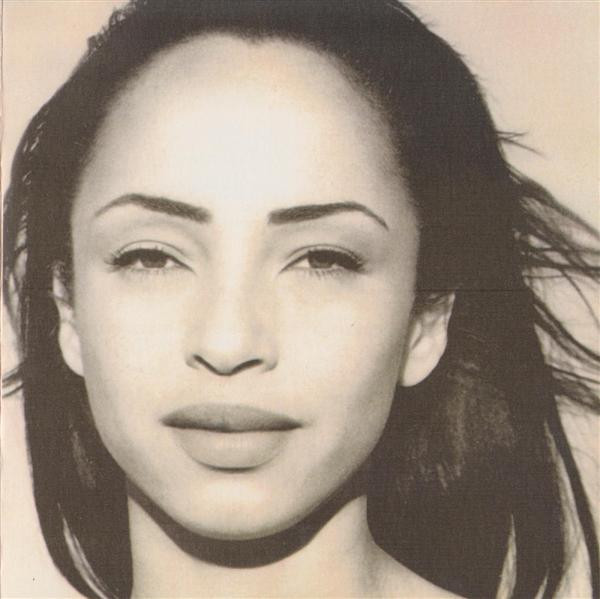
The Best Of Sade
1994
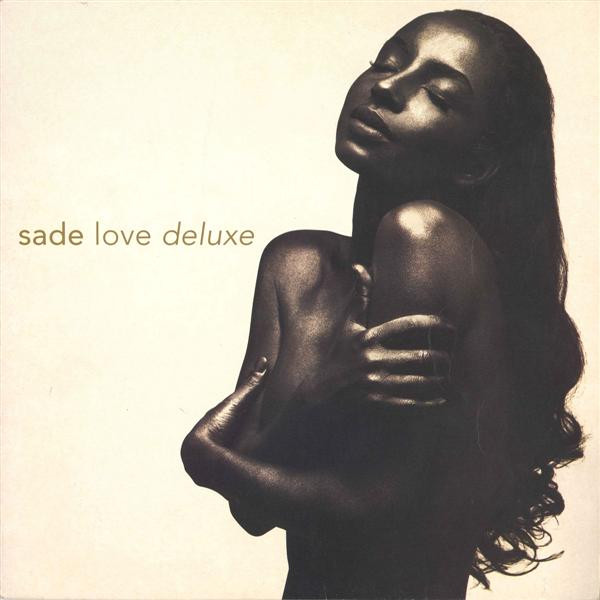
Love Deluxe
1992
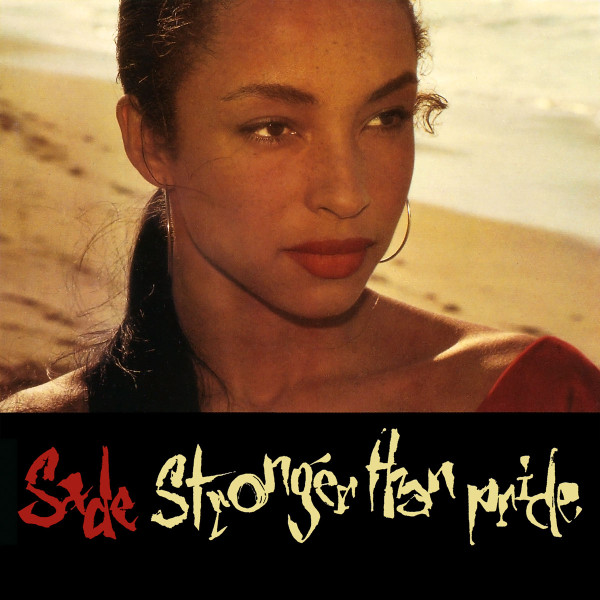
Stronger Than Pride
1988
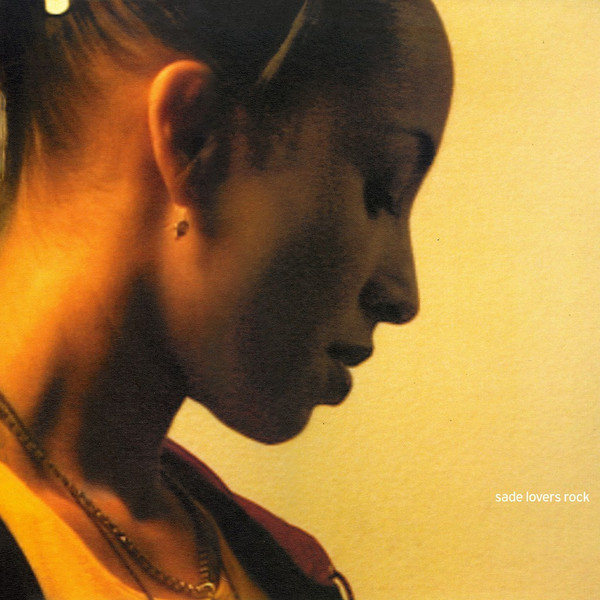
Lovers Rock
2000

Soldier Of Love
2010
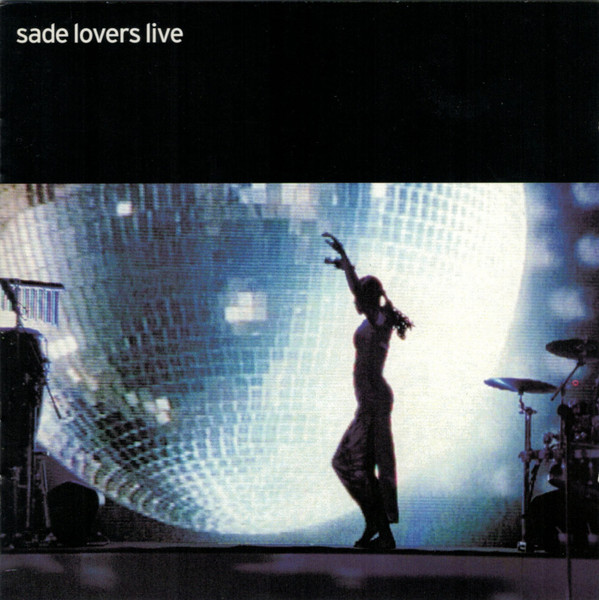
Lovers Live
2002
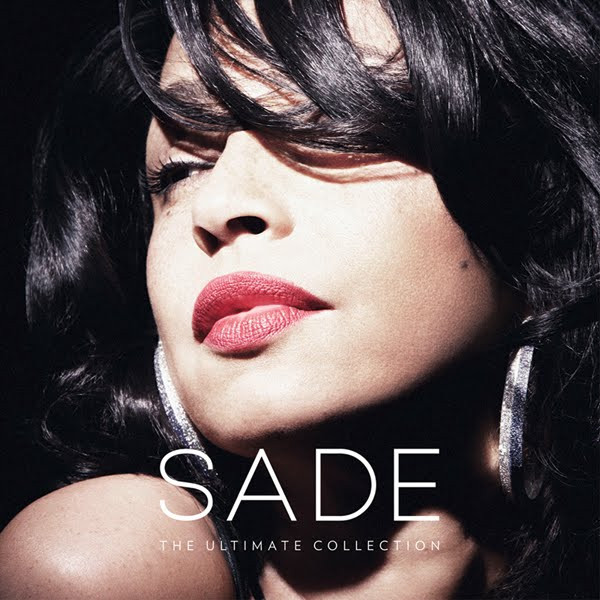
The Ultimate Collection
2011
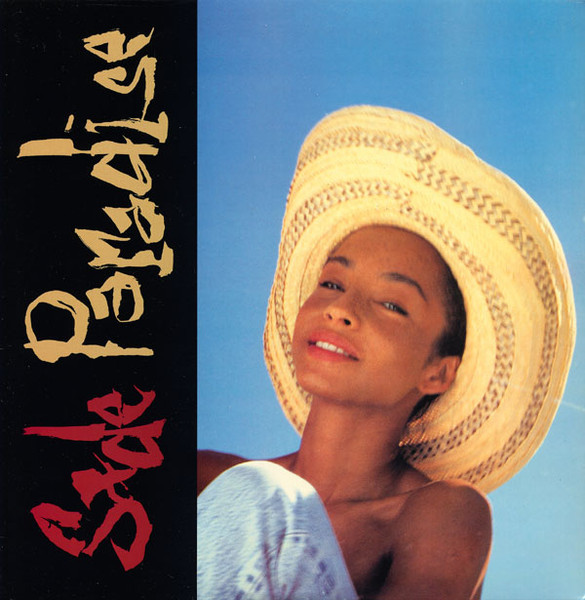
Paradise
1988
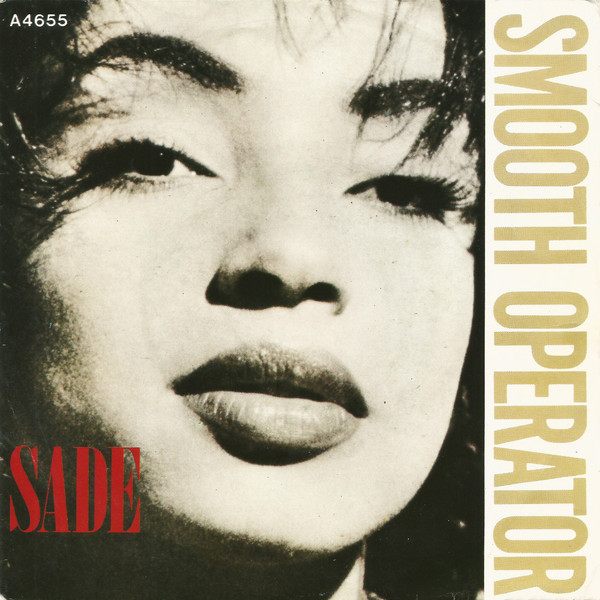
Smooth Operator
1984

Never As Good As The First Time
1986

The Sweetest Taboo
1985

Hang On To Your Love
1984

Cherish The Day
1993
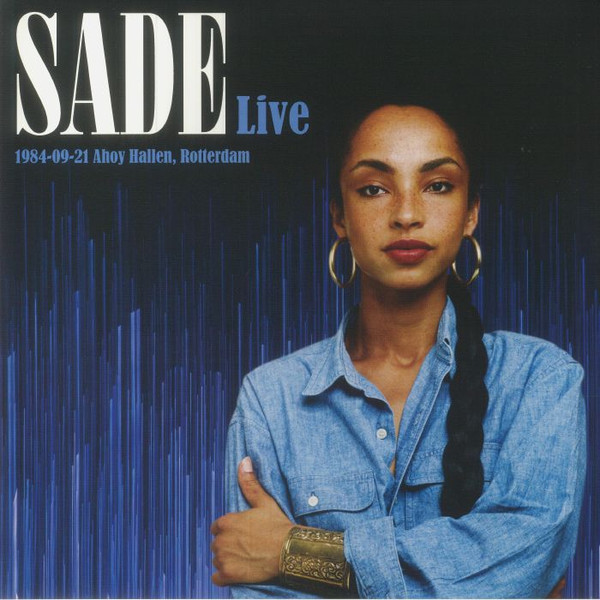
Live 1984-09-21 Ahoy Hallen, Rotterdam
2023
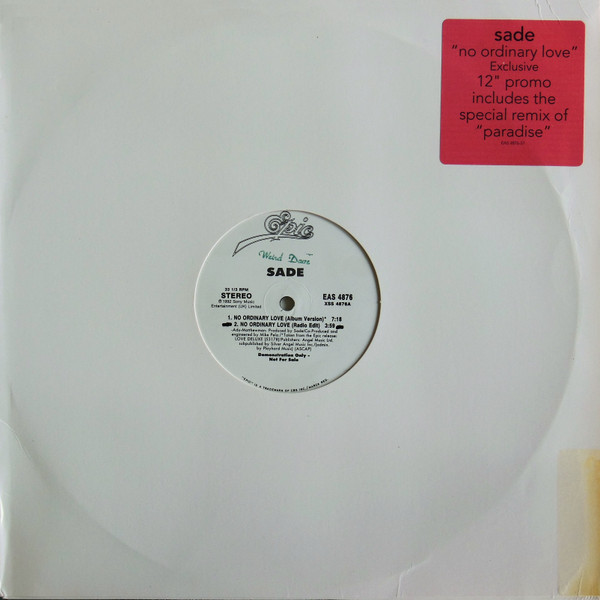
No Ordinary Love
1992

Couldn't Love You More
2001

By Your Side
2000
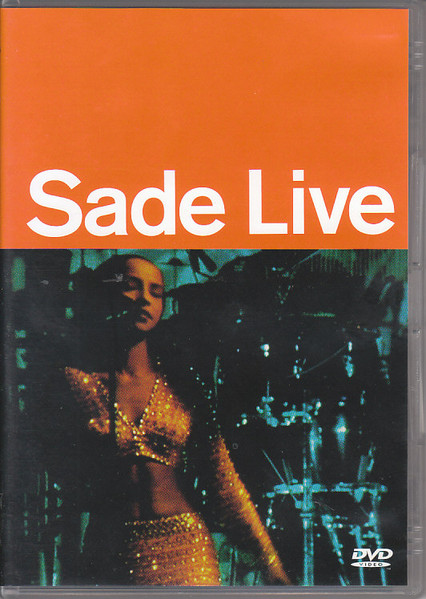
Live
1994

Turn My Back On You
1988
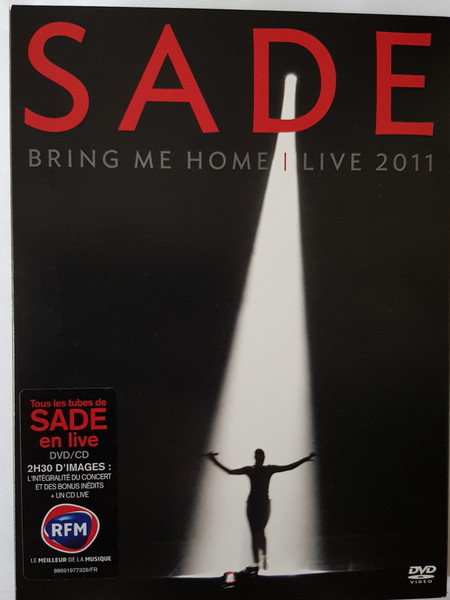
Bring Me Home | Live 2011
2012

Soldier Of Love
2009
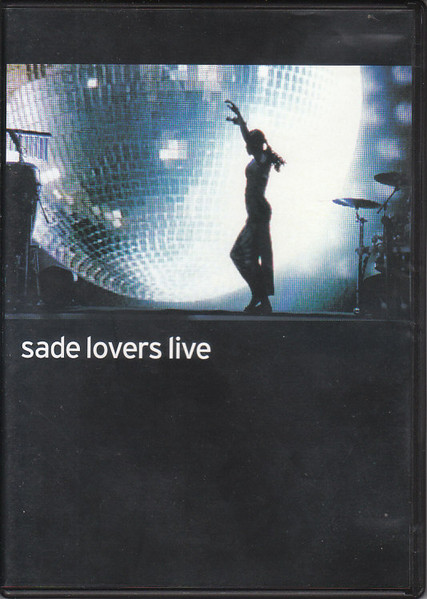
Lovers Live
2002
Related artists
Around the web
Follow every record they touch.
Start your shelf and Gatefold tracks Sade's new pressings, tour dates, and the whole discography — automatically.
Start your shelf →Free forever. Works with 10 records or 10,000.