
Artist
Robin Trower
Catford, United Kingdom · b. 1945
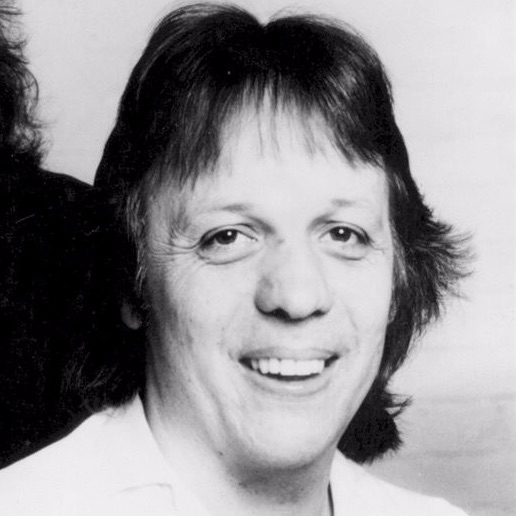
Robin Trower is a musician from Catford, United Kingdom, active since 1945. Their discography on Gatefold includes 24 records. They also recorded with Procol Harum.
61
Albums tracked
205
In collections
1945
Since
Biography
Robin Trower did not need another lesson in playing second fiddle after Procol Harum. He spent five years watching Gary Brooker's piano dominate the mix before he finally walked out. He grabbed a Stratocaster, plugged it into a custom-tuned Marshall stack, and ran the whole mess through a Uni-Vibe pedal to create a swirling, thick-as-brick tone that smelled like burnt tubes. Chrysalis Records signed him as a solo act, but he was smart enough to know his own limits. He needed a voice. He found it in James Dewar, a Scottish bassist whose smoky, late-night croon balanced Trower’s heavy, psychedelic blues. By 1974, they were cutting Bridge of Sighs with producer Matthew Fisher, who knew exactly how to capture the band’s massive space-rock-blues hybrid. That record is a masterclass in controlled feedback and slow-burn grooves. It sold a million copies because it sounded like Jimi Hendrix if Jimi had survived to jam with Pink Floyd. The problem was the sheer speed of their rise. Success chased them into bigger arenas where the delicate, swampy atmosphere of the early records got flattened by the pressure to play louder and simpler. Trower spent the rest of the decade chasing that initial lightning, occasionally stumbling into slick, over-produced funk-rock that did not fit his style at all. He clawed his way back by stripping the circus away. A brief, heavy collaboration with Cream bassist Jack Bruce in the early eighties reminded everyone that Trower was at his best when he had a powerhouse rhythm section pushing him to his limits. He stopped trying to write radio hits for Chrysalis and focused on the cult of guitar heads who just wanted to hear him wail. Today, he is still releasing records that sound like they were recorded in a basement smelling of stale beer and hot amplifiers. No compromises. Just a guy who figured out his signature tone fifty years ago and saw no reason to change it for anyone.
Bio from The Clerk
The Arc of Robin Trower
The pivots — what forced Robin Trower to reinvent.
The Power Trio Breakthrough
Trower left Procol Harum in 1971 to escape the piano-dominated arrangements and build something centered entirely on the guitar. He recruited bassist and singer James Dewar and drummer Reg Isidore, setting up a power trio format that allowed his heavy, atmospheric blues to breathe. Producer Matthew Fisher, his former bandmate, helped capture this massive sound on the 1973 debut Twice Removed From Yesterday and the landmark 1974 follow-up Bridge of Sighs. The music was defined by slow, heavy tempos, deep grooves, and Trower’s signature Uni-Vibe-drenched Fender Stratocaster tone.
The Funk and Arena Expansion
As the mid-seventies rolled in, pressure from Chrysalis Records and the reality of playing massive American arenas pushed Trower to modify the formula. He replaced Isidore with Sly & the Family Stone drummer Bill Lordan, bringing a syncopated, funk-influenced bounce to albums like For Earth Below. They added rhythm guitarist Rusty Allen on In City Dreams to thicken the live sound, but the move diluted the stark, atmospheric space that had made the trio so powerful. The records grew slicker, the tempos sped up, and the raw blues feeling got lost in the polish of late-seventies radio production.
The Jack Bruce Collaboration
After the classic lineup splintered at the end of the seventies, Trower looked for a creative jolt by teaming up with former Cream bassist and vocalist Jack Bruce. They recorded B.L.T. and Truce in rapid succession in 1981, bringing back a heavy, improvisational power-trio dynamic that recalled the best parts of the early seventies. Bruce’s aggressive, wandering basslines and operatic vocals forced Trower to play with a frantic, renewed energy. It was a brief, volatile partnership that pulled Trower out of his late-seventies creative slump and restored his status as a heavy blues heavyweight.
Influences
- Jimi Hendrix — Trower saw Hendrix perform live in London in the late sixties and immediately transitioned from playing Gibsons to Fender Stratocasters. You can hear this obsessive emulation in the heavy use of the Uni-Vibe pedal and the wah-wah work on the track 'Too Rolling Stoned.' Trower has openly admitted in interviews that Hendrix was the catalyst for his entire solo career.
- Albert King — Trower frequently cites King as his primary influence for single-note string bending and phrasing. The slow-burn intensity and wide, dramatic vibrato on 'Bridge of Sighs' are direct stylistic descendants of King's signature playing style. He learned how to make a single note carry an entire measure by studying King's minimalist approach.
- B.B. King — Trower's early blues education came from the classic fifties and sixties recordings of B.B. King. The clean, stinging treble-pickup tone and vocal-like soloing style on 'Day of the Eagle' mirror King's legendary phrasing. Trower has regularly praised King's economy of notes as the gold standard for lead guitar.
- Otis Rush — The dramatic, minor-key blues tension that defines Trower's heaviest work was heavily shaped by Otis Rush's Cobra Records catalog. You can hear the influence of Rush's stinging, urgent vibrato and dark chord progressions on the track 'I Can't Wait Much Longer.' Trower regularly covered Rush's signature songs in his early live sets.
- Hubert Sumlin — As the main guitarist for Howlin' Wolf, Sumlin's quirky, angular riffs and raw fingerstyle attack caught Trower's ear during the British blues boom. You can hear the influence of Sumlin's sharp, sudden riffs in the rhythmic backbone of 'Hannah.' Trower's ability to play off-beat, driving rhythm parts behind a vocalist comes directly from studying Sumlin's work.
Robin Trower — solo
Their records — most-collected first.

Bridge Of Sighs
1974
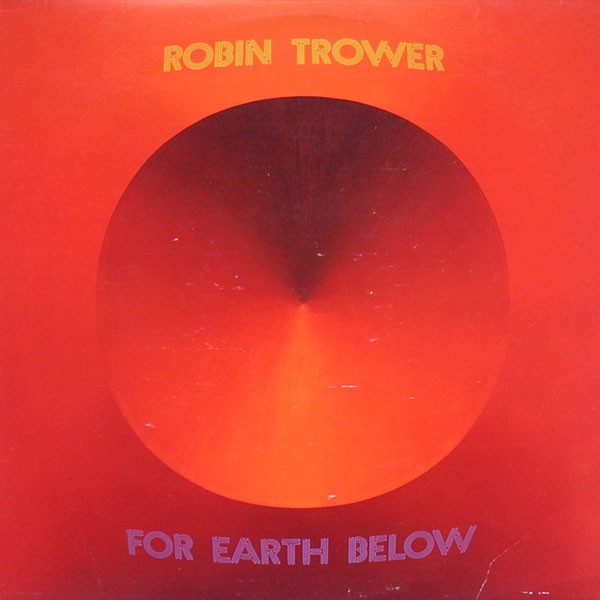
For Earth Below
1975

Twice Removed From Yesterday
1973
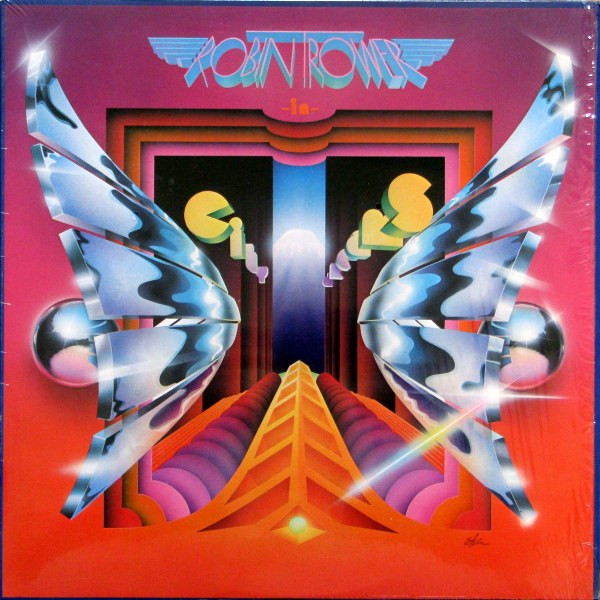
In City Dreams
1977

Long Misty Days
1976
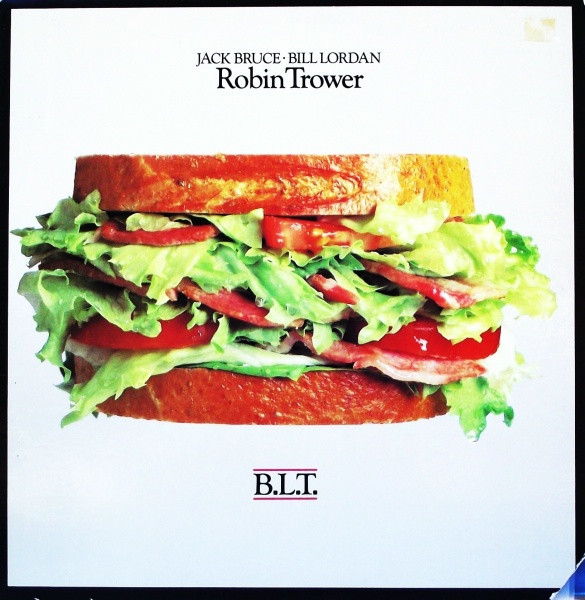
B.L.T.
1981
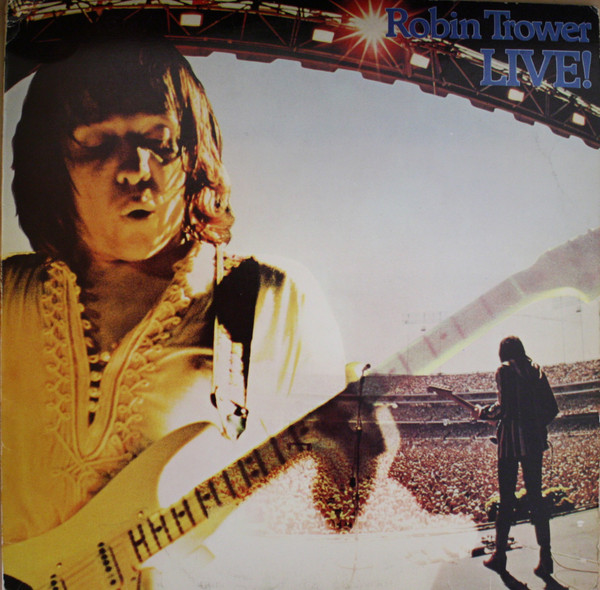
Robin Trower Live!
1976

Victims Of The Fury
1980
Come And Find Me
2025

Passion
1987

Caravan To Midnight
1978
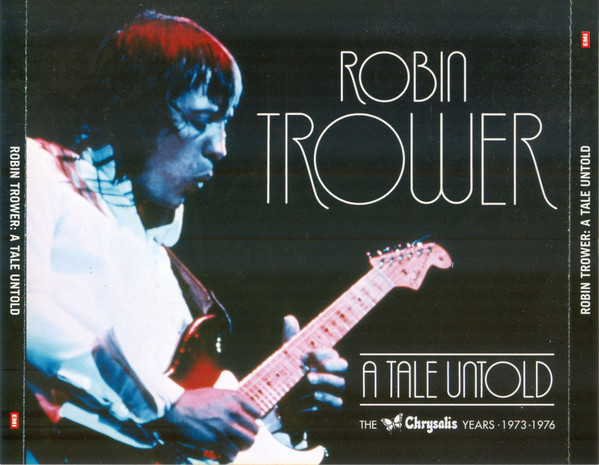
A Tale Untold: The Chrysalis Years (1973-1976)
2010

Essential
1991

In The Line Of Fire
1990

Back It Up
1983

Bridge Of Sighs / Caravan To Midnight
1983

One Moment In Time - Live In The USA
2026
No More Worlds To Conquer
2022
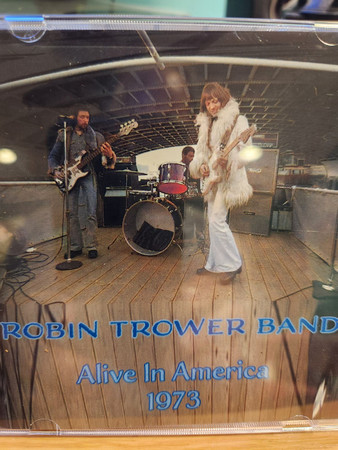
Alive In America
2022
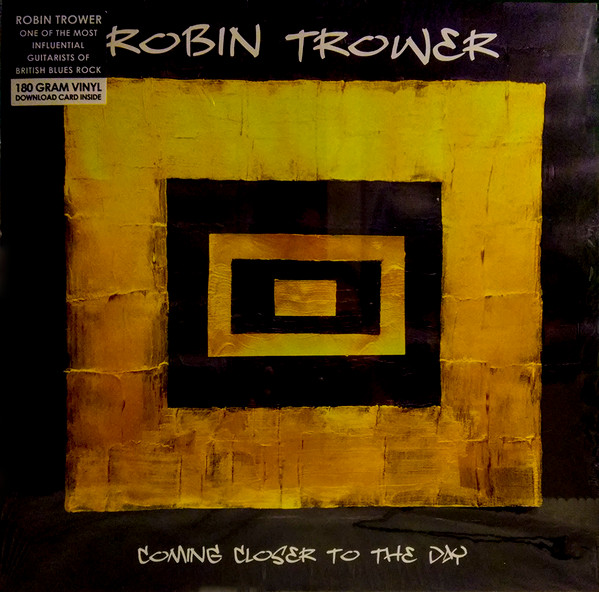
Coming Closer To The Day
2019
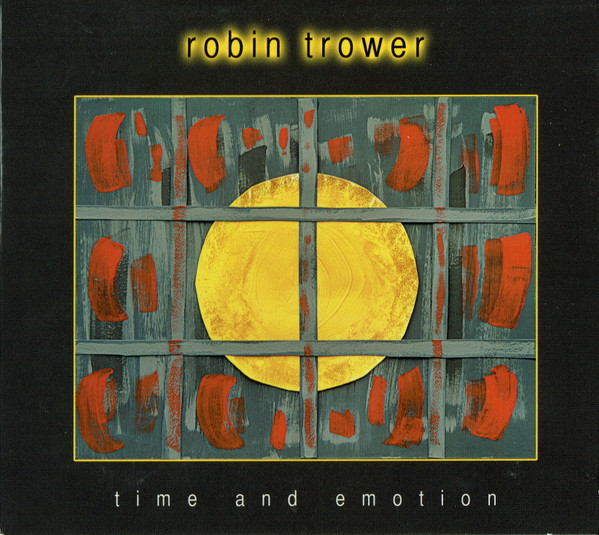
Time And Emotion
2017
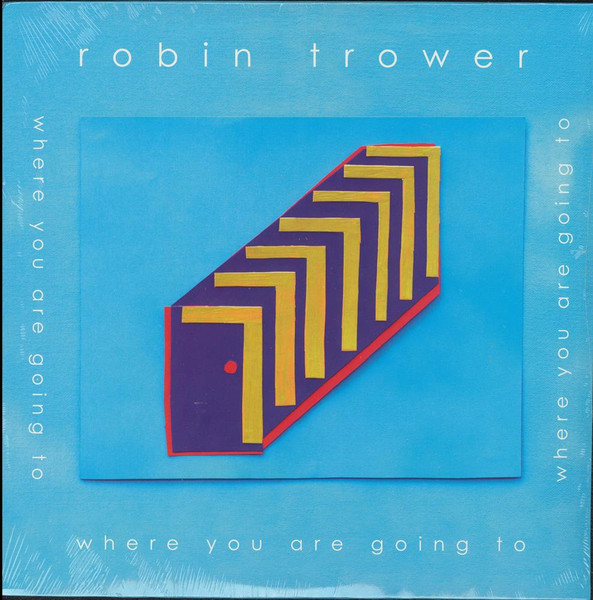
Where You Are Going To
2016

Something's About To Change
2014
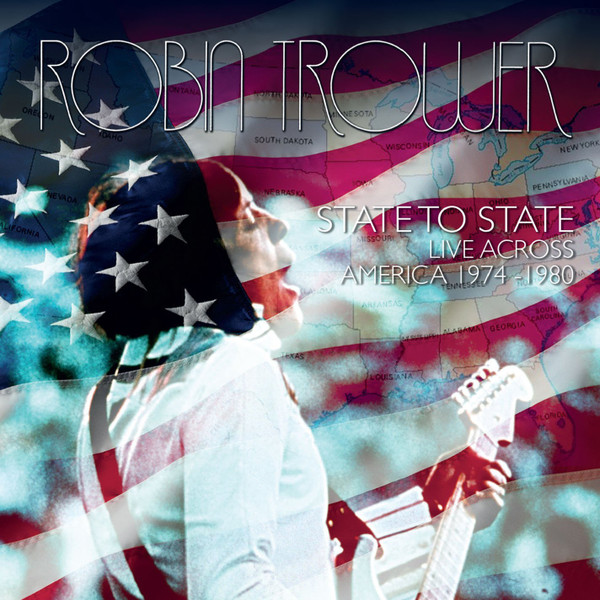
State To State - Live Across America 1974-1980
2013
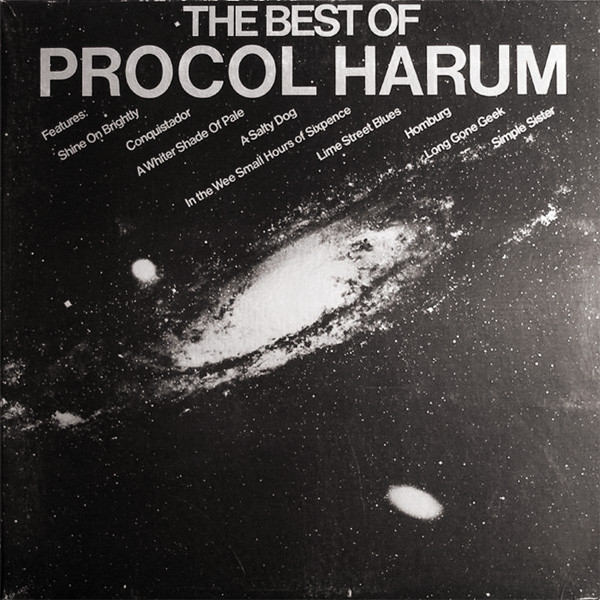
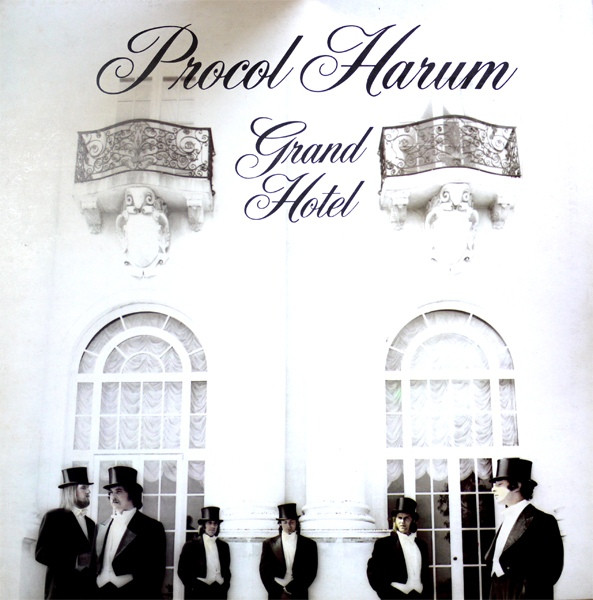
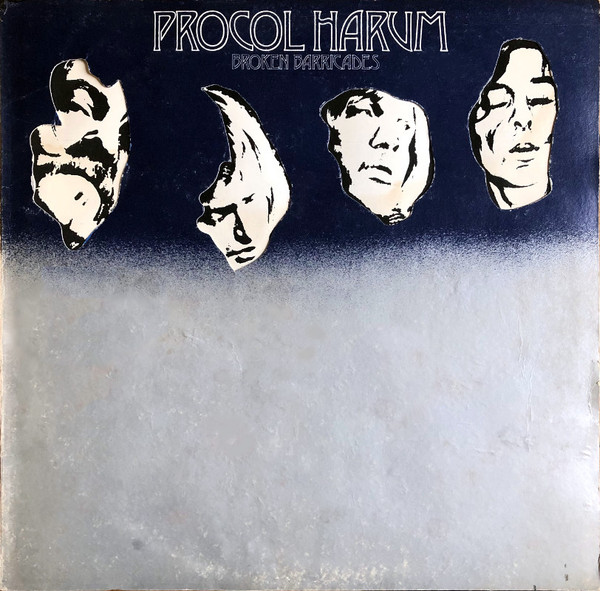
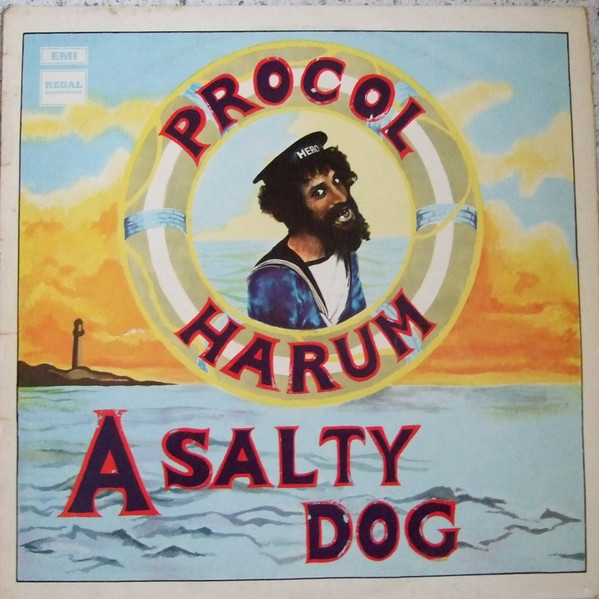
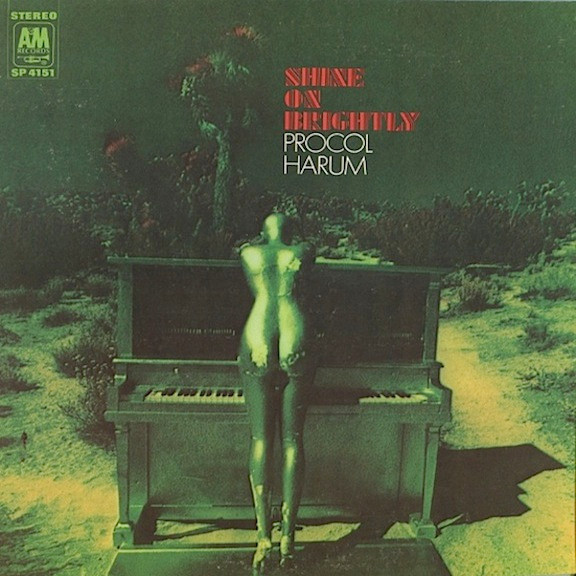
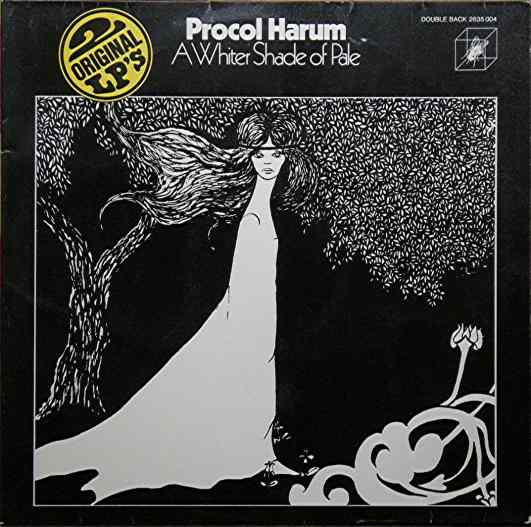
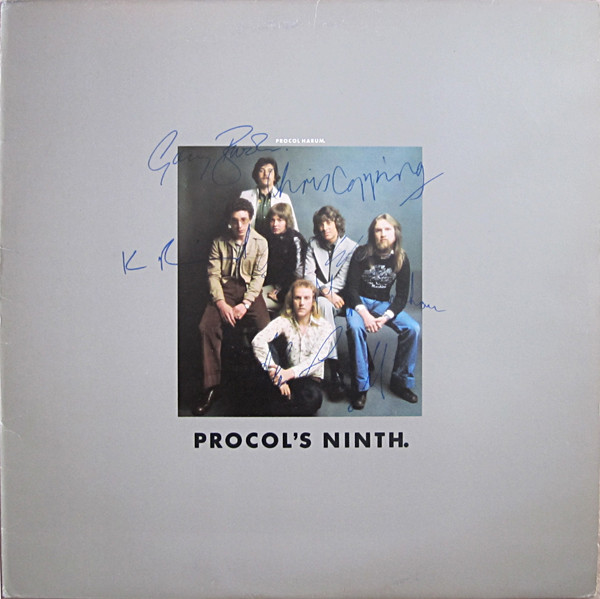
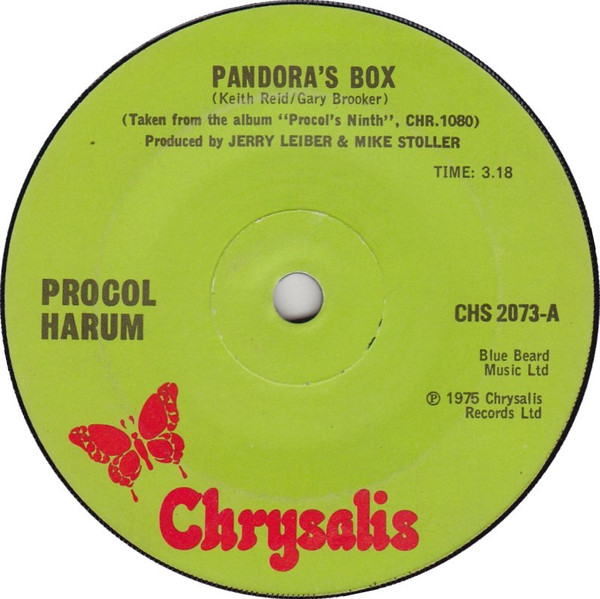
Procol Harum
A project Robin Trower was part of. Former member.






Related artists
Frequent collaborators
Around the web
Follow every record they touch.
Start your shelf and Gatefold tracks Robin Trower's new pressings, tour dates, and the whole discography — automatically.
Start your shelf →Free forever. Works with 10 records or 10,000.